REVIEW · COOKING CLASSES
Seoul: Korean Kimchi Cooking Class in the Heart of the City
Book on GetYourGuide →Operated by Secret Food Tours · Bookable on GetYourGuide
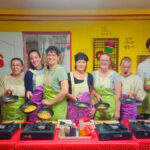
Kimchi lessons by a palace gate can’t be beat. This 2-hour class near Gyeongbokgung Palace keeps things practical: you cook, you taste, and you learn the logic behind fermented flavor rather than just following steps. It also happens at a secret meeting location, so the vibe feels local from the start.
What I love most is how much food you get for the time—three distinct kimchi dishes—and how the chef explains flavor balance while you’re actively cooking. You’ll also get a relaxed, all-levels-friendly setup since the group is capped at 8 participants.
One thing to consider: finding the place can be tricky at first because you meet at the third floor of a specific building, and the “secret” element means you’ll want to follow the directions carefully. Also, the notes about wheelchair access are a bit mixed, so if mobility is an issue, contact the operator before you go.
In This Review
- Key things you’ll notice right away
- Why This Kimchi Class Works in Seoul (And Not Just a Kitchen “Demo”)
- Getting There: Meeting Point Near Gyeongbokgung (Jongno, Third Floor)
- The Start of Class: Hand-Washing, Skills, and Sourcing Ingredients
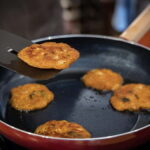
- Dish One: Cabbage Kimchi Pancake (Kimchi-buchimgae)
- Dish Two: Kkakdugi (Radish Kimchi) Leads to Bacon Fried Rice
- Dish Three: Baek-kimchi (White Kimchi) With Broth and Noodles
- The Makgeolli Moment: Drinks and How the Meal Fits Together
- The Secret Dish Plus Extra Tastings: What You Don’t See Coming
- Price and Value: Is $86 Worth 2 Hours of Cooking?
- Logistics You Should Plan For (So You Don’t Waste Minutes)
- Who This Class Is For (And Who Should Reconsider)
- Should You Book This Kimchi Cooking Class?
- FAQ
- How long is the Seoul kimchi cooking class?
- Where do I meet for the class?
- What dishes will I learn to make?
- Is the class taught in English?
- What drinks are included?
- Do you provide pickup or dropoff?
- Can you accommodate dietary requirements?
- Is alcohol served to everyone?
- Is there free cancellation?
Key things you’ll notice right away
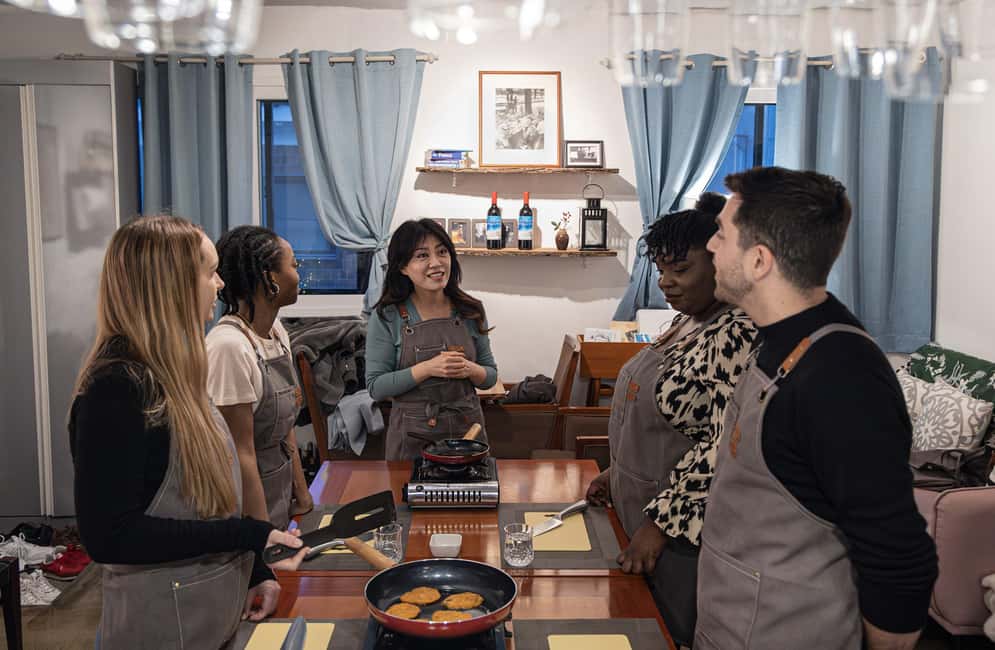
- A small group (up to 8): more hands-on attention while you cook, not a crowded demo
- Three kimchi styles, three totally different moods: pancake, crunchy radish kimchi use, and a non-spicy white kimchi broth
- Fermentation lessons that connect to dinner: you learn why the flavors change and how to use kimchi as an ingredient
- A secret dish always shows up: plus extra tastings like cheeses and small bites such as eggplant parmigiana
- Near Gyeongbokgung, easy to pair with sightseeing: you can plan palace time before or after
Why This Kimchi Class Works in Seoul (And Not Just a Kitchen “Demo”)
If you’ve ever bought kimchi at a store and wondered what makes it taste so deep, this class gives you a way to understand it. The focus isn’t only on Korean dishes; it’s on the mechanics behind fermentation and why some kimchi feels sharp and punchy while other versions taste smooth and mild.
I like that you’re not just making one item. You build skills through variety: a kimchi pancake to learn savory crispness, radish kimchi to learn crunchy fermentation use, and white kimchi to learn a lighter, broth-based approach. That sequence makes your brain connect fermentation to real meals, not just theory.
There’s also a clear “culture through food” angle. You’ll start the session washing hands, then move into cooking and tasting with the chef guiding what matters. It’s the kind of class that helps you talk about Korean cooking like you understand the why, not just the what.
You can also read our reviews of more city tours in Seoul
Getting There: Meeting Point Near Gyeongbokgung (Jongno, Third Floor)
You meet at Third floor, 36 Jahamun-ro 7-gil, Jongno District, Seoul. The helpful-but-important part: you don’t meet at a street-facing storefront that screams cooking class. Instead, you meet inside a building where the 1st floor has Cuisine La Cle.
From Exit 2 of Gyeongbokgung Station, walk straight about 200 meters until you see Woori Bank, then turn left. Pass the bar Cham, and look for your destination on the 3rd floor. If you’re arriving right on time, I’d give yourself an extra 10–15 minutes just to get your bearings.
Also note: there’s no pickup or dropoff. So you’ll want to plan your route like you would for a normal city appointment—public transit or a short taxi/walk from where you’re staying.
The Start of Class: Hand-Washing, Skills, and Sourcing Ingredients
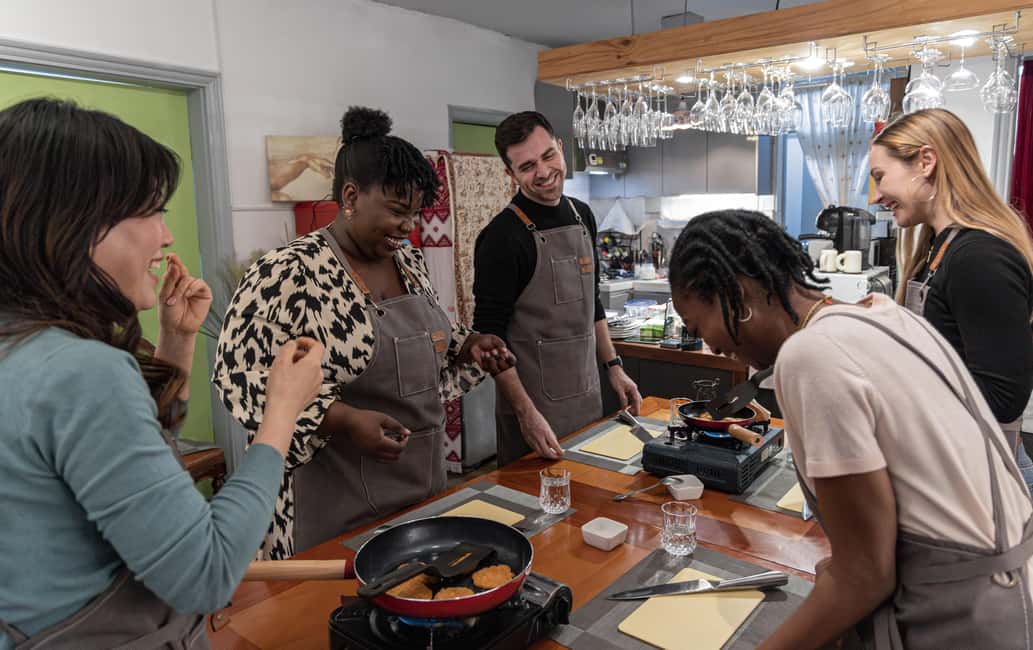
The session begins with a simple reset: wash your hands, then start building the skills you’ll use through the meal. That sounds basic, but it matters. When you’re working with fermented ingredients, sauce textures, and pan cooking, you want focus—and a quick routine helps you settle in fast.
You’ll also get practical guidance on local ingredients and how to find what you need in your own city later. That part is underrated value. Most cooking classes teach you a recipe; fewer teach you how to rebuild it at home when you can’t find every Korean product exactly where you live.
What you’ll likely take away is a method for thinking about ingredient categories: what each dish needs to taste right (fermented flavor, salty depth, balanced tang), and what role key components play once they hit heat. Even if you don’t have every branded item back home, learning the “why” makes substitution less stressful.
Dish One: Cabbage Kimchi Pancake (Kimchi-buchimgae)
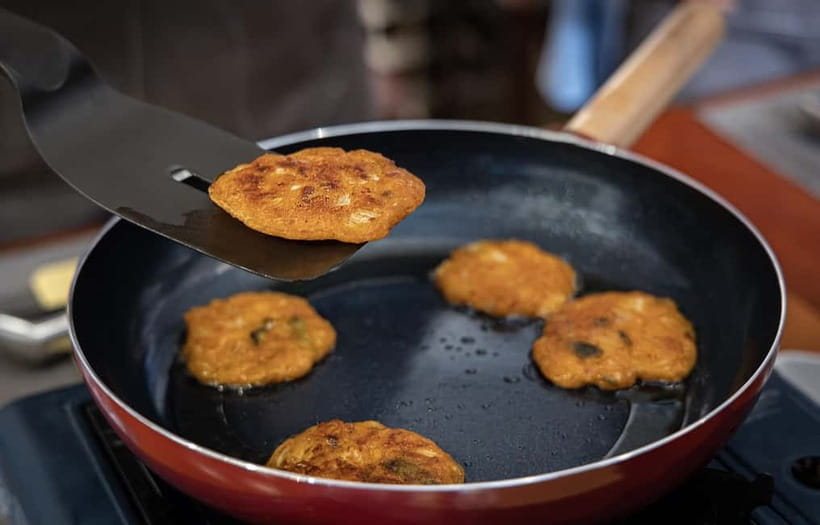
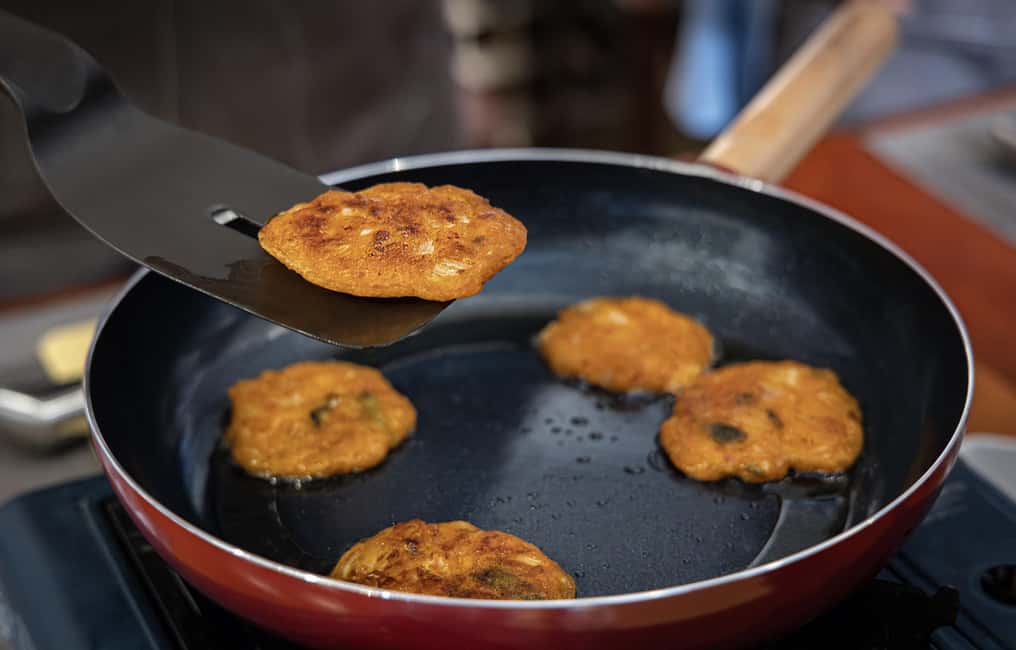
The first dish is Kimchi-buchimgae, a cabbage kimchi pancake. The class frames it clearly: it’s a crispy, savory pancake powered by the umami from fermented cabbage kimchi. That’s a great first choice because pancake cooking teaches you texture fast—heat, spread, crispness, and how kimchi behaves when it’s mixed into batter and cooked.
As you cook, you’re also learning an important lesson about kimchi itself: fermentation doesn’t just add sourness. It adds a fermented depth that turns into something almost savory-sweet when browned on a hot pan. In other words, the kimchi becomes an ingredient, not just a side condiment.
This is also where you learn how to balance bold and subtle flavors. Pancakes can become one-note if you overdo saltiness or if you don’t manage moisture. The chef’s guidance on balancing shows up as soon as you start aiming for crisp edges and a cooked-through center.
Dish Two: Kkakdugi (Radish Kimchi) Leads to Bacon Fried Rice
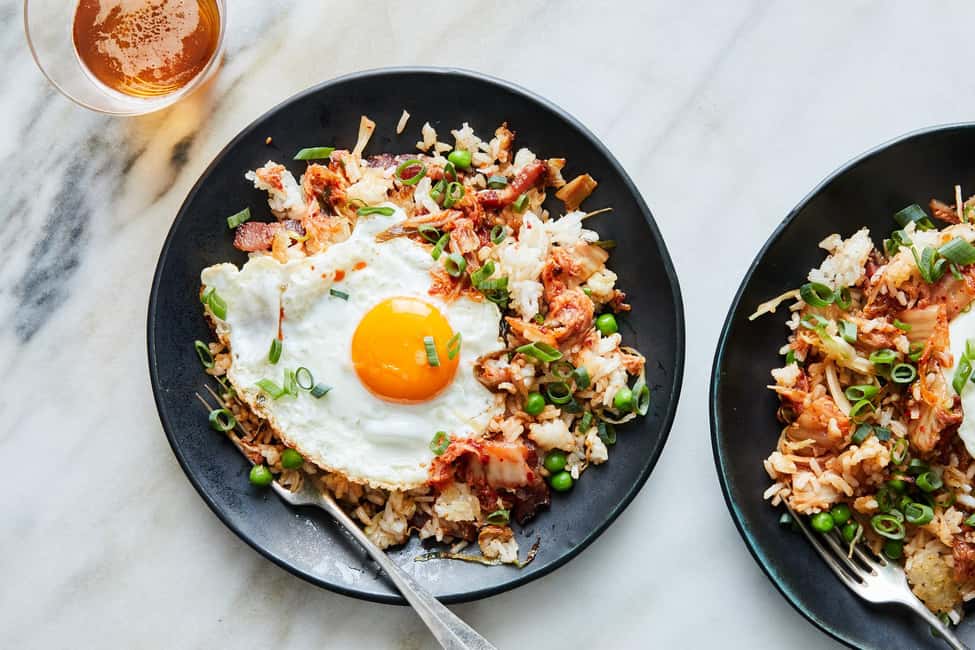
Next comes radish kimchi (Kkakdugi), then you use it to create a hearty stir-fried rice dish with bacon, finished with a golden, perfectly cooked egg on top.
This is a smart second step because it shifts from “kimchi as a main flavor in a pancake” to “kimchi as a functional ingredient in a rich stir-fry.” Kkakdugi tends to bring crunch and a lively bite. When that’s mixed into a warm, savory rice dish, it gives texture contrast—so the meal feels more layered instead of heavy.
The bacon and egg combination also explains something practical about Korean home cooking: kimchi isn’t automatically “just for the side.” It can work with pork, with rice, and with egg to create a full, satisfying dinner that still tastes distinctly Korean because of the fermentation character.
If you’re the type who likes to cook once and eat for a couple of meals, this dish is especially promising. It’s the kind of meal that holds flavor well because the kimchi’s tang stays active even after being cooked into the rice.
You can also read our reviews of more cooking classes in Seoul
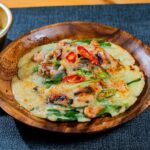
Dish Three: Baek-kimchi (White Kimchi) With Broth and Noodles
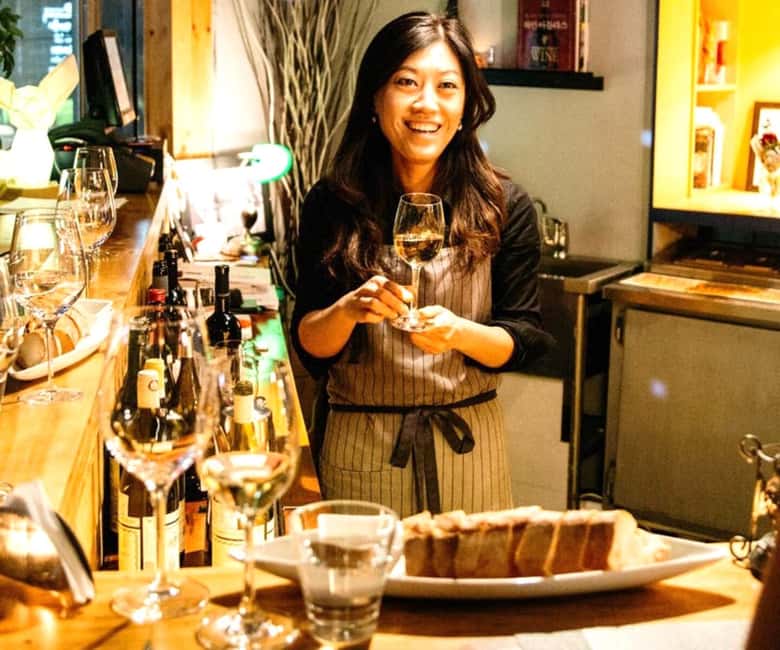
The third dish is Baek-kimchi, a white kimchi version that’s refreshing and non-spicy, served with a delicate broth and noodles.
This part is where the class shows its range. If you’ve only had red, spicy kimchi, white kimchi feels like a different world: cleaner, milder, and more focused on the soothing side of fermentation. The broth-and-noodle serving turns kimchi into a centerpiece flavor that melts into liquid rather than hitting your palate all at once.
It’s a great counterbalance after the pancake and stir-fried rice. By the time you get to this, you’re not just learning a third recipe—you’re learning how kimchi changes depending on its style and how you serve it.
That’s also how you build better home cooking instincts. After this class, you’ll be more likely to treat kimchi like an ingredient that can go:
- hot and crispy,
- hearty and saucy,
- light and broth-based,
instead of only thinking of it as a cold condiment.
The Makgeolli Moment: Drinks and How the Meal Fits Together
As part of the classic Korean dinner, you’ll enjoy makgeolli, a rice wine. The legal minimum age for alcohol is 18, and the class notes there’s an alcohol-free option available too.
Makgeolli is included here for a reason. It’s traditionally served in a way that goes with food—slightly creamy, tangy, and not as sharp as some other alcohol styles. With fermented flavors on the table, it tends to feel like it belongs rather than like an extra step.
Even if you choose the alcohol-free drink, the pairing concept is still useful: you’re building an idea of how Korean meals balance salt, sourness, fat, and comfort.
The Secret Dish Plus Extra Tastings: What You Don’t See Coming
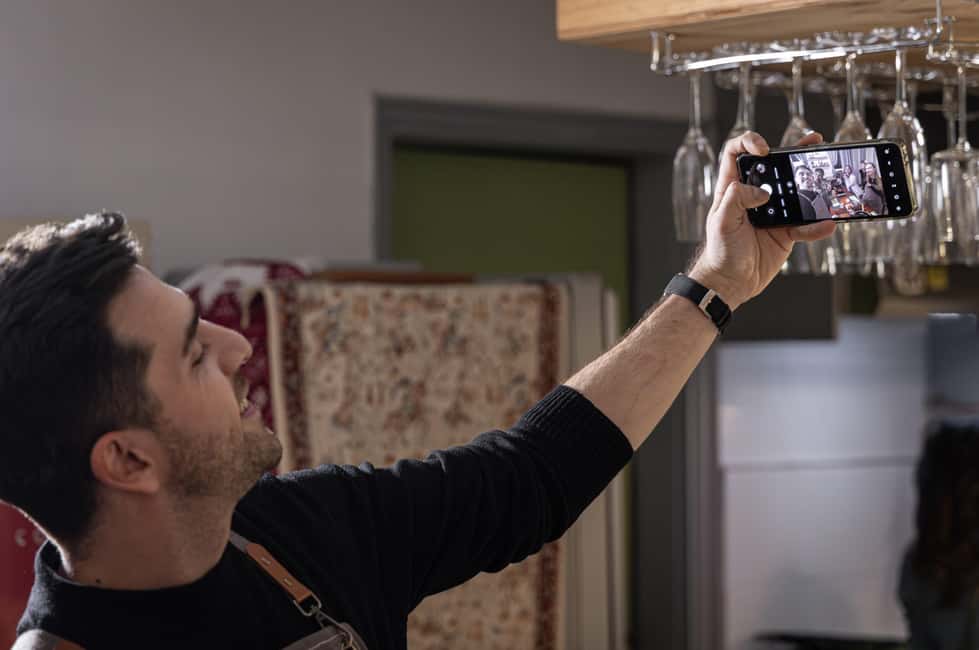
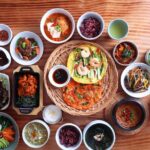
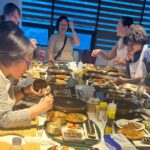
One of the fun points here is that there’s always a secret dish. You don’t just get the three kimchi-focused items; you also get extra tastings. The class highlights sampling cheeses, eggplant parmigiana, and lemon amaretti cookies.
I like this because it shows how the class provider thinks about food education: yes, you learn Korean cooking through kimchi—but you also get to taste outside the strict recipe box. The secret dish format also keeps the meal from feeling like a straight line where you only eat what you cooked. You get an extra payoff, and it makes the whole two hours feel like more than a checklist.
In practical terms, it’s also a reminder to slow down and taste. When you have multiple items coming your way, you start noticing texture differences—crisp vs tender, crunchy vs soft, creamy vs brothy—and you connect those differences back to what fermentation and cooking methods are doing.
Price and Value: Is $86 Worth 2 Hours of Cooking?
At $86 per person for a 2-hour session, the value comes from what’s included, not just the instruction time. You’re getting:
- a chef-led experience in English,
- cooking instruction that covers three kimchi dishes,
- included dishes and tastings (including the secret dish),
- makgeolli (or alcohol-free alternative),
- plus water.
A class like this is usually worth it when (1) you’re learning a technique you can reuse and (2) you’re getting enough food to make it feel like a meal. Here, you’re cooking and eating a full dinner structure, not nibbling small portions.
It also helps that the group is limited to 8. That usually means you’re more likely to get hands-on corrections and guidance. If you’ve ever cooked with a crowd around you, you know how much that matters.
One other value factor: you’re near Gyeongbokgung Palace, so you can easily stack this with sightseeing. If you time it well, you turn a meal into a learning stop rather than paying separately for both food and an activity.
Logistics You Should Plan For (So You Don’t Waste Minutes)
This isn’t a long day activity. The best way to think of it is: show up focused, cook, eat, then move on with your Seoul day.
A few practical notes that matter:
- You’ll want to arrive at the exact meeting point and take the directions seriously since it’s a third-floor location.
- There’s no pickup, so you need your own transit plan.
- The menu and itinerary can change based on availability, so don’t build your schedule around a very precise order beyond the kimchi themes.
If you have dietary needs, contact the team in advance so they can cater for you. Also, gratuities for excellent service are appreciated if you feel the chef earned it.
Who This Class Is For (And Who Should Reconsider)
This class fits you if you want a compact Seoul food experience with real cooking, not just watching. It’s also a good fit if you’re a beginner. The setup is designed to work at all levels, and you’re not asked to already know Korean cooking techniques.
It’s especially good if:
- you like fermentation foods and want to understand what changes flavor,
- you want practical skills you can recreate later,
- you want an activity that pairs naturally with sightseeing around Gyeongbokgung.
Reconsider if you:
- need wheelchair access or special assistance. The information includes both wheelchair-related wording and a note that they’re unable to accommodate wheelchairs or impairments requiring special assistance. Because of that, you should contact them directly to confirm what’s possible before booking.
Should You Book This Kimchi Cooking Class?
I think you should book if you want a focused, hands-on class that teaches kimchi through three different dishes and three different ways to serve it. The “secret dish” element plus the extra tastings (cheeses, eggplant parmigiana, lemon amaretti cookies) makes it feel like a complete meal experience, not a short workshop with scraps.
Book it now if you’re:
- planning a Seoul day near Gyeongbokgung Palace,
- comfortable following instructions in English,
- excited to cook with fermented ingredients and learn how to balance flavors.
Skip or at least message first if:
- you need mobility accommodations, because the notes about wheelchairs conflict and you’ll want clarity,
- you have dietary restrictions and haven’t contacted the team—this class asks you to reach out ahead of time so they can plan properly.
If you want one clean, high-value food lesson in a small group setting, this is a strong pick. You’ll leave with a better sense of how kimchi becomes a full meal, not just a jar in the fridge.
FAQ
How long is the Seoul kimchi cooking class?
The experience runs for 2 hours.
Where do I meet for the class?
You meet at Third floor, 36 Jahamun-ro 7-gil, Jongno District, Seoul. The building has Cuisine La Cle on the 1st floor.
What dishes will I learn to make?
You’ll prepare three kimchi-based dishes: Kimchi-buchimgae (cabbage kimchi pancake), Kkakdugi (radish kimchi) used in a stir-fried rice dish with bacon topped with a golden egg, and Baek-kimchi (white kimchi) served with delicate broth and noodles.
Is the class taught in English?
Yes. The instructor is English.
What drinks are included?
Makgeolli (Korean rice wine) is included, and there is also an alcohol-free drink option.
Do you provide pickup or dropoff?
No. Pickup or dropoff service is not included.
Can you accommodate dietary requirements?
You’re asked to contact the team in advance for any dietary requirements so they can cater for them.
Is alcohol served to everyone?
Makgeolli is included, and the legal minimum age for drinking alcohol is 18. There’s an alcohol-free option as well.
Is there free cancellation?
Yes. You can cancel up to 24 hours in advance for a full refund.