REVIEW · SEOUL
Seoul: War Memorial, Jogyesa Temple & Tapgol Park Tour
Book on GetYourGuide →Operated by I LOVE SEOUL TOUR Co., Ltd. · Bookable on GetYourGuide
Seoul can hit you hard—in a good way. This half-day afternoon route links the War Memorial of Korea with major sites for modern history, worship, and independence. You also get a lottery moment tied to the Squid Game hype, which makes Tapgol Park more than a pretty stop.
I especially like how the tour moves from big, emotional context (the War Memorial and its UN Memorial Cemetery) to a calmer pause at Jogyesa Temple. I also like the logistics: an air-conditioned minivan and a professional local guide who keeps the pace steady and the questions flowing.
One thing to plan around: this tour is not suitable for wheelchair users, and there’s a moderate amount of walking even in the rain-shine schedule.
In This Review
- Key highlights to look for
- Afternoon Seoul in One Route: War Memorial to Tapgol Park
- Meeting at the Koreana Hotel and How the Afternoon Actually Works
- The War Memorial of Korea and the UN Memorial Cemetery: not just war trophies
- National Museum of Korean Contemporary History: the timeline you can walk through
- Jogyesa Temple: Buddhism, community, and a break from the streets
- Tapgol Park: March 1 independence roots plus the Squid Game lottery moment
- Your guide can make or break the experience
- Transport and pacing: a comfortable ride, a steady flow
- Price and value: is $42 worth it?
- What to know before you go: rain, shoes, and no hanbok
- Who this tour suits best (and who should consider other options)
- Should you book this Seoul War Memorial, Jogyesa Temple & Tapgol Park tour?
- FAQ
- Where is the meeting point for the Seoul afternoon tour?
- What time of day is this tour?
- Where does the tour end?
- What are the main stops on this tour?
- Is Hanbok included?
- What’s included in the price?
- What’s not included?
- Does the tour run in the rain?
- What should I bring?
- Is this tour suitable for wheelchair users?
Key highlights to look for
- War Memorial exhibits with military vehicles and aircraft-style displays, plus a strong focus on learning from war
- National Museum of Korean Contemporary History showing how Korea changed from the late 1800s to today
- Jogyesa Temple atmosphere tied to Korean Buddhism and the idea of living together
- Tapgol Park’s March 1 Independence Movement setting, plus a Squid Game-linked lottery moment
- English-speaking guidance with real stories and photo help when you want it
Afternoon Seoul in One Route: War Memorial to Tapgol Park
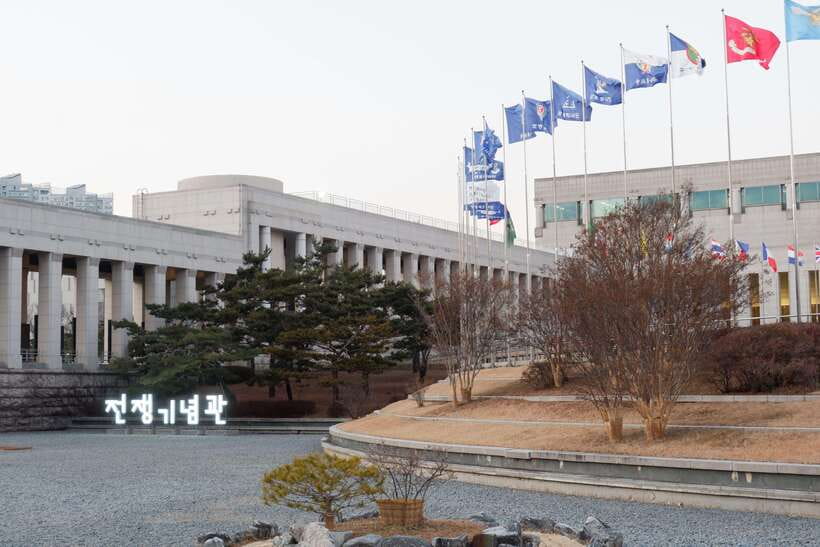
This is the kind of Seoul afternoon tour that helps you get your bearings fast—and then go deeper without feeling like you’re racing. You cover four meaningful stops in sequence: the War Memorial of Korea, the National Museum of Korean Contemporary History, Jogyesa Temple, and Tapgol Park. The order matters. You start with conflict and memory, then you broaden into the story of Korea’s modern era, and you finish with public space and independence.
If you like tours that connect places to context (instead of just pointing at buildings), you’ll appreciate how the guide frames each site. And if you’re a Squid Game fan, Tapgol Park adds a fun layer that doesn’t replace the real history—it sits next to it.
You can also read our reviews of more tours and experiences in Seoul.

Meeting at the Koreana Hotel and How the Afternoon Actually Works
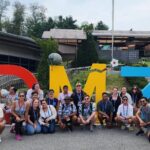
For the afternoon option, you depart from the lobby of the Koreana Hotel’s office building. You’ll spend the rest of the afternoon moving by a comfortable air-conditioned minivan, then end with a drop-off at Myeongdong Cathedral.
That end point is practical. Myeongdong is one of Seoul’s most convenient hubs for grabbing a meal afterward, so you’re not stuck far from restaurants once the tour ends. The pacing is built around a moderate amount of walking at temple and park sites, so comfortable shoes are a must.
Also, this runs rain or shine, which is important in Seoul. The upside: you won’t be waiting around for weather to magically improve—you’ll just keep moving.
The War Memorial of Korea and the UN Memorial Cemetery: not just war trophies
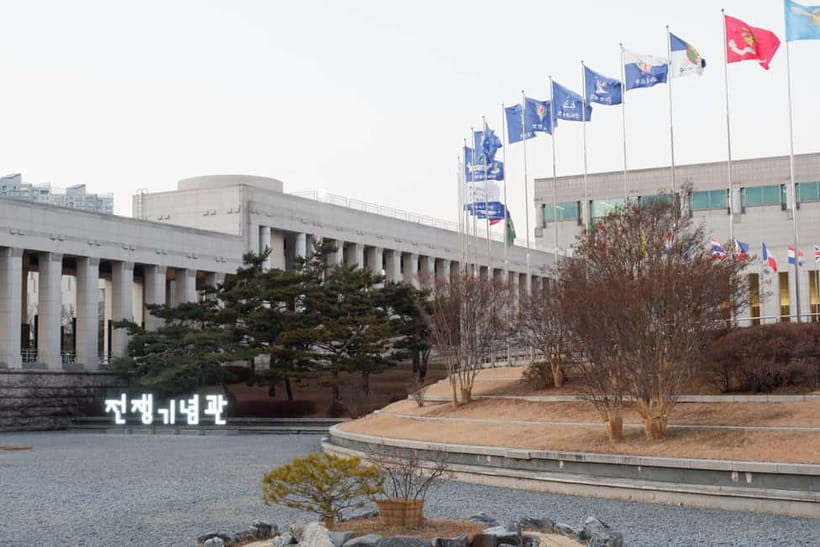
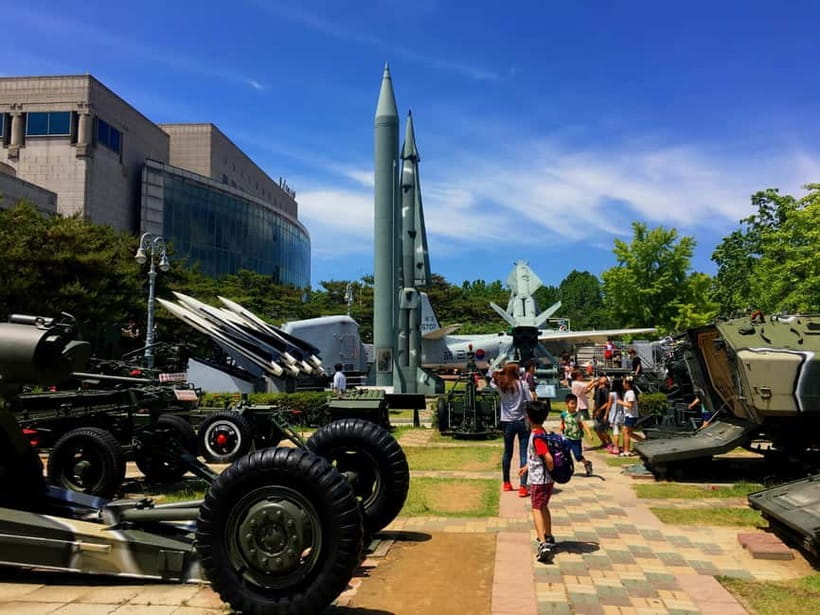
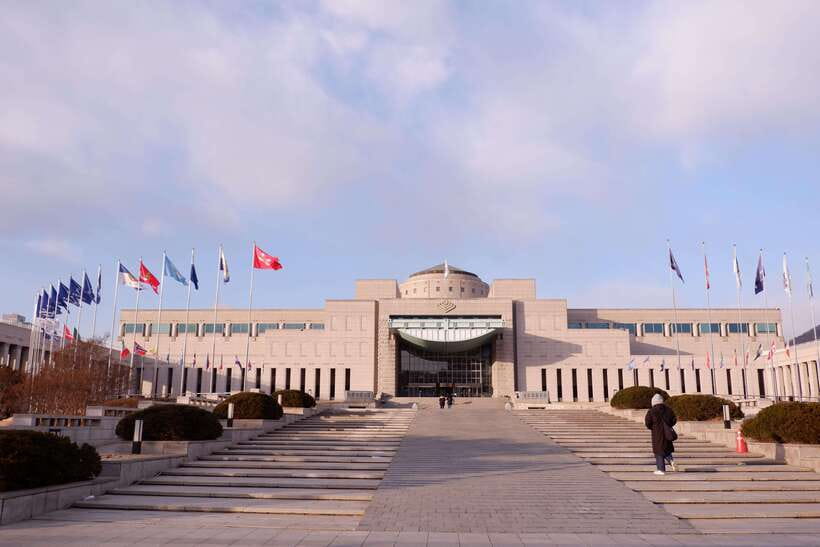
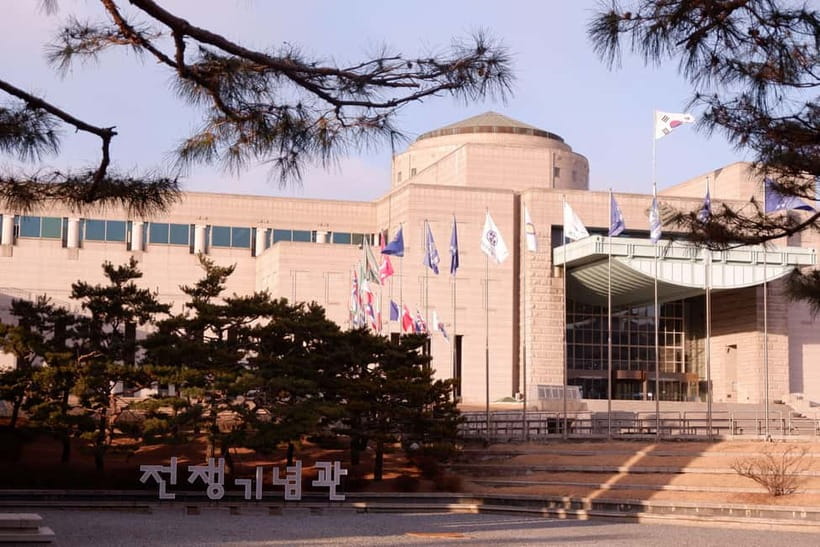
The War Memorial of Korea is where the tour’s mood turns serious. The museum was established in 1994, and it’s designed to be a place for learning—specifically the lesson of preventing war, with the Korean War as a key reference point. There’s also a theme of hope for reunification of North and South Korea.
What I like about this stop is that it doesn’t feel like a cold archive. Even when the exhibits are military-focused, the museum’s purpose is about reflection: why conflict happens, what it costs, and what you can carry forward. If you tend to remember emotions more than dates, this is the kind of place that sticks.
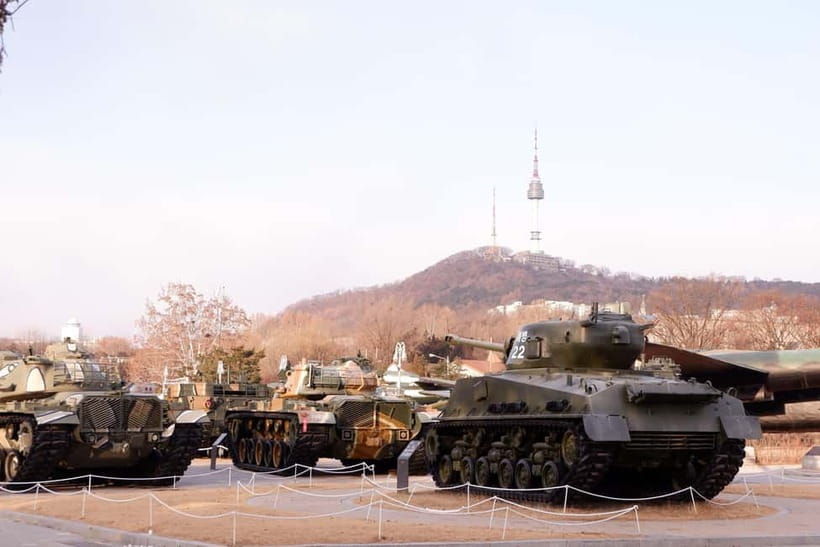
Practically, the tour spends time on the 3rd floor United Nations Memorial Cemetery and associated museum areas. Expect a lot of visual material—tanks and aircraft-style displays are part of the experience. If you’re interested in military history, this is satisfying. If you’re not, the framing still helps you understand what you’re seeing.
National Museum of Korean Contemporary History: the timeline you can walk through
After the War Memorial, you move to the National Museum of Korean Contemporary History, which opened on December 26, 2012. The museum covers the late 19th century all the way to the present, using four permanent exhibition halls.
This stop is valuable because it turns “modern Korea” from a vague idea into something you can follow. Instead of jumping between eras on your own, you get a guided route that helps the big events connect. You’ll likely find it easier to place what you saw at the War Memorial into a broader story.
One practical detail: museum layouts can vary in how much walking and standing they require. Since your overall tour includes temples and a park afterward, good shoe choice matters here too. The payoff is that you leave with a clearer mental map—how Korea changed, survived, and rebuilt.
Jogyesa Temple: Buddhism, community, and a break from the streets
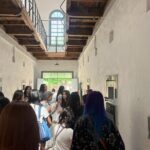
Then the tour shifts to a completely different feeling at Jogyesa Temple, the chief temple of the Jogye order of Korean Buddhism. This temple is important not only for worship, but also for what it represents: it promotes the idea of living together in society and highlights the Bodhisattva spirit.
Your guide’s interpretation makes a difference here. Even if you’re not fluent in religious language, the concept comes through: it’s not just about individual spirituality; it’s about how communities behave and support each other. And because Jogyesa Temple is a historic site that has lived through turbulent modern history, the contrast with the earlier museum stops feels meaningful, not random.
This is a great moment to slow down. If you’ve been sightseeing under time pressure, the temple setting gives you space to reset your brain. It also helps the whole itinerary feel balanced: you’re not only consuming history—you’re stepping into a living cultural place.





Tapgol Park: March 1 independence roots plus the Squid Game lottery moment
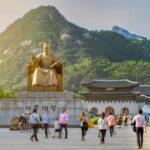
Tapgol Park is the tour’s final cultural hit, and it’s easy to see why it’s such a famous meeting point in central Seoul. The park sits near Insadong, and it’s historically significant: it’s where the March 1st, 1919 Korean Independence Movement began, calling for independence from Japanese rule.
That’s the core history. The tour then adds a clever pop-culture layer. Tapgol Park appears in Squid Game Season 2, episode 1, in a scene nicknamed Bread and Lottery. In your tour, there’s also a lottery included. Think of it as a way to make the setting memorable, not as a replacement for the real story of the place.
This is one of those stops where you’ll probably look at the ground, then look around at the buildings, and suddenly the park feels like it has weight—even if it’s just a public green space at street level.
Your guide can make or break the experience
A tour like this lives or dies by the guide’s pacing and storytelling. The good news: the guides linked to this experience have been praised for being friendly, responsive, and supportive, especially on cold days and with mixed ages in the group.
Names that stand out from the guide feedback include Dragon, Connie, Orota, Leo, Jang, Melvin, and Mrs. Park. Across these mentions, the pattern is clear: the guides weren’t just reciting facts—they helped people understand what they were seeing, and they managed timing well.
You’ll also appreciate moments where the guide helps you with practical things like photos. One guide was specifically noted for a strong eye for photography, which matters because Tapgol Park and temple exteriors can be tricky lighting-wise. If you’re the type who wants one or two good shots without doing a full photography session, this helps.
Transport and pacing: a comfortable ride, a steady flow
You travel by air-conditioned minivan, which is a real quality-of-life upgrade in Seoul traffic—especially if your afternoon includes museum time plus temple walking. Comfort matters because the tour isn’t just sitting in buildings; you’re moving between them.
Pacing is also a strong point. Some guides were specifically credited with keeping the tour well-paced for people with less mobility, including an 80-year-old mother. That doesn’t mean it’s a gentle stroll the whole time, but it does suggest the guide isn’t rigid. If you need a break, you’re more likely to be accommodated.
Still, keep in mind the tour involves a moderate amount of walking, so plan to move at an easy pace and wear shoes you can trust for uneven surfaces.
Price and value: is $42 worth it?
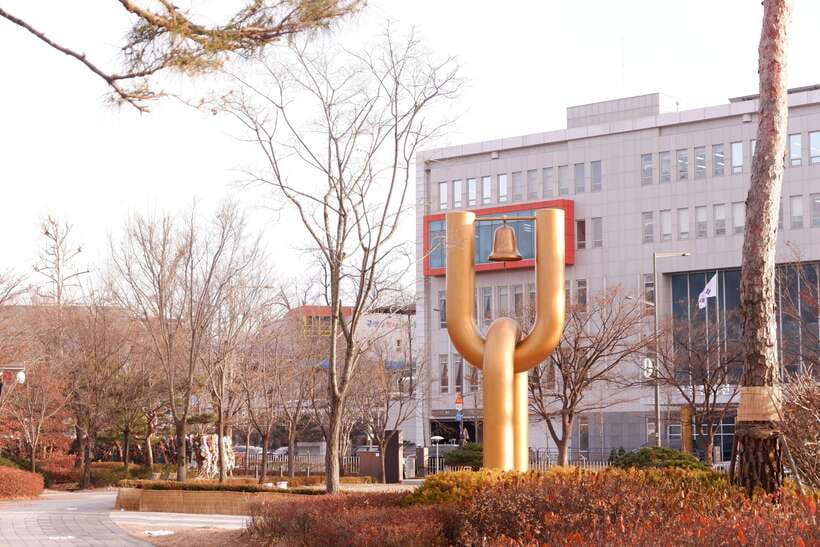
At $42 per person, this is a solid value if you factor in what’s included. You’re getting entrance fees, a professional guide, air-conditioned transport, and a lottery component. On a half-day schedule, that bundling matters.
The biggest value play for me is the guide + transport combination. Seoul can be very walkable, but museums and temple sites still take time, and transit can add friction when you’re trying to cover multiple stops in one afternoon. Here, the tour handles the sequencing and the transit, so you can focus on the experience.
What’s not included is also clear: food and drinks. Plan on buying your own snack or meal at the end (the tour drops you near Myeongdong Cathedral). If you’re traveling with a group or have dietary needs, this lets you pick what works for you.
What to know before you go: rain, shoes, and no hanbok
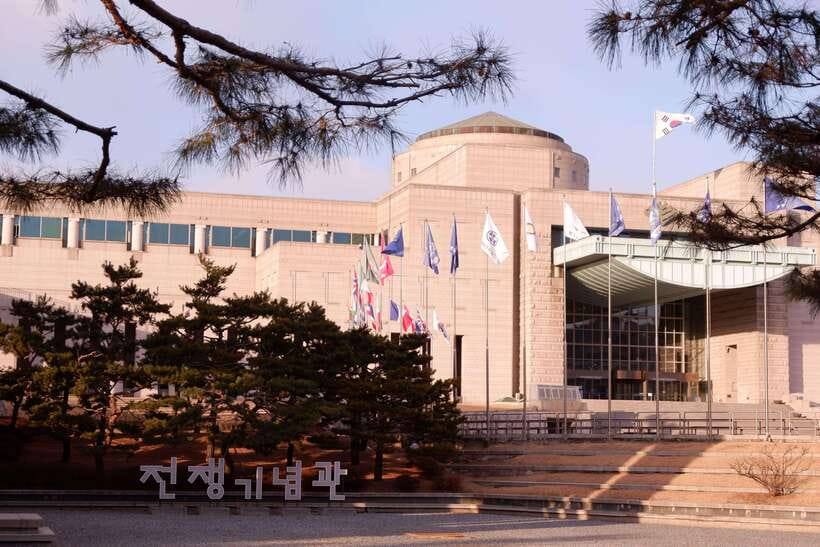
This tour runs rain or shine, so come ready for Korea’s quick weather swings. A light layer helps, and dry shoes make everything easier. Since there’s moderate walking, comfortable shoes are the best “bring” item on the list.
Two other things to note:
- Hanbok is not available, so don’t plan on renting traditional clothing as part of this experience.
- Alcohol and drugs are not allowed, and children must be accompanied by an adult.
If you like cultural visits, this is a respectful mix: museum reflection in the morning hours’ style of thinking (even though it’s an afternoon tour), then a living temple, then a public park with independence roots.
Who this tour suits best (and who should consider other options)
This tour is a strong match if you want:
- a guided intro to Seoul’s modern story through the War Memorial and contemporary history museum
- a meaningful cultural stop at Jogyesa Temple
- a memorable finale at Tapgol Park with a Squid Game-linked lottery moment
It’s also a good fit for first-time visitors who want a compact route without juggling transit or ticketing.
You may want to skip or choose a different option if:
- you use a wheelchair, since it’s not suitable for wheelchair users
- you dislike any walking at all, because the itinerary includes moderate walking through temple and park areas
- you want a hands-on or craft-style cultural activity—this is more about history, reflection, and seeing key sites in a short timeframe
Should you book this Seoul War Memorial, Jogyesa Temple & Tapgol Park tour?
I’d book this tour if you want an afternoon in Seoul that has both weight and variety. The War Memorial and the contemporary history museum give you context you can carry into the rest of your trip. Jogyesa Temple adds a quieter, human side to the itinerary. And Tapgol Park ends things in a grounded way—real independence history plus that fun lottery moment tied to Squid Game.
If your schedule is tight and you’d rather spend less time figuring out logistics, the included transport and entrance fees make the value easy to justify. Just show up with comfy shoes, expect some walking, and you’ll get a tour that feels purposeful rather than just “checking boxes.”
FAQ
Where is the meeting point for the Seoul afternoon tour?
For the afternoon option, you meet at the lobby of the Koreana Hotel’s office building.
What time of day is this tour?
It’s described as a half-day, afternoon tour.
Where does the tour end?
The tour ends with a drop-off at Myeongdong Cathedral.
What are the main stops on this tour?
You’ll visit the War Memorial of Korea (including the 3rd floor United Nations Memorial Cemetery), the National Museum of Korean Contemporary History, Jogyesa Temple, and Tapgol Park.
Is Hanbok included?
No. Hanbok is not available.
What’s included in the price?
The price includes entrance fees, a professional guide, transport by air-conditioned minivan, and a lottery.
What’s not included?
Food and drinks are not included.
Does the tour run in the rain?
Yes. It takes place rain or shine.
What should I bring?
Wear comfortable shoes, since there’s a moderate amount of walking.
Is this tour suitable for wheelchair users?
No. It is not suitable for wheelchair users.