REVIEW · CRUISES & BOAT TOURS
DMZ Tour: 3rd Tunnel, Option(Suspension Bridge, Boat) from Seoul
Book on Viator →Operated by PLK TRAVEL · Bookable on Viator
Borders have a strange pull. This guided DMZ day trip strings together the most important sites, from the Bridge of Freedom and Mangbaedan Altar to the 3rd Tunnel and Dora Observatory, with option add-ons for a suspension bridge walk or a boat ride.
I especially like the simple flow and timing, and the fact that DMZ admission is included in every option. You also get round-trip transport from Seoul on a private, air-conditioned bus, so you’re not fighting schedules or transfers all day.
One thing to plan for: the Third Tunnel visit is physically demanding. Even with good pacing from the guide, you should expect a hot, steep walk and an effort to climb back out.
In This Review
- Key highlights to look for
- DMZ day-trip feel: a tight route with a human-scale group
- First stops: Bridge of Freedom and Mangbaedan Altar (and why they matter)
- The Third Tunnel: the stop people remember (and the effort it takes)
- Dora Observatory: the viewpoint that turns stories into geography
- Unification Village (Tongilchon-gil): a calmer, human-scale stop
- Suspension bridge options near Mt. Gamaksan or Lake Majang
- Gamaksan Chulleong Suspension Bridge (Mt. Gamaksan option)
- Lake Majang Bridge (Imjin-side option)
- Imjin River boat ride: the slow way to feel the boundary
- Peace Park area: the quiet ending that makes the day land
- Guide quality is the real “value multiplier” on this tour
- Price and logistics: what you’re really paying for
- Who this tour fits best (and who should rethink it)
- Booking smart: what to pack and what to expect on DMZ security days
- Should you book this DMZ tour?
- FAQ
- What does the tour cost, and what’s included in that price?
- Do I need a passport for this DMZ tour?
- Which tunnel does the tour visit on Mondays?
- What are the available add-on options besides the main DMZ route?
- Is lunch included?
- How long should I plan for the tour?
- What if the weather is bad?
Key highlights to look for
- 3rd Tunnel option with a real walking course: you go inside the invasion tunnel, not just view it from outside
- Dora Observatory viewpoint time: wide views toward North Korea territory on a clear day
- Choose your extra: suspension bridge walk near Mt. Gamaksan or Lake Majang, or a calmer Imjin River boat ride
- Guides shape the whole day: many groups rave about guides like Julie, Jay, Simba, Eddie, Cindy, and Charles for clear, engaging explanations
- No forced shopping pressure: the itinerary stays focused on the border story and the sights
- Small tour cap (max 43): easier movement and less chaos than mega-coach day trips
DMZ day-trip feel: a tight route with a human-scale group
A DMZ tour works best when it’s organized. This one is designed for exactly that: a guided circuit that starts with ID checks, then moves site to site without turning the day into a maze. You spend your time where it matters most—border history, the tunnel, the observatory viewpoints—rather than waiting around.
The group size also matters. With a maximum of 43 travelers, it feels large enough to be fun but small enough to manage when you’re herded for security steps. On many days, what you’ll remember isn’t just the places. It’s the way the guide keeps context moving from stop to stop, so each location makes sense.
You can also read our reviews of more boat tours in Seoul

First stops: Bridge of Freedom and Mangbaedan Altar (and why they matter)
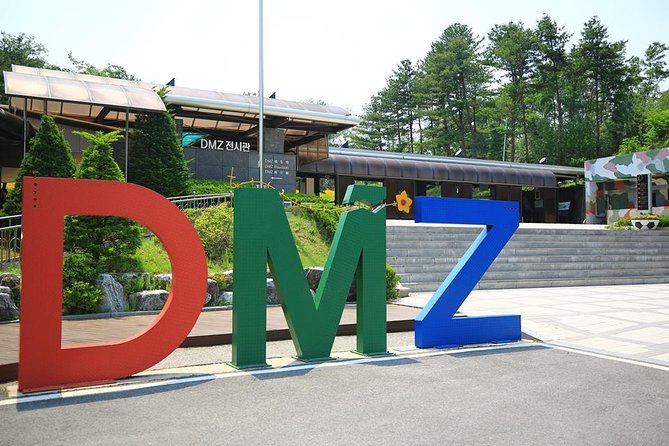
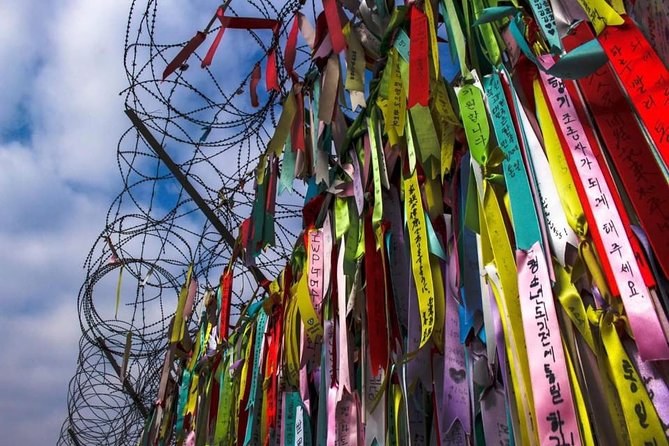
Before you even “get to the border,” you start with two grounding stops: the Bridge of Freedom and Mangbaedan Altar. The schedule is built so you understand the Korean War narrative before you enter DMZ restrictions.
At the start, there’s an ID check and then a look around these memorial sites. This is your orientation moment. You’ll get the story of why these places exist and what they represent, instead of treating them as random monuments. If you like history that connects dots, this part is the setup that makes the rest of the day hit harder.
Practical note: DMZ mornings can be a bit formal. You’ll want your passport ready and keep it in hand so the ID step goes smoothly.
The Third Tunnel: the stop people remember (and the effort it takes)
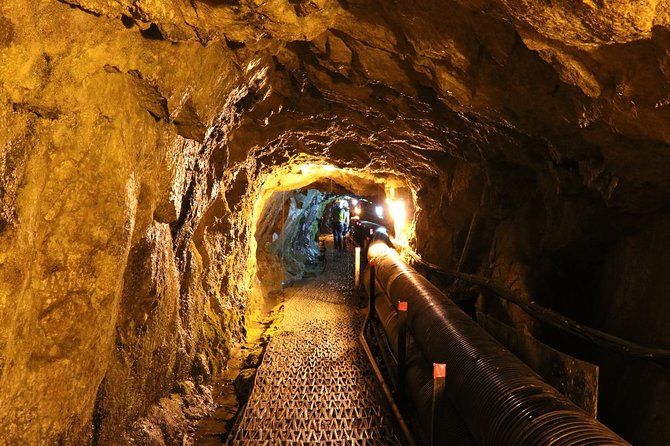
The main event here is the Third Invasion Tunnel. This is not a drive-by. It’s a walking route into the tunnel, and it’s described as close to 1.95 meters high and 2.1 meters wide. That already tells you it’s built for constrained movement, not comfort.
What you should expect:
- a steep-in-and-steep-out feel (plan for effort, not just walking)
- a hot, enclosed environment once you’re underground
- a ceiling you’ll have to mind, so head height matters
One review detail that’s worth taking seriously: people reported needing help on the way out on colder days, and some mentioned the climb is the hard part, not the entrance. Another common tip was that if you struggle with uphill walking, the tunnel route may be rough. Even if you’re fit, bring a mindset of work first, photos later.
Is it worth it? For most people, yes, because you’re seeing the invasion concept at close range. But be honest about your comfort level. If you have health concerns or mobility limits, this is the moment to think twice.
Dora Observatory: the viewpoint that turns stories into geography
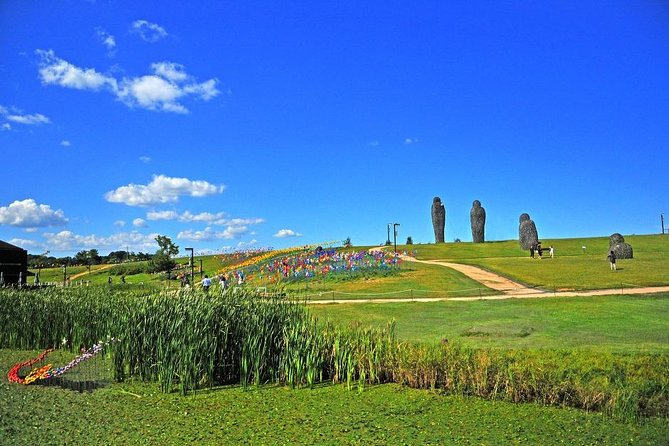
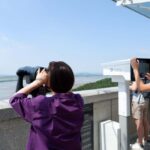
After the tunnel, the tour heads to Dora Observatory. This stop is set up for a single purpose: a panoramic view toward North Korea territory, including the chance to see the Gaeseong Industrial Complex and Songhaksan Mountain in one scene.
This is where the DMZ becomes real geography. The Korean War story is heavy, but it can stay abstract unless you can look at the terrain the conflict shaped. Dora helps you connect what you heard earlier to what you can actually see.
Timing matters here. You’ll get time on-site (about 40 minutes), so you can take photos, look for features, and let your guide explain the “what you’re seeing” logic. On clear days, it lands better; on gray or hazy days, your best tool is patience and guidance.
Unification Village (Tongilchon-gil): a calmer, human-scale stop
Next comes Tongilchon-gil, also known as Unification Village. This area is described as a unique farming community near the DMZ, where South Korean civilians live under special regulations.
This is a nice pressure release after tunnel heat and observatory intensity. Instead of focusing only on war machinery and boundary lines, you shift to daily life under restrictions. The tour gives you about 20 minutes here, which is usually enough for a quick understanding without dragging the day out.
If you’re the type who wants “what’s life like right now” rather than only past events, this stop gives you that angle.



Suspension bridge options near Mt. Gamaksan or Lake Majang
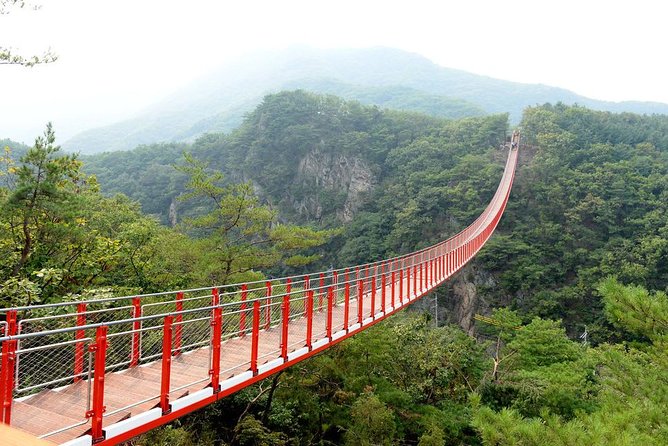
Here’s where you choose your add-on, and it changes the flavor of your whole day.
Gamaksan Chulleong Suspension Bridge (Mt. Gamaksan option)
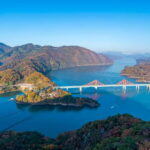
If you pick the Mt. Gamaksan walk, you’ll do a short hike (about 15 minutes up) to the Gamaksan Chulleong Suspension Bridge. It’s described as roughly 150 meters long and noted as a historical battlefield area during the Korean War.
This stop adds movement and views. It’s also a different kind of “war landscape” moment: instead of tunnels and fortifications, you experience the terrain where fighting unfolded. Expect a bit of incline. If you felt okay on the tunnel hike, you’ll likely be fine here; if hills wear you out, this is a good place to think about your energy budget.
Lake Majang Bridge (Imjin-side option)
If you choose the Lake Majang Bridge option, you’re looking at another bridge tied directly to war events. The tour notes that Allied forces fought there and that many soldiers sacrificed their lives.
This option typically feels more like a peaceful walk paired with strong context. You get about an hour at this stop, which should give you time for the bridge walk plus the guide’s explanation.
Imjin River boat ride: the slow way to feel the boundary
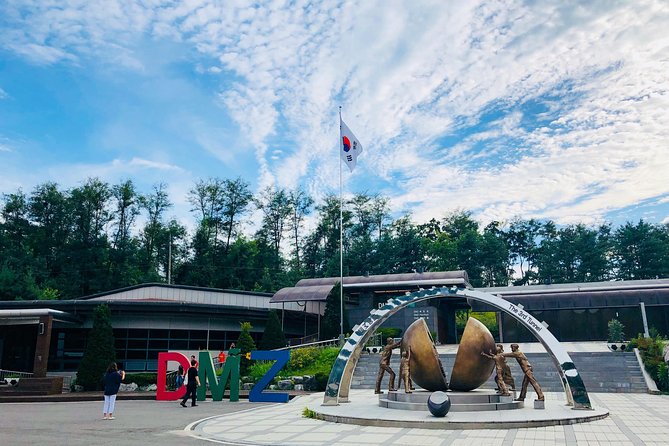
If you opt for the Imjin River boat ride, you’ll trade bridge walking for a calmer segment of the day. The tour describes the river as flowing out of North Korea to South Korea and notes it was forbidden to access for decades after the Korean War.
That history matters because the boat ride becomes more than a scenic break. It’s a literal reminder that access was once blocked, and now it’s controlled and observed.
Time on this stop is about 40 minutes. It’s a good choice if you want fewer steep climbs and a change of pace before you head back to Seoul.
Peace Park area: the quiet ending that makes the day land
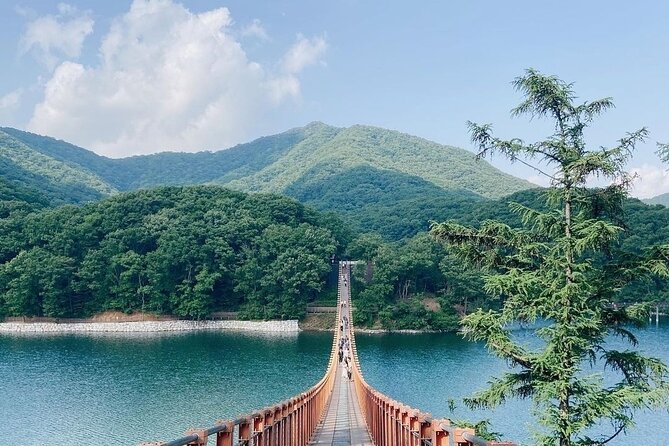
The tour ends with a park area connected to wishes for reunification and peace on the peninsula. It’s a reflective closer that helps you step back from the mechanics of division and into the human goal behind it.
You’ll likely appreciate this ending more if you’ve been listening actively throughout the day. By now, the story isn’t just facts. It’s tone and meaning.
Guide quality is the real “value multiplier” on this tour
For this type of tour, the guide makes a huge difference. And in the feedback, certain guides show up again and again for being engaging, entertaining, and clear.
Names that repeatedly come up include Julie, Jay, Simba, Eddie, Cindy, Lucy, Charles, and Paul. The common threads:
- explanations that keep the day understandable (not just a list of sites)
- humor and personality that helps you handle serious content
- organization that keeps the group moving efficiently
- answers to questions, including photo/security reminders
If you can request a guide, this is one of the rare tours where it’s genuinely worth it.
Price and logistics: what you’re really paying for
At $35 per person, this tour’s best value is that it bundles the hard parts together. You get a licensed guide, round-trip transfers from Seoul, and DMZ admission fees are included in all options.
Not included:
- lunch
- travel insurance
- anything not mentioned
So your real cost equation is about time and comfort. Without this kind of package, you’d be dealing with transport, timing, and admissions on your own, and that’s before you factor in the ID checks and restricted pacing. For many visitors, the included access and transport make the price feel reasonable.
Plan for lunch on your own. The tour doesn’t include it, so you’ll either grab something near the route or eat in Seoul around your day schedule. If you’re hungry fast, bring a small snack for breaks.
Who this tour fits best (and who should rethink it)
This tour fits best if you want:
- the major DMZ landmarks in one day without chaos
- the Third Tunnel as a centerpiece
- a guided explanation that connects the sites into one story
- optional nature time via bridges or a river boat
It may not fit as well if:
- you have health concerns (the tour notes restrictions for those with health issues)
- steep walking is a problem for you, especially with the tunnel climb
- you’re expecting an easy, mostly-flat day
If you’re a moderate hiker who’s fine with slopes, you’ll likely enjoy the suspension bridge options. If not, go lighter with the Imjin River boat ride option.
Booking smart: what to pack and what to expect on DMZ security days
This is one of those trips where small planning beats big anxiety.
Bring:
- your passport (a current valid passport is required)
- something warm for colder, windy days (your comfort can change fast between outdoor stops and the tunnel’s temperature swings)
- shoes you trust on uneven ground, especially if you choose a bridge walk
Expect:
- security steps and ID checks before the DMZ portion starts
- possible schedule changes because of military training, weather, or traffic
Also, check the weekday detail: on Mondays, the tour visits the 2nd Tunnel instead of the 3rd Tunnel. If the 3rd tunnel is your must-see, aim for a different day.
Should you book this DMZ tour?
I’d book it if you want a structured DMZ day that hits the core stops and still gives you choices for how active you want to be. The $35 price feels fair because DMZ admission and round-trip transfers are included, and the guide quality is repeatedly praised in the feedback.
I’d skip or switch options if you know the tunnel climb and steep walking will be too much for you. In that case, the boat ride or the non-tunnel-focused experience might suit you better.
FAQ
What does the tour cost, and what’s included in that price?
The price is $35.00 per person. The tour includes a licensed professional guide, round-trip transfers from Seoul, admission fees to the DMZ, and the DMZ admission fee is included in all options.
Do I need a passport for this DMZ tour?
Yes. A current valid passport is required on the day of travel.
Which tunnel does the tour visit on Mondays?
On Mondays, the DMZ tour visits the 2nd Tunnel instead of the 3rd Tunnel.
What are the available add-on options besides the main DMZ route?
You can choose an added stop for a suspension bridge walk (Gamaksan Chulleong Suspension Bridge or Lake Majang Bridge) or an Imjin River boat ride.
Is lunch included?
No. Lunch is not included.
How long should I plan for the tour?
The tour duration is approximately 6 to 9 hours, depending on which option you choose and how the schedule unfolds.
What if the weather is bad?
This experience requires good weather. If it’s canceled due to poor weather, you’ll be offered a different date or a full refund.