REVIEW · CRUISES & BOAT TOURS
[DMZ Adventure] DMZ and optional Boat Voyage in River
Book on Viator →Operated by PLK TRAVEL · Bookable on Viator
DMZ day trips can be oddly emotional. This one is built for a clean, full-day rhythm from Seoul, with roundtrip transfers and DMZ admission fees handled for you.
I especially like the focus on “see it, then understand it” stops, from Imjingak to the Third Tunnel and on to the Dora Observatory. And if you choose the upgrade, the optional Imjin River boat adds a different angle on the same tense geography.
One thing to plan for: visibility and operations can change fast. If fog rolls in or the boat doesn’t run, the day still runs, but your views or add-on may be swapped.
In This Review
- Key things worth knowing before you go
- From Seoul to the DMZ: why this tour is a smart shortcut
- Imjingak Resort: start with the human story, not just the map
- Imjin River Dokgae Bridge: the war scar you can actually stand near
- Entering the DMZ area: ID checks and the pace shift
- The Third Tunnel walk: the most intense stop on the route
- Dora Observatory: the pay-off view toward the North
- Optional Imjin River boat and Paju: a softer angle on hard borders
- The guide makes the difference: what to expect from the tour style
- Timing and pacing: how much you’ll feel “on the move”
- What you pay ($35) and why it’s decent value
- Who should book this DMZ tour
- Should you book DMZ and the optional boat?
- FAQ
- How long is the DMZ and optional boat tour?
- Where do you get picked up in Seoul?
- Is the DMZ admission fee included?
- Do I need a passport?
- Is lunch included?
- Is the boat cruise required?
- Which tunnel do you visit on Mondays?
- What else is included besides entrance fees?
- Do I need good weather?
- How many people are in the group?
Key things worth knowing before you go
![[DMZ Adventure] DMZ and optional Boat Voyage in River - Key things worth knowing before you go](https://1.visitseoulkorea.com/wp-content/uploads/dmz-adventure-dmz-and-optional-boat-voyage-in-river-1.jpg)
- Pickup is easy: two central spots in Myeongdong or Hongdae (mobile ticket included).
- You’ll do ID checks before entering the DMZ area, so have your passport ready.
- Third Tunnel is a real physical moment: the walk is into one of the invasion tunnels (about 1.95m high, 2.1m wide, and roughly 1,635m long).
- Mondays are different: the tour visits the 2nd Tunnel instead of the 3rd.
- Imjingak gives context fast: you’ll see places tied to family separation rites (Mangbaedan Altar) and war-era remnants like a destroyed steam locomotive.
- Boat option = Paju by the river: part of the upgrade includes a traditional ride on the Imjin River area.
From Seoul to the DMZ: why this tour is a smart shortcut
![[DMZ Adventure] DMZ and optional Boat Voyage in River - From Seoul to the DMZ: why this tour is a smart shortcut](https://1.visitseoulkorea.com/wp-content/uploads/dmz-adventure-dmz-and-optional-boat-voyage-in-river-2.jpg)
You’re not just buying transportation. You’re buying time and a smoother day, which matters a lot on DMZ trips where schedules and rules are strict. This experience runs from central Seoul with roundtrip transfer included, so you’re not trying to coordinate cross-town timing, border-area timing, and ticket lines all on your own.
The duration sits around 6 to 9 hours, depending on which course you choose and what the day looks like on the ground. That’s a very workable chunk of time if you want a major “big picture” hit without losing the whole day to logistics.
The group size is also capped (maximum 43 travelers). That’s usually large enough to feel efficient, but small enough that you can still keep track of what’s happening when you’re moving from stop to stop.
And because it’s a mobile ticket experience, you can keep things simple on your phone.
You can also read our reviews of more boat tours in Seoul



Imjingak Resort: start with the human story, not just the map
![[DMZ Adventure] DMZ and optional Boat Voyage in River - Imjingak Resort: start with the human story, not just the map](https://1.visitseoulkorea.com/wp-content/uploads/dmz-adventure-dmz-and-optional-boat-voyage-in-river.jpg)
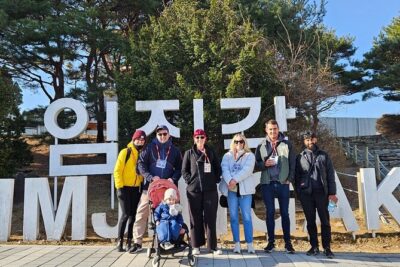
The day begins at Imjingak Resort, a place that sets the tone quickly. This isn’t just about what happened—it’s about what it meant for families and memory.
You look through four key points, including:
- Mangbaedan Altar, tied to ancestral rites performed by people who left family and hometowns in North Korea.
- A steam locomotive destroyed during the Korean War, a blunt reminder that this conflict isn’t ancient history—it’s physical.
You’ll also spend about 40 minutes here. That gives you just enough time to take in the setting without feeling like you’re stuck in a museum loop. I like this start because it helps you “read” the rest of the day. When you later stand near the DMZ sites, you’re not just collecting landmarks—you’re connecting them to why people still talk about separation, return, and loss.
Imjin River Dokgae Bridge: the war scar you can actually stand near
Next up is the Imjin River Dokgae Bridge, which is part of the DMZ essential course. This bridge used to be a railway route that could take trains north across the Imjin River—but it was damaged during the Korean War. What remains are the piers.
That matters because the DMZ doesn’t feel real until you see how the war reshaped the physical world. A half-ruined structure tells a story better than a photo ever will. You’ll spend around 20 minutes here, long enough to understand the point and take a couple of meaningful shots.
Entering the DMZ area: ID checks and the pace shift
![[DMZ Adventure] DMZ and optional Boat Voyage in River - Entering the DMZ area: ID checks and the pace shift](https://1.visitseoulkorea.com/wp-content/uploads/dmz-adventure-dmz-and-optional-boat-voyage-in-river-4.jpg)
Before you go into the DMZ area, there’s an ID check step. You’ll want a valid passport on the day of travel—no shortcuts here. Plan to move calmly and follow instructions quickly, because DMZ entry works best when the group stays together.
Once you’re in the controlled area, the pace changes. There’s less wandering, more “here, look, listen.” This is why having a guide and a set route is a big value add.
If you’re planning photos, remember that DMZ viewing can be very dependent on where you stand in line, and what’s permitted at that moment. I’d keep your expectations flexible and focus on listening for the meaning behind each view point.
The Third Tunnel walk: the most intense stop on the route
![[DMZ Adventure] DMZ and optional Boat Voyage in River - The Third Tunnel walk: the most intense stop on the route](https://1.visitseoulkorea.com/wp-content/uploads/dmz-adventure-dmz-and-optional-boat-voyage-in-river-5.jpg)
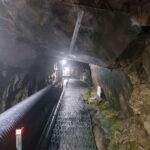
Then comes the Third Tunnel, one of the most talked-about parts of DMZ touring. This is a walking course into the tunnel. Even without theatrics, the numbers make it feel personal: the passage is roughly 1.95 meters high and 2.1 meters wide, and the tunnel is about 1,635 meters long.
That translates to a very specific experience:
- You’ll be in a tight, dim space where you feel the scale through your body.
- You’ll move step-by-step, so you can’t treat it like a quick photo stop.
- It’s not “museum calm.” It’s more like a controlled walk through a real piece of military engineering.
You should have moderate physical fitness for this, especially if you don’t love long enclosed walks or you’re sensitive to tight spaces.
Also note the schedule twist: on Mondays, the tour visits the 2nd Tunnel instead of the 3rd. If you’re choosing dates based on the tunnel itself, that’s worth thinking about early.




Dora Observatory: the pay-off view toward the North
![[DMZ Adventure] DMZ and optional Boat Voyage in River - Dora Observatory: the pay-off view toward the North](https://1.visitseoulkorea.com/wp-content/uploads/dmz-adventure-dmz-and-optional-boat-voyage-in-river-6.jpg)
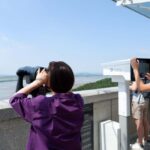
After the tunnel, the day shifts again—this is where the views become the headline. At Dora Observatory, you get the chance to see areas to the north from the western front: including the Gaeseong Industrial Complex and Songhaksan Mountain, all from one view.
You’ll have about 45 minutes here. That’s long enough to settle in, absorb what you’re seeing, and catch the guide’s explanation while you’re standing in the right spot.
Two tips for getting the most out of Dora:
- Give your eyes time to adjust. Distance views aren’t instant, especially if the day is hazy.
- Treat the guide’s orientation like a map. When you know what you’re looking for, the view becomes more than a direction.
Clouds and fog are real issues on DMZ days. The tour can still be great even when visibility isn’t perfect, but your “wow” factor at Dora depends on the weather that day.
Optional Imjin River boat and Paju: a softer angle on hard borders
![[DMZ Adventure] DMZ and optional Boat Voyage in River - Optional Imjin River boat and Paju: a softer angle on hard borders](https://1.visitseoulkorea.com/wp-content/uploads/dmz-adventure-dmz-and-optional-boat-voyage-in-river-7.jpg)
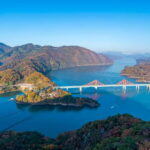
If you upgrade, your day gets an extra dimension: time on the river. The add-on includes Paju, where the river area finally opened to public after being closed to the general public for decades.
The river ride is about 50 minutes and uses a traditional boat on the Imjin River. The appeal is simple: instead of only looking north from lookout points, you’re seeing how the river corridor fits into the geography.
A practical note: operations can change. On some days, the boat part may not run on schedule. When that happens, the day doesn’t stop—it typically swaps to an alternative river-related viewpoint. So I’d treat the boat as the plan, not a guarantee.
Still, if your schedule allows it and you care about getting a different perspective, this is the upgrade I’d lean toward.
The guide makes the difference: what to expect from the tour style
![[DMZ Adventure] DMZ and optional Boat Voyage in River - The guide makes the difference: what to expect from the tour style](https://1.visitseoulkorea.com/wp-content/uploads/dmz-adventure-dmz-and-optional-boat-voyage-in-river-8.jpg)
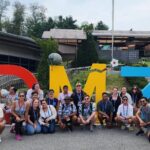
This is led by a licensed professional tour guide, and the reviews you shared strongly point to one thing: the guide experience is a core part of the value.
You’re looking for more than facts. On a DMZ tour, you need help translating what you see into a coherent story—especially when the subject is heavy and the visuals are distant. Guides named Paul, Julie, Lucy, and JUN show up in the feedback you provided, and the consistent theme is how clearly and energetically they keep the day moving.
What that means for you: if your guide is strong, you’ll feel like you’re not just standing at stops—you’re learning to connect them. If your guide is weaker, the same stops can feel choppy.
If you want to maximize your chance of a great day, come with questions ready. Ask about what you’re seeing from Dora, or what the tunnel’s dimensions imply. When you ask, you’ll usually get a better explanation than “on we go.”
Timing and pacing: how much you’ll feel “on the move”
Expect a day with several structured segments: roughly 40 minutes at Imjingak, 20 minutes at Dokgae Bridge, then the DMZ area activities, then Dora, and optional Paju/boat.
The total time range of 6 to 9 hours matters because it tells you how much you can realistically squeeze into the rest of your itinerary. If you have dinner plans, I’d schedule them for later that evening, not right after pick-up time.
Also remember: the DMZ is weather-dependent. The experience itself notes that it requires good weather, and that the schedule can change due to things like military training schedules, traffic, and weather. That’s not a reason to skip it. It’s a reason to book with calm expectations and flexible planning.
And yes, it’s a long day, so pack for comfort. You’re standing and walking more than you think.
What you pay ($35) and why it’s decent value
At $35 per person, this tour is priced like a budget-friendly way into a hard-to-reach experience. The value comes from what’s included: DMZ admission fees, a licensed guide, and roundtrip transfer from Seoul.
Many “cheap” tours lose value by charging you for tickets later or by making you do too much yourself. Here, the biggest expensive part—DMZ entry—comes bundled. That’s the main reason the price works for many people.
The optional boat upgrade gives you a way to add one more meaningful experience without changing the overall structure of the day.
If you only want the essentials, you can keep it lean. If you want the full sensory picture (tunnel, observatory, and river), you can pay a bit more for the added time on the water.
Who should book this DMZ tour
This is best for you if you:
- Want a big, organized overview of key DMZ sites without arranging transport and entry details.
- Like guided context, not just photos.
- Are traveling on a schedule where you don’t have the time for multiple day trips.
It may be less ideal if you:
- Need lots of unstructured free time (this tour is built on set stops).
- Are very sensitive to enclosed spaces, since the tunnel walk is part of the core experience.
- Absolutely must have perfect weather-day visibility (Dora Observatory depends on conditions).
If you’re traveling with teens or older kids, the structure can work well because there’s a clear beginning, middle, and “view payoff,” but do keep expectations realistic about distance and fog.
Should you book DMZ and the optional boat?
I think this is a solid booking when you want maximum value from a single Seoul day. The included DMZ admission and roundtrip transfers make it hard to beat. If you can handle a long day and you’re ready for the emotional weight of the subject, the tunnel and Dora Observatory stops are the kind of experience that stays with you.
I’d upgrade to the boat if you want another way to “feel” the geography. If you’d rather keep the day simple, the essential course still hits the major checkpoints.
My decision rule: if you can be flexible about visibility and possible route changes, book it. If you need a guaranteed boat ride no matter what and a guaranteed clear horizon, you should book with lower expectations or reconsider.
FAQ
How long is the DMZ and optional boat tour?
It runs about 6 to 9 hours total.
Where do you get picked up in Seoul?
You can choose between two central pickup locations in Myeongdong or Hongdae.
Is the DMZ admission fee included?
Yes. Admission fees to the DMZ are included.
Do I need a passport?
Yes. A current valid passport is required on the day of travel.
Is lunch included?
No. Lunch is not included.
Is the boat cruise required?
No. The boat voyage is optional and comes with an upgrade. The base tour focuses on the DMZ sites.
Which tunnel do you visit on Mondays?
On Mondays, the tour visits the 2nd Tunnel instead of the 3rd.
What else is included besides entrance fees?
You get a licensed professional tour guide and roundtrip transfer from Seoul. (Hotel pickup for groups of 10+ is also included.)
Do I need good weather?
Yes. The experience requires good weather and may be changed or refunded if weather cancels it.
How many people are in the group?
There’s a maximum of 43 travelers.