REVIEW · BBQ
Small-Group Night Food Tour in Seoul with Korean BBQ
Book on GetYourGuide →Operated by O'ngo Food Communications · Bookable on GetYourGuide
Seoul street food feels like a map you can taste. This small-group night food tour strings together classic stops in Jongno-gu with a real local-food rhythm: BBQ, pancakes, spicy rice cake stew, and market bites you can’t easily assemble on your own.
I especially like two things. First, the tour mixes different neighborhoods and food types, not just one market-and-hope plan. Second, the guide matters: Chris (mentioned in past tour experiences) sets a friendly pace and explains what you’re eating so each stop lands instead of blending together.
One consideration: this is a walking tour with lots of food and alcohol tastings, so if you’re sensitive to strong flavors or prefer a slower pace, you’ll want to plan accordingly and share any dietary limits up front.
In This Review
- Key things you should know before you go
- Where Jongno-gu turns into a food route
- Meeting at Anguk Station and why the pace feels right
- Insadong: Beer, BBQ, pancakes, and the core Korean flavors
- Ikseondong Hanok Village: Tea and dessert between savory bites
- Gwangjang Market: Pancake cravings and small-bite strategy
- Korean BBQ: What makes it more than just grilled meat
- Soju and Korean rice wine tastings: Drink smart while walking
- How much is this tour really worth at $96?
- Who should book this small-group night food tour
- A possible drawback to keep in mind
- Should you book this Seoul night food tour?
- FAQ
- Where does the tour start?
- How long is the Seoul night food tour?
- What is the group size limit?
- What’s included in the dinner and tastings?
- Does the tour visit a hanok village?
- Are vegan, vegetarian, or halal options available?
- Is there free cancellation?
- What language is the guide?
Key things you should know before you go
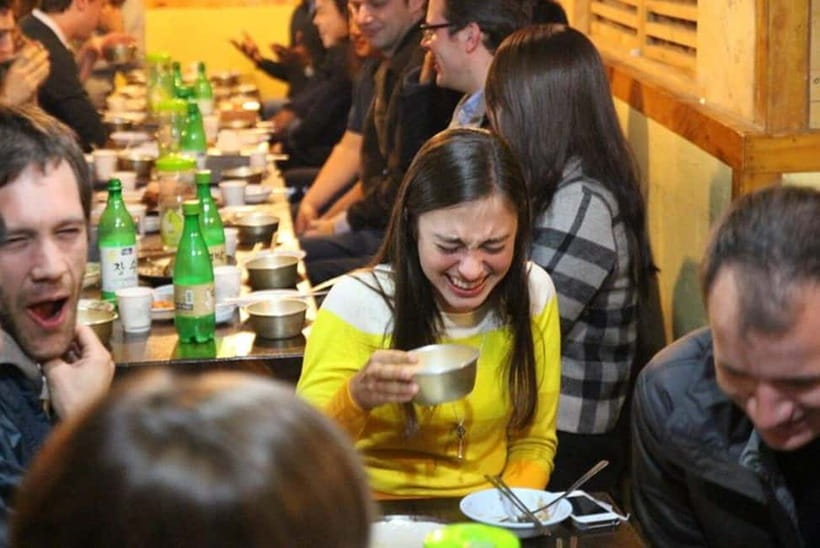
- Small group of up to 12 keeps the vibe relaxed and makes Q&A actually happen
- 3-course dinner plus tastings means you’re not hunting for your own meal afterward
- Insadong to Ikseondong to Gwangjang Market covers both street-food energy and hanok atmosphere
- Korean BBQ and savory pancakes hit two essential comfort-food lanes
- Soju and Korean rice wine tastings give you a guided way to drink responsibly while walking
- Hanok village stop for tea, dessert, and local snacks adds a breather between heavier bites
Where Jongno-gu turns into a food route
Jongno-gu is one of those areas where the city feels concentrated: old streets nearby, modern life close by, and plenty of places to eat without long detours. For you, that matters because the tour is designed around flow. You’re not standing around waiting for transportation or trying to figure out which alley sells what.
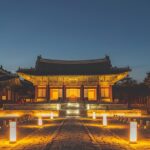
The route also gives you a smart mix of settings. You get street-food style bites, a traditional hanok village moment, and a real market stop where foods come in small portions you can sample without committing to one huge dish.
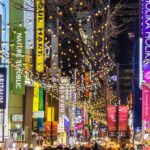
And since it’s a night tour with dinner included, it’s built for people who want the full Seoul feeling after daylight. You get to see how the neighborhood changes when the lights come on and when people eat with less rush.
You can also read our reviews of more food & drink experiences in Seoul
Meeting at Anguk Station and why the pace feels right
You start at 안국역 (Anguk station), Exit 5. The guide will be there waiting, and the tour starts from the streets, not from a classroom. That’s good because you’ll learn faster when you’re standing in the context you’re tasting.
The total duration is 210 minutes. In practical terms, that’s long enough to feel like a proper evening, but not so long that you’re exhausted by the halfway point. The small-group size (limited to 12 people) helps keep the pace humane. You should expect plenty of walking, but it’s paced for eating and listening.
Also, do yourself a favor: show up on time. The tour info is clear that if you’re late, you may miss participation in the program. Seoul crowds are real, and “just a few minutes” can become a scramble.
Insadong: Beer, BBQ, pancakes, and the core Korean flavors
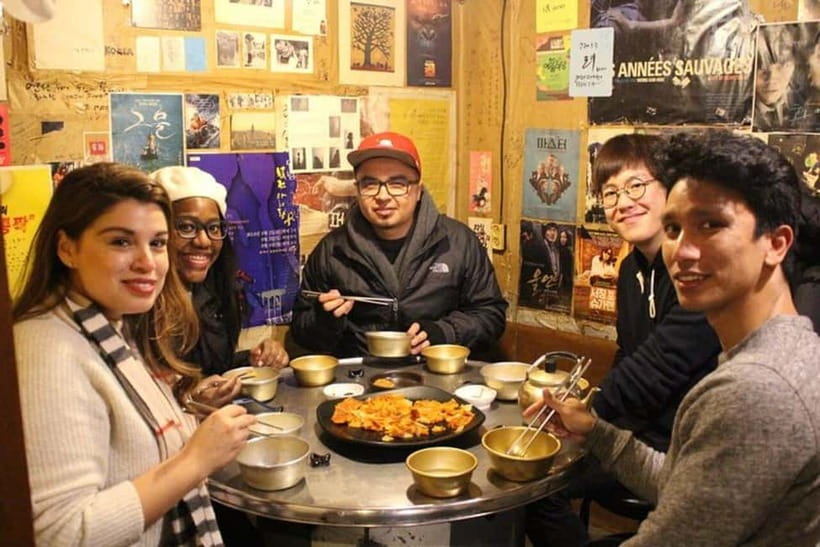
Insadong is where many people first get their bearings for Korean street food, and the tour uses it as the warm-up engine. You’ll spend time in the area with food stops that focus on regional tastes—then shift into a more dinner-centered segment.
Here’s what you can expect in this portion of the evening:
- A beer and dinner/BBQ stop in Insadong
- Korean favorites that typically show up on the table as a mix of savory and spicy
The big value in this section is that you’re not just eating one “famous” dish. You’re building a base understanding of how Korean flavors work: salty-sweet balance, fermented tang (like kimchi), and that smoky-savor rhythm that Korean BBQ does so well.
If you’re new to Korean food, this part is your orientation. You start recognizing patterns: how spicy rice variations behave, how grilled flavors pair with cooling sides, and how pancakes can be a savory comfort rather than a sweet-only thing.
If you’re already a Korean-food fan, you’ll still benefit from the guided order of operations. BBQ and pancakes are not random stops here; they’re anchors for the rest of the tasting.
Ikseondong Hanok Village: Tea and dessert between savory bites
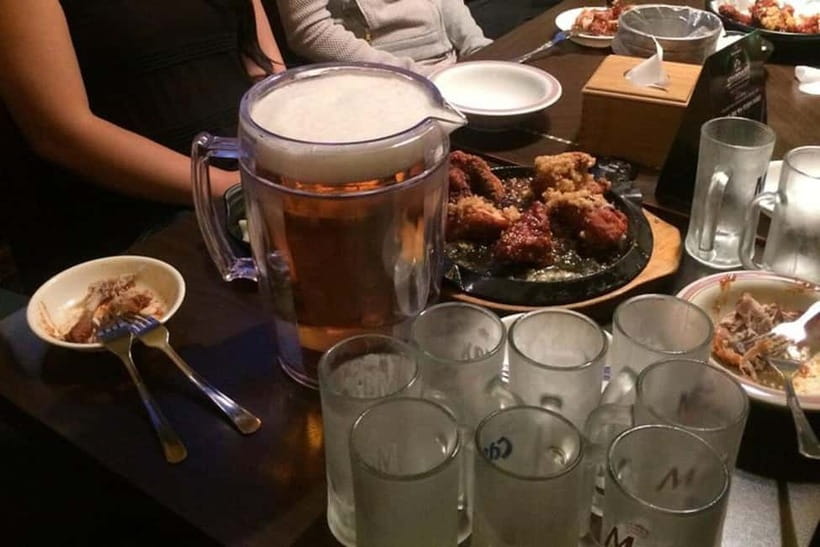
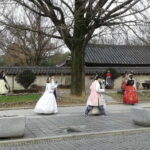
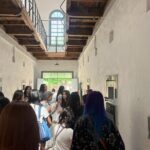
After the heavier food energy, the tour moves to Ikseondong Hanok Village, where the mood shifts. Instead of more street-market intensity, you get a calmer pause with traditional atmosphere.
This stop includes:
- Tea
- Dessert
- Local snacks
The best part about adding a hanok village break is that it refreshes your palate. You’re still tasting, but you’re not constantly eating the most intense items back-to-back. That matters when your dinner includes multiple tastings and you’re also trying Korean alcohol.
Think of it like good pacing in a great meal: you’re giving your taste buds room to reset so the next bites actually register.
Also, this is a good moment for photos and for appreciating the architecture style up close—without turning the whole tour into a sightseeing lecture.
Gwangjang Market: Pancake cravings and small-bite strategy
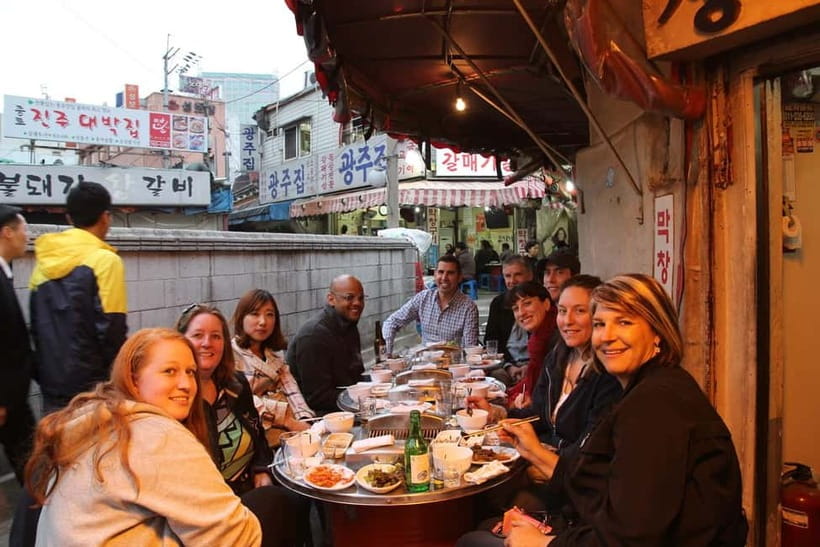
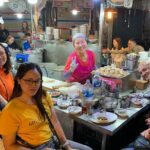
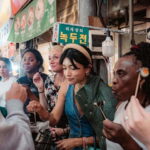
Next up is Gwangjang Market, one of Seoul’s most famous food markets. This is where the tour becomes about variety and technique. Markets are loud, fast, and packed, so having a guide who keeps you moving (and helps you order the right things) is a real time saver.
This portion lasts about 30 minutes as a food market visit, which is a smart length. Long enough to get the feel and taste multiple items, short enough that you’re not overwhelmed.
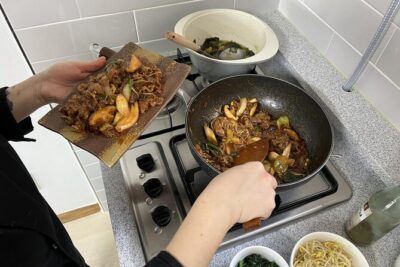
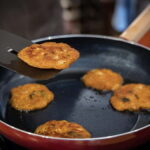
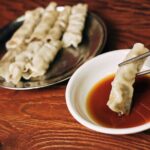
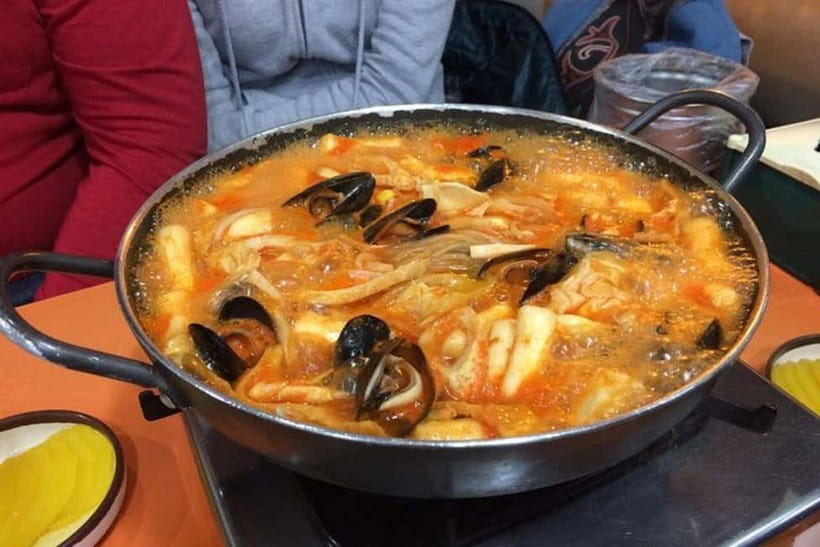
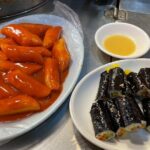
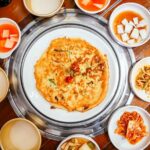
A highlight here is the chance to try foods like savory pancakes and other market-style specialties. The tour also mentions spicy rice cake stew as part of the tasting mix overall, so depending on what’s available during your visit, you may see that kind of bold, chewy texture in the lineup.
Market food tastes best when you treat it like sampling, not like one big plated meal. You’ll get a more accurate picture of Korean street-food culture this way: crunchy outside meets soft inside, sauce does the heavy lifting, and the best bites often come in small formats.
You can also read our reviews of more tours and experiences in Seoul

Korean BBQ: What makes it more than just grilled meat
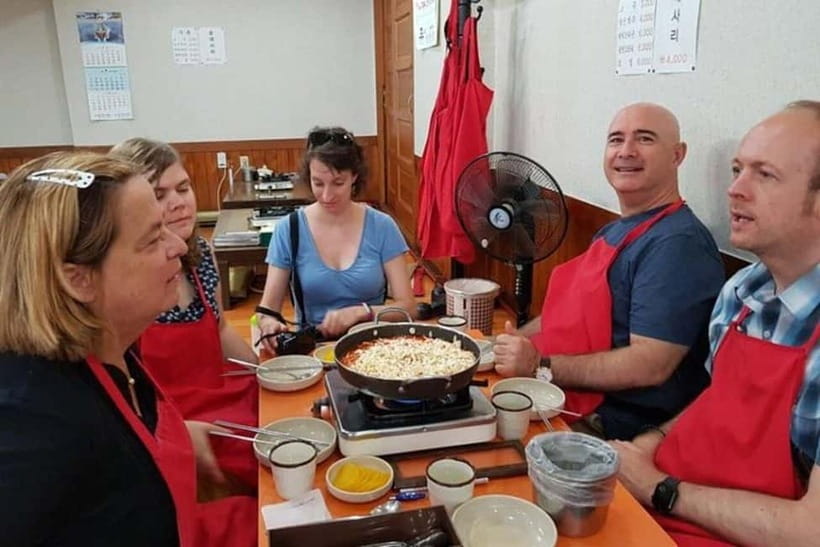
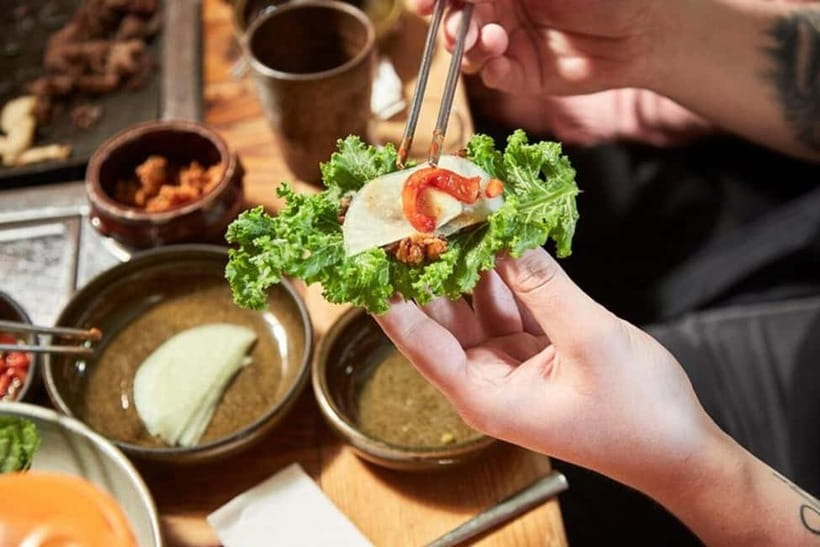
Korean BBQ is one of those foods that can either be great or frustrating, depending on what you know going in. On this tour, it’s handled the sensible way: you’re guided through what you’re eating and why it works.
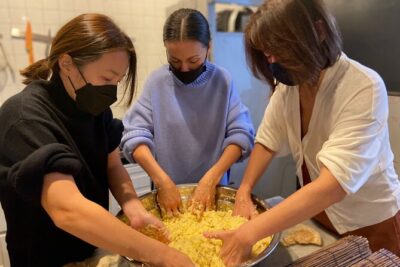
In the BBQ segment, you’ll be tasting as part of a small-group dinner experience. That’s helpful because BBQ usually requires rhythm—how to order, how to pair bites, and when to switch flavors. Without guidance, you can end up eating in the wrong order or missing side dishes that balance the meal.
Soju, beer, and the overall tasting structure make this section especially useful. You learn which flavors to pair with which drinks. You also get a chance to try fermented tang like kimchi alongside grilled and starchy comfort foods.
If you like BBQ already, you’re going to feel at home fast. If you’re not sure, this is one of the safest ways to try it. You’re not left alone at a grill table with menus and no plan.
Soju and Korean rice wine tastings: Drink smart while walking
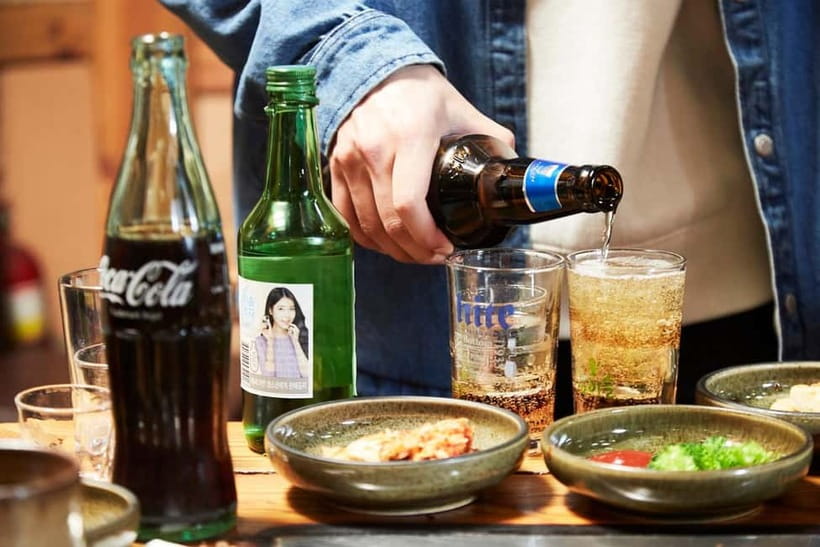
This tour doesn’t treat alcohol like an optional add-on. It’s built into the tasting. You’ll have tastings including soju and traditional rice wine, plus Korean beer and soft drinks.
That’s valuable because it gives you structure. You’re not trying to figure out what to order by yourself in a crowded area, and you’re not guessing how strong something is. You also get to learn the context of these drinks in Korean food culture—why they’re served, how they pair, and what they do to your meal experience.
Practical note for you: even though tastings sound small, your body still feels them. Eat slowly at each stop, drink water between tastings if you need to, and pace yourself. The tour is about enjoying the flavors, not racing through them.
One more reason this works well at night: these drinks tend to pair naturally with grilled meats, savory pancakes, and spicy items. That’s exactly what you’ll be eating, so the pairings make sense.
How much is this tour really worth at $96?
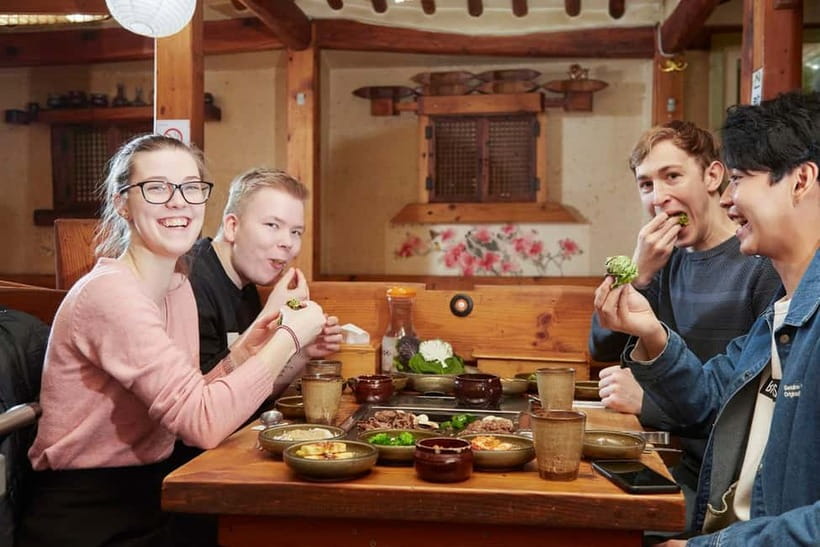
$96 per person is the price point to look at, but value comes from what’s included.
Here’s the value equation as I see it:
- You’re getting a guided walking route with a local English-speaking guide
- 3-course dinner is included
- You also get alcohol tastings (soju, Korean beer, traditional rice wine) plus soft drinks
- You’re not only hitting one market stop; you get a hanok village segment too
If you tried to recreate this on your own, you’d pay for dinner, pay for individual drinks, and spend your time figuring out where to go next. A guided small-group format gives you a planned sequence that prevents you from wasting time.
In short: this is most worth it if you want Korean food as a curated evening experience—where someone else handles pacing and ordering, and you focus on eating.
Who should book this small-group night food tour
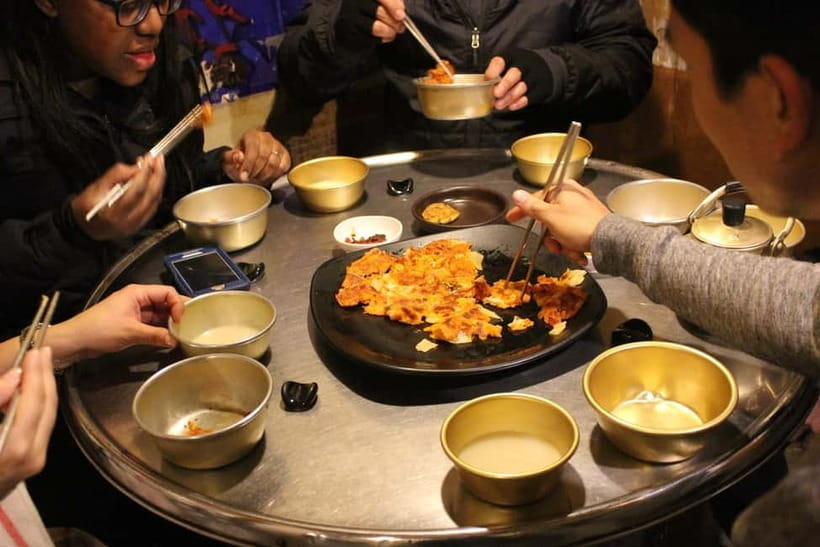
This tour is a strong fit if you:
- Want a guided introduction to Korean street food and BBQ culture
- Prefer small-group experiences over big bus tours
- Like trying multiple items in one night rather than searching for one perfect restaurant
- Enjoy learning from a guide while you’re eating, not after the fact
It’s also a good option if you’re staying in or near central Seoul and want a night plan that’s structured but not rigid.
A possible drawback to keep in mind
The main thing to plan for is sheer food volume and the presence of alcohol tastings. Even though it’s a guided experience, you should expect multiple stops and multiple bites in a walking format.
If you have dietary needs, you’ll want to communicate them in advance. The tour info says vegan, vegetarian, and halal options are available when private. For your comfort, message the provider about restrictions before the tour rather than hoping it works out day-of.
Should you book this Seoul night food tour?
If you want an easy way to eat your way across Insadong, Ikseondong Hanok Village, and Gwangjang Market in one evening, I think this is a smart booking. The small-group size, the inclusion of 3-course dinner, and the guided tastings of soju and Korean rice wine make it feel like real value, not just a snack walk.
Book it especially if you like variety and you want someone to translate the food culture as you go—because that’s what turns a list of dishes into an actual experience.
FAQ
Where does the tour start?
The tour starts at Anguk Station (안국역), Exit 5.
How long is the Seoul night food tour?
The duration is 210 minutes.
What is the group size limit?
The tour is a small-group experience limited to 12 people.
What’s included in the dinner and tastings?
It includes a 3-course dinner and alcoholic beverages tastings such as soju, Korean beer, traditional rice wine, plus soft drinks.
Does the tour visit a hanok village?
Yes. You visit Ikseondong Hanok Village, with tea, dessert, and local snacks.
Are vegan, vegetarian, or halal options available?
Vegan, vegetarian, and halal options are available when private. The tour asks you to inform them of dietary restrictions in advance.
Is there free cancellation?
Yes. You can cancel up to 24 hours in advance for a full refund.
What language is the guide?
The tour has a live English-speaking guide.