REVIEW · SEOUL
Gwanghwamun Tour l 120 minutes to Understand Local Korean Society
Book on Viator →Operated by SeoulDude's Walking tours · Bookable on Viator
Seoul history, mapped on a simple 2-hour walk. This Gwanghwamun tour makes Korea’s past feel practical, as guide June connects big ideas to the places you can actually see.
I especially love the way you get clear, structured explanations that stay easy to follow even when the topics turn political. I also like that the walk is short enough to keep your energy up, with free entry at every stop and a simple route through central Seoul.
One consideration: it’s mostly easy walking, but you will hit a few uphills, so wear comfy shoes and plan for steps.
In This Review
- Key highlights you can’t miss
- Why Gwanghwamun Works for Real Korea
- Meet June: A Historian Who Keeps It Clear (and Human)
- Price and Logistics for a 120-Minute Seoul Walk
- Stop 1: Gwanghwamun Square and the Weight of the Joseon Era
- Stop 2: The U.S. Embassy and How Korea Thinks About Influence
- Stop 3: Samcheongdong-gil for the Story Inside Modern Working Life
- Stop 4: Bukchon Hanok Village and the Fight Between Preservation and Growth
- Stop 5: University of North Korean Studies and the North Korea Lens
- The Big Themes You’ll Walk Away Understanding
- How the Walk Feels Day-to-Day: Pace, Questions, and Group Energy
- Who This Tour Fits Best
- Should You Book the Gwanghwamun Tour with June?
- FAQ
- How long is the Gwanghwamun tour?
- Where does the tour start and end?
- What time does the tour run?
- How much does it cost?
- Do I need to buy tickets for each stop?
- Is the tour difficult to walk?
- Is it a small group?
- What format is the ticket?
- What if the weather is bad?
- What is the cancellation window?
Key highlights you can’t miss
- June’s 2-hour pace: structured like a mini lecture-walk, not a stop-and-hope shuffle
- Gwanghwamun Square to Bukchon: old Joseon-era Seoul right next to modern city life
- Unexpected stop: the University of North Korean Studies, focused on how South Korea thinks about the North
- Everyday culture connections: age hierarchy, coffee habits, and spa culture tied back to history
- Small group size: capped at 20, which makes questions feel normal, not awkward
- Ends near the Blue House: you finish at the President’s House area, right where many big national stories orbit
Why Gwanghwamun Works for Real Korea
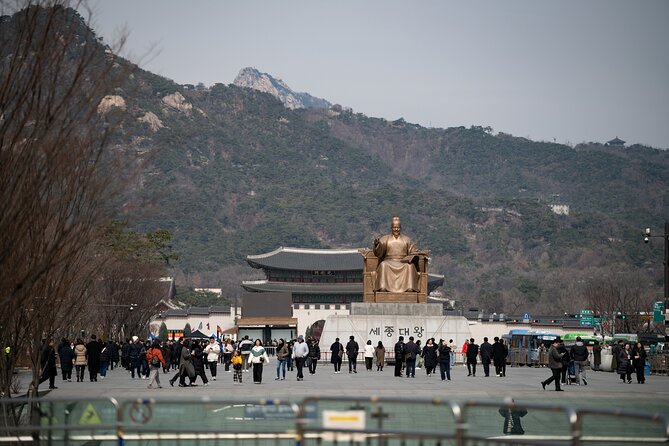
If you want Seoul without spending half your trip riding buses, start in the Gwanghwamun area. This is the city center that has mattered for centuries, where old political power and current daily life stand side by side. You’ll notice it fast: one minute you’re near monuments and government symbolism, the next minute you’re on side streets with cafes and snack stops.
What I like about this tour’s focus is that it doesn’t treat history like museum glass. Instead, it uses each stop as a prompt: What shaped Korean society? Why do people today hold certain values? And how do those values show up in how Koreans behave with age, work, and even free time?
Guide June is the main reason this approach lands. In the feedback you can see a pattern: people describe his explanations as easy to follow, often funny, and very organized. That matters because political and social topics can get heavy fast—his job is to keep them understandable while still respectful.
You can also read our reviews of more tours and experiences in Seoul.

Meet June: A Historian Who Keeps It Clear (and Human)
This is a walking tour with a historian-guide feel. You’ll spend about 120 minutes on foot, and the style is intentionally not overwhelming. June breaks things into digestible pieces tied to the exact location in front of you, which helps your brain connect dots instead of memorizing dates.
Two things really come through from the experience details:
First, the teaching style is described as clear and structured, with humor sprinkled in. That’s a smart combo for a short tour—especially if you’re not planning to read a textbook afterward.
Second, there’s time for questions. The group stays small (max 20), so you’re not just passively listening. You can ask about mindset, history, or modern politics as it relates to what you’re seeing on the ground.
And at the end, June is noted for sharing personal tips based on what you’re interested in. That’s a practical value-add—because one good tour should also help you plan the rest of your Seoul days.
Price and Logistics for a 120-Minute Seoul Walk
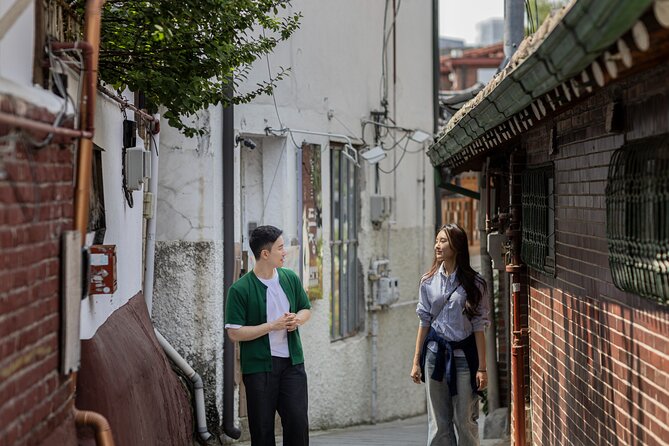
At $14.10 per person for roughly 2 hours, this is priced like a budget-friendly orientation with real depth. The value isn’t only the cost—it’s the structure: several major stops in central Seoul, free admission at each place, and a guide who ties politics and culture together instead of just showing views.
A few logistics that affect how smooth your day feels:
- Mobile ticket: less hassle than printed vouchers
- Start time: 10:30 am
- Group size: up to 20 people
- Meeting point: Gwanghwamun Square (172 Sejong-daero, Jongno District)
- Finish point: in front of the Blue House (1 Cheongwadae-ro)
You’ll also want to know the walking reality: it’s described as an easy walk overall, with only a few courses that go uphill. In plain terms: you’ll manage fine if you’re used to city walking, but bring shoes you trust.
Stop 1: Gwanghwamun Square and the Weight of the Joseon Era
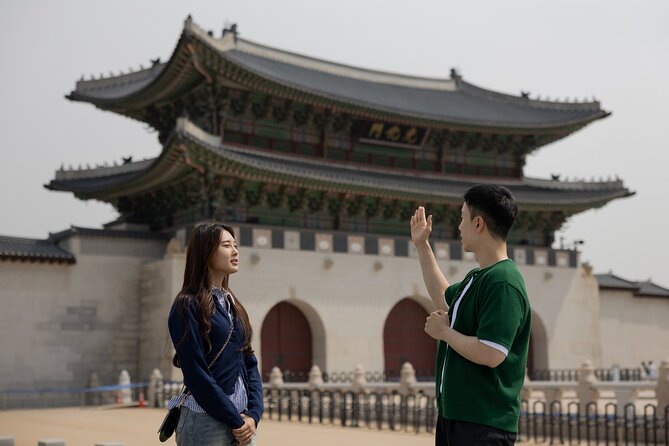
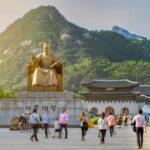
Your tour starts at Gwanghwamun Square, in the heart of Seoul. This area is tied to the core of Korea’s older power structure, especially the Joseon kingdom period. Standing here helps you understand why this part of the city became the reference point for so much governance and public symbolism.
The way this stop is used is the real trick. Instead of turning it into a generic “here’s what this monument is” moment, June frames it as a gateway to Korean society. You’re meant to connect history to habits and values, not just absorb facts.
If you enjoy big-picture context, this is a strong opener. It sets the tone for why the rest of the walk is about more than sightseeing.
Stop 2: The U.S. Embassy and How Korea Thinks About Influence
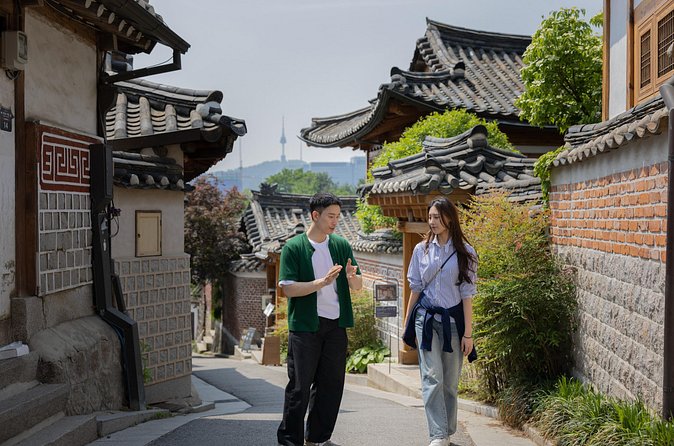
Next up is the U.S. Embassy & Consulate area. This stop shifts the focus from ancient roots to modern relationships. The tour uses this location to talk about U.S. influence over time—and, more importantly, how Koreans think about the relationship today.
This is where the tour can feel extra relevant, especially if you’re curious how international relationships shape everyday attitudes. The goal isn’t slogans; it’s understanding the perspectives Koreans develop when history and modern politics keep overlapping.
One practical note: because this area is tied to government infrastructure, you may want to keep your expectations realistic for what you can see up close. The value here is the explanation and context you receive as you stand in the area, not wandering around inside anything.





Stop 3: Samcheongdong-gil for the Story Inside Modern Working Life
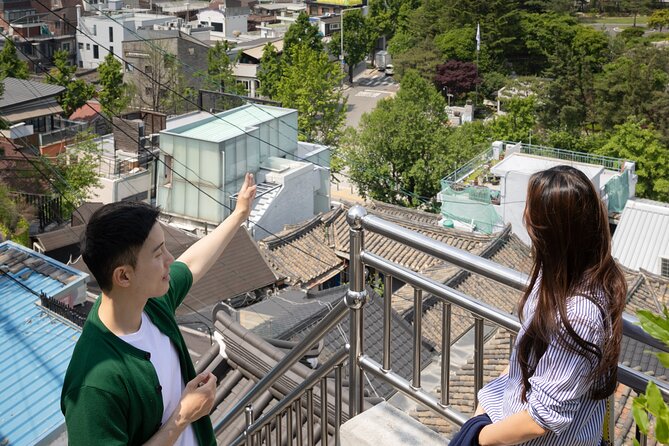
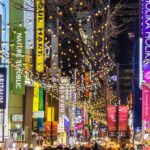
Then you’ll move through Samcheongdong-gil Road, known for its retro-style street vibe—shops, restaurants, and the kind of busy-but-walkable energy that makes central Seoul fun. This stop is used as a bridge: modern development and its side effects.
June connects the area to working culture. That sounds abstract until you’re walking past storefronts and thinking about daily rhythms—how people spend time, how workplaces shape schedules, and how culture becomes visible in daily choices like where you eat and how you socialize.
If you like your culture explanations grounded in real life, this stop helps. It’s not just about buildings; it’s about how society reorganizes itself around modern life.
Stop 4: Bukchon Hanok Village and the Fight Between Preservation and Growth
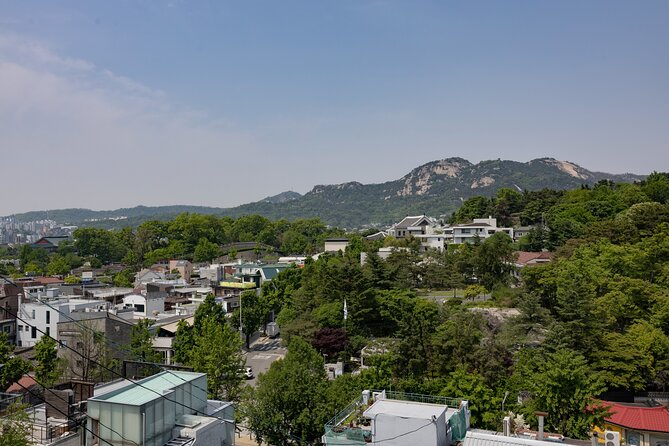
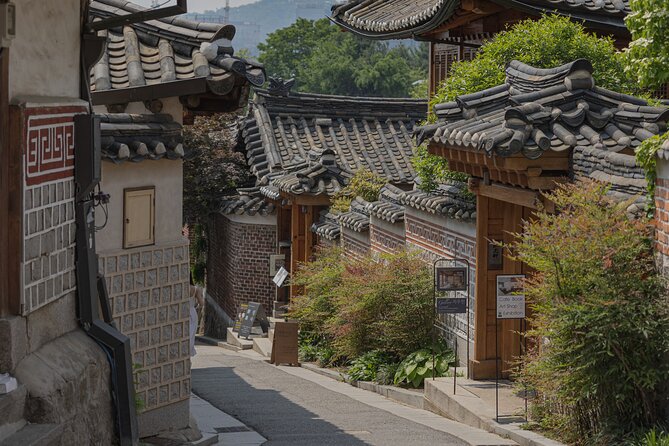
Bukchon Hanok Village is where the “history versus change” theme gets physical. Hanok homes represent traditional architecture and the visual feel of older Seoul. But the tour doesn’t treat Bukchon as a static postcard. It talks about tensions between development and preservation.
That’s a valuable angle because you can walk through places like this and still miss the social question underneath. Here, the idea is: how does a society honor what it was, while still building what it needs now?
You’ll spend about 25 minutes at this stop, which is a solid chunk for understanding the story without feeling rushed. Since this is a walking experience, the tradeoff is that you should expect some uneven pacing—especially if you move slower through dense streets.
Stop 5: University of North Korean Studies and the North Korea Lens
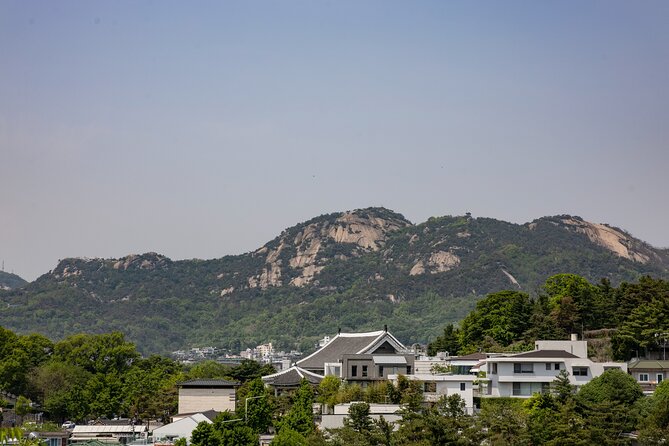
This stop is the one many Seoul walks don’t include. The University of North Korean Studies is described as specialized only for North Korea, and the tour uses it to look at the relationship and how South Koreans think about the North.
This is not a casual detour. It’s a strong thematic close: your earlier stops set up Korean identity, modern influence, and cultural values. Now the tour focuses on one of the biggest political realities shaping the peninsula—and the way that reality filters into everyday mindset.
If you want to understand South Korea beyond stereotypes, this stop gives you a concrete place to anchor the conversation. And because the tour is only about two hours total, you’ll still finish feeling you got something new rather than feeling lectured.
The Big Themes You’ll Walk Away Understanding
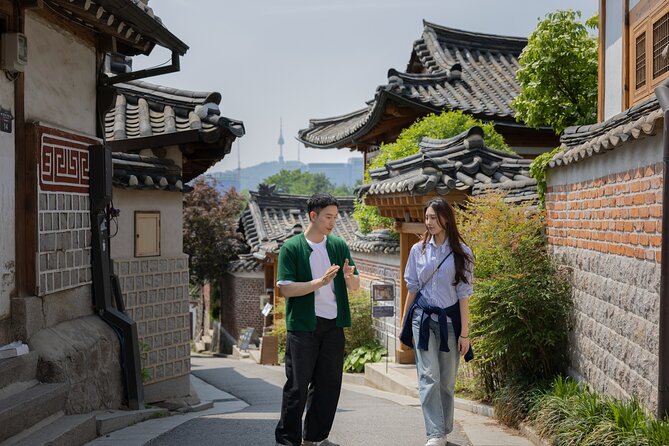
The itinerary is location-based, but the learning themes are clearly social. By the end, you’re meant to have a better grasp of how history connects to daily life.
Here are the types of connections the tour makes explicit:
- Korean age hierarchy: how respect and social roles show up in real behavior, not just theory
- Coffee culture: why social spaces matter and how modern lifestyle fits older values
- Spa culture: community, relaxation, and social norms as part of everyday life
- Confucian values and modern capitalism: linking Joseon-era principles to post–Korean War economic and social change
What I appreciate is that this doesn’t stay in the past. The tour ties ideas to present-day culture, which helps you interpret what you see in Seoul right after the walk ends.
How the Walk Feels Day-to-Day: Pace, Questions, and Group Energy
This is designed to stay easy to follow. The duration is short enough that you don’t lose focus, and the stops are close enough for a smooth flow. Plus, the group size keeps the experience personal.
In the feedback, people often describe June’s explanations as clear and sometimes funny, even when the topic is serious. That’s not just entertainment value—it’s a learning tool. Humor and clarity reduce the intimidation factor of political history.
If you’re traveling solo, this kind of tour is also a smart choice. Short, structured walks make it easy to talk to your guide and other participants without feeling like you’re stuck in a long group outing.
Who This Tour Fits Best
This tour is a strong fit if you want:
- a short introduction to Korean society that goes past surface-level facts
- a walk focused on history + modern culture connections
- a guide who can handle political topics in a structured way
It’s especially good for first-timers who already know they want more than the usual Seoul highlights. And it’s also good if you’ve been in Seoul a few days and feel like you still don’t understand the “why” behind the daily rhythm.
If you only want photos and landmark hopping with zero context, you might find this too idea-driven. But if you enjoy learning while walking, it hits the sweet spot.
Should You Book the Gwanghwamun Tour with June?
I’d book it if you want a high-value, 2-hour learning walk in central Seoul. The price feels fair for what you get: multiple major stops, free entry at each stop, and an explanation style that keeps politics and culture readable.
Book it sooner rather than later if your dates are fixed—this one is described as commonly booked about 18 days in advance, which suggests it sells out more often than you’d expect for a walking tour.
Skip it only if you strongly dislike walking uphill at all, or if you want a purely sightseeing-based tour with minimal talking. Otherwise, this is one of the best ways to understand South Korea fast—without cramming your day with extra transit.
FAQ
How long is the Gwanghwamun tour?
It’s about 2 hours. The stops are timed to keep the walk manageable and focused.
Where does the tour start and end?
It starts at Gwanghwamun Square (172 Sejong-daero, Jongno District) and ends in front of the Blue House (1 Cheongwadae-ro).
What time does the tour run?
The start time is 10:30 am.
How much does it cost?
The price is $14.10 per person.
Do I need to buy tickets for each stop?
The details indicate admission is free at each of the listed stops.
Is the tour difficult to walk?
Most travelers can participate and the walk is described as easy, but there are some uphill sections. Comfortable shoes help.
Is it a small group?
Yes. The tour has a maximum group size of 20 travelers.
What format is the ticket?
The tour uses a mobile ticket.
What if the weather is bad?
The experience requires good weather. If it’s canceled due to poor weather, you’ll be offered another date or a full refund.
What is the cancellation window?
You can cancel for a full refund up to 24 hours before the experience start time.
![Andong Hahoe Village [UNESCO site] Premium Private Tour from Seoul - Stop 1: Andong Hahoe Folk Village walk through traditional homes](https://1.visitseoulkorea.com/wp-content/uploads/andong-hahoe-village-unesco-site-premium-private-tour-from-seoul-400x267.jpg)