REVIEW · DMZ TOURS
DMZ tour south Korea from Seoul (NK experience hall, defector)
Book on Viator →Operated by SEOUL CITY TOUR CO. LTD. · Bookable on Viator
Border history feels uncomfortably close here. From central Seoul, this DMZ trip takes you to the places that explain how the Korean War ended and why the division still shapes daily life, including stops like the Freedom Bridge and Dora Observatory. It also adds a human layer with an NK Experience Hall visit and a Q&A with a North Korean defector, so the story isn’t just concrete and plaques.
I love how the morning is built around clear, high-impact stops. Guides such as Katie and Sadie keep the information organized, and you get hands-on moments like using provided binoculars at Dora Observatory. I also love the way the day balances sights with context, especially around the 3rd Infiltration Tunnel, plus the DMZ Museum stop where you can see artifacts and photographs tied to the conflict.
One thing to consider: parts of the visit depend on conditions beyond anyone’s control, and the tunnel walk includes a steep, narrow section that can feel hot. Also, you should expect some limits at the border if access changes, so keep expectations flexible.
In This Review
- Key highlights to look for
- DMZ in a Day: What This Tour Covers from Seoul
- Getting There Without Stress: Pickup, Coach, and Timing
- Imjingak Park and Freedom Bridge: Where the War Still Shows
- The 3rd Infiltration Tunnel and DMZ Museum: Seeing the Strategy
- Dora Observatory and Kijongdong: Binoculars and Daily Life Across the River
- Dorasan Station and Unification Village: Symbols of a Future That Isn’t Here Yet
- NK Experience Hall and the Defector Q&A: The Part You’ll Carry Home
- Optional Suspension Bridges: The Red Bridge and Majang Lake Stops
- Price and Value for Your Money (Yes, $26-ish Matters)
- What to Pack and How to Prepare for the Tunnel Walk
- Who This DMZ Tour Fits Best
- Should You Book This DMZ Tour?
- FAQ
- How long is the DMZ tour from Seoul?
- What sites does the tour include?
- Are admissions included?
- Do I need a passport?
- Is hotel pickup included?
- How much walking is involved?
- What if military conditions affect the itinerary?
- Does this tour include the NK Experience Hall and a defector Q&A?
Key highlights to look for
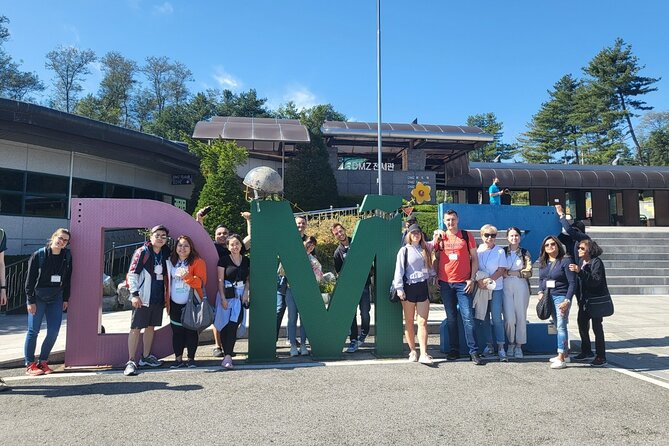
- Freedom Bridge context: You’ll hear how POW exchanges shaped the end of the war and why this spot matters.
- 3rd Infiltration Tunnel access: You get a guided walkthrough of the tunnel area, not just a photo stop.
- Dora Observatory with binoculars: You’re set up for a clearer look across the river on a good day.
- Kijongdong explained: The guide connects the model village back to what North Korean life symbolizes at this border.
- Defector Q&A + NK Experience Hall: The most personal part of the whole day, and often the one you’ll remember longest.
- Half-day or full-day flexibility: You can tailor your schedule, with full-day options adding suspension bridge stops.
DMZ in a Day: What This Tour Covers from Seoul
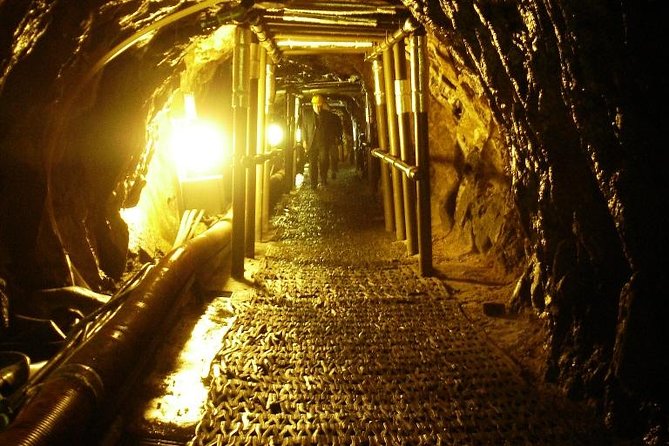
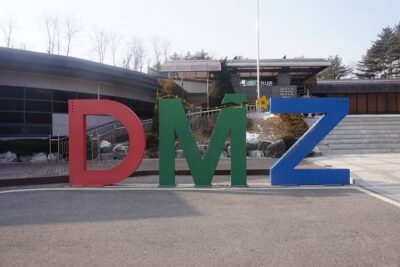
This is a structured DMZ day trip that trades long train rides and complicated transfers for a single, coach-based route north of Seoul. You start in the city (the tour finishes back at Seoul City Hall), and then you spend the majority of your time at the key DMZ-related sites: Imjingak Park, Freedom Bridge, the 3rd Infiltration Tunnel, the DMZ Museum, and Dora Observatory. From there, the standard flow continues through border-area symbolism like Dorasan Station and Unification Village.
What makes this version worth a close look is the add-on layer. The tour title and the experience style both point to an NK Experience Hall segment and a Q&A with a North Korean defector. That combination changes the feel of the day: you still learn the history, but you also hear the reality of what division can mean to an individual life.
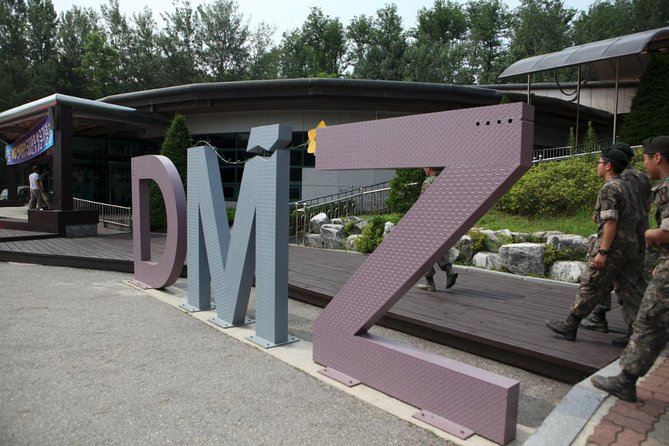
The DMZ itself is a 2.5-mile (4km) wide strip dividing North and South Korea. The practical takeaway for you is that the day moves fast, with multiple stops where the meaning is more important than how long you spend there.
You can also read our reviews of more tours and experiences in Seoul.

Getting There Without Stress: Pickup, Coach, and Timing
The tour runs about 7 hours for the full version, with half-day options built into the schedule. You’ll ride in a comfortable, air-conditioned coach, and admissions fees for the main DMZ sites are included. The group size is limited to a maximum of 40, which usually helps with pacing at busy checkpoints and keeps the bus logistics simple.
Your meeting and ending point is Seoul City Hall, and the tour finishes back at City Hall Station. The listing also mentions handy hotel pickup, but it’s also shown as something you confirm with the operator. So I’d treat it this way: plan to be at the central meeting point, and confirm your exact pickup time directly so you don’t end up waiting outside the wrong bus.
Bring a passport. A current valid passport is required for the day of travel, and there’s no need to send a copy ahead of time. If you’ve only got a photo on your phone, that’s not enough.
Imjingak Park and Freedom Bridge: Where the War Still Shows
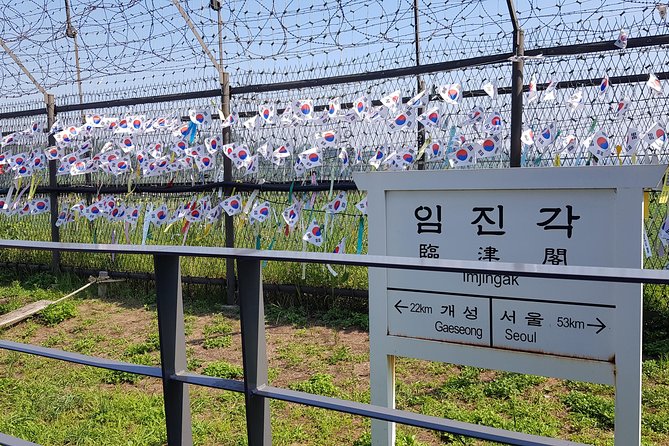
The first major stop is Imjingak Park, near the Imjin River. This is one of those places where history isn’t in a textbook; it’s in the open air. You’ll see war artifacts and artillery from the Korean conflict, and the guide ties those objects to what happened before the border hardened into its current form.
Then you head to Freedom Bridge. This is a short stop with big emotional weight, because it’s tied to the end of the war and the exchange of nearly 13,000 POWs. Even if you’ve read the overview before, hearing it explained on-site helps your brain connect the dates to a physical place where human movement was happening for a moment—then wasn’t.
A practical tip here: if you want photos, do the bridge portion calmly. That spot is often where people rush for pictures, but the guide’s context will make your photos mean more afterward.
The 3rd Infiltration Tunnel and DMZ Museum: Seeing the Strategy
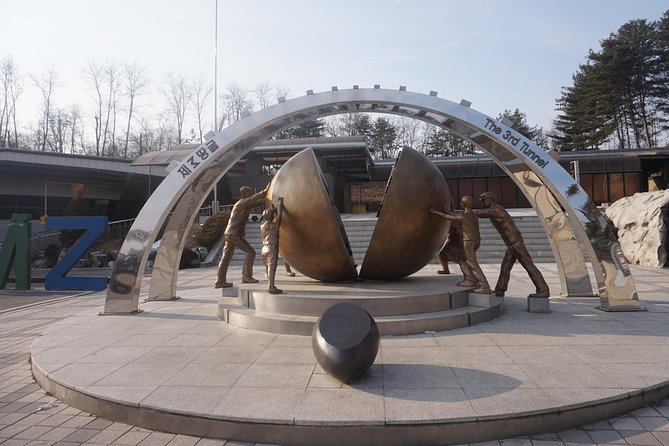
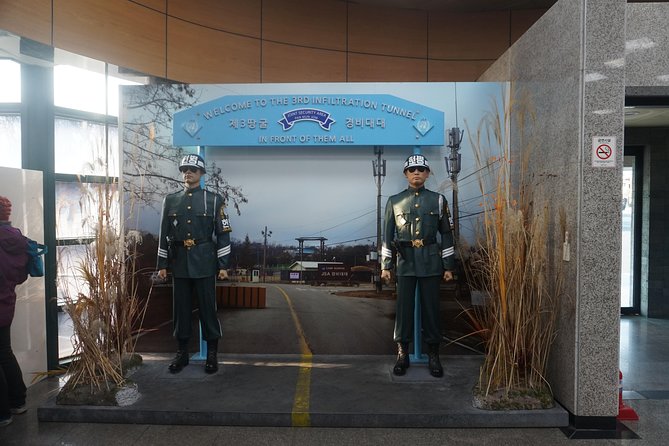
After Imjingak and the Freedom Bridge, the day’s tone shifts toward the mechanics of conflict. The coach ride takes you to the 3rd Infiltration Tunnel, which is believed to have been built by North Korea for a military invasion. It was discovered in 1978, and it was blocked by South Koreans at the border’s military demarcation line.
The key thing for you is the physical reality. The tour notes a moderate amount of walking through a steep and narrow tunnel section. Comfortable clothes and shoes matter here, because you’ll be moving under conditions that aren’t like a museum corridor—think tighter spacing and more heat. One helpful detail from the experience notes: leave your coats in the locker when going down the tunnel, since the climb back can feel steep and warm.
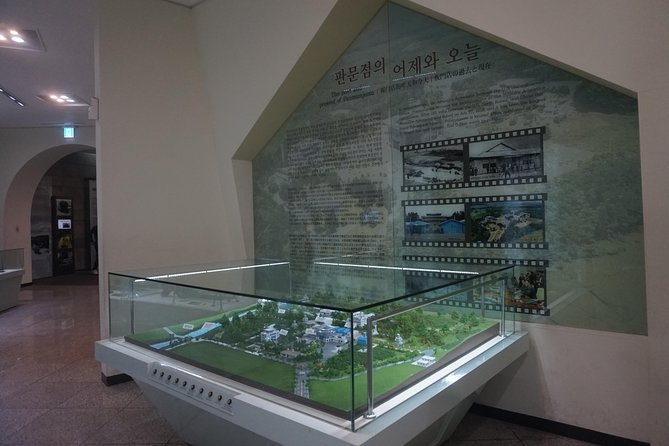
After the tunnel, you’ll move through the DMZ Theater & Exhibition Hall and also get time at the DMZ Museum area. This part is the visual companion to what you saw underground: artifacts and photographs from the Korean War help explain what the tunnel was part of, and why it’s still treated as a symbol of attempted breach.
This combination—tunnel walk plus museum context—usually lands better than a tunnel-only stop because it connects the event to a broader story.
Dora Observatory and Kijongdong: Binoculars and Daily Life Across the River

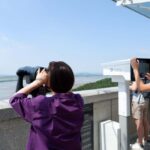
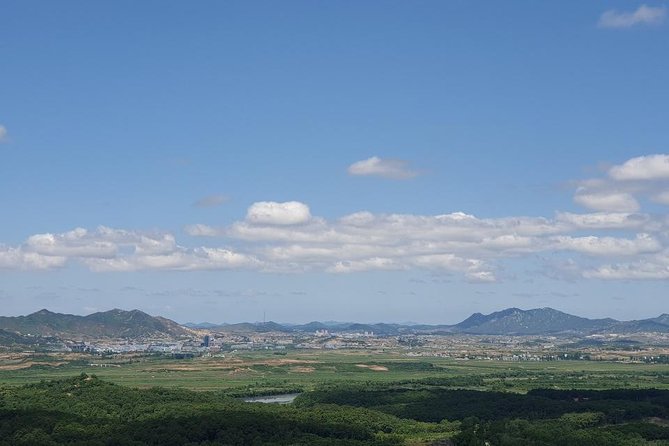
Dora Observatory is the star for views. You’ll head here by coach, and you can use provided binoculars to look toward North Korea from the South. The tour also includes the guide-led explanation of Kijongdong, a North Korean model village that helps translate the surreal border region into something more human.
On a clear day, the observatory portion can feel almost unreal. You’re not just looking at a “far away place.” You’re looking at the geography and the imagination that both sides build around this border. Your guide’s role is important: they connect what you’re seeing to the backstory so you’re not just staring at distant rooftops.
Time here is tight—around 20 minutes is listed in the schedule—so my advice is to use that window actively:
- Ask the guide what to look for through the binoculars.
- Pause once without binoculars first, so your brain has a baseline for distance.
- Then use binoculars to identify what they point out.
Even if conditions limit what you can see, the explanation around Kijongdong and how the border is framed is still the point.




Dorasan Station and Unification Village: Symbols of a Future That Isn’t Here Yet
As the day winds down, you shift from museum-style learning to symbolic border-area stops. Dorasan Station is one of them. It once connected North and South Korea, and today it carries symbolic significance. The guide explains why stations, tracks, and closed connections matter in a divided country.
Next is the Unification Village area, often described with the name Tongilchon-gil. This small farming community is focused on everyday routines and production—soybean milk, traditional soy sauce, and corn goods. The practical value here is that it grounds the big political story in ordinary labor. It doesn’t pretend division is normal, but it shows how people keep routines going in a border zone.
You’ll typically pass through this portion near the end of the day. If you’re doing the half-day tour, the schedule often moves toward returning to Seoul after a brief en route stop such as a ginseng center. If you’re doing the full-day option, you’ll likely continue to additional suspension bridge stops before heading back.
NK Experience Hall and the Defector Q&A: The Part You’ll Carry Home
The standout difference in this specific tour setup is the human perspective. It includes an NK Experience Hall segment and a Q&A with a North Korean defector. That combination tends to be the emotional center of the day, because it turns general history into personal decision-making, daily constraints, and what it means to live on one side of the border and then explain it from the other.
Guides can be great at explaining systems. This segment adds the texture of a person’s life. It’s also one of the reasons the tour often feels more than a checklist of DMZ sights.
A quick note for your planning: questions can be tough, and the session can feel intense. If you’re the type who gets nervous in formal Q&As, you might still get a lot out of just listening closely and letting the guide translate the bigger context as the conversation moves.
Optional Suspension Bridges: The Red Bridge and Majang Lake Stops
If you choose the full-day option, you’ll add suspension bridge experiences in the broader DMZ area. Two specific choices show up in the schedule:
- Gamaksan Chulleong Bridge, linked to the DMZ + Red Suspension Bridge option
- Majang Lake, linked to the DMZ + Majang Lake Suspension Bridge option
Both are scheduled as about 1 hour stops. These aren’t likely to be the reason you booked the DMZ portion, but they give you a breath of fresh air after the tunnel and observatory focus. They also help stretch the day into something closer to a complete outing instead of a compact morning drive.
If you’re short on time, the half-day version keeps the essentials while skipping these extra stretches. If you love long photo walks and want more time outdoors, the full-day option is the better fit.
Price and Value for Your Money (Yes, $26-ish Matters)
At $26.04 per person, this tour is priced in a way that’s hard to beat for a DMZ day. The key value isn’t just the low number—it’s what’s bundled. Admissions are included for the main DMZ parts, and you’re not paying separately for entry at each stop.
Also, you’re paying for interpretation. Without a guide, you’d see places like the Freedom Bridge or the tunnel and still wonder what you’re looking at beyond the basics. With a strong guide, you get the meaning attached to each stop.
A note on what’s not included: breakfast and lunch aren’t part of the price. Transport is covered by the coach. So budget for a meal and snacks, especially if you’re doing a full-day schedule that keeps you out longer.
What to Pack and How to Prepare for the Tunnel Walk
This is a practical tour, but the physical parts need a little respect. The tunnel walk is the big item. The tour warns about moderate walking through a steep and narrow tunnel. Wear comfortable, supportive shoes. Dress in layers because temperatures can shift in and out of enclosed areas.
Take the locker hint seriously. When you go down into the tunnel, store heavier items and coats in the locker provided. The way back can feel steep and hot.
Also bring a passport. That’s not optional. And keep some flexibility in mind: if conditions cause a change in access, the tour notes that part of the itinerary could be canceled due to military conditions or local circumstances, with no refund in those cases. That’s not something you can control, so the best thing you can control is your mindset.
Who This DMZ Tour Fits Best
You’ll like this tour if:
- You want a well-paced DMZ route from Seoul with clear stops and included admissions.
- You value a mix of history sites and a human perspective through the defector Q&A.
- You prefer a small-to-medium group size (up to 40) with a guide who can keep questions flowing.
You might think twice if you:
- Have strong discomfort around enclosed, steep walking sections.
- Need a fully predictable, no-uncertainty itinerary. Access can change.
If you’re a first-time visitor to Korea and you want a fast orientation to the DMZ’s meaning, this is a strong option. If you’ve already done a basic DMZ overview elsewhere, the defector segment and the NK Experience Hall portion are the reason you’d consider booking this specific version.
Should You Book This DMZ Tour?
If your goal is one high-value DMZ day that combines iconic border sites with real human perspective, I’d book it. The price is low for what you get, admissions are included, and the stop-by-stop structure keeps the story understandable rather than overwhelming.
Two final decision helpers:
- If you’re excited by the tunnel and Dora Observatory, do the full-day option if your schedule allows—those extra suspension bridge stops turn it into a longer outing.
- If you want the essentials without stretching your day, the half-day version still covers the core DMZ sequence and keeps things manageable.
Just go in ready for a sober, sometimes restricted experience. That’s the point of the DMZ—and it’s why the right guide makes such a difference.
FAQ
How long is the DMZ tour from Seoul?
The tour runs about 7 hours approximately, though it offers half-day or full-day options depending on the length you choose.
What sites does the tour include?
You’ll visit places such as Imjingak Park, Freedom Bridge, the 3rd Infiltration Tunnel, the DMZ Theater & Exhibition Hall and DMZ Museum area, Dora Observatory, and Dorasan Station. The Unification Village area is also included, and full-day options can add suspension bridge stops.
Are admissions included?
Yes. Admission fees are included for the main DMZ stops listed in the schedule, and you also get included time at places like Dora Observatory and the tunnel-related sites.
Do I need a passport?
Yes. A current valid passport is required on the day of travel, and you don’t need to send a copy ahead of time.
Is hotel pickup included?
The overview mentions handy round-trip hotel pickup, but the details also show a central meeting point and note that pickup varies. The start and end point is Seoul City Hall, so confirm your exact pickup time with the operator.
How much walking is involved?
There is a moderate amount of walking, including through a steep and narrow tunnel. Comfortable shoes are recommended.
What if military conditions affect the itinerary?
If part of the itinerary is canceled due to unexpected military conditions or local circumstances, the listing states there will be no refund. An alternative DMZ-related course may be provided if the tour is canceled due to a military issue.
Does this tour include the NK Experience Hall and a defector Q&A?
This DMZ tour version is described as including an NK experience segment and a North Korean defector session, which is presented as a highlight.