REVIEW · DMZ TOURS
DMZ Past and Present: Korean Demilitarized Zone Tour from Seoul
Book on Viator →Operated by KOREA TOUR (DMZ TOUR) · Bookable on Viator
North Korea’s border fence is only a coach ride away. This DMZ tour gives you a rare, guided look at the front line, plus the chance to observe North Korea from Dora Observatory. I like how the day mixes “hope and history” at Freedom Bridge with the physical reality of the border through the 3rd Infiltration Tunnel.
Two things I really loved: the guide-led context that turns Cold War facts into something you can picture, and the practical pacing that still leaves time to absorb what you’re seeing. In one group I read about, AJ kept the mood light while still explaining the heavy stuff, and that balance matters on a trip like this.
One possible drawback: the tunnel section is steep and tight. You’ll walk about 400 meters (roughly 1,300 feet) through a narrow, sloped tunnel, so wear shoes you trust and don’t go in expecting an easy stroll.
In This Review
- Quick hits before you go
- Why the DMZ from Seoul feels different on the ground
- Price and logistics: what you’re really paying for
- Getting from Seoul to the DMZ without wasting your day
- Imjingak Pyeonghoa-Nuri Park: artillery relics beside the river
- Freedom Bridge: hope and the hard math of 13,000 POWs
- The Third Infiltration Tunnel: your body remembers this one
- DMZ Museum: photos and artifacts that stop the mind from floating
- Dora Observatory: the binocular view of North Korea
- Group size, guide quality, and how the day stays organized
- Who should book this DMZ tour (and who might skip it)
- Should you book the DMZ Past and Present tour?
- FAQ
- How long is the DMZ tour from Seoul?
- What is the price, and what’s included?
- Do I need a passport for this tour?
- Is hotel pickup included?
- Is lunch provided?
- How much walking is involved?
Quick hits before you go
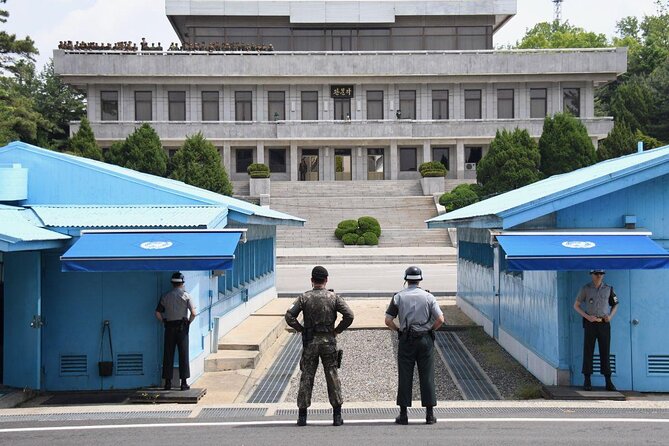
- Binocular viewing at Dora Observatory for a rare look north across the DMZ
- Freedom Bridge symbolism and the story of nearly 13,000 POWs who crossed it
- 3rd Infiltration Tunnel walk that’s short on paper but intense in real life
- Imjingak Pyeonghoa-Nuri Park war relics beside the Imjin River
- DMZ Museum photos and artifacts that connect the stops into one story
Why the DMZ from Seoul feels different on the ground
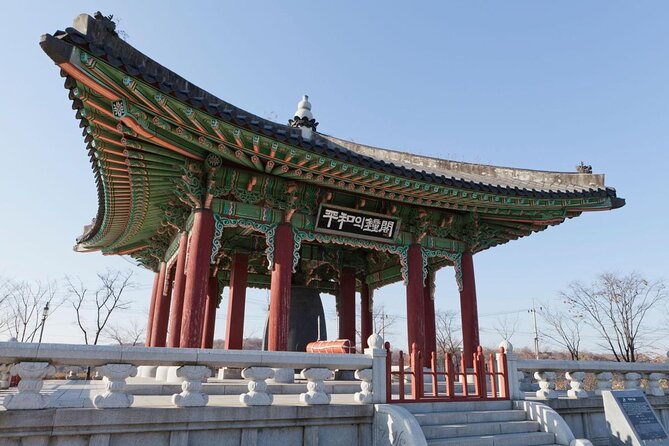
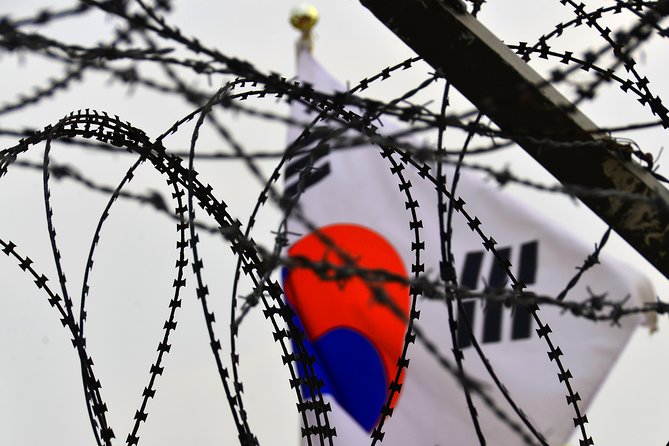
The DMZ isn’t just a sightseeing stop. It’s the world’s most protected border dividing North and South Korea since the Korean War in the 1950s. Seeing it in person changes the tone of everything you’ve heard back home.
What makes this tour stand out is that you don’t just stare across a river and call it a day. You start with the war-era remnants at Imjingak, you walk to the Freedom Bridge where the human stories are unavoidable, and then you experience the tunnel—literally moving through a piece of the conflict. That sequence helps your brain connect the dots fast.
Guides can also tailor the day to your questions. People often mention guides like AJ, Katie, and Grace for making the explanations clear and for answering follow-ups without rushing you out the door. That matters, because DMZ history can feel abstract unless someone helps you keep track.
You can also read our reviews of more tours and experiences in Seoul.

Price and logistics: what you’re really paying for
At $37 per person, this DMZ tour is priced for real value. You’re paying for more than transportation: you get an expert guide, air-conditioned coach rides, and included admission fees for the stops where admission is required.
The day is about 6 hours 30 minutes total. Hotel pickup is described as included in the experience details, and drop-off is in central Seoul. The fine print also lists hotel pickup/drop-off as not included, so the safest move is to confirm your exact pickup point when you book. Either way, you’re not stuck trying to figure out checkpoints or schedules on your own.
You’ll travel with a group (maximum 40 travelers). In practical terms, that’s small enough to feel guided, big enough to keep the day efficient. Many tours like this also send clear meeting-point instructions through messaging; one review mentioned WhatsApp directions being straightforward, which is a nice stress reducer when you’re starting early.
Also: bring a current valid passport. You won’t need to send a copy beforehand, but you do need the real thing on travel day.
Getting from Seoul to the DMZ without wasting your day
This is a coach-based day trip. You’ll get picked up in downtown Seoul, then head out to the DMZ by air-conditioned transportation. The comfort part matters because the long drive plus the border tension can make even normal tourist days feel heavier than expected.
The tour runs as a set sequence of stops, with guided time at each location. The best part is that the pacing is built around moments that need different types of attention:
- places where you need time to look and think (like the museum and bridge),
- places that need steady movement (the tunnel walk),
- and places where you need short, focused viewing (binocular time at Dora).
If you’re worried about mornings, check the departure options. One review mentioned the tour offering two pickup times, which can be a big deal if you hate very early starts. Even if you can’t change the start time, arriving ready for an early day will make the rest of the schedule feel calmer.
Imjingak Pyeonghoa-Nuri Park: artillery relics beside the river
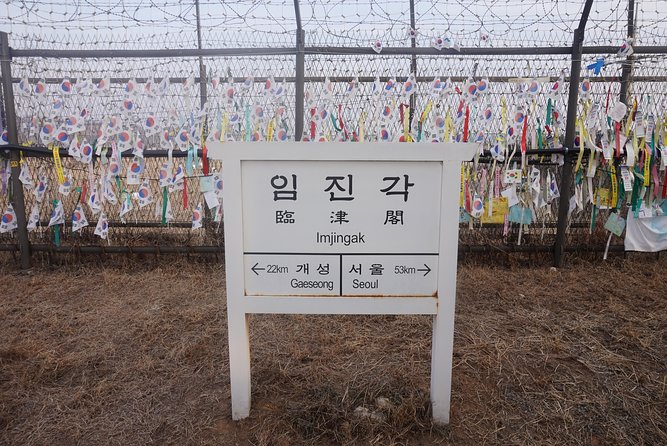
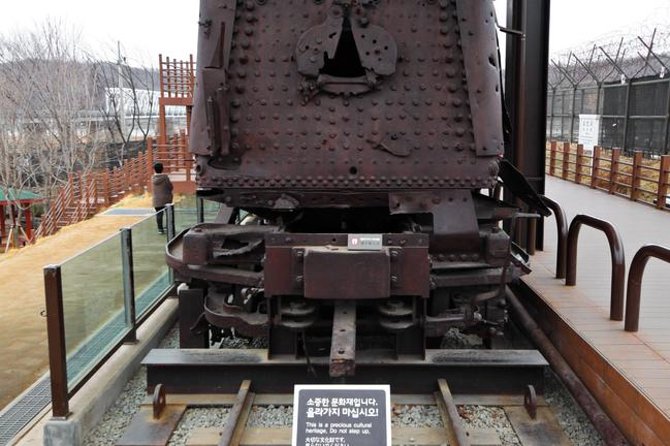
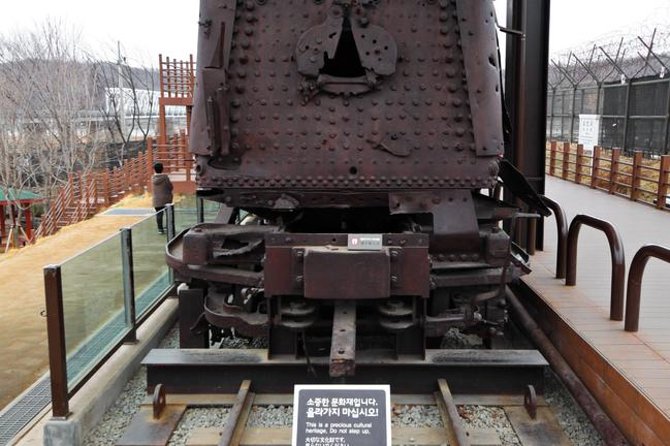
Your first major stop is Imjingak Pyeonghoa-Nuri Park, located by the Imjin River. This is where the war shows up as physical objects, not just textbook descriptions. You’ll see artillery and war artifacts used during the Korean conflict.
I like this stop because it sets the emotional baseline. Before you go anywhere near the border structures, you get the “this is real” feeling. You can look at relics and then immediately understand why the area is treated with extreme seriousness.
There’s also a useful mental trick the guides tend to use here: they connect what you see on the ground to what you’ll experience later. When you’re staring at a piece of equipment and then later walk toward the Freedom Bridge, the day stops feeling like random landmarks. It becomes a single thread—war, separation, and the possibility of return.
A small practical note: treat this as a viewing stop. Plan to stand, read, and take photos. Don’t try to rush through it while you’re still adjusting to the day’s tone.
Freedom Bridge: hope and the hard math of 13,000 POWs
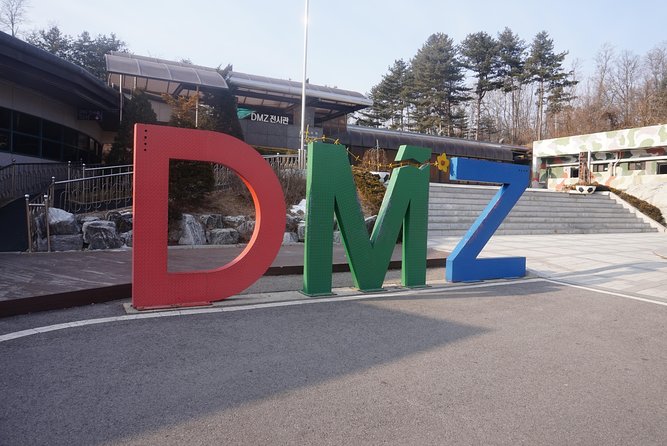
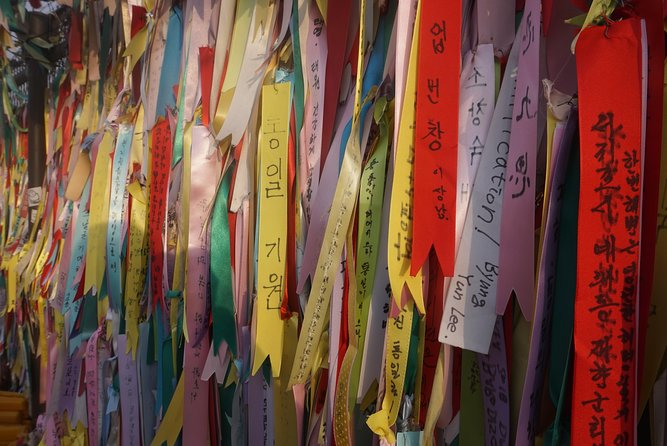
Next is the Freedom Bridge. This bridge is a symbol of hope and return, crossed by nearly 13,000 POWs on their path to freedom in South Korea.
It’s the kind of place where you’ll feel the contrast instantly. On one side you have North Korea, on the other you have South Korea—and on the ground you’re standing in the middle of the story that people survived.
What makes the stop valuable is the way the guide frames it. You’re not only told what happened; you’re encouraged to consider what it meant in human terms. That turns the number into something more real.
If you’re the type who likes to understand context before you take photos, this is the stop to slow down. Even if you only have a short window, give yourself a couple minutes to look at the bridge area and let the explanation settle. It’s one of the most meaningful parts of the day, and it’s also a good break from the heavier technical details you’ll hear around tunnels and border security.





The Third Infiltration Tunnel: your body remembers this one
Then comes the part many people talk about: the 3rd Infiltration Tunnel. It’s located beneath the border between North and South Korea, and guides explain the role of these tunnels. You’ll learn how tunnels were planned as part of infiltration efforts across the divide.
The tunnel walk is physically demanding in a very specific way. You’ll cover about 400 meters (roughly 1,300 feet) through an area described as steep and narrow. The tour also notes an 11-degree gradient and calls for being physically fit for that effort. So yes, it’s short by distance, but it’s not effortless.
Here’s what to do to make it easier:
- Wear comfortable shoes with good grip.
- Keep your head up, but also expect low clearance. One tall participant mentioned hitting the ceiling area repeatedly even with protective gear, so if you’re on the taller side, take extra care.
- Go slow on the incline and don’t pretend you’re on a power walk. You’ll want steady breathing and safe footing.
If you’re claustrophobic, this is the main caution flag of the day. The tunnel is the only truly “tight and steep” portion listed, so this matters for comfort and safety. If you’re unsure, judge your tolerance honestly before you decide.
DMZ Museum: photos and artifacts that stop the mind from floating
After the tunnel, you’ll visit the DMZ Museum. This is where the visuals help you stitch everything together. You’ll see photographs and war artifacts on display.
Museum time can be hit-or-miss on tours, but here the museum works as a reset after the tunnel walk. Your body is done climbing for a bit, and your brain can shift back into “story mode.” This stop also gives you a place to ask better questions, because you’ve already seen the major border symbols outside.
When you’re there, don’t just aim for the biggest items. Scan for photos that show timelines or people’s movement. Then link them back to what you saw at the bridge. Doing that makes the day feel less like a checklist and more like a coherent narrative.
Dora Observatory: the binocular view of North Korea
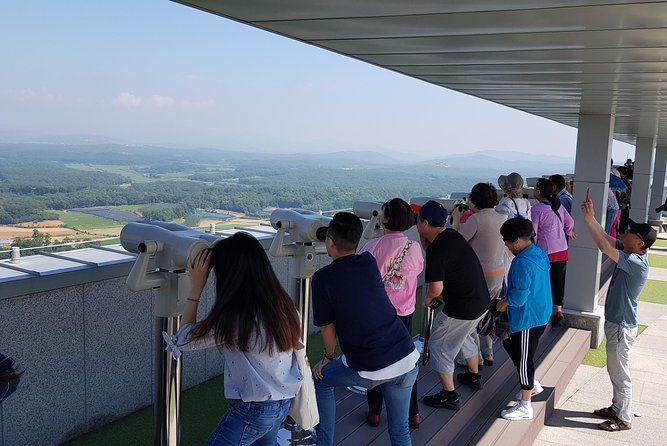
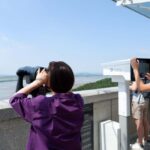
The final major stop is Dora Observatory, where you can look across the DMZ into North Korea using binoculars. This is one of the highlights because it replaces vague distance with something concrete.
Your guide explains the lifestyle across the river as you observe the village of Kijongdong. That means the binoculars aren’t just for sightseeing. They’re for understanding how borders shape daily living.
A couple practical tips make the binocular time go better:
- Spend your first minute getting focused, then take in the surroundings before you zoom in on one area.
- If you have questions, ask them right away while you’re still set up at the viewing point. Once the group moves on, it’s harder to get answers tied to what you were looking at.
- Dress for real weather changes. Observatories are often cooler or windier than the city, even on the same day.
People consistently mention the binocular experience as the moment that makes the DMZ feel real. In at least one account, that view through the finders was the reason the tour felt worth it.
Group size, guide quality, and how the day stays organized
This tour caps at 40 travelers, which helps keep the day from turning into pure line-standing. More importantly, it gives the guide room to manage time without feeling rushed. Many people praised the organization and pace, especially at the tunnel and observatory segments.
Guide quality shows up in small ways: timing at each stop, clear explanations, and good answers when you ask a follow-up. Names that came up often include AJ, Katie, Grace, Sadie, Felicity, Chloe, and others. While the exact guide depends on your date, the best sign is that multiple people highlighted how engaging, upbeat, and clear the explanations were—without skipping the serious details.
If you want to make the day even stronger, be ready with one or two questions when you’re at Dora or the museum. The guides tend to be set up for discussion, and asking while you can still see the related sights is when the answers land best.
Who should book this DMZ tour (and who might skip it)
This is a good fit if you want:
- a half-day DMZ experience with major landmarks,
- guided context that helps you interpret what you’re seeing,
- and the most memorable DMZ element on most people’s lists: the binocular view.
It’s also a smart choice if you’re in Seoul on limited time and don’t want to wrestle with complicated logistics. For first-time visitors, getting a single guided thread through Imjingak, Freedom Bridge, the 3rd Tunnel, and Dora Observatory is efficient and emotionally impactful.
You might think twice if:
- you’re uncomfortable with steep, narrow spaces (the tunnel is the main issue),
- you have mobility limitations that make a 400-meter uphill walk difficult,
- you’re tall enough to be concerned about low clearance inside the tunnel.
Should you book the DMZ Past and Present tour?
Yes—if you’re okay with a moderate physical challenge and you want your DMZ visit to feel structured and meaningful. The value at $37 comes from the mix of included admissions, expert guiding, and coach transport, not from flashy extras. The emotional hits (Freedom Bridge) and the practical reality (the tunnel) are both built into the day, and Dora Observatory gives you the rare binocular “look north” moment that most people remember long after.
Before you book, do one honest check: can you handle the tunnel walk described as steep and narrow? If the answer is yes, this is one of the best ways to experience the DMZ from Seoul without losing your whole day.
FAQ
How long is the DMZ tour from Seoul?
The tour duration is about 6 hours 30 minutes.
What is the price, and what’s included?
The price is $37.00 per person, and it includes an expert guide, air-conditioned coach transport, and admission fees.
Do I need a passport for this tour?
Yes. A current valid passport is required on the day of travel.
Is hotel pickup included?
The overview says a handy hotel pickup is included, but the details also list hotel pick up/drop-off under Not Included. Confirm your exact pickup and drop-off details at booking.
Is lunch provided?
No. Lunch is not included.
How much walking is involved?
You’ll walk about 1,300 feet (400 meters) with an 11-degree gradient, including a steep and narrow tunnel section. Comfortable clothes and shoes are recommended.