Prison walls can teach better than textbooks. This guided walk through Seodaemun Prison gives you access to original prison cells and underground interrogation rooms, and it ties what you see to the Korean independence movement through a guide with 10+ years in Korean history.
I also like how the tour’s storytelling centers on key resistance figures, including Yu Gwan-sun, so the memorial doesn’t feel like a list of dates. One thing to consider: this is heavy material, and the route is a walking experience with a moderate physical fitness level requirement.
You start at 2:00 pm at 102-6 Hyeonjeo-dong, Seodaemun-gu, and the tour ends at the Seodaemun Prison History Hall (251 Tongil-ro, Seodaemun-gu). It runs about 2 hours, with a small group size (up to 10 people), and the main site admission is included while the first stop at Dongnimmun Gate is ticket-free.
In This Review
- Key highlights you shouldn’t skip
- Why Seodaemun Prison changes how you see Seoul
- The 2-hour route: what happens and why it works
- Stop 1 at Dongnimmun Gate: independence symbolism first
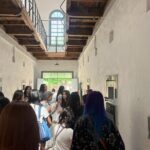
- Seodaemun Prison History Hall: stepping into the prison story
- The cells and solitary confinement rooms
- Interrogation rooms, including underground spaces
- The execution yard and what it represents
- Yu Gwan-sun and why the guide story matters
- What you’ll learn beyond the facts on a plaque
- Price and value: is $31.54 worth it?
- Practical tips for a respectful, easier visit
- Who this tour is best for
- Should you book the Seodaemun Prison guided tour?
- FAQ
- How long is the Seodaemun Prison guided tour?
- What does the tour include?
- Is the price $31.54 per person or for a group?
- Do I need tickets for the sites on the tour?
- Where is the tour starting point?
- Where does the tour end?
- What time does the tour start?
- How large is the group?
- Is the tour good if I use public transportation?
- What is the cancellation policy?
Key highlights you shouldn’t skip
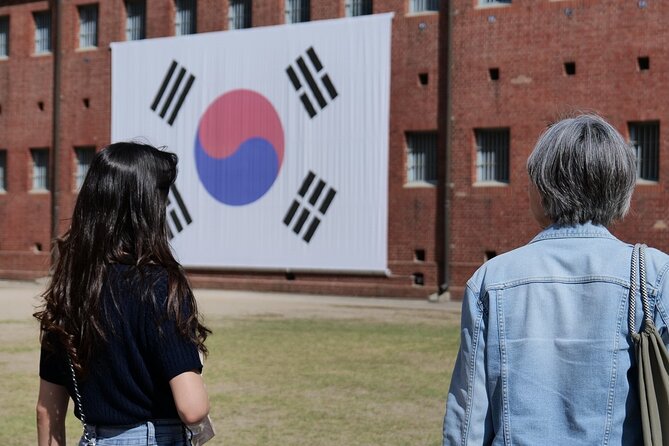
- Original cells and underground interrogation rooms you can walk through as a guided visit
- Execution grounds context that explains what the space was used for
- Yu Gwan-sun and the March 1st Movement placed in the bigger independence story
- Seodaemun Prison History Hall focus with admissions included for the main stop
- A small group of up to 10 people for better questions and pacing
- A professional guide with 10+ years of Korean history guiding the meaning behind each space
Why Seodaemun Prison changes how you see Seoul
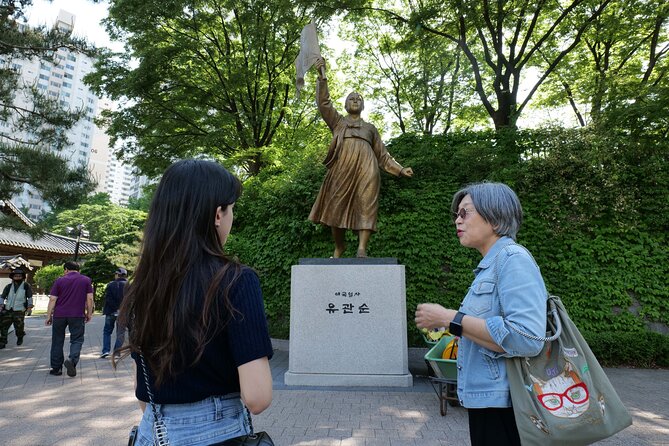
Seoul is famous for palaces, markets, and day-to-day city life. This tour gives you a different lens: the built places where modern Korean identity was violently tested. Seodaemun Prison was constructed in 1908 during Japanese occupation, and today it functions as a memorial site for the sacrifices made by Korean independence activists.
That’s the key value here. You’re not just looking at a building. You’re learning how the prison’s rooms and yards fit into a system designed to break resistance, and how people fought back anyway. If you care about understanding modern Korea beyond pop culture or quick photo stops, this visit hits in a focused way.
And because it’s a walking tour with a guide, you’ll get the narrative structure that helps it all make sense. You move from a symbolic independence site to the prison spaces where the cost of resistance became painfully real.
You can also read our reviews of more guided tours in Seoul


The 2-hour route: what happens and why it works
This experience is timed for a complete story in about 2 hours. The route is split into two main stops: a short opener at Dongnimmun Gate, then a longer visit inside the Seodaemun Prison History Hall area.
That structure matters. Starting outside with a landmark tied to Korean independence symbolism gives your brain a reference point before you step into the prison’s more intense scenes. Then the longer second stop lets you slow down where it counts: cells, interrogation spaces, and the execution grounds.
Also, the group size is capped at 10 people. For a site this emotionally focused, smaller groups tend to keep the tour from feeling like a rushed conveyor belt.
Stop 1 at Dongnimmun Gate: independence symbolism first
The tour begins at Dongnimmun Gate, with about 20 minutes set aside to understand 1890-related Korean independence symbolism (the tour notes it as a Korean-built independence gate). Admission at this first stop is free.
This part is short, but don’t treat it like a warm-up. It sets the tone. If you arrive thinking you’ll only learn about the prison itself, Dongnimmun Gate helps you realize the story goes both ways: there were expressions of independence and national identity before the brutal crackdown, not just afterward.
In practice, this stop can help you connect themes faster once you reach Seodaemun. You’ll be better prepared for the shift from symbols of independence to the machinery used to suppress it.
Seodaemun Prison History Hall: stepping into the prison story
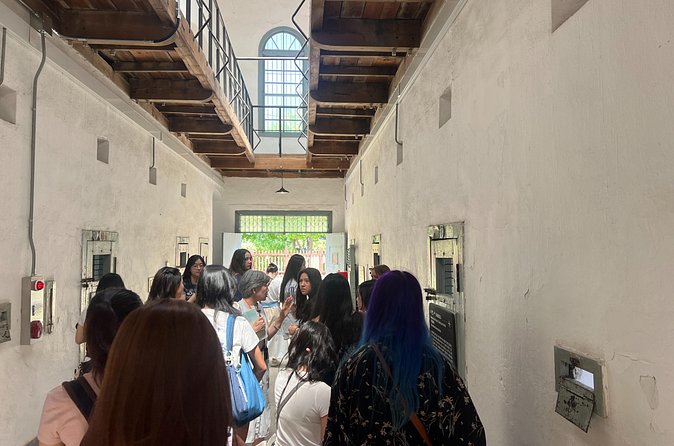
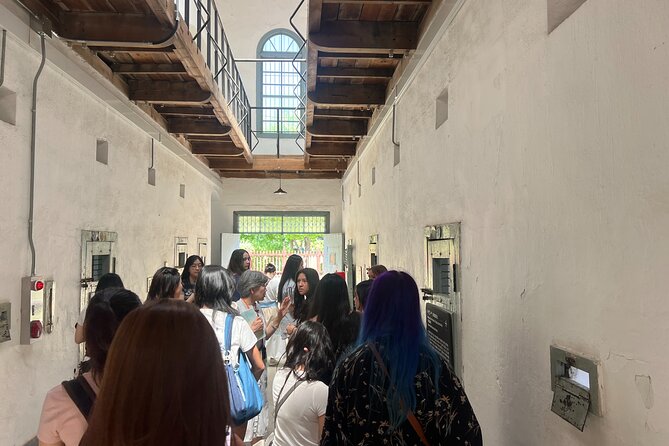
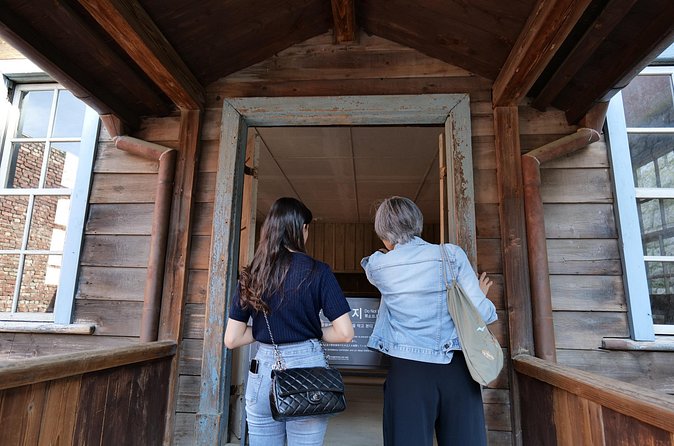
The main portion centers on Seodaemun Prison History Hall, where the tour focuses on spaces tied to detention and punishment of independence activists. The prison was built in 1908, and the tour experience is designed around the physical layout: solitary cells, interrogation chambers (including underground interrogation rooms), and the execution yard.
You can expect to actually step inside original spaces. That detail is a big part of why the tour is so effective. Reading about incarceration or persecution is one thing. Walking through the same types of rooms—under a guide who explains what happened there—adds a different weight to your understanding.
The cells and solitary confinement rooms
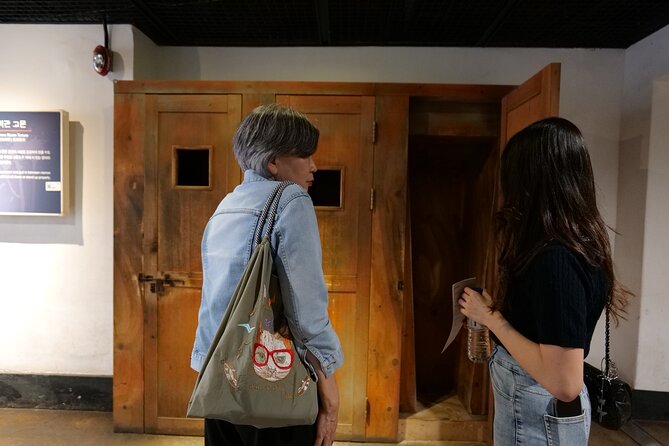
The tour includes time in solitary cells. These spaces communicate control and isolation in a way that’s hard to capture with photos. Even if you’re not into prisons or grim sites, solitary confinement is one of the most direct ways to understand how systems of power function when they aim to break will, not just cause pain.
You can also read our reviews of more historical tours in Seoul



Interrogation rooms, including underground spaces
Next come the interrogation chambers and underground interrogation rooms. This part tends to stick with people because it explains how questioning, intimidation, and punishment were built into the prison system. You’re not just seeing rooms. You’re learning why the rooms mattered.
A practical tip: if you’re sensitive to intense historical content, give yourself a moment after this segment. The tour moves on to execution grounds, and it helps to regulate your pace so the learning stays grounded.
The execution yard and what it represents
The walk through execution grounds is a core part of the experience. The tour uses this area to connect the geography of the prison to the consequences faced by independence activists. It’s where the lesson turns from structure (cells, rooms) to outcome (executions and sacrifice).
The strength of the guided format is that you won’t just memorize locations. You’ll understand how each area fits into the wider narrative of resistance and repression.
Admission for this main stop is included, so you don’t need to worry about tickets once you’ve started the tour. That’s part of the value.
Yu Gwan-sun and why the guide story matters
One of the tour’s most highlighted focuses is Yu Gwan-sun, a young student who became a national symbol of courage connected to the March 1st Movement. The tour specifically mentions her courage and how she became an icon.
This is more than a name-drop. When a memorial tour highlights one figure in detail, it helps you keep track of human stakes. Prison spaces can blur together if you only think in architecture. A well-told resistance story pulls the people back into focus.
From a practical point of view, this storytelling approach helps you avoid the common problem of dark history tours: leaving with locations memorized but meaning missing. With Yu Gwan-sun placed into the narrative, you’re more likely to remember the “why” behind what you saw.
Also, since the guide has over 10 years of experience in Korean history, the tour aims to connect the prison scenes to the bigger independence movement rather than treating them as isolated tragedies.
What you’ll learn beyond the facts on a plaque
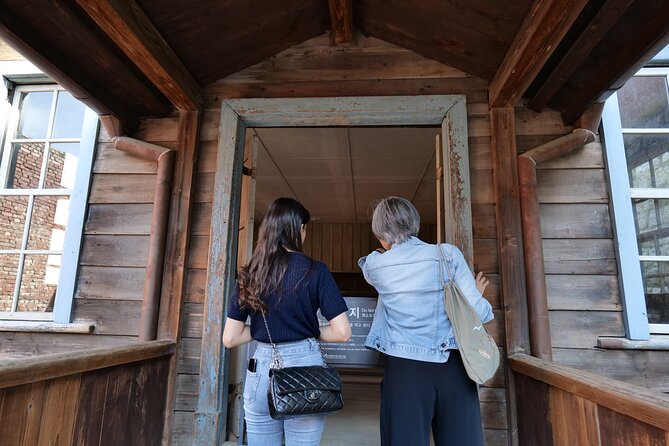
Even when memorial sites are well designed, they can still feel like static displays. The value of this experience is the guided interpretation of how the prison was used: detention, interrogation, solitary confinement, and execution grounds.
That interpretation matters for two reasons.
First, it turns the site into a learning tool you can carry into the rest of your trip. After you understand how repression worked here, other parts of Korean history feel more connected. You’ll see modern identity as something shaped through real conflict and sacrifice, not only through peaceful progress.
Second, it gives you better context for emotional reactions. Dark sites can bring strong feelings quickly. A guide helps you process what you’re seeing so the experience stays educational instead of only overwhelming.
Price and value: is $31.54 worth it?
The price is listed at $31.54 per person, and the tour duration is about 2 hours. For Seoul, that’s in the range where you should ask: what’s included, and what do I get that I can’t do alone?
Here’s the value logic I see from the details provided:
- Guided access and interpretation: you’re not just walking around; you’re stepping into original prison-related spaces with context.
- Admission included for the main site: the first stop has free admission, and the main prison hall stop includes the ticket.
- Small group size: up to 10 people, which can reduce the rushed feeling that larger tours create.
- Experienced guide in Korean history: the tour isn’t positioned as a casual sightseeing walk. It’s clearly teaching-focused.
What you’re not buying here is the convenience of a private museum visit with no walking. It’s a structured tour, and you’ll be on your feet for the walking route. If you’re after only light sightseeing, this might feel like too much too soon.
If you want an honest, story-led experience tied to a major memorial site, the price looks fair for what’s included.
Practical tips for a respectful, easier visit
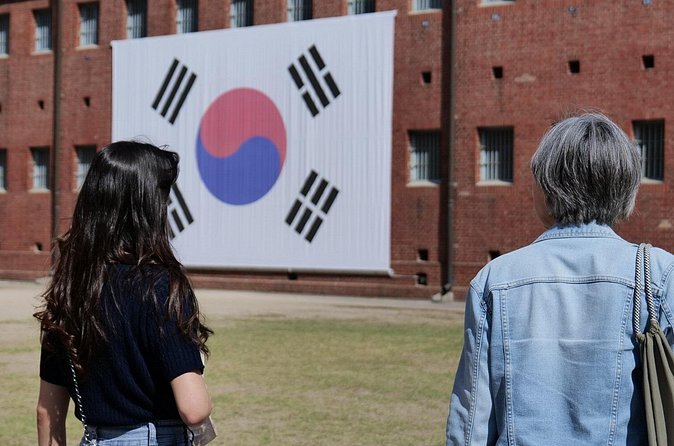
This tour deals with difficult history. I’d plan your day with a calm pace, not a schedule sprint.
- Wear comfortable shoes. It’s a walking experience with a 2-hour time block.
- Keep expectations realistic. You’re stepping into places connected to detention and execution, not touring a cheerful attraction.
- If you’re traveling with strong sensitivities to human suffering, consider taking short breaks between segments. Even a quiet minute can help you absorb the information.
Also, because the tour is near public transportation, you can plan an easy connection before and after. Still, arrive a few minutes early so you’re not rushed at the start time (2:00 pm).
Who this tour is best for
This experience is a strong fit if you:
- want to understand Korean history beyond palaces and trendy neighborhoods
- like guided tours that explain meaning, not only point out buildings
- care about the Korean independence movement and how it connected to real places
It’s also a good choice if you prefer smaller groups. With a maximum of 10 people, the pacing should feel more manageable than big bus-style tours.
It may be less suitable if:
- you don’t want to engage with heavy historical themes
- you find walking tours difficult even at a moderate fitness level
Should you book the Seodaemun Prison guided tour?
If your Seoul trip has room for one experience that changes how you understand the country, book this. The combination of original prison spaces, guided explanation, and named historical focus (including Yu Gwan-sun and the March 1st Movement) makes it more than a check-the-box memorial visit.
I’d book especially if you’re the type of person who likes to connect stories to specific rooms and locations. The tour’s structure—start with independence symbolism, then move into the prison’s cells and execution grounds—helps you build a clear mental timeline.
Skip it only if you’re trying to keep your day light, or if the subject matter feels too heavy. This is a respectful, educational visit, but it’s still about oppression, interrogation, and execution.
FAQ
How long is the Seodaemun Prison guided tour?
It lasts about 2 hours.
What does the tour include?
You will visit Dongnimmun Gate, then the Seodaemun Prison History Hall. The experience includes stepping inside original prison cells and underground interrogation rooms, walking through the execution grounds, and hearing resistance stories including Yu Gwan-sun, with a professional guide.
Is the price $31.54 per person or for a group?
It is $31.54 per person.
Do I need tickets for the sites on the tour?
Admission is included for the Seodaemun Prison History Hall portion. The Dongnimmun Gate stop is ticket-free.
Where is the tour starting point?
The start point is listed as 102-6 Hyeonjeo-dong, Seodaemun-gu, Seoul, South Korea.
Where does the tour end?
The tour ends at Seodaemun Prison History Hall, 251 Tongil-ro, Seodaemun-gu, Seoul, South Korea.
What time does the tour start?
The start time is 2:00 pm.
How large is the group?
The maximum group size is 10 people.
Is the tour good if I use public transportation?
Yes, it’s noted as being near public transportation.
What is the cancellation policy?
You can cancel for free up to 24 hours in advance for a full refund. If you cancel less than 24 hours before the start time, the amount paid is not refunded.