REVIEW · DMZ TOURS
DMZ Guided Tour with Suspension Bridge / Gondola from Seoul
Book on Viator →Operated by Korea Time Tour · Bookable on Viator
You can feel the peninsula’s tension in daylight. This DMZ day trip from Seoul is a rare chance to visit the Korean Demilitarized Zone, see key war-era sites, and learn how the North and South Korea standoff works on the ground. You’ll ride in an air-conditioned vehicle, get round-trip transfers, and follow an English-speaking guide through places most visitors only read about.
I especially liked the strong “see it, then understand it” flow—Dora Observatory and the tunnel stops connect the big political picture to real physical evidence. I also enjoyed how guides such as Patrick, Roy, Ki, Andrew, and April keep the tone serious but not heavy, with clear explanations and moments of levity that help it land.
One thing to plan for: the experience runs on a strict schedule. If you get caught off guard by timing and walking (especially the tunnel route), it can feel a bit rushed, so you’ll want to show up ready and move with the group.
In This Review
- Key takeaways before you go
- DMZ From Seoul: Why This Tour Feels Different
- Getting There in Comfort: The AC Ride and the Real Time Cost
- DMZ Stop: The Buffer Zone That Explains the Whole Conflict
- Third Tunnel Walk: The Evidence Stop (And the One You’ll Feel)
- Dora Observatory: The Clear-Day Reality Check
- Gamaksan Chulleong Bridge and the Gondola Option
- Second Tunnel and Monday’s Peace Stops
- Unification Village and the Tunnel vs. View Balance
- Timing, Walking, and How to Not Feel Rushed
- Price Value: $35 and What You’re Actually Buying
- Who This Tour Is Best For
- Who Should Skip (Or Choose Carefully)
- Final Recommendation: Should You Book This DMZ Tour?
- FAQ
- FAQ
- How long is the DMZ guided tour from Seoul?
- What’s included in the $35 ticket price?
- Do I see the 3rd Tunnel and Dora Observatory every day?
- Can I choose gondola or suspension bridge?
- What time is the Dora Observatory view best?
- Is the Third Tunnel visit strenuous?
- What happens if the 3rd Tunnel is unavailable?
- Is monorail available on this tour?
- What if the tour is canceled due to weather or politics?
- Can I cancel for free?
Key takeaways before you go
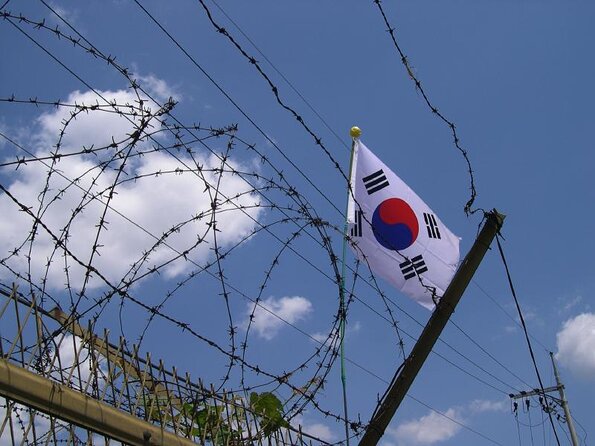
- DMZ access with timed stops: you’ll need to be punctual for entry windows at key sites
- Dora Observatory can show North Korea: clear weather matters for the views
- Third Tunnel is the big physical highlight: it has steep sections and a hiking component
- Monday itinerary centers on Tunnel 2: expect different stops depending on the day you book
- Optional gondola or suspension bridge: choose based on how you want photos vs walking
- English-speaking guide adds context: the best moments come from the explanations, not just the photos
DMZ From Seoul: Why This Tour Feels Different
A DMZ tour is not like a normal sightseeing day. You’re visiting a militarized buffer zone where geography, distance, and restrictions shape everyday life on both sides of the border. For you, that means the day works best if you treat it like a history lesson with real-world scenery attached.
I like that the tour doesn’t dump random stops on you. It builds a story: the DMZ itself, then the tunnel evidence of infiltration attempts, then Dora Observatory for the visual reality of separation, and finally a bridge or gondola option for views and photos near the area.
At $35 per person, the value comes from what’s bundled: air-conditioned transport, admissions to the sites, and a guide who explains what you’re actually seeing. Even if you skip the gondola or bridge option, you’re still paying for a structured day with round-trip transfers and entry tickets that would cost a lot more if you cobbled it together yourself.
You can also read our reviews of more guided tours in Seoul


Getting There in Comfort: The AC Ride and the Real Time Cost
The tour gives you round-trip transfers in an air-conditioned vehicle, which matters because DMZ-area travel time is part of your day. The total duration is listed as about 7 to 11 hours, and that wide range usually comes down to traffic and how the day’s timed entries line up.
Here’s the practical part: the day can feel strict because some stops require exact time slots. So even if your pickup runs late by a few minutes, you can end up losing momentum. I’d go in with the mindset of arriving early, staying close to your group, and letting the guide handle the logistics.
Also note the simple limitation: monorail is not available. The tour relies on bus/vehicle travel plus short walks where required—so wear shoes you’d trust on uneven or slightly wet surfaces.
DMZ Stop: The Buffer Zone That Explains the Whole Conflict
Your first major stop is the DMZ, the buffer zone between North and South Korea. This area stretches about 248 km, and the tour frames it as a physical boundary created to reduce direct contact while the conflict stays politically unresolved.
What I like about starting here is that it gives you a baseline before you move to the tunnels and observation points. You can better understand why the military infrastructure is where it is, and why the rules around viewing and movement exist.
The drawback is also simple: the DMZ stop is time-based. You’ll get a guided visit with a schedule you can’t slow down. If you want to linger for photos, do it thoughtfully—because you’ll need to stay ready for the next timed entrance.
Third Tunnel Walk: The Evidence Stop (And the One You’ll Feel)
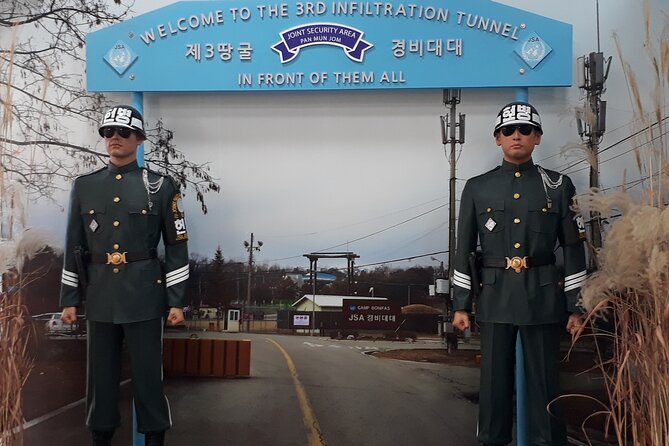
The 3rd Tunnel is one of the tour’s biggest draws. It was discovered by South Korea in 1978 and is about 1,635 meters long, with narrow dimensions (roughly 2 meters by 2 meters). The tour frames it as infiltration capability—one estimate included is that around 30,000 soldiers could have moved through if used.
This is also the stop where you’ll feel the physical side of the day. The tour requires an intermediate-level hiking component to enter the tunnel area, and there are clear health restrictions: if you have heart disease, leg/back issues, or respiratory problems, you won’t be allowed to enter. The route back involves climbing out, and conditions can be slippery if it’s damp.
If you’re flexible and steady on your feet, this is the moment that makes the history real. Even if the tunnel itself is only part of the day, it’s the stop that tends to stick with you.
My advice: bring water, move slowly on the slopes, and don’t assume you can take it easy. You can learn a lot here, but only if you manage your pace.
Dora Observatory: The Clear-Day Reality Check
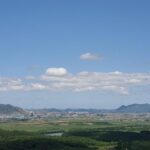
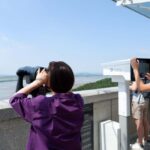
At Dora Observatory, the experience shifts from walking history to seeing separation with your own eyes. On clear days, the tour notes you may be able to see North Korea from the observatory.
This is where weather becomes a major variable. Fog, haze, or cloud cover can make the view disappointing—yet even in limited visibility, the guided explanation helps you understand what the sightline is meant to show. Clear weather isn’t a nice-to-have; it’s part of the value.
The stop also includes Dorasan Station, described as the last station in South Korea. That detail matters because it turns the viewing platform into a real end-of-the-line feeling—an actual place where travel routes stop, not just an idea.
If you’re making one big “optimize the day” choice, this is it: prioritize the conditions for the Dora Observatory portion.




Gamaksan Chulleong Bridge and the Gondola Option
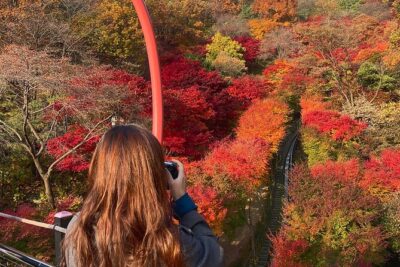
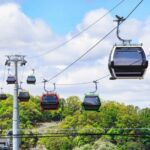
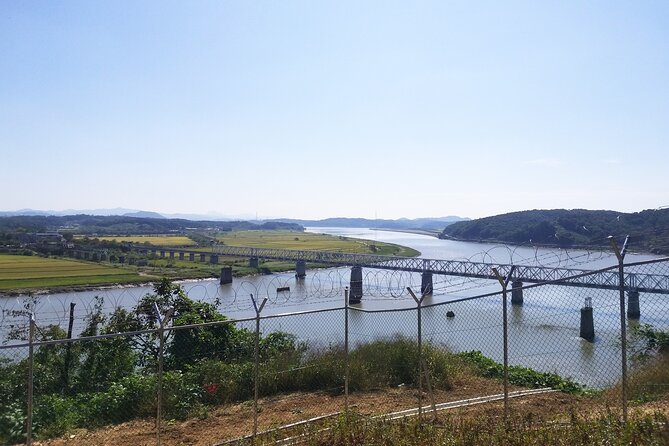
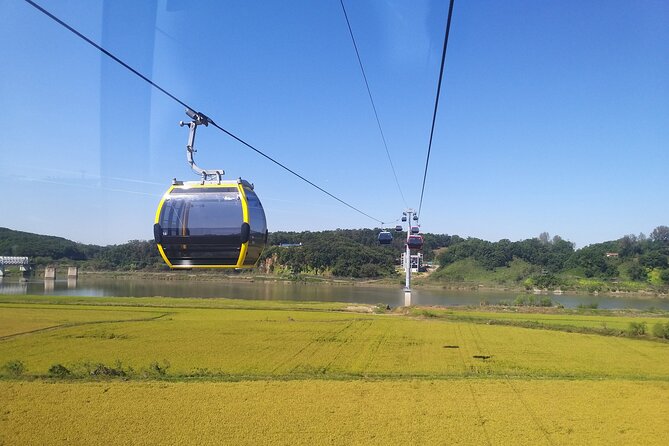
You get to choose between an optional suspension bridge add-on and a cable car (gondola) option, depending on what you select when booking. The bridge option includes visiting the Gamaksan Chulleong Bridge near the DMZ area, with a described lighting feature of black and blue lights.
I like this stop for two reasons. First, it gives you a change of pace after the tunnel and observatory segments. Second, it adds variety to your photo options—especially if the observatory view is less dramatic due to weather.
The gondola option is also worth considering if you’d rather trade some walking for easier sightseeing and photo time. It can feel like a “reward” segment, and it’s helpful if your legs are getting tired from the tunnel hike.
Practical thought: pick based on your energy level. If you’re up for walking, go suspension bridge. If you want an easier visual add-on, gondola tends to fit better.
Second Tunnel and Monday’s Peace Stops
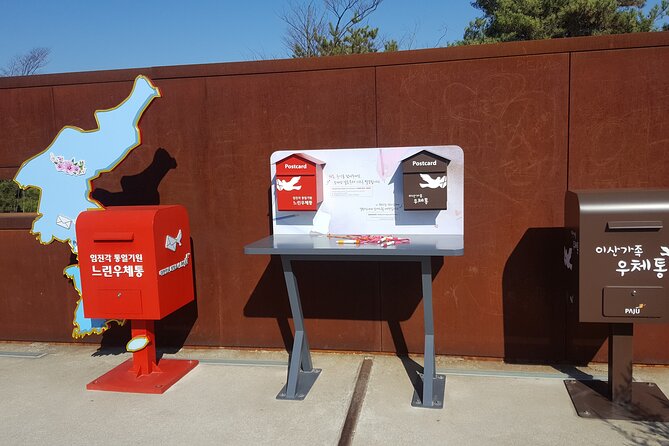
There’s a key schedule difference: Mondays run a different plan than the rest of the week. On Monday, the tour includes the 2nd Tunnel, plus stops listed as Peace Observatory, Woljeongri Station, and the suspension bridge.
On Tuesday through Sunday, the tour route centers on the 3rd Tunnel and Dora Observatory, along with Unification Village tied to the gondola or suspension bridge choice you made.
This means you should book with your day-of-week goals in mind. If you’re fixated on Tunnel 2, Monday is your day. If your priority is Dora Observatory’s clear-day viewing, look at the days that best match your weather expectations.
Unification Village and the Tunnel vs. View Balance
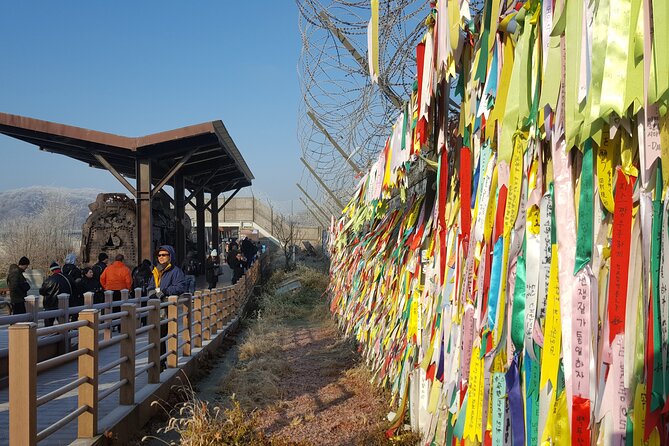
Unification Village is included on the Tuesday–Sunday route, adding a more people-and-future-facing stop compared to the heavy tunnel theme. I find it helps balance the emotional weight of the DMZ and tunnel sites.
But it won’t replace the “wow” of Dora Observatory or the physical impact of the tunnel. Instead, it rounds out the story: the border isn’t just barbed wire and concrete; it also touches how people imagine reunification and what’s possible.
If you tend to burn out during long structured days, this segment can be a mental reset—because it feels less like a strict history site and more like a place where visitors can take in the meaning of the situation.
Timing, Walking, and How to Not Feel Rushed
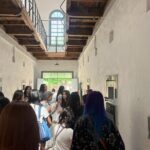
Here’s the recurring theme with DMZ tours: you don’t get to wander. You follow the group, hit timed entrances, and move when the schedule says move.
Walking is real. Even on the less intense parts, you’ll likely do short hikes and stairs. For the tunnel portion, expect a noticeable climb out. From the experience details provided, the steep sections can be around 350 meters of incline walking each direction, and damp conditions can make it slick.
My best advice is simple:
- Wear grippy shoes you can trust on slopes.
- Keep your daypack light. You might need to manage luggage rules, and the tour asks you to discuss luggage size and number in advance.
- Bring a small snack and water. Meals aren’t included, and the day often has shop stops where you can buy lunch late in the schedule.
If you’re the type who loves slow museum browsing, this tour can feel fast. But if you like a guided, high-impact day where each stop builds on the last, the tempo helps.
Price Value: $35 and What You’re Actually Buying
At $35, this is one of the more budget-friendly ways to do DMZ sights from Seoul—mainly because so much is bundled. You’re getting:
- air-conditioned round-trip transport
- admissions to the included attractions
- an English-speaking guide/driver
- and the gondola or suspension bridge add-on if you selected it
When you add up typical costs for multiple entry tickets plus guided transport, the price starts to make sense. The real “cost” isn’t money—it’s your schedule and your physical energy for the tunnel route.
I’d treat this as a value play for a full-structure DMZ day. It’s also a good option if you want the guide’s explanation to do the heavy lifting. The sites are striking, but the context is what turns them into a deeper experience.
Who This Tour Is Best For
This DMZ tour is a strong fit if you:
- want a guided, structured day rather than planning stops yourself
- care about the Korean War story and its ongoing effects
- want the Dora Observatory clear-day chance to see North Korea
- don’t mind walking and following a strict schedule
It’s also ideal if you like meeting guides who can mix serious history with humor and clarity. Names you might encounter include Patrick, Roy, Ki, Andrew, and April, and the common thread is strong communication that keeps the day moving.
Who Should Skip (Or Choose Carefully)
Be cautious—or skip the tour entirely—if you have health concerns related to the tunnel visit. The tour is explicit that you cannot enter the 3rd Tunnel with heart disease or certain leg/back/respiratory problems. The tunnel route also requires intermediate hiking effort, and it can be steep.
If you’re slow moving, it may feel too demanding. The route includes steep descents and climbs, and even short segments can add up quickly in a full-day schedule.
Also, if you’re traveling with very limited mobility, you may miss the most memorable part of the tour. That’s not a criticism—just an honesty about where the tour’s main value sits.
Final Recommendation: Should You Book This DMZ Tour?
If you want a high-impact DMZ day with minimal planning stress, I’d book it—especially for the mix of DMZ context, tunnel evidence, and Dora Observatory. The price is hard to ignore, and the guided storytelling is what turns a remote border area into an understandable, human-scale experience.
Do this only if you can handle:
- punctual timing and strict time slots
- walking, including the tunnel incline
- the chance that fog or bad visibility may limit what you can see from Dora Observatory
If that sounds like your kind of day, you’ll likely come away with a stronger grasp of the peninsula’s tension than any photo could provide.
FAQ
FAQ
How long is the DMZ guided tour from Seoul?
The duration is listed as approximately 7 to 11 hours, depending on timing and conditions.
What’s included in the $35 ticket price?
You get an air-conditioned vehicle, admission to the attractions, an English-speaking tour guide/driver, and round-trip transfers. Admission also covers the main sites, and the gondola/cable car or suspension bridge is included if you selected that option.
Do I see the 3rd Tunnel and Dora Observatory every day?
Not exactly. The tour notes that Monday focuses on the 2nd Tunnel, Peace Observatory, and Woljeongri Station, while Tuesday through Sunday includes the 3rd Tunnel and Dora Observatory.
Can I choose gondola or suspension bridge?
Yes. Gondola and suspension bridge are both optional, and you select which one(s) you want when booking.
What time is the Dora Observatory view best?
The tour states that if weather and visibility are clear, you may be able to see North Korea from Dora Observatory.
Is the Third Tunnel visit strenuous?
It requires intermediate-level hiking, and the tour states you may not enter the 3rd Tunnel if you have heart disease or certain leg/back/respiratory problems. There is also walking involved for the tunnel access.
What happens if the 3rd Tunnel is unavailable?
If the 3rd Tunnel can’t be visited, the tour can be changed to another destination.
Is monorail available on this tour?
No. The tour explicitly notes that monorail is not available.
What if the tour is canceled due to weather or politics?
The tour can be canceled because of weather or political situations. In that case, you’ll be offered a different date or a full refund.
Can I cancel for free?
Yes. You can cancel up to 24 hours in advance for a full refund, based on local time at the experience location.