REVIEW · DMZ TOURS
365-day DMZ Special Tour including Monday & Public Holiday
Book on Viator →Operated by Seoul N Tour · Bookable on Viator
The DMZ feels close and personal. This 365-day DMZ Special Tour from Seoul strings together the key South Korean “front-line” sites, with a real guide keeping the story straight from the Korean War to today. I especially like how the route adjusts based on the day, so you still see major memorials even when certain DMZ areas are off-limits.
Two things I really enjoyed: first, the guided flow between Imjingak Peace Nuri Park and the border-view observatories, so it is not just photos. Second, the way the tour handles the two different itineraries (Monday/public holidays vs Tuesday–Sunday), including the 3rd Tunnel when it is available. If you want one schedule that always feels full, this design helps.
One consideration: it is an early start and the time at each stop is tight. Also, the 3rd Tunnel and the Heroes Suspension Bridge route can be physically demanding, so plan accordingly.
In This Review
- Key highlights worth planning around
- Price and logistics: what $59 buys for a full DMZ day
- Early pickup in Seoul and the long drive to the border
- Imjingak Peace Nuri Park: where the DMZ story starts
- Tuesdays to Sundays: the 3rd Tunnel, theater exhibits, and Unification Village
- Mondays and public holidays: gondola views and the Gloster Hill + Heroes Bridge route
- Entering the North Korea border zone: what you really gain
- Weather, rain, fog, and sudden security changes
- How guides shape the day (and why it matters)
- Who this DMZ tour fits best (and who should reconsider)
- Should you book this 365-day DMZ Special Tour?
- FAQ
- How much does the tour cost?
- Where does the tour start and end?
- How long is the experience?
- What is different about the itinerary on Mondays and public holidays?
- What do Tuesday to Sunday tours typically include?
- Is lunch included?
- Can I cancel for a full refund?
Key highlights worth planning around
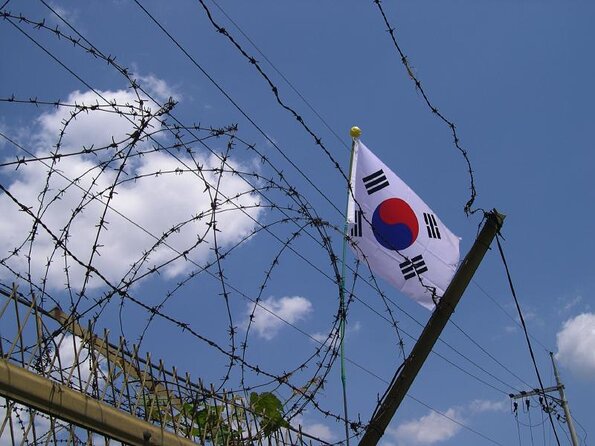
- DMZ-ready day structure: Monday/public holiday itinerary swaps in gondola, observatories, and memorial bridges when the 3rd Tunnel is closed.
- Border views without guesswork: you get guided context before you look across the line.
- Memorial-heavy stops: Freedom Bridge, Gloucester Hill, and the British Army memorial sites keep the human story front and center.
- Top guides show up: names like Sookhee, Mr Young, Roy, Chloe, and Veronica appear repeatedly in guide feedback for a reason.
- Weather and security reality: on foggy or restricted days, the plan can shift to indoor halls or alternate locations.
Price and logistics: what $59 buys for a full DMZ day
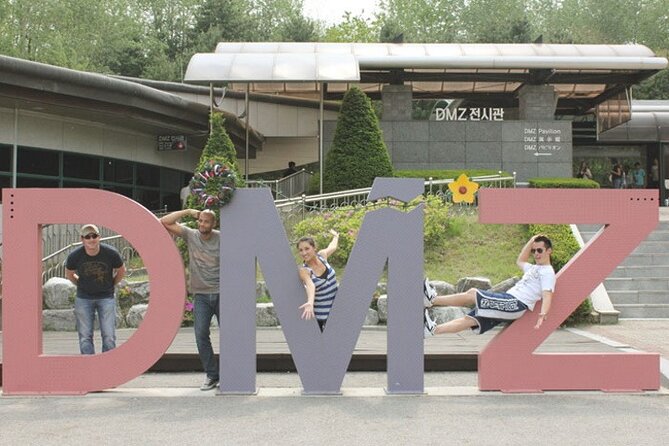
At $59 per person, this tour is priced like a serious day excursion, not a casual bus ride. The value is in three places: (1) you are not stuck figuring out transport to a military area, (2) you get an English-speaking guide all day, and (3) the itinerary is built around what is actually open on your day.
It runs about 9 hours. Pickup starts early in the morning, and the ride back lands you back around 3:30pm at Seoul City Hall Station. A mobile ticket is provided, which helps if you like to keep your phone tidy and avoid paperwork.
Just remember what is not included. Lunch and drinks are not included, so plan for your own food or snacks. One practical tip that comes up a lot for Monday-style days: bring snacks if you are traveling during a period when food options are limited near the route.
You can also read our reviews of more tours and experiences in Seoul.

Early pickup in Seoul and the long drive to the border
This is a pickup-and-go experience. You choose from pickup options at a small set of Seoul subway stations, and the day starts with enough morning buffer that the group stays on time. The tour also asks you to arrive about 10 minutes early at your meeting point, which matters because you do not want to be the person holding up the bus before a time-sensitive DMZ schedule.
The early start sounds painful until you realize what it buys you: more “daylight viewing time” for the outdoor memorials and observatory viewpoints. You also travel in a comfortable group setting, not by yourself, which reduces the stress level dramatically when you are heading into a place that runs on restrictions and schedules.
One more logistics detail to keep in your head: the tour can end at City Hall Station, but if crowds and traffic make entry difficult, it may reroute the finish to Hongik Univ. Station (Hongdae). That is rare, but it is smart to know ahead of time so you do not think something broke.
Imjingak Peace Nuri Park: where the DMZ story starts
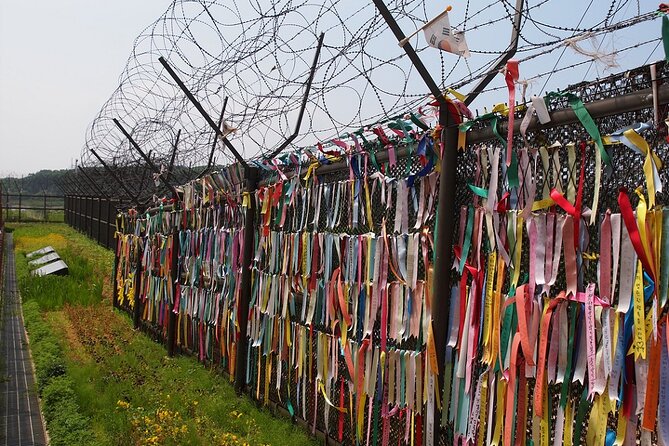
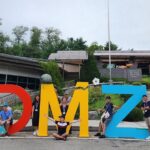
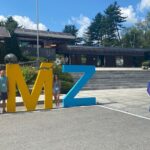
Most days begin at Imjingak Pyeonghoa-Nuri Park, a place set up for reflection on the war’s human toll. The park is free to enter and designed as a “symbol stop” before you move toward the more technical sites.
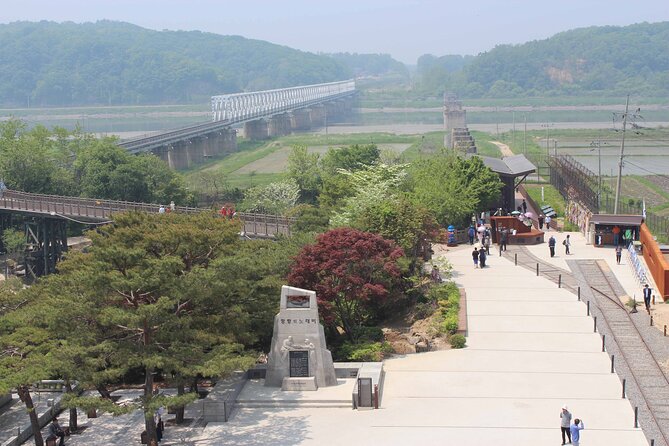
This is where you see pieces like the Freedom Bridge and the Soldiers’ Memorial. It is not just scenery. The guide’s job here is to connect the memorial language to the modern border reality, so later stops (tunnel engineering, observatory viewpoints, and village routes) make more sense.
After that, the schedule adds another Imjingak-area stop: Imjingak-ro and the North Korea Experience Hall. This is free and short, but it is useful if you want an easier entry point into North Korea-related topics before you head toward the border-view sites. It is also a nice “mental reset” between memorials and the more demanding portions of the day.
Tuesdays to Sundays: the 3rd Tunnel, theater exhibits, and Unification Village
If you are traveling Tuesday through Sunday, your day leans into the “engineering + viewing” side of the DMZ.
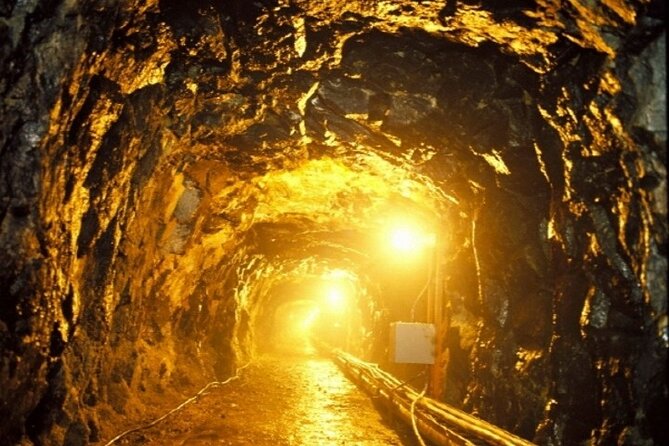
The biggest draw is the Third Tunnel (3rd Infiltration Tunnel). It is about 30 minutes on-site, and the visit includes the admission ticket when it is part of your route. The practical value here is that this stop gives you a concrete sense of how the DMZ is not just a line on a map. It is also a landscape of attempted crossings and military planning.
After the tunnel, you move to an indoor option: either the DMZ theater or an exhibition hall. This is where the day helps you if you happen to be foggy or if outdoor views are limited. Indoor media turns a “maybe we cannot see much” situation into something still worth your ticket.
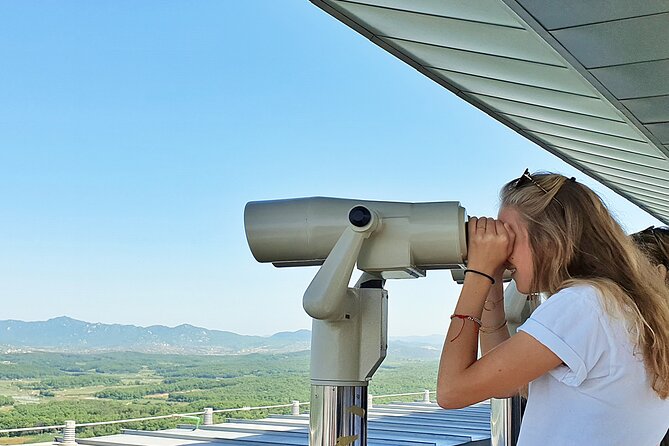
Next comes the Dorasan observatory area (about 30 minutes). This is your moment to look across the border from a high viewpoint and understand how the guide frames what you see. The tour also includes Unification Village on these days, which gives a more “today” feeling after the tunnel and the conflict-focused exhibits.
Two practical notes for this route. First, this itinerary packs more walking and standing into the day. Second, the tunnel portion is specifically described as physically demanding, so it is not ideal if you have heart conditions or are pregnant.
Mondays and public holidays: gondola views and the Gloster Hill + Heroes Bridge route
On Monday and national holidays, the tour follows a different logic because the 3rd Tunnel and some other DMZ areas may be closed. Instead, the day stays focused on observatory viewpoints and war-memory landmarks.
The Monday flow typically goes like this: Imjingak Peace Nuri Park, then the DMZ Peace Gondola, and onward to either Jangsan Natural Observatory or Odusan Unification Observatory. Those observatory stops are your “look-across-the-border” moments, and the gondola adds a smoother way to experience the Imjin River area than walking alone.
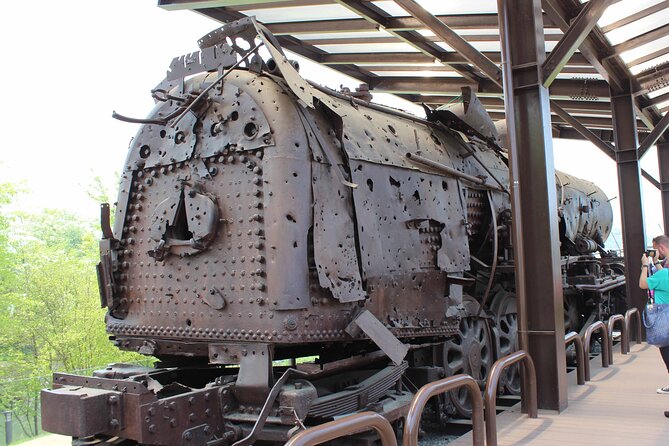
After that, you hit the memorial-heavy stretch: Gloster Hill Memorial Park and the Heroes Suspension Bridge route. These are the days when the tour feels more like a moving memorial walk than a technical sightseeing checklist. The Gloucester Regimental Battle memorials and the bridge stop connect the Korean War’s foreign troop involvement to the terrain you are standing on.
On these days, you may also see additional history points tied to the British Army memorial site and other Heroes Bridge-related references. If your priority is the war story anchored to physical landmarks, the Monday route can actually feel emotionally complete.
One more tip that can matter: because lunch is not included and options may be limited, I suggest treating this as a “snack planning day.” Bringing your own snacks helps you avoid the slow-down feeling when only a small handful of places are open.


Entering the North Korea border zone: what you really gain
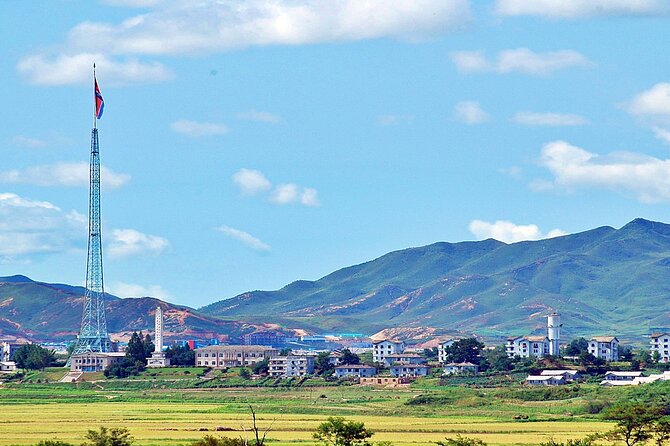
A key promise of this tour is a border moment from the observatory viewpoint. Even without going deeper than what your day allows, you get something important: perspective.
Standing at an observatory after hearing the guide’s explanation changes how you process the scene. It is no longer just a wide view. You understand the line, why the terrain matters, and why the DMZ stays frozen in time. That is also why the order of stops is smart. You build context at Imjingak, then you look.
On days when certain areas are closed, the tour still tries to keep that perspective-building intact by using memorial sites and alternate observatories.
Weather, rain, fog, and sudden security changes
This is where you should keep your expectations practical. The DMZ can be unpredictable. If the weather is rough or if security restrictions change, some stops like Gloster Hill Memorial Park and the Heroes’ Suspension Bridge may close. In those cases, the tour swaps to alternate locations such as the Odusan Unification Observatory or the War Memorial of Korea instead.
Fog can also reduce what you see from outdoor viewpoints. The good news is that the itinerary includes indoor options (the theater or exhibition hall on Tuesday–Sunday routes, and alternate indoor-focused stops on restricted days), so the day rarely becomes a total loss.
The tour also notes that the DMZ may be shut suddenly without prior notice, and refunds are not provided in those cases. That is not a reason to skip. It is a reason to pack a flexible mindset. Go for the guided context and the memorial landmarks. Those are still worth your time even when visibility is not perfect.
How guides shape the day (and why it matters)
The guide is a huge part of what makes this tour work. The feedback I see repeatedly centers on people like Sookhee, Mr Young, Roy, Chloe, and Veronica, with praise for how they keep the group moving smoothly and explaining what you are looking at.
For your day, that means two things. First, you are less likely to feel lost while staring across a border. The guide connects each stop to the wider war story and today’s reality. Second, you avoid the awkward “sit and guess” feeling that can happen on long DMZ days. Good pacing and clear explanations turn eight or nine hours of waiting and walking into something that feels purposeful.
Even when time is limited at each stop, a strong guide helps you squeeze meaning out of short visits.
Who this DMZ tour fits best (and who should reconsider)
This tour is a strong match if you want a guided, high-signal DMZ day without the hassle of arranging transport yourself. It is also a good fit if you are interested in both the technical side (like the Third Tunnel on Tuesday–Sunday) and the memorial side (like Freedom Bridge, Gloster Hill, and the Heroes Suspension Bridge route on Monday/public holidays).
It is not ideal if you cannot handle physically demanding elements. The tour specifically flags that the 3rd Tunnel and the Heroes Suspension Bridge area are demanding, and it is not recommended for people with heart conditions or serious medical issues, or for pregnant travelers.
Also, keep your energy level realistic. People do a lot of walking and quick transitions between stops. If you like a slower pace, this might feel rushed.
Should you book this 365-day DMZ Special Tour?
I think this tour is a smart booking if you want one structured day that works across the calendar, including Mondays and public holidays. The “different itinerary on different days” approach means you are less likely to feel cheated when closures happen.
Book it if:
- you want a guided DMZ experience starting from central Seoul
- you care about memorial landmarks as much as border views
- you are flexible enough to accept that weather and security can change the exact mix of stops
Skip or rethink it if:
- you need a low-walking, low-strain day (the tunnel/bridge can be demanding)
- you hate tight timing and quick transitions between sites
- you are uncomfortable with the possibility of last-minute changes in a military zone
If you do book, bring snacks (especially for Monday-style days), wear shoes you can trust, and keep a flexible attitude. This is one of those rare tours where the value comes from context as much as the sights.
FAQ
How much does the tour cost?
The price is $59.00 per person.
Where does the tour start and end?
It starts at Seoul City Hall Station and ends back at Seoul City Hall Station, with the end time around 3:30pm. Due to crowds and traffic, the tour may instead conclude at Hongik Univ. Station (Hongdae).
How long is the experience?
The duration is about 9 hours.
What is different about the itinerary on Mondays and public holidays?
On Mondays and national holidays, the tour follows a different route that includes Imjingak Peace Nuri Park, the DMZ Peace Gondola, then Jangsan Natural Observatory or Odusan Unification Observatory, and visits Gloster Hill Memorial Park and the Heroes Suspension Bridge.
What do Tuesday to Sunday tours typically include?
On Tuesday to Sunday, the tour visits Imjingak Peace Nuri Park, the 3rd Infiltration Tunnel, a theater or exhibition hall, Dorasan Observatory, and Unification Village.
Is lunch included?
No. Lunch and individual food and drinks are not included.
Can I cancel for a full refund?
Yes. Cancellation is free if you cancel at least 24 hours in advance of the experience start time for a full refund. If you cancel less than 24 hours before, the amount paid is not refunded.