REVIEW · DMZ TOURS
Seoul: DMZ The 3rd Tunnel and Suspension Bridge Tour
Book on GetYourGuide →Operated by I LOVE SEOUL TOUR Co., Ltd. · Bookable on GetYourGuide
Some days in Seoul feel like they end fast. This one spends the whole day at the edge of a divided peninsula, with DMZ access and story-first stops led in English by guides like Winnie and Sophie.
What I like most is that you get both context and moments you can see, from the Third Infiltration Tunnel to the Dora Observatory view. The only real drawback to plan for is the long day plus walking in places that are not stroller-friendly.
Here’s why it works so well: the tour is paced like a guided lecture you can stand inside, with smart timing at each site and clear explanations along the way. I also appreciate the way the best guides (I’ve seen names like Kenny, Grace, and Lucky) use humor and personal stories without turning the topic into a joke.
The consideration is simple: if your body doesn’t do well with slopes or hikes, or if you’re sensitive to crowds and security rules, this may feel like more effort than you expected.
In This Review
- Key highlights worth marking on your map
- A 9-hour DMZ day: what you actually get for $65
- Imjingak Park and Freedom Bridge: where the war feels close
- The DMZ segment: short, structured, and security-minded
- Entering the 3rd Infiltration Tunnel: narrow, steep, and unforgettable
- Dora Observatory: where clear skies matter
- Mount Gamak Red Suspension Bridge: photos plus war-era emotion
- Guides make or break the day (and this tour has the goods)
- What to wear and how to pace the walking
- Who should book this DMZ tour from Seoul?
- Should you book this DMZ tunnel and suspension bridge tour?
- FAQ
- FAQ
- Do I need a passport for this DMZ tour?
- How long is the tour?
- Is JSA (Panmunjom) included?
- What’s included in the price?
- What should I bring for the day?
- Is there food included?
- Can I skip the tunnel walk?
- Is this tour suitable for wheelchair users or people with heart problems?
- What happens if the DMZ tour is canceled or changes due to military or weather rules?
Key highlights worth marking on your map
- Imjingak Park and Freedom Bridge: war-era landmarks tied to the demarcation line
- The 3rd Infiltration Tunnel: a long, narrow walk with steep footing
- Dora Observatory: panoramic North Korea viewpoints, best on clear days
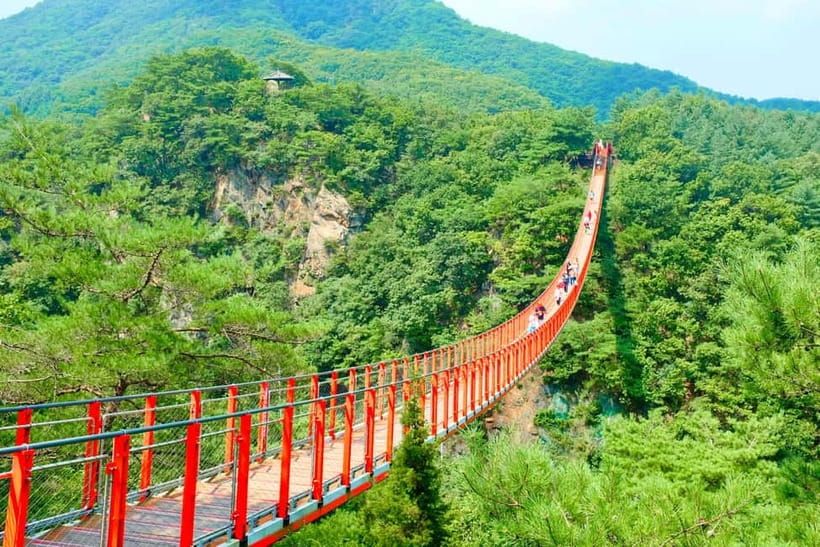
- Mount Gamak suspension bridge: dramatic photo time tied to the Battle of Solma-ri
- English live guiding: clear explanations with stories that make the day stick
- Time-efficient itinerary: multiple DMZ-related stops in one 9-hour swing
A 9-hour DMZ day: what you actually get for $65
For $65 and about 9 hours, you’re buying three things in one package: transport, official access-style sightseeing, and a guide who explains the Korean War logic behind what you’re seeing. You’re not just looking at buildings. You’re learning why these exact places matter, then moving to the next stop before the day loses momentum.
The value shows in how the schedule is built around meaning, not checkboxes. You start with a briefing-style ride where your guide shares Korean War context, then you move into Imjingak Park’s memorial space. After that, the day gets more physical with the tunnel and more visual with Dora Observatory and the suspension bridge.
Two practical notes shape your experience. First, the DMZ area is operated by the military, so conditions can change. Second, the tour includes walking that’s not optional in spirit, even when you get choices at the tunnel. You’ll want to treat this as a day outing with shoes-on time, not a quick half-day.
Also, you’ll be relying on a passport. That’s not a small detail here. Bring it.
You can also read our reviews of more tours and experiences in Seoul.

Imjingak Park and Freedom Bridge: where the war feels close
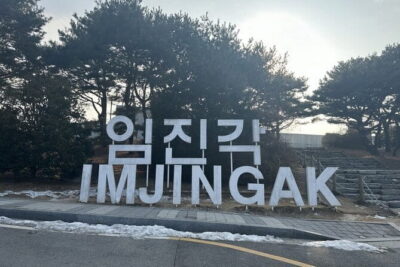
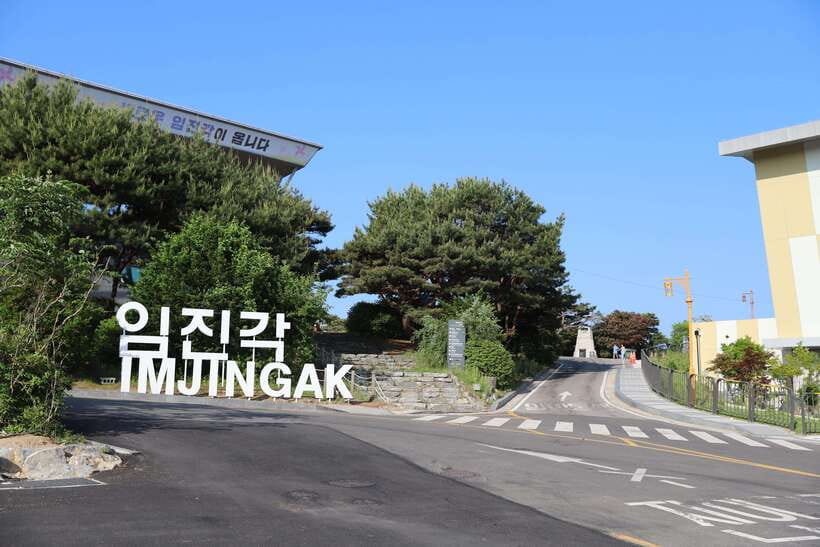
Imjingak Park is your first big “this is real” moment. It sits about 7 kilometers from the Military Demarcation Line, and it’s set up as a place to process the war’s human side. The guide’s job here is huge: you’re learning the timeline, the purpose of the site, and why the landmarks are still used as reference points today.
Look for the Mangbaedan Altar and the Bridge of Freedom in your stop. These aren’t just scenery. They function like anchors that help you connect the Korean War to the present-day division. You may also get time for Dokgae Bridge, which was destroyed during the Korean War and later reconstructed.
What I like about starting here is that the day doesn’t jump straight into military infrastructure. You ease in first, with explanations that give you a framework before you move to the tunnel and the observatory. If you’ve ever visited a memorial abroad and wished the guide had tied it to practical history, this is that approach.
You also get a short break at Imjingak before moving deeper into the program. That matters because the afternoon shifts from “standing and listening” to “standing and walking.” If you’re sensitive to cold or want to take photos without rushing, use that time.
The DMZ segment: short, structured, and security-minded
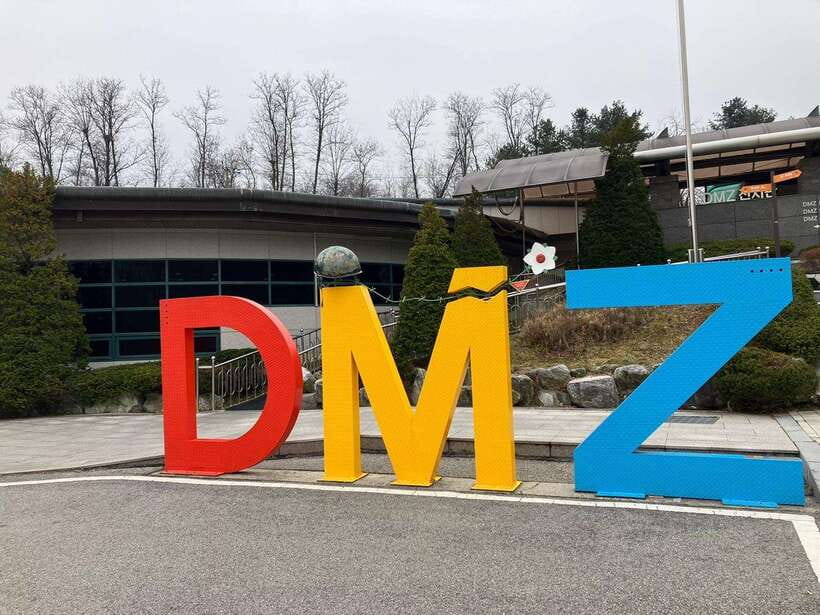
After Imjingak and the bridges, you’ll have a guided stop connected to the Demilitarized Zone itself. The point is not to pretend you’re getting free roam access. It’s controlled viewing and structured explanation, designed to keep you informed while staying inside military and government rules.
Even if you’ve read a lot about Korea, this section usually lands differently because the guide keeps returning to cause-and-effect: what events led to this arrangement, why it holds, and what people on both sides have had to live with. The best guides in this program tend to do something practical here—clear, English explanations that help you follow the logic instead of memorizing terms.
A useful thing to know up front: the itinerary can shift. Since the DMZ is military-operated, cancellations can happen without prior notice. And on some days, you may not visit every planned stop; the tour can swap in alternatives like an unification observatory, a war museum stop, or an art space.
So go in expecting the day to be real-world flexible, not a film shot exactly the same way every time.
Entering the 3rd Infiltration Tunnel: narrow, steep, and unforgettable
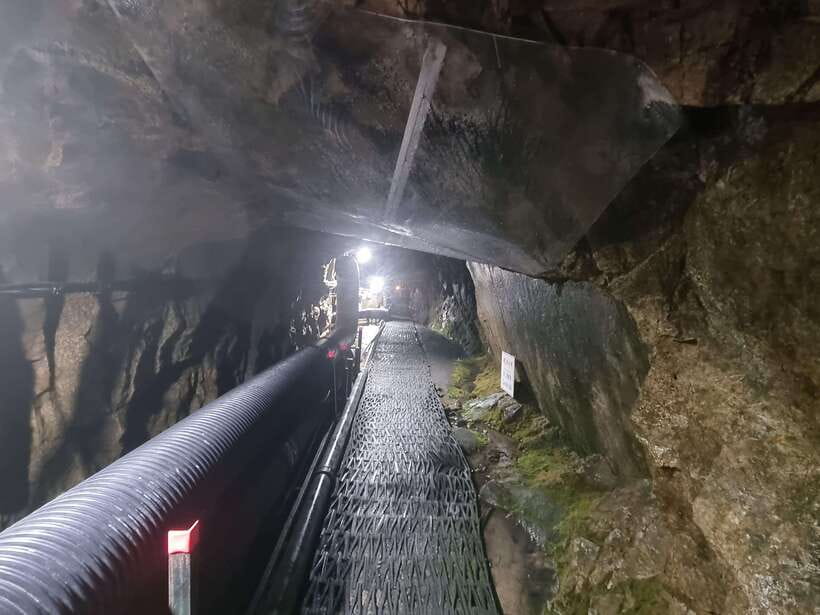
If you want one stop that feels like it’s physically teaching you something, it’s the 3rd Infiltration Tunnel. It stretches 1,635 meters, and the tunnel is only about 2 meters in width and height. That means you’re walking through the scale of the operation, not just reading about it.
The big practical warning is the slope. The tunnel has a steep incline and a round trip can take about 30–40 minutes on foot. That’s why the tour flags it as challenging for children and the elderly, and why you can sometimes wait in front of the tunnel if needed. You’re still part of the experience, but you’re not forced into a steep walk if you can’t do it comfortably.
For photos, the tunnel is tricky. Lighting isn’t built for Instagram. It’s built for passage and viewing restrictions. So treat the pictures as secondary. The main value is the guided context before you step in, and the sobering feeling you get when you realize how constrained the space was meant to be.
If you’re visiting with someone who gets tired fast, this is the place to plan your pacing. Wear shoes with real grip, and keep expectations realistic. This is not a “quick photo walk.”
Dora Observatory: where clear skies matter
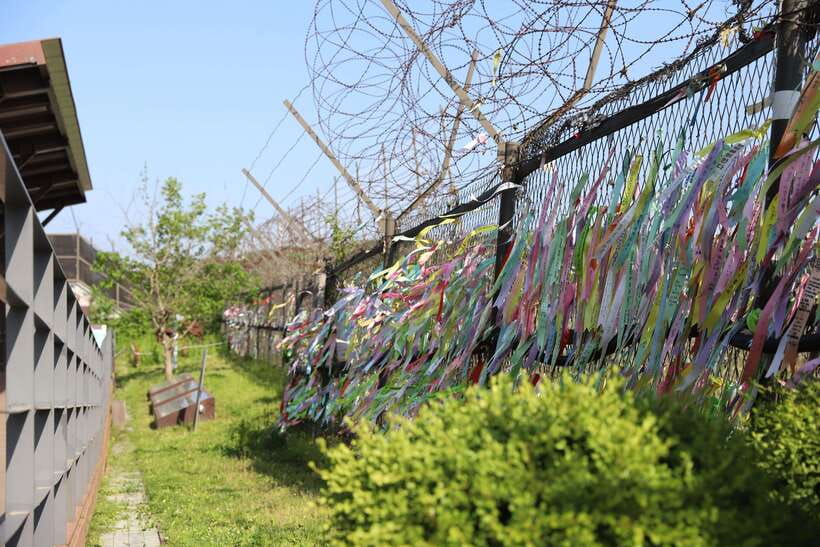
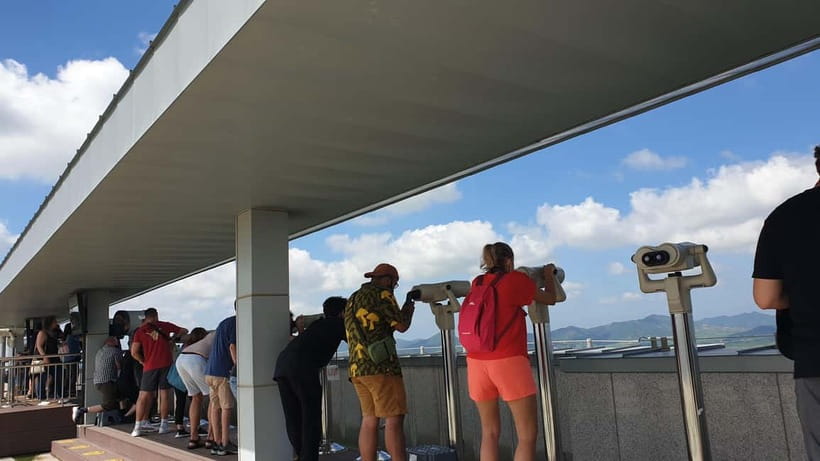
Dora Observatory is your main “North Korea from South Korea” viewing moment. Here, you get panoramic views of North Korea and key locations. On clear days, you might even catch signs of daily life in the distance—again, that depends on visibility, so don’t count on it.
This stop works best when you treat it like an information session with a view, not just a photo deck. Your guide will connect what you’re seeing to the wider story of the conflict and the ongoing division. That connection is where the observatory becomes meaningful.
One reason I’d call Dora a highlight is that it changes your mental picture of the DMZ. A lot of people think of the DMZ as an abstract line. Dora turns it into a set of angles and distances you can look at.
If the day is cloudy, you’ll still learn. The sky just decides how sharp the view is. The tour guides in this program do a good job of keeping the day informative even when conditions aren’t perfect.

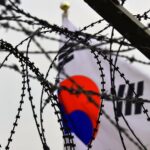
Mount Gamak Red Suspension Bridge: photos plus war-era emotion
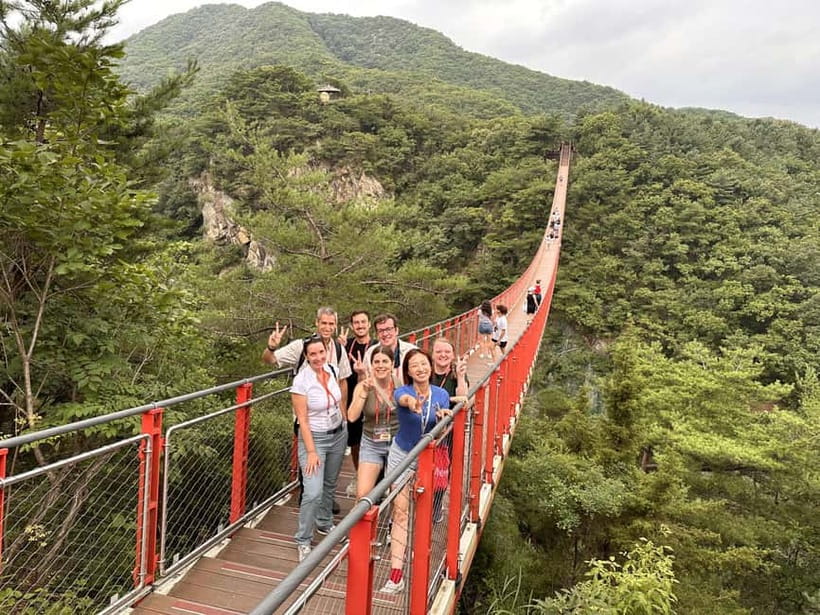
After the tunnel and observatory, you’ll head toward the Gamak Mountain suspension bridge area. The tour specifically calls out the Red Suspension Bridge and ties it to the Battle of Solma-ri, including the role of British troops in that fight during the Korean War.
This part is not only historical; it’s also physical in a gentle way. You’ll hike about 40 minutes to reach the suspension bridge viewpoint. That means you should treat it as walking time with stops for photos, not a sit-and-stare attraction.
The payoff is that you get wide views and strong photo angles. Suspension bridges have that natural “scale” effect, and here the scale matters because the location has a specific historical story. Your guide’s commentary should help you see beyond the pretty angles and understand why people remembered this area.
One practical note: the tour strongly recommends you avoid flip-flops, slippers, and heels. Even if the route looks calm on a map, you’ll want grip and ankle support.
Guides make or break the day (and this tour has the goods)
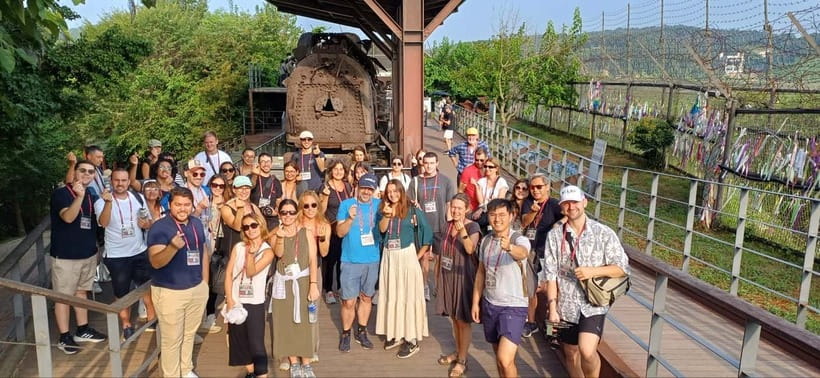
A DMZ tour can be either stiff and scripted, or human and clear. This one tends to land on the human side thanks to the guides. Names that show up in the guide experience include Winnie, Sophie, Kenny, Grace, Lucky, Andy, and others, and the common thread is energy with structure.
Many guides use humor to keep the group engaged while staying respectful. Kenny, for example, is highlighted for jokes and storytelling energy. Winnie is praised for clear, sensitive explanations that connect emotionally without turning the sites into a spectacle. Sophie is noted for personal anecdotes and careful pacing. Grace and Lucky are also described as attentive and friendly, checking that everyone stays comfortable.
What you should watch for as you go: a guide who explains “why this stop exists” and “what to look for.” That’s what turns a bus day into a memory. The best guiding here doesn’t just state facts. It gives you a way to understand the area and carry it with you after you leave the gates.
What to wear and how to pace the walking
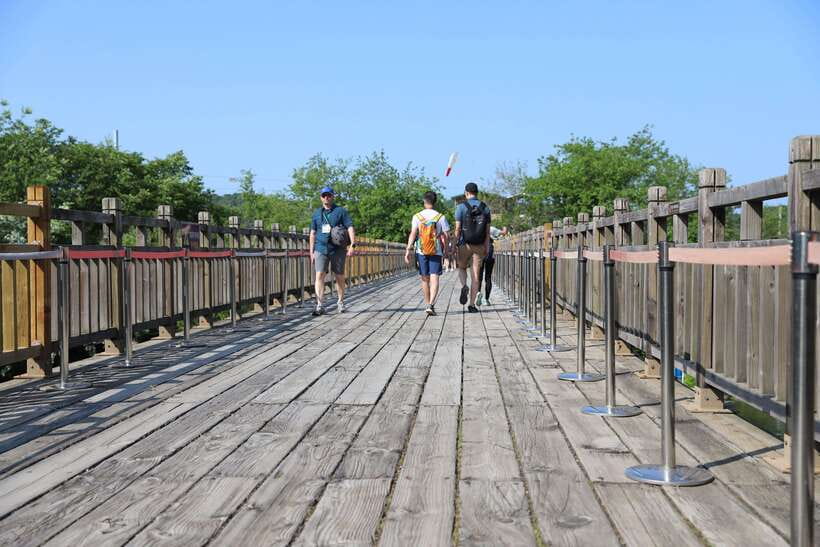
This tour is family-friendly in the sense that it includes English explanations and multiple stops for pictures, but it is still a long day with walking challenges.
Here’s what matters most:
- Shoes beat sandals. The bridge hike and tunnel slope both reward supportive footwear.
- The tunnel is narrow and steep. Expect a slow pace and give yourself time to breathe.
- The suspension bridge involves about a 40-minute hike. Build in breaks for photos and rest.
If you have heart problems, this is listed as not suitable. Wheelchair users are also not suitable. Even if you’re “mostly fine,” consider the slope and walking time as the real challenge, not the overall length of the day.
Also, you’re in a security-controlled environment. The rules include no intoxication, no alcohol or drugs, and no smoking in the vehicle. Unaccompanied minors aren’t allowed, so keep everyone’s situation in check.
Finally, bring your passport. It’s required.
Who should book this DMZ tour from Seoul?
I’d tell you to book if you want a full day that balances history, views, and a guided story that holds together. If you’re the type who likes understanding cause-and-effect—why the demarcation exists, what the war changed, and what the present looks like from key viewpoints—this tour is built for you.
It also works for families who can handle a long day and some slopes, because the schedule is organized and the guide commentary is in English with time built in for exploration and photos.
You might think twice if:
- You have mobility limits or difficulty with steep slopes.
- You don’t want a day that can feel physically tiring, even with breaks.
- You strongly prefer attractions where you can sit most of the time.
Should you book this DMZ tunnel and suspension bridge tour?
Yes, if you’re coming to Seoul for more than city food and palaces and you want one concentrated day that connects the Korean War to the geography you’ll remember.
The price is reasonable for a guided, long transport day with multiple major sites, entrance fees included, and English guiding that keeps the day understandable. Guides like Winnie and Sophie, plus the emphasis on timing and clarity, are a big part of why the experience is rated so highly.
Book with eyes open: you’re dealing with weather, military scheduling, and walking time. If you pack the right shoes, bring your passport, and accept that the day may adjust, you’ll get a powerful, thoughtfully guided look at the DMZ’s real-world edges.
FAQ
FAQ
Do I need a passport for this DMZ tour?
Yes. A passport is required for the tour.
How long is the tour?
The duration is 9 hours.
Is JSA (Panmunjom) included?
No. The tour does not include a visit to JSA/Panmunjom.
What’s included in the price?
The price includes entrance fees, roundtrip shared transfer, a licensed professional DMZ tour guide, and transportation by an air-conditioned bus or minivan.
What should I bring for the day?
Bring your passport. Also plan to wear comfortable shoes since there is a suspension bridge hike and the tunnel involves steep footing.
Is there food included?
No. Food and drinks are not included.
Can I skip the tunnel walk?
The tour notes that the tunnel has a steep slope and takes 30–40 minutes round trip on foot, and it is possible to wait in front of the tunnel. Details depend on conditions on the day.
Is this tour suitable for wheelchair users or people with heart problems?
No. It’s not suitable for wheelchair users, and it’s also listed as not suitable for people with heart problems.
What happens if the DMZ tour is canceled or changes due to military or weather rules?
Since the DMZ is operated by the military, the trip may be canceled without prior notice. The itinerary can also change due to weather, military, and government regulations, and the tour may visit alternative sites without a refund being offered.