REVIEW · DMZ TOURS
Seoul: DMZ Tour with Optional Suspension Bridge
Book on GetYourGuide →Operated by I LOVE SEOUL TOUR Co., Ltd. · Bookable on GetYourGuide
A few hours from Seoul, history gets real. This DMZ tour pairs Imjingak’s Freedom Bridge with a guided look at the 3rd Infiltration Tunnel and the long-range views from Dora Observatory, all in English with a live guide. You’re also promised the kind of context that makes the Korean War feel local, not textbook.
My favorite part is how the day balances emotion and facts: you get time to understand the division, then you’re shown where that division shows up on the ground. The other big win is the optional Gamaksan Suspension Bridge stop, which adds an extra layer of scenery and story if you want more than a standard DMZ loop.
The main consideration is physical effort. The 3rd tunnel involves a steep, sometimes slow descent and climb, and the suspension bridge option adds a real hike (so plan for walking).
In This Review
- Key things to know before you go
- Seoul to the DMZ: what this day trip really gives you
- Imjingak Park and the Freedom Bridge: a poignant opening
- DMZ Theater, Exhibition Hall, and the 3rd Infiltration Tunnel
- Dora Observatory: the view that makes the buffer zone click
- Unification Village: practical souvenirs with a peace message
- Optional Gamaksan Suspension Bridge: extra hiking, extra story
- Ungye Falls photo stop and pacing a long day
- English guides who make the border story human
- Price, comfort, and what to pack so the day feels easy
- Should you book the Seoul DMZ tour with optional suspension bridge?
- FAQ
- How long is the DMZ tour?
- Which areas do the tour include?
- Does this tour include JSA (Joint Security Area / Panmunjom)?
- Is the suspension bridge visit optional?
- What days is the DMZ tour offered?
- What do I need to bring?
- Is hotel pickup included?
- What shoes should I wear?
- Is the tour suitable for everyone?
- What if the DMZ visit is affected by weather or military rules?
Key things to know before you go
- Bridge of Freedom at Imjingak Park: a moving start tied to the hopes of separated families and reunification.
- DMZ Theater + Exhibition Hall: you get short, guided context before you go to the tunnels and viewpoints.
- 3rd Infiltration Tunnel: a steep, on-foot round trip that takes about 30–40 minutes and can be challenging.
- Dora Observatory buffer-zone views: the 4-kilometer-wide separation becomes easy to picture from above.
- Unification Village shopping: locally made products with themes of peace and reconciliation, sometimes including North Korean goods.
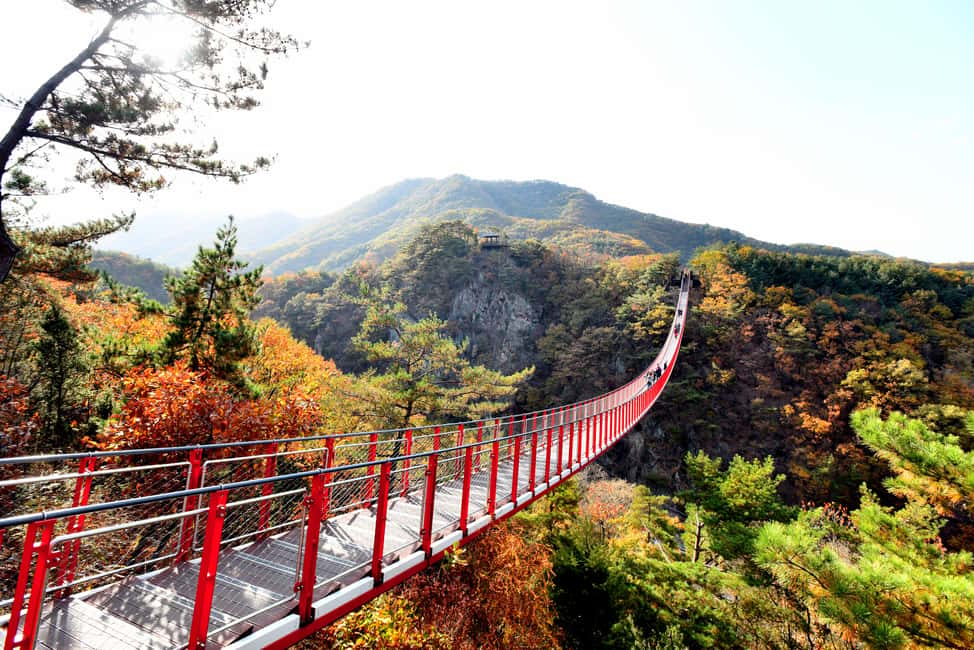
- Gamaksan Suspension Bridge option: a scenic add-on tied to a Korean War story involving British troops.
Seoul to the DMZ: what this day trip really gives you
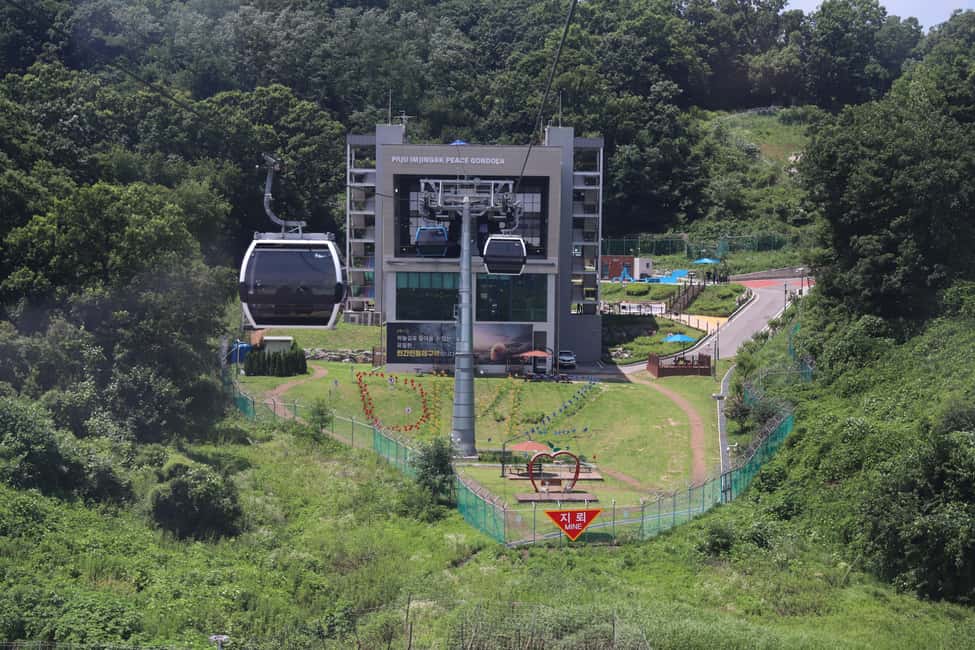
This is one of those rare Seoul excursions where you aren’t just seeing sights. You’re watching a border system in action, then learning how it formed and why it still matters.
The tour runs 7–9 hours and is designed around a clear order: first the emotional sites, then the history, then the vantage points. You’ll travel by air-conditioned bus or minivan with a licensed English guide, and you’ll do it with guided stops rather than a grab-and-go schedule.
Value-wise, $45 for a full DMZ day is mostly about what you’re allowed to see. Access to the DMZ areas is restricted and military-run, so your guide and timing matter more than they would on a normal sightseeing day. You’re also not just paying for the bus ride—you’re paying for interpretation that helps the places make sense.
One more reality check: the DMZ can be affected by military, weather, and government regulations. Even when the day is planned, visibility can change, and access can be altered. The good news is the tour framework is still built to keep the day meaningful if the route shifts.
You can also read our reviews of more tours and experiences in Seoul.

Imjingak Park and the Freedom Bridge: a poignant opening
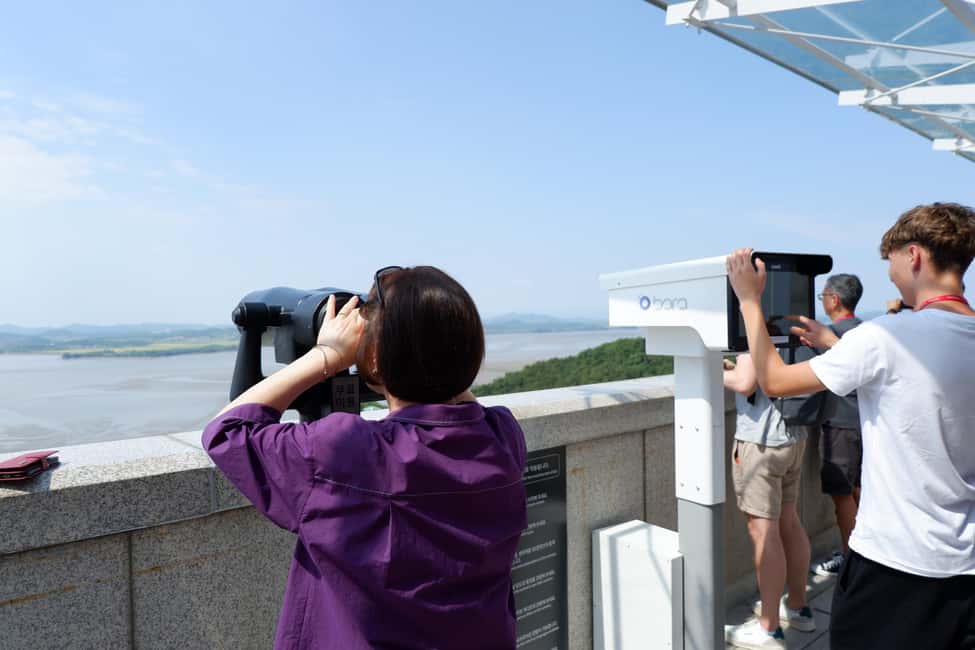
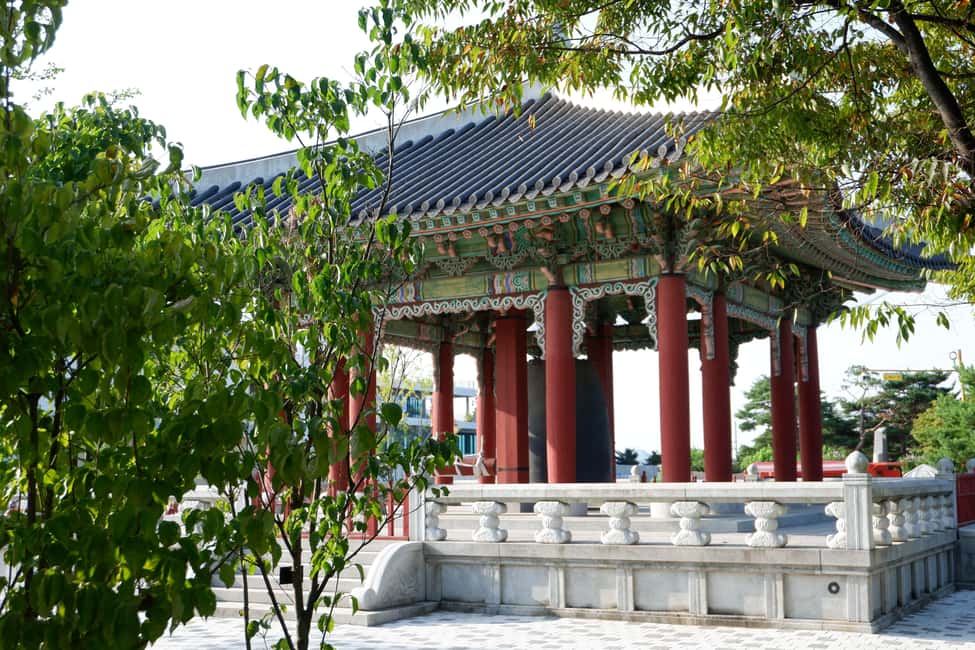
The day usually begins around Imjingak Park, the kind of place that hits you fast because it’s about people, not politics. This stop includes the Bridge of Freedom, a historic site associated with the hopes of separated families and the longing for reunification.
You’ll get a guided walkthrough here, so you aren’t just looking at a bridge and guessing the context. The guide typically frames it as a symbol—something the Korean peninsula built to hold on to humanity even while division hardened.
Practical note: this early part is often where you’ll want to take a moment and breathe. You’ll likely be moving again soon, and the rest of the day involves lots of checkpoints and time in transport.
DMZ Theater, Exhibition Hall, and the 3rd Infiltration Tunnel
After the initial sites, the tour builds the history layer. The DMZ Theater is described as a short video presentation, followed by a visit to the DMZ Exhibition Hall where you get richer background on the Korean conflict and ongoing tensions.
This step matters because it prevents the day from becoming a checklist. Once you understand what the DMZ is meant to prevent and why tunnels became part of the strategy, the stops later feel more like a story than isolated locations.
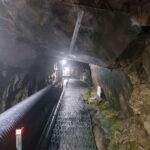
Then comes the centerpiece for many people: the 3rd Infiltration Tunnel (also described as the Third Tunnel of Aggression). You’ll descend, walk, and come back out as part of a guided experience.
Here’s the consideration you should take seriously: the tunnel route has a steep slope and takes about 30–40 minutes round trip on foot. It can be challenging for children and the elderly, and there’s also the option to wait in front of the tunnel if you’re not up for the walk. In other words, the tour doesn’t force everyone to do the same physical route, but you should still plan for stairs, slopes, and steady walking.
If you’re planning photos, keep your expectations realistic. This is a constrained space, and your best shots often come down to timing and light. Comfortable shoes matter here more than anything else.
Dora Observatory: the view that makes the buffer zone click
From the tunnel stop, you head to Mount Dora, home of the Dora Observatory. This is a 1-hour guided visit, and it’s the place where the DMZ turns visual.
You’re looking out across the Demilitarized Zone, including glimpses of North Korea and the border villages, from a vantage point that helps you understand the scale of separation. The tour frames it as a 4-kilometer-wide buffer zone that has held since the 1953 armistice.
This is where your brain does the math: distance, sightlines, and why the border feels both near and unreachable. You may get different visibility depending on weather, and that can change what you can clearly see from the observatory.
I also like that the stop is guided. A viewpoint can turn into silent staring, but with a good English guide you’ll actually learn what you’re seeing and why it looks the way it does.
Unification Village: practical souvenirs with a peace message
Next up is Unification Village, a nearby farming community close to the border. The mood here is calmer than the tunnel and the observatory, which gives your day a needed reset.
You’ll have time to shop, and the tour frames purchases as more than souvenirs. Locally made products connect to themes of peace and reconciliation, and the tour notes that occasionally you may find North Korean goods.
This stop can feel strange to first-time visitors because it’s still close to the border story, but it’s also normal daily life: farming, small commerce, and community identity. It’s one of those places where you see the human angle again after you’ve been focused on strategic history.
If you want small gifts that have meaning, this is where you’ll likely leave with the most story per item.



Optional Gamaksan Suspension Bridge: extra hiking, extra story
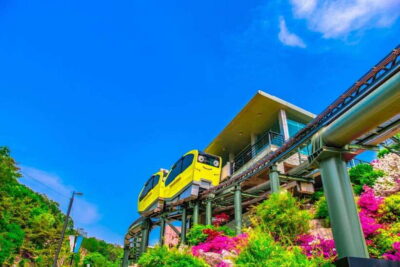
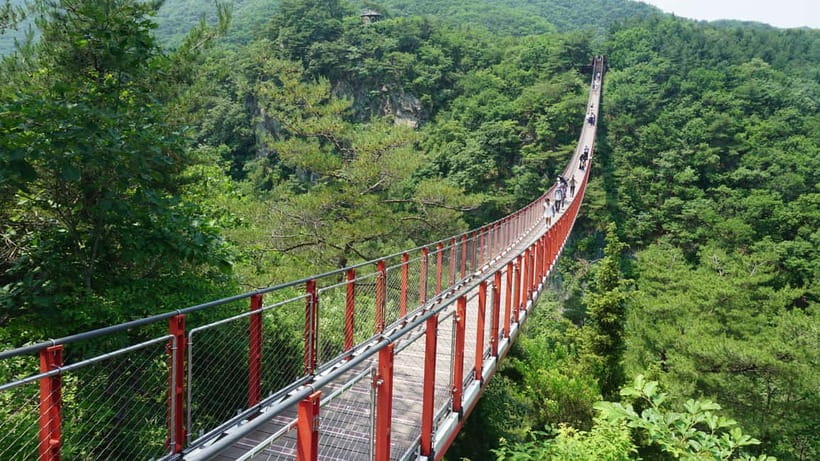
If you choose the suspension bridge option, your day keeps going with the Gamaksan Suspension Bridge on Gamak Mountain. This stop comes after the core DMZ sites, so it’s not replacing anything major—it adds a scenic loop.
The bridge is tied to Korean War history, including a courageous battle involving British troops. So even if you’re there for photos, you’re not just walking for views. You’re also getting a reminder that this region’s terrain shaped real events.
The physical part is real: the bridge stop involves a 40-minute hike, and the tour specifically recommends comfortable shoes. If you’re already tired from the tunnel, this is where you decide how much walking you want in one day.
Tip: bring your “do not regret these” shoes. Avoid heels and anything slick or flimsy. The tour strongly discourages flip-flops and heels for the DMZ day.
Ungye Falls photo stop and pacing a long day
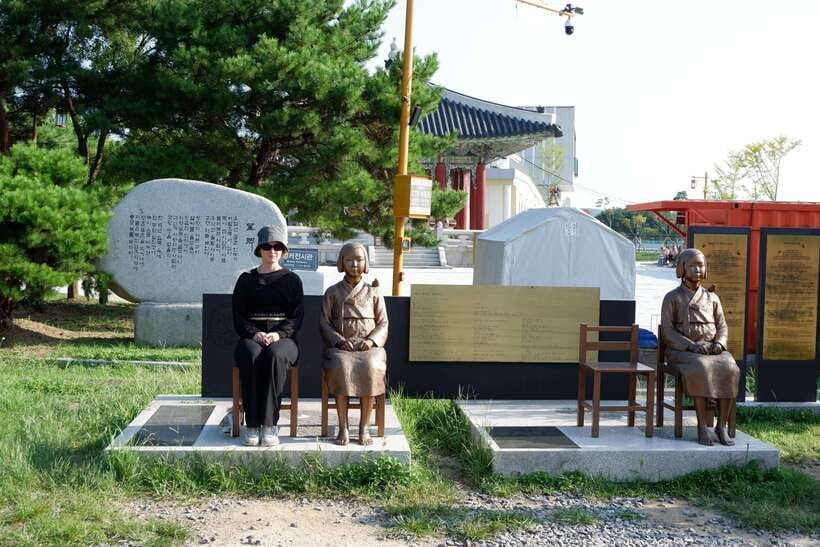
You’ll also have a quick photo stop at Ungye Falls. It’s listed as a short stop, so don’t plan a long linger. Think of it as a breather: a green, natural pause after hours of historical sites and guided explanation.
Pacing is important on this trip because you’ll be doing multiple guided segments, plus transport time. A good guide keeps things moving without turning it into a sprint.
The better your schedule buffer, the less stressful the checkpoints feel. This is one day where “just one more stop” can turn into a tired last hour, so be ready for a full workday pace.
English guides who make the border story human
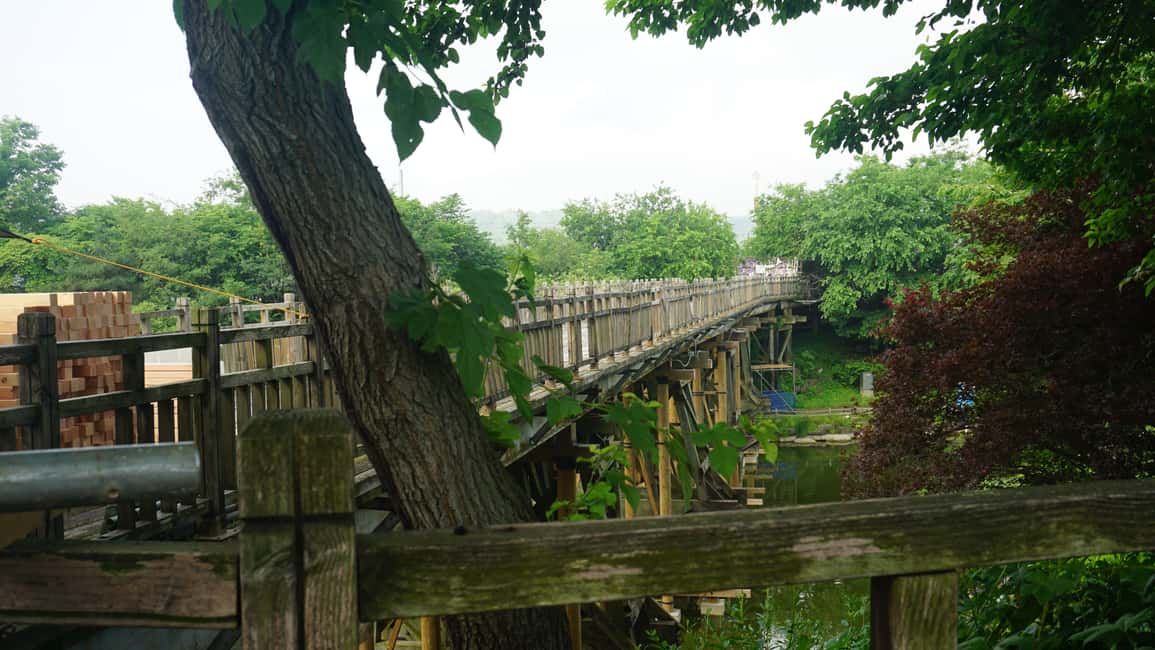
The tour’s standout is the live English DMZ guide. The difference between a forgettable day and a memorable one often comes down to how the guide tells the story.
In the reviews, names like Winnie, Kenny, Sophie, Henry, Stella, Grace, and Sue show up again and again. Common themes: clear instructions, engaging English, and storytelling that makes history feel personal. Some guides also bring in family stories, humor, and extra explanations that help you connect the official narrative to human experiences.
I also like that the guides handle the practical side. DMZ days include multiple security checkpoints, and you want someone who can keep everyone calm, organized, and on time. The tour description emphasizes that the transportation and route are organized, and the guide’s job is to keep the day smooth.
If you care about learning, choose this tour specifically because it’s guided. On your own, you might reach a few key spots. With a good guide, you’ll understand why each stop exists.
Price, comfort, and what to pack so the day feels easy
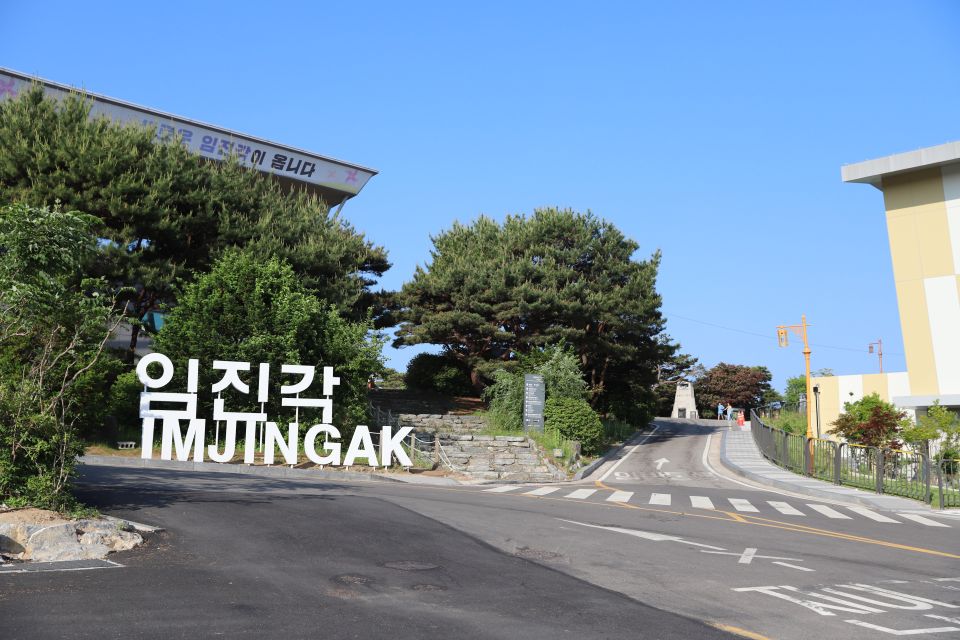
At about $45 per person for a 7–9 hour DMZ experience, the price feels fair when you factor in what’s included: entrance fees, roundtrip shared transfer, a licensed English guide, and transportation by air-conditioned bus or minivan. Hotel pickup is available in many centrally located areas if you select that option.
What’s not included is food and drinks. That means you should plan for the day without assuming snacks are part of the deal. Bring water if allowed by your own comfort level, and consider how you’ll handle breaks during a regulated day schedule.
For comfort and safety, pack with walking in mind:
- Passport is required.
- Wear comfortable shoes; avoid flip-flops, slippers, and high heels.
- The 3rd tunnel walk can be steep; be ready for a slow climb.
- The suspension bridge option includes a 40-minute hike.
- The tour isn’t suitable for people with heart problems, and it’s not set up for wheelchair users.
Also, note the basic rules: no intoxication, no smoking in the vehicle, and no alcohol or drugs. Unaccompanied minors aren’t allowed.
Finally, know this: the tour may be canceled without notice because the DMZ is military-operated. If the route must change due to military or government rules, the description says you may be taken to alternatives such as Art Space BEAT 131, Odusan Unification Observatory, and the War Memorial of Korea.
That’s not ideal, but it’s good to know the tour has a contingency plan so the day doesn’t evaporate.
Should you book the Seoul DMZ tour with optional suspension bridge?
Book it if you want a structured DMZ day that actually teaches you what you’re seeing. This is especially worth it if:
- You want Dora Observatory views and a chance to understand what a buffer zone means.
- You’re interested in the Korean War and modern tensions, not just photos.
- You like guided storytelling and clear English explanations.
Consider skipping the suspension bridge option if you’re easily fatigued. The main physical load is already the tunnel, and the bridge adds another long hike.
Don’t book if you can’t handle the walking demands, or if you’re dealing with health limitations like heart problems or mobility restrictions. The day is not designed as an easy, flat stroll.
If you’re deciding in one sentence: this is a serious history day with big emotions, made smoother by an English guide who turns checkpoints into understanding.
FAQ
How long is the DMZ tour?
The tour runs about 7 to 9 hours.
Which areas do the tour include?
The core experience includes Imjingak Park (Bridge of Freedom), the DMZ Theater and Exhibition Hall, the 3rd Infiltration Tunnel, Dora Observatory, and Unification Village. The suspension bridge option adds Gamaksan Suspension Bridge and includes a stop at Ungye Falls for photos.
Does this tour include JSA (Joint Security Area / Panmunjom)?
No. JSA is not included.
Is the suspension bridge visit optional?
Yes. The Gamaksan Suspension Bridge visit is part of the DMZ Tour & Gamaksan Suspension Bridge option.
What days is the DMZ tour offered?
The DMZ tour runs Tuesday to Sunday. The suspension bridge option is also Tuesday to Sunday. A different option featuring Aegibong Observatory and Starbucks runs Monday to Sunday.
What do I need to bring?
You need to bring your passport.
Is hotel pickup included?
Roundtrip shared transfer is included. Hotel pickup from centrally located Seoul hotels is available if you choose the option that includes pickup, but hotel drop-off is not included.
What shoes should I wear?
The tour strongly recommends avoiding flip-flops, slippers, or shoes with heels. For the tunnel and the suspension bridge hike, wear comfortable walking shoes.
Is the tour suitable for everyone?
It is not suitable for people with heart problems or wheelchair users. The 3rd tunnel involves a steep route and takes about 30–40 minutes round trip on foot.
What if the DMZ visit is affected by weather or military rules?
The tour may be canceled without prior notice. Also, the itinerary can change due to weather, military, and government regulation, and you may visit alternatives such as Art Space BEAT 131, Odusan Unification Observatory, and the War Memorial of Korea.