REVIEW · DMZ TOURS
Seoul: Small-Group DMZ Tour with North Korea Experience Hall
Book on GetYourGuide →Operated by Seoul N Tour · Bookable on GetYourGuide
A border day in the Korean mindset. This small-group DMZ tour from Seoul pairs major sights with the North Korea Experience Hall, where you hear real defector stories. It’s structured, well-paced, and packed into an 8–10 hour day without feeling like you’re watching a video in a bus window.
I especially like two things. First, the defector testimony at the Experience Hall puts a human face on what you’re seeing outside. Second, the tour balances heavy history with moments that feel real and immediate—like the walk and views on the Gamaksan Suspension Bridge, plus the fresh mountain-air breaks between formal stops.
One possible drawback: the day is long and involves guided walking at multiple outdoor points, so it’s not a good fit if you’re dealing with mobility limits, severe anxiety, or a fear of heights. If you’ve got medical concerns (or claustrophobia), check the limits before you book.
In This Review
- Key Highlights You’ll Actually Feel
- From Seoul to the DMZ: What Makes This Small-Group Format Work
- North Korea Experience Hall: Where Defector Stories Change the Day
- Imjingak Park and Freedom Bridge: Learning Division From a Place Built for Looking
- Mangbaedan, the DMZ Zone, and the Tunnel Question
- On the Signature course (Tuesday to Sunday)
- On the Special course (Mondays and public holidays)
- Dora Observatory, Unification Village, and Why Timing Feels Real
- What you should watch for
- Gamaksan Suspension Bridge: The Scenic Reset You’ll Need
- Price and Value: What You’re Paying For at $55
- Timing, Pickup Clarity, and How to Avoid Day-of Stress
- Who This DMZ Day Trip Fits (and Who Should Skip It)
- Should You Book This Seoul DMZ Tour?
- FAQ
- How long is the Seoul DMZ small-group tour?
- What’s included in the price?
- Is lunch included?
- Is the JSA (Joint Security Area) part of this tour?
- What’s the difference between the Signature and Special courses?
- What do I need to bring?
Key Highlights You’ll Actually Feel
- North Korea Experience Hall: guided interpretation plus a defector’s story that makes the whole border issue hit harder.
- Imjingak Park + Freedom Bridge: learn division history in a place designed for remembrance and views toward the North.
- Signature vs Special course: Mondays and public holidays can swap in different experiences when certain sites are closed.
- DMZ zone guided time: a focused, set-window tour inside restricted areas—organized and timed for you.
- Gamaksan Suspension Bridge: a scenic walk that breaks up the intensity of the DMZ day.
- English live guide: the difference between a list of stops and a story you can understand.
From Seoul to the DMZ: What Makes This Small-Group Format Work
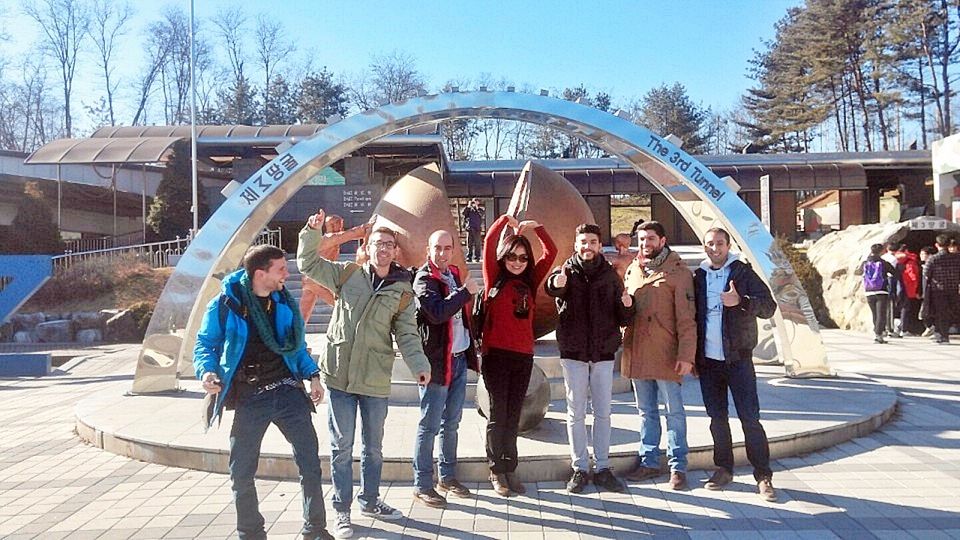
This is one of those Seoul day trips that doesn’t treat the DMZ like a theme-park checklist. You’re in a small group, you get a live English guide, and the day is planned so you’re not just dropped at gates and told to look around.
The experience starts with pick-up options across central areas—things like Hongik Univ., Itaewon, Myeongdong, Gangnam Station, and City Hall—so you’re not burning time crossing Seoul just to begin the tour. Then it’s a coach ride out to Gyeonggi Province, with enough structure that your brain can switch from city mode to border-history mode.
Pace matters on a tour like this. With frequent guided segments and built-in sightseeing breaks, you’re given time to absorb what you’re seeing, not just race from one signboard to the next. The payoff is you end the day with a clearer mental map of what the Korean Peninsula looks like in practice, not only in textbooks.
You can also read our reviews of more tours and experiences in Seoul.

North Korea Experience Hall: Where Defector Stories Change the Day
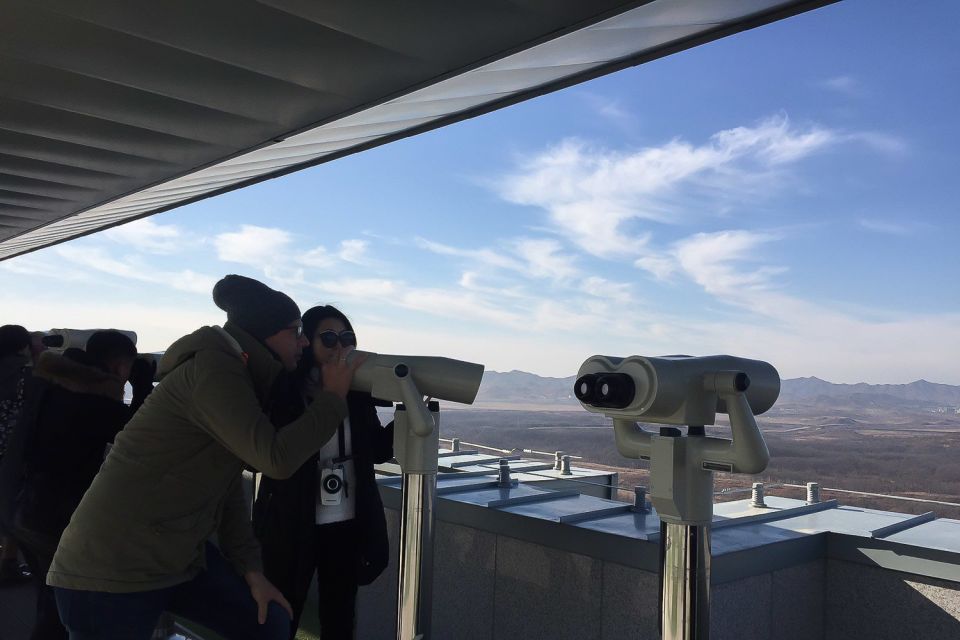
The North Korea Experience Hall is the emotional and educational anchor of the trip. You’re guided through what the site teaches, and the standout element is the defector’s story delivered as part of the experience.
Why this matters for you: it shifts the DMZ from an abstract geopolitical line into something personal. When your guide connects the history you’re hearing to the lived details described there, the rest of the day stops feeling like separate stops. Instead, it becomes one connected narrative—why the border exists, what division has meant, and how people think about North Korea from the South.
Also, you’ll notice how the hall’s role is different from a lookout platform. A viewpoint can show you distance and barriers. The hall explains how that barrier gets interpreted by real people, including those who had to navigate life under that system.
If you’re the kind of traveler who wants a DMZ tour that feels human, this is the part you’ll remember most.
Imjingak Park and Freedom Bridge: Learning Division From a Place Built for Looking
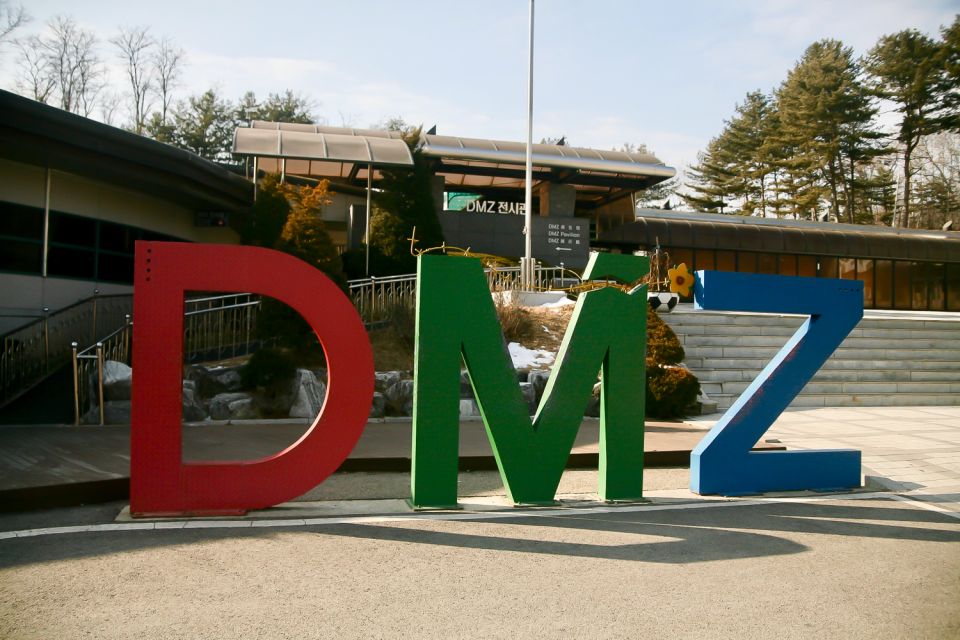
Right after you’re picked up and transported, you’ll start with Imjingak Park. You get free time here (about an hour), which is a smart choice. It means you can wander slowly, take photos, and look at the viewpoints without the guide constantly talking over your questions.
Imjingak’s value is that it’s a park, not just a corridor to another ticket gate. It’s designed around remembrance and the idea of families divided and histories frozen mid-sentence. From here, you also get views that help explain why the DMZ is so emotionally charged—even for people who came only for “the sight.”
Then you move toward the Freedom Bridge area for sightseeing. This is one of those stops that’s visually simple but emotionally loaded. You’re not asked to pretend it’s normal. You’re guided to understand what it represents, and how the bridge fits into the broader story of separation.
One practical note: bring comfortable shoes and expect outdoor walking. This isn’t a sit-and-stare museum day.
Mangbaedan, the DMZ Zone, and the Tunnel Question
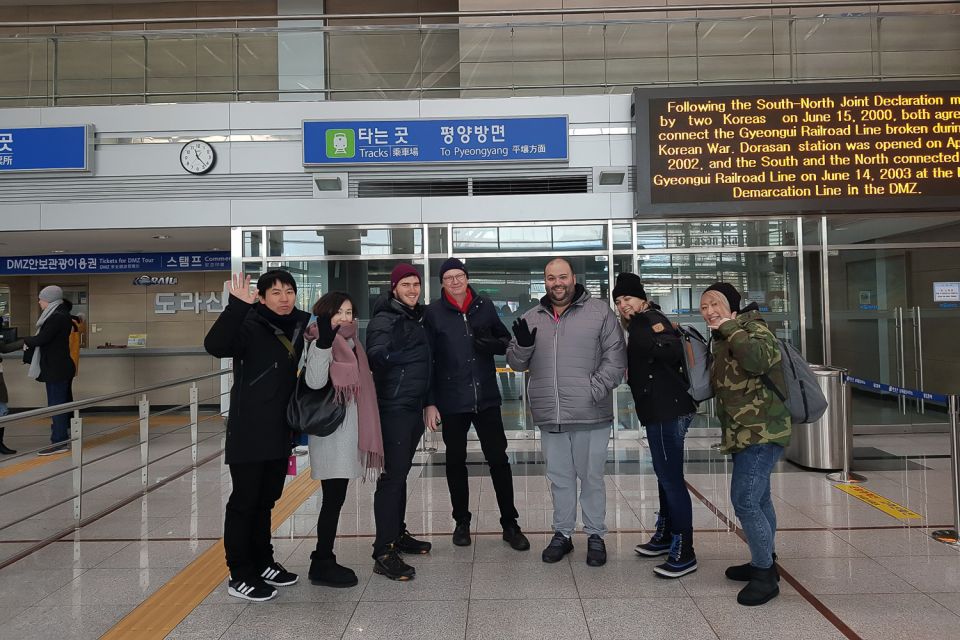
After the public-facing stops, the tour shifts into guided segments that feel more “restricted” and more operational. You’ll have a guided visit at Mangbaedan, then later time for a guided tour inside the DMZ zone itself.
That DMZ zone portion is especially important. It gives you context for the geography you’re seeing and helps you understand what you’re allowed to notice (and what you can’t). Your guide’s job is to keep it coherent—so you don’t leave thinking the day was just a series of fences, platforms, and explanations.
Then comes the major fork in the road: whether your day includes the Third Tunnel or alternative experiences.
On the Signature course (Tuesday to Sunday)
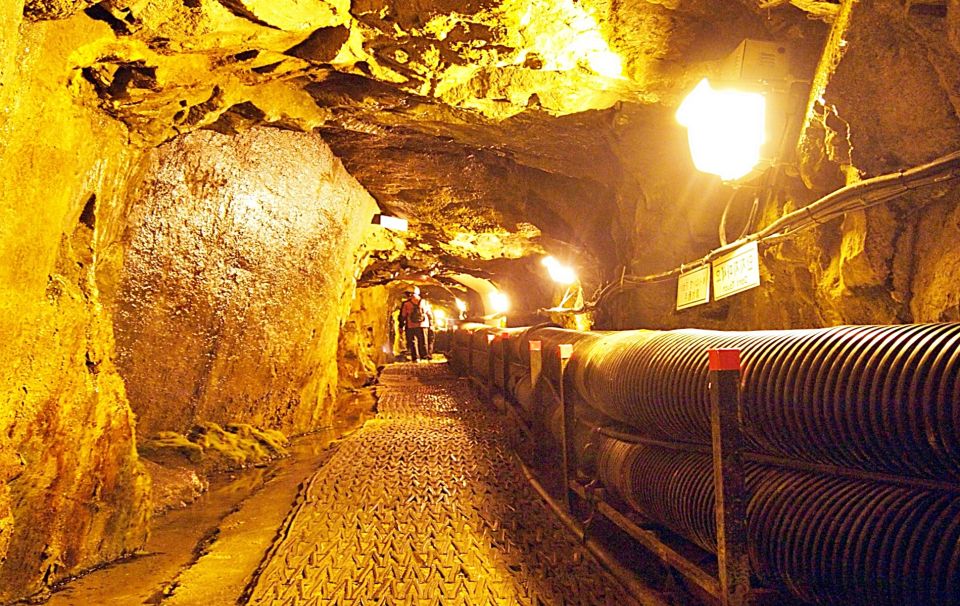
You’re set up to visit the Third Tunnel of Aggression with guided time, and the day continues on to the next major viewpoint sites.




On the Special course (Mondays and public holidays)
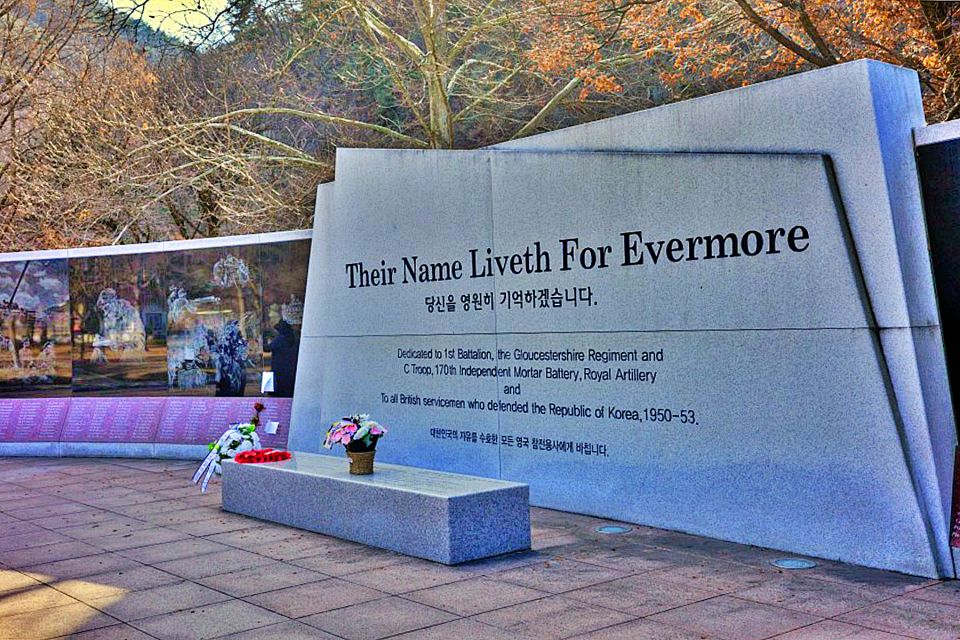
The tour still centers on the Experience Hall and Imjingak Park, and swaps in other elements—like the DMZ Peace Gondola and Gloster Hill Memorial Park—because certain stops can be closed. The Third Tunnel and Dora Observatory may be off the schedule, depending on closure conditions.
This matters for value. You’re not “missing the DMZ” if you’re on Monday. The tour is built to still give you meaningful, guided experiences even when specific sites aren’t available.
Dora Observatory, Unification Village, and Why Timing Feels Real
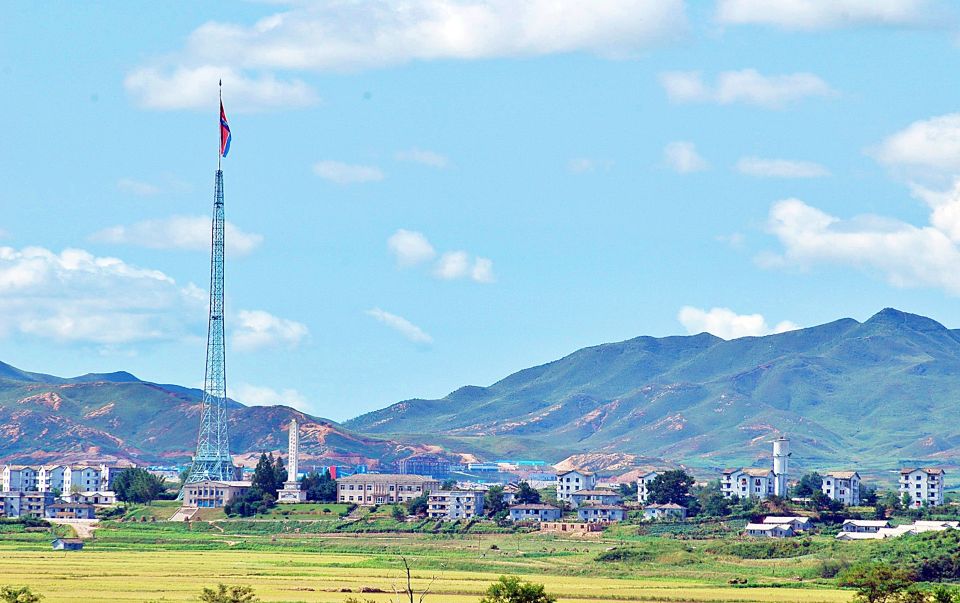
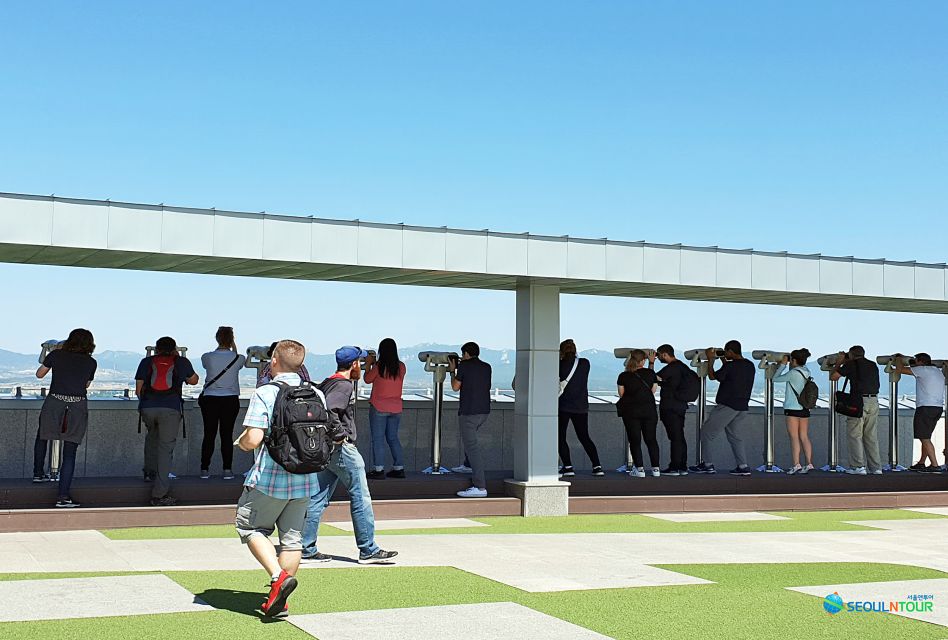
Dora Observatory is one of the headline stops on the Signature course. It’s short on the clock (around 40 minutes), but it’s the kind of stop where every minute counts because visibility and weather can affect what you can see.
If the day is clear, you’ll get better views. If it’s foggy or rainy, the viewpoint still teaches you the strategic logic of why the area is watched. Either way, your guide helps translate the scenery into context—what the location is meant to observe and how it connects to the larger border story.
On the Signature course, you also visit Unification Village for guided time. This stop adds a different kind of understanding. Instead of only focusing on military history, you see how the idea of unification shapes place and mindset, even in an environment that remains tense and controlled.
What you should watch for
This tour involves multiple outdoor segments plus some indoor interpretation. So you’ll want to be ready for weather changes and for uneven footing. During your time on suspension-bridge-style paths later, you’ll appreciate having traction in your shoes.
Gamaksan Suspension Bridge: The Scenic Reset You’ll Need
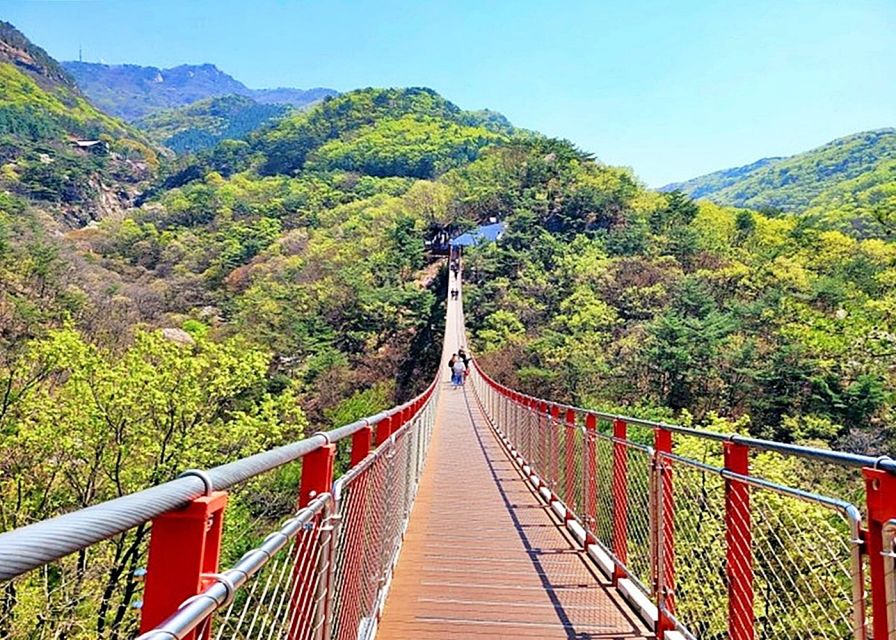
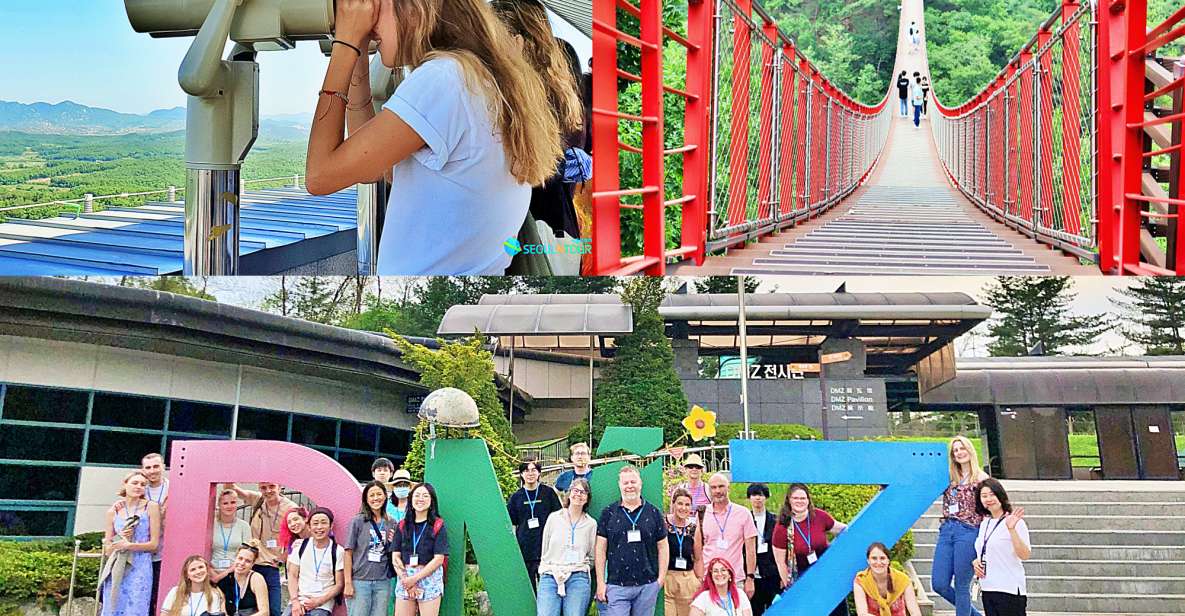
After the DMZ zone experiences and the main guided sites, the day ends with Gamaksan Suspension Bridge. You’ll get time to visit and walk, and the framing here is intentional: after a heavy day, you need a breather.
Why it works: it adds a physical sense of movement and space. You’re still in a border-region day, but the walk gives you a different kind of memory—views, air, and a chance to regroup. If your feet are tired, this is still a worthwhile stop because it’s one of the clearer “you’re outside” moments of the itinerary.
There’s also something practical here for your photography. Earlier stops may be more constrained by time and angles, while the bridge walk offers natural pacing for photos and a calm reset.
Just remember: the tour includes a suspension bridge, and people afraid of heights should take the warning seriously.
Price and Value: What You’re Paying For at $55
At around $55 per person, this DMZ tour is a strong value when you factor in what’s included.
You get:
- Pickup from multiple subway stations and select hotels
- Transportation
- A live English-speaking tour guide
- Entrance fees
You do not get:
- Lunch
- JSA (Joint Security Area)
For many first-time Seoul visitors, the biggest “value question” is whether this is just a bus ride with photos. It isn’t, because the Experience Hall + guided DMZ segments are built around interpretation and stories, not only viewpoints.
Also, the year-round concept matters. You can find a schedule even on Mondays or public holidays via the 365-day format, with a course that accounts for closures. That flexibility is a real benefit if your travel dates don’t line up with the more standard Tuesday-to-Sunday route.
Budget tip: plan for lunch on your own, and keep some small cash or a card handy for snacks along the way. It’s easier than trying to solve hunger mid-day in a controlled environment.
Timing, Pickup Clarity, and How to Avoid Day-of Stress
This tour typically runs 8–10 hours, which is long enough to require a real plan for comfort. You’ll want to start with water, a light snack if allowed by your schedule, and good shoes.
Pickup is included, but the time on your voucher isn’t necessarily the time you’re actually picked up. You’ll receive the exact pickup time and location by email about a day before, and it may land in spam folders—worth double-checking so you don’t miss the meeting point.
Small-group formats usually feel smoother, and that’s reflected in the satisfaction scores. People also tend to appreciate that you get guided time at multiple stops without feeling rushed into a 20-second photo and out.
One more practical detail from the tour rules: leave the sandals, flip-flops, and high heels at home. The itinerary includes walking and outdoor platforms, and they explicitly restrict certain items like walking sticks.
Who This DMZ Day Trip Fits (and Who Should Skip It)
If you want a DMZ tour that treats the subject with seriousness and gives you clear interpretation, this is a good match. The guide component is a huge reason the day works. You’ll get context at each stop so you’re not just watching fences from different angles.
This tour may not suit you if:
- You’re pregnant
- You have serious medical conditions or issues like high blood pressure
- You have claustrophobia (the tour includes time connected to tunnels)
- You have back problems, respiratory issues, or heart problems
- You’re afraid of heights (because of the suspension bridge and certain elevated viewpoints)
- You use a wheelchair or walker (it’s not available for participants with these mobility needs)
And no, you’re not doing this in military-style clothing. The tour has a clear rules list, and you’ll want to follow the guide’s instructions at all times.
If you’re unsure, it’s better to check compatibility before you book. A DMZ visit is intense enough without trying to force it on the wrong body or mindset.
Should You Book This Seoul DMZ Tour?
I’d book it if you want a structured Seoul-to-DMZ experience that includes both public memorial sites and guided time in the DMZ zone, with the North Korea Experience Hall as the emotional core. The $55 price is fair for a full day with transportation, guide, and entrance fees, and the tour’s year-round options make it easier to fit into real travel schedules.
I’d pass if you need very accessible, low-walking options, or if height anxiety, claustrophobia, or medical limitations could make the day stressful. This tour is designed for able walking and guided compliance, not flexibility once you’re out in the field.
FAQ
How long is the Seoul DMZ small-group tour?
It runs about 8–10 hours.
What’s included in the price?
Pickup from select subway stations and hotels, transportation, a tour guide, and entrance fees are included.
Is lunch included?
No, lunch isn’t included.
Is the JSA (Joint Security Area) part of this tour?
No. The tour does not include a visit to JSA.
What’s the difference between the Signature and Special courses?
The Signature course (Tuesday to Sunday) includes stops like the Dora Observatory and the Third Tunnel. The Special course (Mondays and public holidays, or when those sites are closed) includes alternatives such as the DMZ Peace Gondola and Gloster Hill Memorial Park.
What do I need to bring?
Bring your passport and comfortable shoes. Avoid prohibited items like sandals/flip-flops and high-heeled shoes.
![[KoreaByLocal] Authentic Seoul Night Walk and Chicken & Beer - Cheonggyecheon Stream after dark: the calm counterpoint to Seoul](https://1.visitseoulkorea.com/wp-content/uploads/koreabylocal-authentic-seoul-night-walk-and-chicken-beer-400x267.jpg)