REVIEW · DMZ TOURS
From Seoul: Private DMZ and Odusan Observatory Full-Day Tour
Book on GetYourGuide →Operated by DMZ Spy Tour Inc · Bookable on GetYourGuide
A fence line with real consequences. This private DMZ day tour follows the infiltration route tied to North Korean spy commandos, giving you close, guided context for what the border means today. I like the way the day blends official sites with practical, on-the-ground explanations. One consideration: you’ll need a current passport and you should expect a moderate amount of walking.
I also love how personal the guiding can feel. In past groups, guides such as Shrek and Shaun have stood out for clear answers and story connections, and the tour can flex for needs like vegetarian lunch. You’ll spend time at Imjingak Peace Park and then move on to the Odusan observation area for one of the most striking “how close is actually close” moments on the peninsula.
In This Review
- Key highlights at a glance
- Private DMZ access: what you’re really buying with $200
- Seoul to the DMZ: the drive that sets the tone
- The infiltration-route stops: seeing the DMZ as a battlefield plan
- Imjingak Peace Park: war artefacts and why they stick with you
- Along the barbed-wire fence: the view is one thing, the rules are another
- Inside a South Korean military outpost: the moment the border feels real
- Lunch of North Korean specialties: BBQ duck plus real options
- Odusan observation point: the 2 km reality check
- Timing, walking, and what makes the day feel long or easy
- Guide style: why names like Shrek and Shaun matter
- Price and value: what’s included, and what you still need to plan
- Who should book this DMZ and Odusan tour (and who should skip it)
- Before you go: passport, shoes, and small essentials
- Should you book this tour?
- FAQ
- Do I need a passport for this tour?
- How long is the private DMZ and Odusan Observatory tour?
- Where does the tour start?
- Is this tour private or shared?
- What language is the guide available in?
- Is lunch included, and do you offer vegetarian options?
- What key places will we visit during the day?
- What should I wear and expect in terms of walking?
- Is the tour accessible for wheelchair users or people with mobility impairments?
- What’s the cancellation policy?
Key highlights at a glance

- Spy-route focus: You’ll hear how North Korean infiltrators targeted the South, and why the same tensions persist
- Imjingak Peace Park access: War artefacts, artillery, and military bunkers at a memorial complex
- Inside a real South Korean outpost: You’ll see how the border system works with military escorts
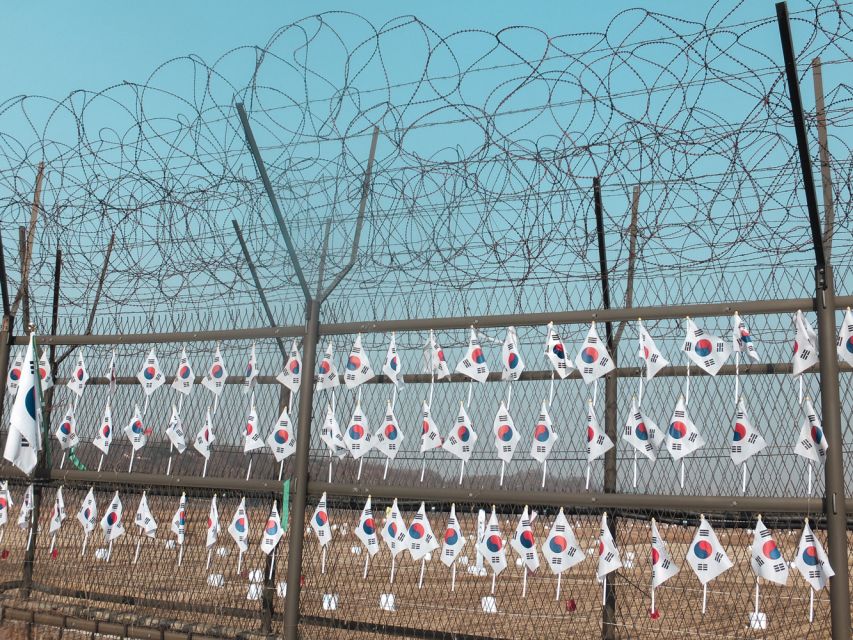
- Close border observation: Barbed-wire fence views with soldiers patrolling in the background
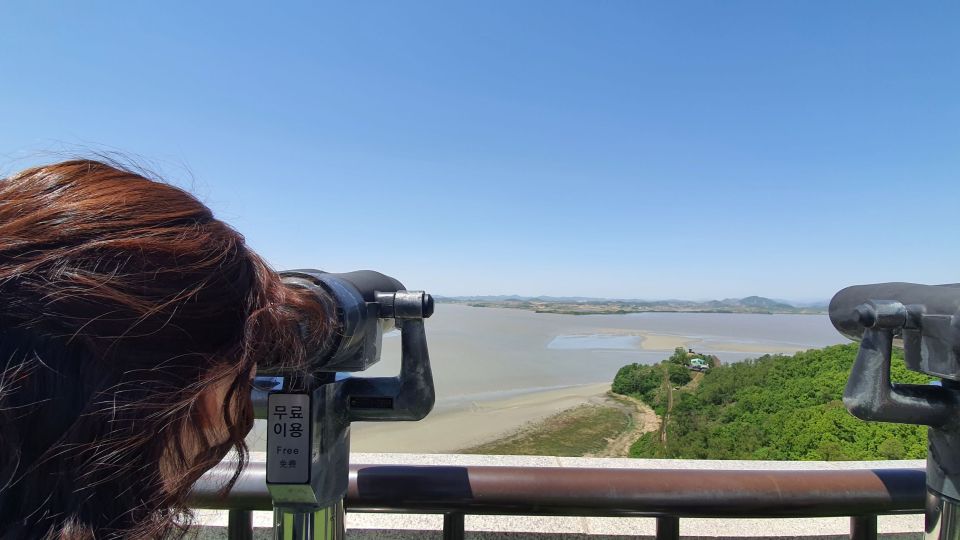
- Odusan farming views: A North Korean village can look only about 2 km across the border
- Lunch included: North Korean BBQ duck plus vegetarian options
Private DMZ access: what you’re really buying with $200
At $200 per person, this isn’t a budget day trip. The value comes from the fact that you’re not just sightseeing—you’re traveling in a tightly controlled zone where logistics matter and access is earned. A private vehicle, a dedicated English-speaking guide, and entrance fees are bundled in, and lunch is included too.
That privacy also changes the vibe. Instead of rushing with a crowd, you can ask follow-up questions as your guide connects the dots between the Korean War era and today’s uneasy standoff. If you want more than the usual talking points, a private setup helps a lot.
You can also read our reviews of more private tours in Seoul

Seoul to the DMZ: the drive that sets the tone
Pick-up happens in Seoul, then you head north through Gyeonggi Province toward the DMZ area. The tour is built as a full day (about 10 hours), so the pacing feels more like a guided experience than a quick hit-and-run.
You’ll also get time for photo stops along the way, which matters because the scenery changes as you approach the border. The best approach is to wear comfortable clothes and keep your passport handy early—once you’re in the DMZ area, everything is more procedural and less spontaneous.
The infiltration-route stops: seeing the DMZ as a battlefield plan
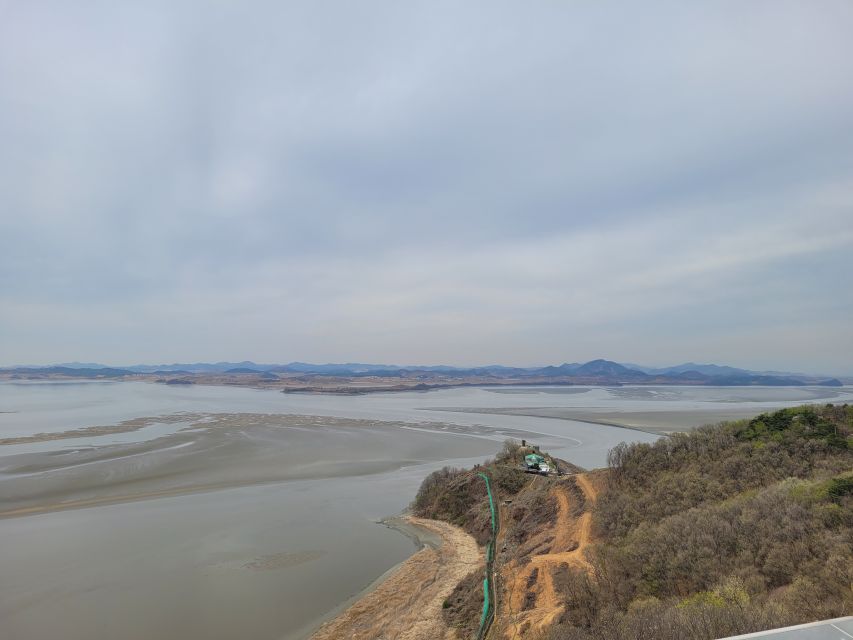
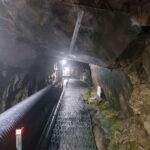
One of the most compelling parts of the day is the focus on a site connected to North Korean spy commandos and clashes with South Korean and US special forces. This isn’t presented as abstract history. You’re guided to understand why certain terrain and approaches mattered, and how that shaped security decisions for decades afterward.
What I like about this structure is that it prevents the DMZ from becoming just a postcard with fences. You get a reason for what you’re looking at, and the rest of the stops land better because you know what the border was designed to stop.
Imjingak Peace Park: war artefacts and why they stick with you
Imjingak Peace Park is where the day becomes visibly emotional and concrete. You’ll visit displays and memorial areas tied to the Korean War, including war artefacts, artillery, and military bunkers.
This stop is valuable even if you’ve read about the DMZ before. Physical objects slow you down. You can’t speed through them like a video, and the guide’s explanations give the items weight—especially when they connect them to the larger pattern of ongoing tensions between the two Koreas.
Along the barbed-wire fence: the view is one thing, the rules are another
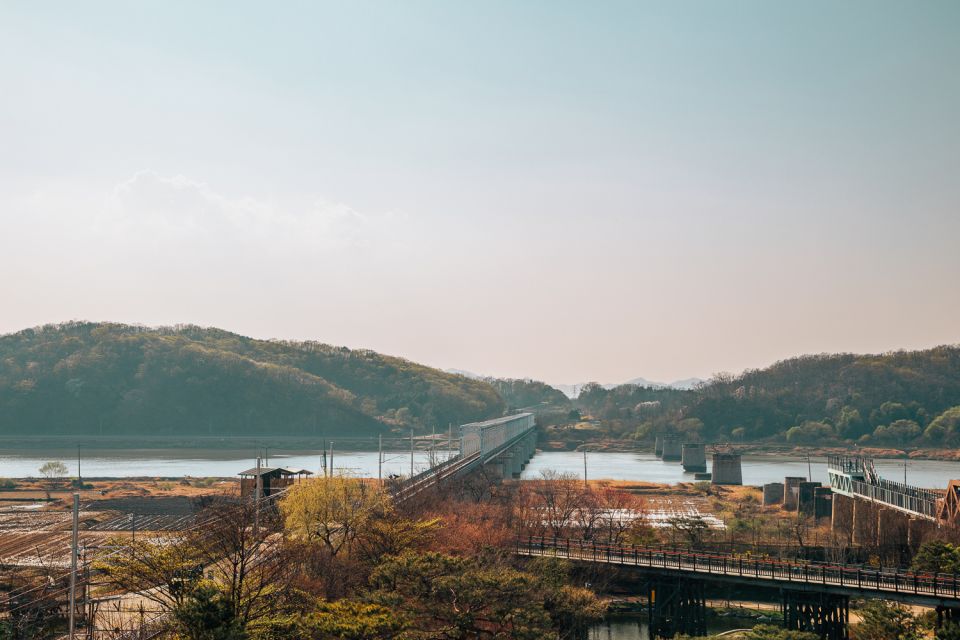
After Imjingak, your route continues through the DMZ zone with guided border viewing. You’ll follow the fence line past areas where soldiers patrol the border, and you’ll get a sense of how close the two sides are in practical terms.
In past experiences, many visitors noted that you may be escorted by military personnel and sometimes even travel with military vehicles during certain segments. That escort detail is important because it helps you understand that this is not a theme park. It’s a working defensive boundary with strict controls, and the posture of everyone around you reflects that.
Also, photography rules can be tighter in this setting. So keep expectations realistic: you can still take pictures from permitted areas, but you may be told where not to shoot.
You can also read our reviews of more tours and experiences in Seoul

Inside a South Korean military outpost: the moment the border feels real
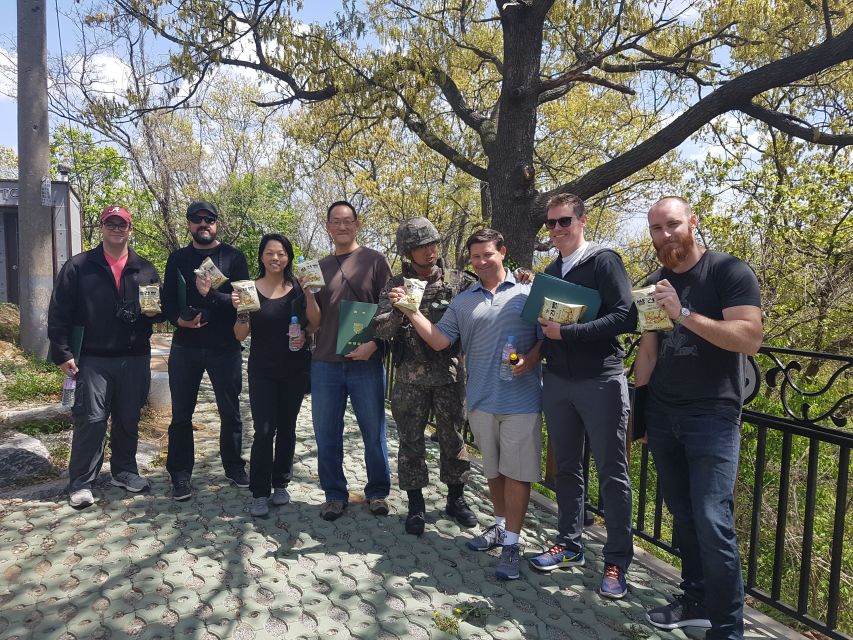
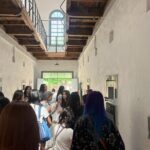
A standout promise of this tour is that you go inside a real South Korean military outpost. That’s where the DMZ stops being a distant concept and turns into systems: observation points, procedures, and a chain of responsibility designed for one purpose—preventing infiltration.
The experience gets even more meaningful if your guide connects what you’re seeing to the historical incidents and the current tension environment. In past groups, guides like Shrek have been praised for answering questions in a balanced way, not just repeating South Korean talking points or sticking to one-note explanations.
If you’re the type of person who wants to understand how borders are enforced, this outpost visit is the heart of the day.
Lunch of North Korean specialties: BBQ duck plus real options
Lunch is included, and it’s one of the easiest ways to judge whether a tour understands comfort. You’ll have North Korean specialities, with BBQ duck listed as the main choice, plus vegetarian options available.
In past groups, people have specifically praised the duck BBQ meal and the quality of condiments and sides. Others also noted that the tour handled vegetarian needs smoothly. Even if you’re not a foodie, this is one of the practical wins: you don’t spend time hunting for food in a controlled area, and you get an actual local-style meal as part of the story.
Odusan observation point: the 2 km reality check
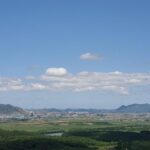
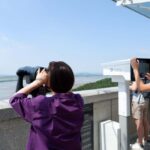
Later in the day, you’ll reach the Odusan observation area to see a North Korean farming village just about 2 km away across the border. Seeing farms from an observation point is different from viewing a battlefield memorial. It forces a different kind of question: if the area is this close, why does separation still define daily life?
This stop is also where your guide’s commentary matters most. Without context, you’ll just see rooftops and fields. With context, you’ll understand why this proximity is so politically loaded—how something as ordinary as farming becomes part of the border story.
Timing, walking, and what makes the day feel long or easy

This is a 10-hour tour, and it includes multiple stops. The walking is described as moderate, but that still means comfortable shoes are not optional. You’ll likely spend time standing at viewing points and moving between facilities.
The most comfortable strategy is to dress in layers. DMZ areas can be chilly or windy depending on the season, and you won’t want to be stuck in a heavy coat during busier interior segments.
Guide style: why names like Shrek and Shaun matter
The guide is a major part of the experience here. English-speaking guides can include people such as Shrek and Shaun (names that came up in past groups), and the best ones don’t just recite facts. They translate the tension, the geography, and the history into clear explanations you can actually use.
One past guide (described as the owner of a DMZ-focused tour operation) was noted for serving in the US Army and bringing that perspective into the way he explained military context. Another guide was praised for being friendly and for managing different needs, like vegetarian lunch and even family logistics such as an appropriate baby seat.
For you, this means the day isn’t only about access. It’s about interpretation—turning what you see into a better understanding of why the peninsula stays so tightly divided.
Price and value: what’s included, and what you still need to plan
You pay $200 per person, and the tour includes:
- entrance fees for the visiting places
- lunch (BBQ duck or equivalent)
- a local English-speaking guide
- a private vehicle
- pick-up and drop-off service
What’s not included is additional food and drinks. So I recommend budgeting for water and any extras you want outside lunch. Also think about tips if that’s part of your travel style, even though it isn’t listed as part of what you’re paying.
Where this price feels most justified is at the intersection of private transport, dedicated guiding, and access that’s governed by military rules. If you’re trying to get the “DMZ story” right, those components add up.
Who should book this DMZ and Odusan tour (and who should skip it)
This tour makes the most sense if you:
- want a guided, full-day DMZ experience with multiple stops
- care about the spy-infiltration angle, not just general sightseeing
- like asking questions and getting detailed explanations
- appreciate having lunch and access handled for you
It’s not suitable for people with mobility impairments or wheelchair users, based on the moderate walking and the nature of the sites.
If you hate standing around, this may still work, but you should be ready for viewing-point time. The upside is that the guide helps keep it meaningful, so the time doesn’t feel like empty waiting.
Before you go: passport, shoes, and small essentials
Bring a passport. A current valid passport is required on the day of travel.
Wear comfortable clothes and shoes for walking and standing. You’ll also want basic readiness for photo opportunities at multiple viewpoints, even though restrictions can apply near sensitive border areas.
One last practical note: the tour is described with confirmation within 48 hours of booking (subject to availability). So if you’re locking in a tight itinerary, give yourself a little buffer.
Should you book this tour?
Yes, if you want a structured, private DMZ day that goes beyond the standard fence-view routine. The combination of Imjingak Peace Park, an inside visit to a South Korean military outpost, and the Odusan observation moment at about 2 km across makes the day feel coherent, not random.
Skip it if you can’t handle moderate walking or if you’re expecting an informal, flexible stroll. This is a controlled, rule-driven experience, and the payoff is understanding—seeing how the border works and why it matters.
If that sounds like your kind of travel day, this is a strong choice.
FAQ
Do I need a passport for this tour?
Yes. A current valid passport is required on the day of travel.
How long is the private DMZ and Odusan Observatory tour?
The duration is 10 hours.
Where does the tour start?
Pick-up is included from your accommodation in Seoul.
Is this tour private or shared?
This is a private group tour.
What language is the guide available in?
The guide is available in English, Japanese, and Korean.
Is lunch included, and do you offer vegetarian options?
Lunch is included. BBQ duck (or equivalent) is listed, and a range of vegetarian options is offered.
What key places will we visit during the day?
You’ll visit Imjingak Peace Park and go to the Odusan observation point, along with stops connected to the DMZ border area and a South Korean military outpost.
What should I wear and expect in terms of walking?
There is a moderate amount of walking. Comfortable clothes and shoes are recommended.
Is the tour accessible for wheelchair users or people with mobility impairments?
No. It is not suitable for people with mobility impairments or wheelchair users.
What’s the cancellation policy?
You can cancel up to 24 hours in advance for a full refund.