REVIEW · CYCLING TOURS
Full-Day Tour in Mt. Seorak & Nami (+Rail Bike Option)
Book on Viator →Operated by Korea Time Tour · Bookable on Viator
A day trip to the mountains and a storybook island.
This full-day tour strings together Seoraksan National Park (with Shinheungsa Temple) and Nami Island for that famous Winter Sonata atmosphere, plus an optional Rail Bike ride across the Bukhan River area. I like that you get real nature time at Seoraksan instead of just quick stops, and I also like that Nami Island gives you an easy, scenic walk with metasequoia, ginkgo, and cherry trees. The main trade-off is simple: it’s a 14–16 hour day, so you’ll need to enjoy long bus time and schedule flexibility.
What makes it feel worth it is the structure. You’ll have set exploration blocks for each highlight, an English-speaking guide/driver, and shared transport in an air-conditioned minivan. If you’re choosing the Rail Bike, the route is built around a round-trip experience between Gapyeong and Gyeonggang stations, so it’s not just a drive-by photo moment.
One more thing to consider: Seoraksan’s cable car is not guaranteed. The tour notes it may not operate due to weather, and during the fall foliage window (Oct 20–Nov 4) the plan shifts to a different hiking route (Jujeongo Valley / Osaek) instead of the cable car course.
In This Review
- Key Highlights at a Glance
- Seoraksan and Nami in One Long Day: What You’re Really Buying
- Morning Pickup and the Reality of a 14–16 Hour Schedule
- Seoraksan National Park and Shinheungsa Temple: Hike vs Cable Car
- Gapyeong’s Bukhan River Railway Bridge: The Rail Bike Moment
- Nami Island: Winter Sonata Walks, Art Corners, and Tree-Lined Calm
- Timing, Weather, and How Guides Keep the Day Working
- Price and Value: Is $85.18 Worth It?
- Food, Comfort, and Smart Packing for a 14–16 Hour Day
- Who This Tour Is Perfect For (and Who Should Skip It)
- Should You Book This Tour?
- FAQ
- What does the tour include?
- Is the Seoraksan cable car fee included?
- How long is the full tour?
- How long do you spend at each main stop?
- Where are the pickup locations in Seoul?
- What happens if the weather is poor?
Key Highlights at a Glance
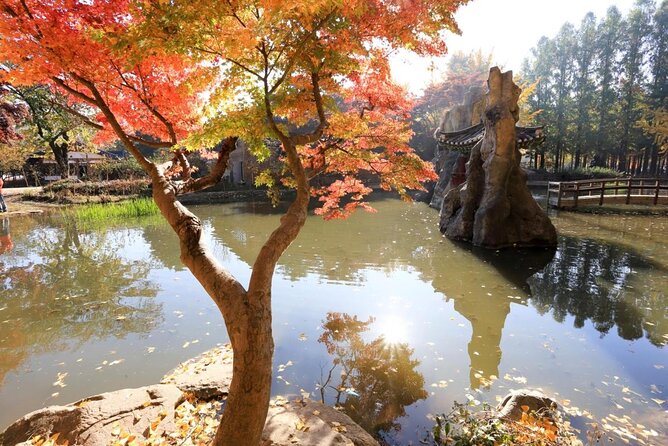
- Seoraksan National Park + Shinheungsa Temple: Nature views backed by protected-land status, plus a temple inside the park.
- Nami Island walk time (about 2.5 hours): Tree-lined paths and art installations in the Winter Sonata orbit.
- Optional Gapyeong Rail Bike: A hands-on way to see the Bukhan River railway scenery up close.
- Guides who keep the day moving: Many past guests praise guides like Ki and Patrick for organization and clear explanations.
- Flexible sightseeing based on conditions: Weather can change cable car plans; the guide adapts.
Seoraksan and Nami in One Long Day: What You’re Really Buying
You’re paying for convenience, not just entry fees. Seoul to Seoraksan and then on to Gapyeong/Nami is a big geographic swing. This tour bundles the transport, the time planning, and the tickets into one package so you’re not juggling trains, transfers, and ferry timing all by yourself.
The vibe is part adventure, part easy stroll. Seoraksan gives you mountain scenery and temple atmosphere, and Nami gives you a calmer, more romantic walking rhythm. If you add the Rail Bike, you get an in-between activity that feels active but still fun even when you’re not in peak hiking shape.
This is also a smart move if you want variety in limited time. In one day you can go from UNESCO-listed biosphere territory and waterfalls to an island with film-famous charm and art around every corner. Just remember: it’s still one day. You’ll spend plenty of time in transit.
You can also read our reviews of more cycling tours in Seoul
Morning Pickup and the Reality of a 14–16 Hour Schedule
The day starts with pickup options in central Seoul: Hongik Univ. Station Exit 8 or Myeongdong Station Exit 4. That’s convenient because both are common bases for visitors. One small but important note: the itinerary states there is no drop-off at Hongik for heavy traffic jam. If you’re aiming to return easily, plan to use subway line 2 at Dongdaemun History & Culture Park Station for one of the drop-off sites.
Once you’re on the minivan, the rhythm is: drive, explore, drive, explore, repeat. The tour also notes that the schedule excludes transportation time between destinations, which is why the full day stretches to roughly 14–16 hours. You’ll want to bring a light layer even in warmer months—mountain weather can feel different, and you’ll be outdoors in Seoraksan.
A practical win here: English-speaking guidance. Guides are the difference between seeing sights and understanding what you’re looking at. Many past guests specifically mention guides like Ki and Patrick for being helpful, organized, and ready with tips and explanations.
Seoraksan National Park and Shinheungsa Temple: Hike vs Cable Car
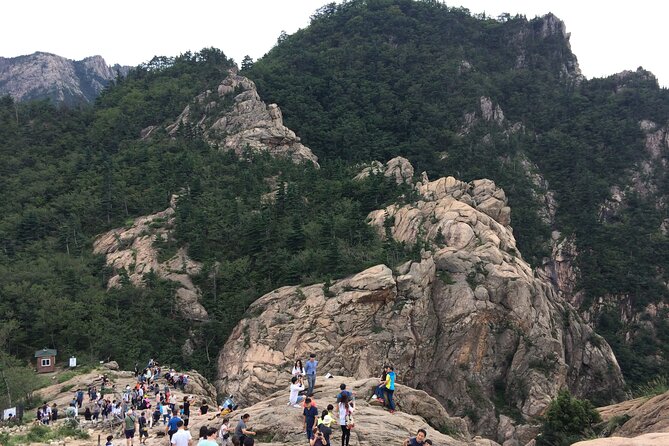
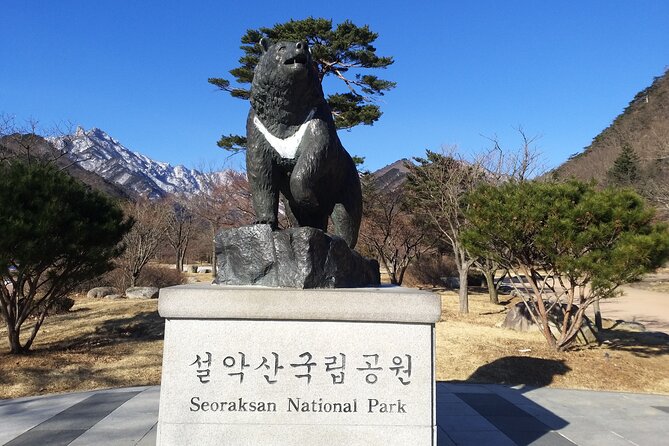
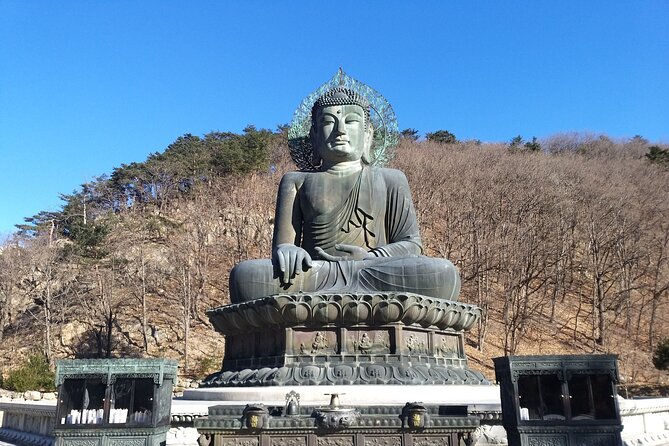
Seoraksan, also called Seoraksan National Park, is no small stop. It’s a protected area with a long conservation story: it became a national park in 1973 and later a UNESCO Biosphere Reserve (1982). That background matters because it helps explain why the scenery feels so “kept,” with natural rock formations and waterfalls built into the experience.
Inside the park, you’ll visit Shinheungsa Temple, which sits within the Seoraksan landscape rather than being a stand-alone city temple. That matters because you feel the temple in the context of mountains and forest, not as a quick interior detour.
You’ll typically have about 2 hours 30 minutes here, and you can choose your pace:
- Hike a route, likely with waterfall and viewpoint possibilities depending on the day.
- Use the cable car, if it’s operating (cable car fee is not included).
Two important reality checks for this stop:
- Cable car is weather-dependent. The tour notes it may not operate depending on conditions. If it doesn’t run, you’ll rely more on walking paths.
- Fall foliage changes the plan. During Oct 20–Nov 4, the tour swaps in Jujeongo Valley (Osaek) hiking rather than the cable car course.
How to make Seoraksan work for you
If you’re trying to maximize views, I’d plan as if you might be hiking. Comfortable shoes matter because you’re on uneven outdoor ground. If you’re tired easily, the cable car can help you conserve energy, but keep your expectations flexible—weather can decide for you.
The best part of this stop is how you get multiple “types” of scenery. You’re not just walking past a single viewpoint. You’re moving through a landscape with rock formations, temple atmosphere, and waterfall scenery that can look completely different depending on mist or rain.
Gapyeong’s Bukhan River Railway Bridge: The Rail Bike Moment
This is the optional piece that often turns a good day trip into a memorable one. The tour frames it as an experience between stations: the Rail Bike round trip starts from Gapyeong Station, stops at Gyeonggang Station, and returns to Gapyeong Station. The activity block is around 1 hour.
Why this works so well in the middle of the day:
- It’s scenic without being exhausting like a full hike.
- It breaks up the long travel between Seoul and the islands.
- It turns “seeing” into “doing,” which makes the photos feel more lived-in.
Also, the reviews you’ll find for this style of tour tend to treat the Rail Bike like a highlight. Many guests call it fun and scenic, and several explicitly mention the romantic feel—especially as a way to end the day after Nami.
A key detail from the tour terms: shared Rail Bike seats are included only if you select the Rail Bike option. Private Rail Bike seats are not included, and if you only book the Seoraksan + Nami parts, the Rail Bike is excluded. So if Rail Bike matters to you, make sure you’re selecting it at checkout.
Nami Island: Winter Sonata Walks, Art Corners, and Tree-Lined Calm
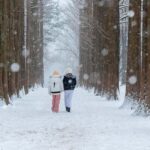
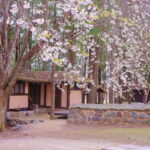
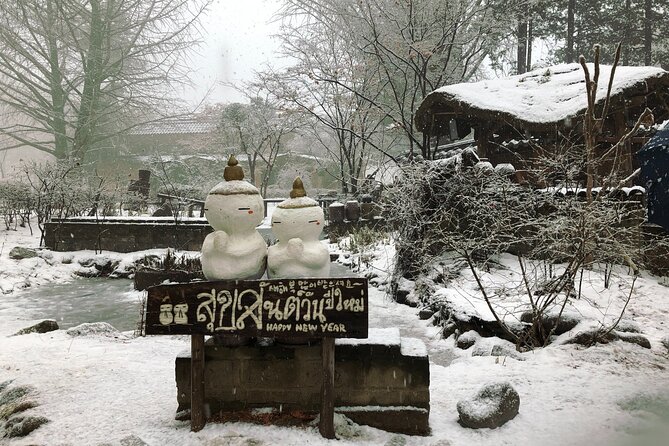
Then comes Nami Island, and it feels like the day slows down in the best way. Nami is famous for that romantic atmosphere, and yes—the drama Winter Sonata was filmed here. Even if you’re not a superfan, the island’s layout supports an easy walking rhythm: paths lined with metasequoia, ginkgo, and cherry trees, plus art installations around many corners.
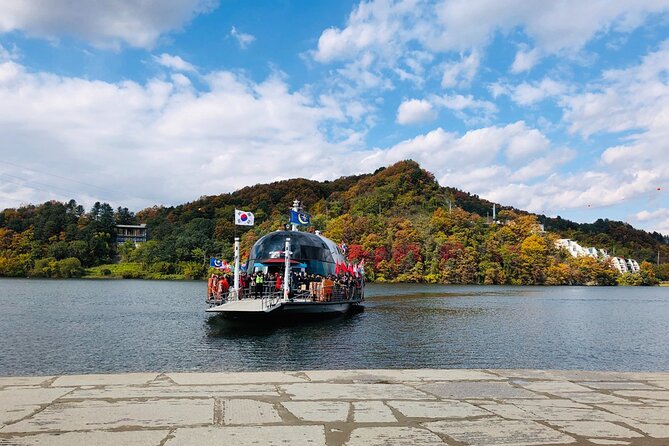
You’ll spend about 2 hours 30 minutes here, and the tour includes the ferry ticket. Nami Island is built for strolling, and this kind of time window is useful: long enough to wander and take photos, not so long that you get stuck in tourist fatigue.
What you should expect
- A “walk and browse” island vibe rather than a hard hike.
- Lots of photo-friendly scenery and art moments you can drop in and out of.
- A crowd level that can vary with season, since Nami tends to draw couples and families.
Potential drawback: Nami can feel less meaningful if you only want epic nature or major attractions with big structures. It’s more mood and scenery than adrenaline. If you love gardens, trees, and that cinematic island feel, you’ll likely land in the right mindset.
My practical tip
If you’re adding the Rail Bike, think of it as your build-up into Nami’s calmer second half. You’ll probably enjoy Nami more when you’re not racing to cram in everything. Use your 2.5 hours to pick a few signature photo spots and then keep moving. Don’t try to check every corner.
You can also read our reviews of more tours and experiences in Seoul



Timing, Weather, and How Guides Keep the Day Working
This tour is weather-sensitive in a very straightforward way. Seoraksan cable car may not run, and the tour states it requires good weather overall. If the tour is canceled due to poor weather, you’ll be offered a different date or a full refund.
So how do you handle that when you’re on the ground?
You trust the guide’s plan. Several past guests highlight guides like Ki, Patrick, and others (including Jin, Jinyong, and SB) for staying on schedule and adapting when conditions weren’t ideal. One review mentions a rainy day and praise for how the guide still made the day enjoyable. Another mentions swapping plans based on weather.
That’s the real value of having a competent driver-guide: you’re not stuck trying to solve logistics while everyone’s cold, tired, or wet. The guide keeps you moving and helps you shift from cable car to walking, or from one viewpoint route to another, without you feeling lost.
If you hate waiting, you may find the long day a bit draining. If you accept that you’ll spend hours traveling and that some portions can be weather-modified, you’ll probably enjoy it more.
Price and Value: Is $85.18 Worth It?
At $85.18 per person, this is a mid-range day trip for South Korea. Here’s why it can still feel like good value:
You’re getting included tickets and transport:
- Entrance ticket for Mt. Seorak
- Ferry ticket for Nami Island
- Air-conditioned shared transport in a minivan
- An English-speaking tour guide/driver
- Optional shared Rail Bike seats (if selected)
Then you avoid the “hidden math” of DIY travel:
- Seoul to the mountain and then to Nami isn’t a simple straight line.
- Ferry timing and entry logistics can eat up time when you’re working solo.
- Cable car is extra, and meals are extra either way, so the tour is basically selling you the big-ticket convenience items.
What’s not included, so you don’t get surprised:
- Cable car fee at Seoraksan
- Meals and beverages
- Private Rail Bike seats (if you want them)
- Zip-wire tickets at Nami Island (optional add-on)
- If you’re only booking the Seoraksan + Nami parts, Rail Bike is excluded
My honest take: if you’re already planning to see Seoraksan and Nami in one visit cycle, bundling them with transport is usually the smartest way to protect your time. If you only care about one of the two big stops, then this might feel overstuffed.
Food, Comfort, and Smart Packing for a 14–16 Hour Day

Meals aren’t included, so you’ll want to plan for food stops during the day. Past reviews mention lunch options and good restaurant choices guided by the tour team, but the only reliable approach is to expect you’ll eat outside your original comfort zone and at set times.
Comfort items that make this tour easier:
- Comfortable shoes for Seoraksan walking (or stairs, depending on the route you take).
- A light rain layer. Even in non-rainy seasons, mountain weather can shift fast.
- A charging plan for your phone (one review specifically mentions help charging on the way back).
- Layered clothing for bus air-conditioning plus outdoor time.
Also, think about luggage. The tour asks you to discuss luggage size and quantity in advance if you’re bringing yours. That’s not just bureaucracy—it helps the operator avoid a situation where big bags make everyone’s space annoying.
Who This Tour Is Perfect For (and Who Should Skip It)
This tour fits best if you want a mix of nature and a softer island experience without managing transport yourself. It’s especially attractive for:
- People with limited time in Seoul who still want a real day outside the city
- Nature lovers who want Seoraksan plus temple scenery
- Couples who like the romantic feel of Nami and might enjoy ending with a Rail Bike ride
- Solo travelers who want an English-speaking guide and a schedule already handled
You might skip it if:
- You hate long days and long bus time.
- You’re only looking for one “major” stop. Here, the whole point is seeing two big regions in one rhythm.
- You’re very dependent on cable car. It’s not guaranteed and may be replaced by more walking depending on conditions.
Should You Book This Tour?
Book it if you want maximum variety from Seoul with less logistics stress. Seoraksan is the big nature win, Shinheungsa gives you meaningful context inside the park, and Nami Island gives you a calm, scenic walking break with Winter Sonata vibes. Adding the Rail Bike is the fun middle layer that many people end up loving because it’s active, scenic, and different from just taking photos.
Skip it if you’d rather spend a full day slower at just one place. Nami can deserve more time than this schedule allows, and Seoraksan can be an all-day hiking destination for serious walkers.
One final decision tip: choose based on your tolerance for weather and timing. If you’re okay with flexibility—especially around the Seoraksan cable car—this tour can feel like a smart, enjoyable way to hit two iconic destinations in a single day.
FAQ
What does the tour include?
It includes shared air-conditioned minivan transport, an English-speaking tour guide/driver, entrance ticket for Mt. Seorak, ferry ticket for Nami Island, and shared Rail Bike seats if you select the Rail Bike option.
Is the Seoraksan cable car fee included?
No. The cable car fee at Mt. Seorak is not included, and it may not operate depending on weather conditions.
How long is the full tour?
The duration is approximately 14 to 16 hours.
How long do you spend at each main stop?
The time blocks listed are about 2 hours 30 minutes for Seoraksan, 1 hour for the Gapyeong Rail Bike activity, and 2 hours 30 minutes for Nami Island.
Where are the pickup locations in Seoul?
You’ll meet at either Hongik Univ. Station Exit 8 or Myeongdong Station Exit 4. The tour notes there is no drop-off at Hongik Univ. Station for heavy traffic jam, and you may need to use subway line 2 at Dongdaemun History & Culture Park Station.
What happens if the weather is poor?
The tour requires good weather. If it’s canceled due to poor weather, you’ll be offered a different date or a full refund.

![[Small Group] Aegibong and DMZ Closest Views of North Korea - ID check and the Unification Bridge: this is where the day becomes real](https://1.visitseoulkorea.com/wp-content/uploads/small-group-aegibong-and-dmz-closest-views-of-north-korea-400x267.jpg)