REVIEW · SEOUL
Seoul: Maisan Cherry Blossom and Jeonju Hanok Day Tour
Book on GetYourGuide →Operated by Korea Time Tour · Bookable on GetYourGuide
Spring in Korea can feel like a speedrun.
But this day tour turns the season into two memorable stops: Maisan Cherry Blossom trails under the twin peaks, and Jeonju Hanok Village with traditional houses, hanbok, and snack-hunting. I especially like the clean, festival-style focus at Maisan and the way Jeonju feels like walking through a time machine. The trade-off is simple: it’s a 13-hour outing with about 1–2 hours of walking, so pack for comfort.
You start with round-trip transportation from Seoul and an English-speaking guide-driver. The good news is the pacing works for a one-day plan—long, yes, but not chaotic. And based on recent guide praise (including Andrew), you can expect a friendly, competent hand for the day’s big transitions.
In This Review
- Key Highlights You’ll Actually Care About
- From Seoul To North Jeolla: The Ride That Sets the Tone
- Maisan Cherry Blossoms: The 3-Kilometer Tunnel Moment
- Ammaibong And Sumaibong: Why Maisan Means Horse Ear Mountain
- Jeonju Hanok Village: Over 800 Traditional Houses In One Day
- Walking Time: 1–2 Hours And How To Manage It
- Street Food Planning In Jeonju (Since Meals Aren’t Included)
- Value Check: Is $71 A Fair Price For This Day?
- What This Tour Feels Like: A One-Day Best-of Spring Plan
- Who Should Book This Maisan And Jeonju Tour
- Should You Book? My Practical Recommendation
- FAQ
- How long is the tour?
- What’s included in the tour price?
- Are meals included?
- How much walking should I expect?
- Does the price include drinks and snacks?
- Can I reserve now and pay later?
- Where do I meet the guide?
Key Highlights You’ll Actually Care About
- Maisan Provincial Park’s cherry blossom tunnel: a famous 3-kilometer stretch that blooms around mid-April.
- Twin peaks with names you can remember: Ammaibong and Sumaibong, tied to the meaning of Maisan (horse ear mountain).
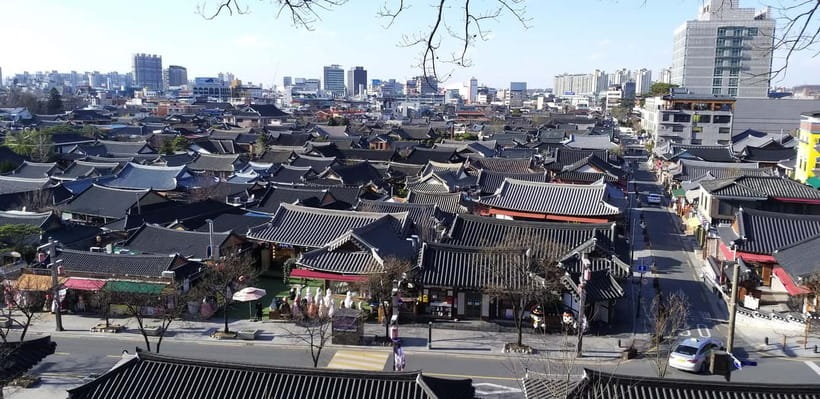
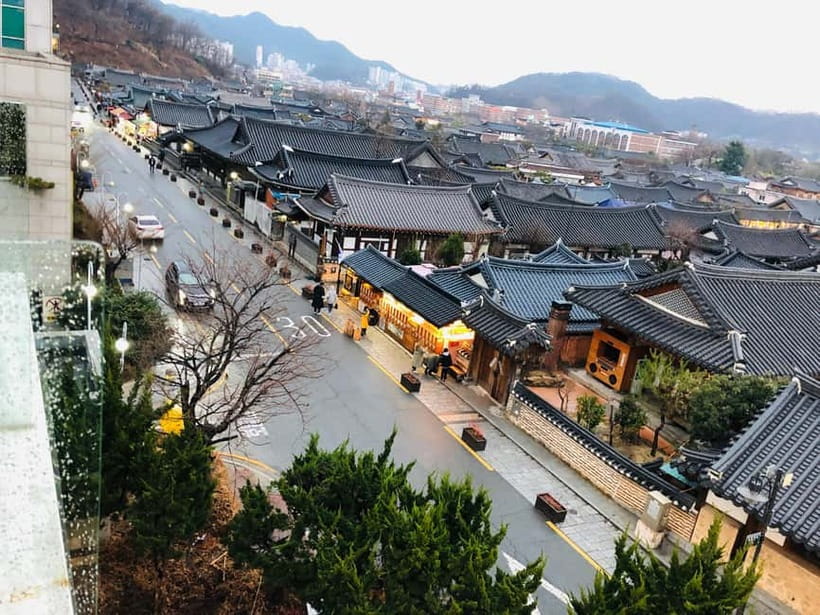
- Jeonju’s hanok density: over 800 traditional houses lined along streets and courtyards.
- Culture you can try: hanbok and local snacks built into the Jeonju experience.
- A long day, managed well: comfortable round-trip transport and an organized flow that keeps moving without feeling rushed.
From Seoul To North Jeolla: The Ride That Sets the Tone
This is a long day, and the transportation part matters. The tour includes round-trip transportation, so you’re not stuck coordinating trains and transfers across provinces. That’s a big deal when your schedule is measured in hours, not days.
You’ll also have an English-speaking guide (driver) handling the hard parts: timing, logistics, and keeping the group pointed in the right direction. In recent feedback, the guide Andrew specifically came up for being both friendly and competent, which tells me this isn’t one of those tours where you’re left to figure things out on your own.
One small thing to plan for: the meeting point may vary depending on the option booked. If you’re the type who likes to arrive early and calmly find your start, you’ll be happier double-checking your exact pickup location the day before.
You can also read our reviews of more tours and experiences in Seoul.

Maisan Cherry Blossoms: The 3-Kilometer Tunnel Moment
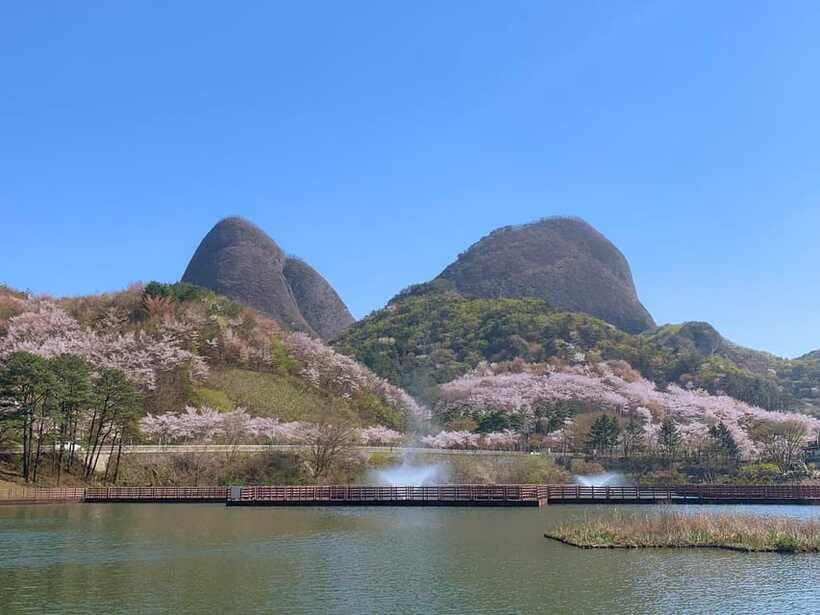
The Maisan portion is built around the spring showpiece: the cherry blossoms at the Jinan Cherry Blossom Festival. Each spring, the area transforms into a cherry blossom setting along a 3-kilometer-long tunnel-style route that typically blooms in mid-April.
What I like about this kind of plan is that it’s not just random sightseeing. You’re aiming for one concentrated stretch of flowers, which makes photos easier and the vibe more focused. If you’re traveling during peak season, that focus helps you spend your time on the real payoff instead of searching for the “best spot” on your own.
Also, the festival atmosphere often comes with extra things to do—there can be cultural performances and activities that add energy beyond a simple walk. Even if you’re not there for performances, the added activity tends to make the area feel more alive and less like a quiet nature stop.
Ammaibong And Sumaibong: Why Maisan Means Horse Ear Mountain
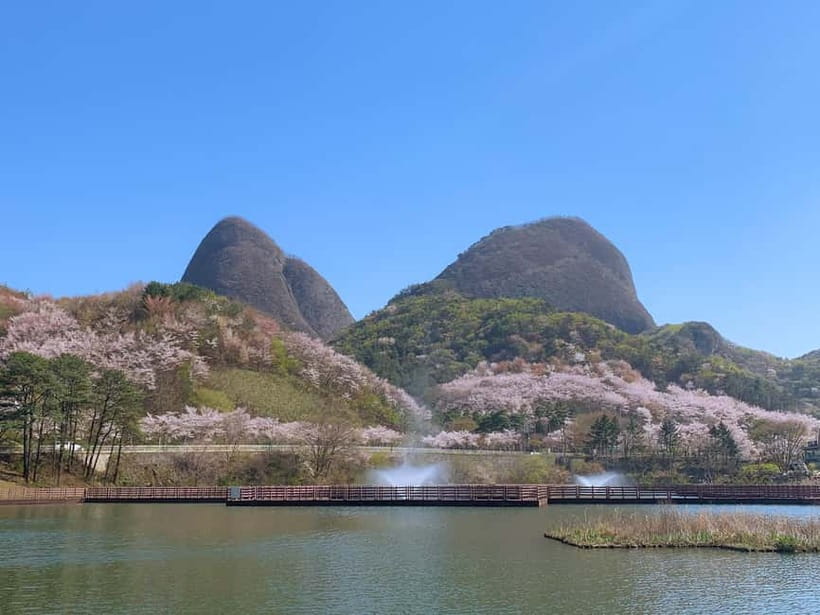
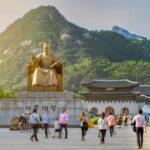
Maisan isn’t just pretty in spring. It has a story, and the view helps you understand it. The park is famous for its twin peaks—Ammaibong and Sumaibong—which look like a pair of horse ears. That’s where the name Maisan comes from.
When you visit, it’s worth treating the scenery like a landmark system. Instead of only thinking about cherry trees, you can also track those two peaks. It gives your eyes something steady to look for, especially when crowds move you along the path.
This matters because Maisan Provincial Park is described as having a mix of lush areas, rugged terrain, and serene valleys. In practice, that means the route can feel like it changes “mood” as you go—flowers early, mountain framing in the middle, calmer views when you catch a break in the walking flow.
Jeonju Hanok Village: Over 800 Traditional Houses In One Day
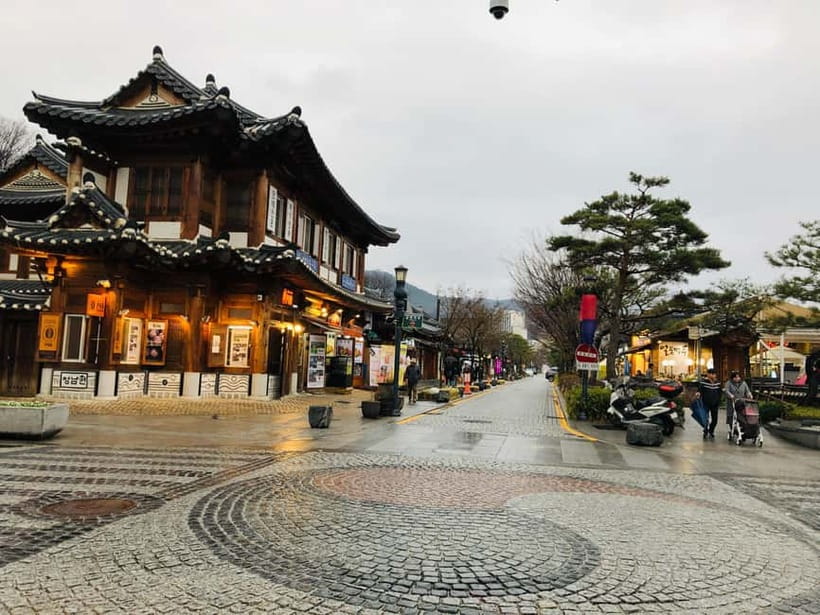
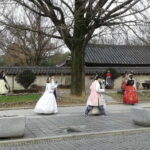
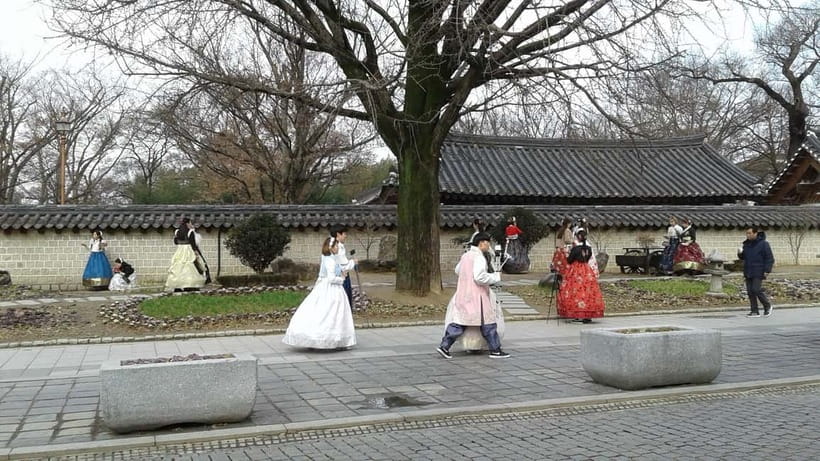
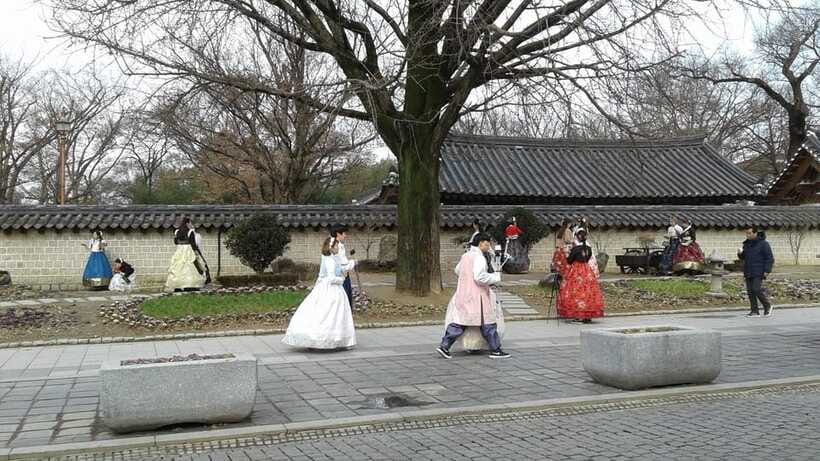
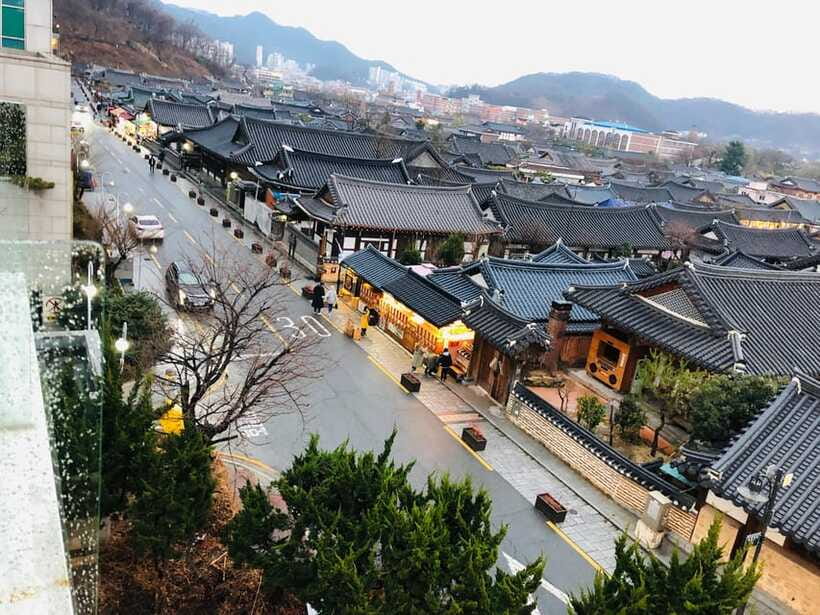
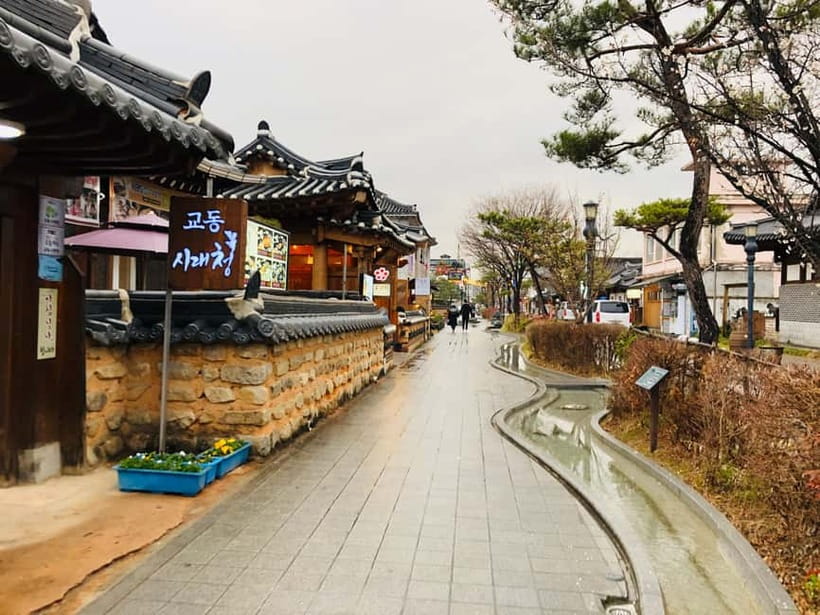
Then you head to Jeonju Hanok Village, which makes this tour more than a one-season photo run. Jeonju is known for its traditional Korean houses, hanok, with over 800 houses in the area. The feel is simple: streets lined with traditional architecture, so you’re not hunting ruins or “one famous building.” You’re walking through the setting.
I like this stop because it’s sensory. Hanok areas aren’t just about architecture from a distance—you get small details like how the streets are arranged, how courtyards sit, and how the neighborhood rhythm changes compared with modern Korea. If you’ve been to Seoul and want something more grounded and old-school, this delivers.
And this tour doesn’t treat Jeonju like a museum. You can also enjoy hanbok (traditional costume) and various snacks while you’re there. That’s a nice balance: you get culture, plus you get to keep your energy up without turning the day into a calorie spreadsheet.
Walking Time: 1–2 Hours And How To Manage It
The tour notes about walking are pretty clear: expect about 1–2 hours on foot. That’s not a hike-all-day number, but it’s enough to make shoe choice matter—especially in spring when weather can be changeable.
Here’s how I’d manage it if you want to feel good:
- Wear comfortable shoes you trust for uneven ground.
- Bring a light layer for temperature shifts.
- Keep water and snacks in mind for your own meal time, since food isn’t included.
The key is pacing. You’re on a one-day schedule connecting two big destinations, so you’ll keep moving. If you know you get tired fast on long sightseeing days, this is still doable—you just need to arrive with the right mindset: it’s a full day, not a casual stroll.


Street Food Planning In Jeonju (Since Meals Aren’t Included)
Meals and beverages aren’t included on this tour. That’s actually helpful if you like choosing what you eat on your own. Jeonju Hanok Village is the kind of place where snack options can change street by street, so a flexible meal plan gives you control.
The tour highlights mention trying various street food in the village. Practically, that means you’ll want to budget time to browse. Don’t treat snacks like a quick checkbox. Sampling small items while you explore the hanok lanes often feels more fun than sitting down for one big meal.
If you’re worried about not having enough to eat, it helps to think in rhythm: snack during the walking/exploring portion, then decide later if you want a heavier meal. That keeps energy steady for photos and wandering, and it avoids the trap of being hungry but too busy to choose.
Value Check: Is $71 A Fair Price For This Day?
At $71 per person for a 13-hour day, you’re paying for structure: round-trip transport and an English-speaking guide-driver. Food and personal expenses are on you, so the price is mostly about getting you between two destinations efficiently.
Here’s how I’d judge the value:
- If you’d normally spend time figuring out transit or group timing, the included transportation saves stress.
- If you like knowing where to go and what matters, the guide helps you get traction faster.
- If you want a simple checklist day—flowers plus hanok plus snacks—this fits that style.
And the recent feedback is consistent with that setup: comfortable transport, good organization, and a guide who keeps things smooth. The tour is long, but the “worth it” sentiment shows that the planning is doing its job.
What This Tour Feels Like: A One-Day Best-of Spring Plan
This experience works well if you want two different flavors of Korea in one day:
- Maisan gives you cherry blossom spectacle with mountain framing and a festival vibe.
- Jeonju gives you traditional housing streets, hanbok, and snack culture.
The best part is that both stops are “walkable culture.” You’re not just arriving, snapping one photo, and leaving. You get time in spaces where the details matter—flowers framed by peaks, and hanok streets that feel like an environment, not a single site.
If you’re chasing peak cherry blossoms, pay attention to timing (the festival is described as blooming around mid-April). Travel window matters here more than people expect, because cherry season is short and visual.
Who Should Book This Maisan And Jeonju Tour
I think this one is a strong match for:
- First-timers who want a structured day outside Seoul.
- People who love cherry blossoms but also want a cultural stop beyond the flowers.
- Anyone who doesn’t want to deal with transit planning across regions.
It may be less ideal if:
- You hate long days and prefer short outings.
- You need minimal walking. This tour includes about 1–2 hours on foot, plus whatever walking happens naturally while exploring.
Should You Book? My Practical Recommendation
Book it if you want a clear spring payoff: Maisan’s cherry blossom tunnel plus Jeonju’s hanok village in one organized day with comfortable transport. At $71 with an English-speaking guide-driver, it’s good value for the time you’re saving and the direction you’re getting.
Skip it if you’d rather travel slower or you’re only interested in one theme. This is a “two-stop day,” and the magic comes from combining mountain blossoms with hanok streets. If that combination sounds like your kind of day, you’ll likely feel satisfied when the sun sets—especially in mid-April when the blossoms are at their best.
FAQ
How long is the tour?
The duration is 13 hours.
What’s included in the tour price?
The tour includes round-trip transportation and an English speaking guide (driver).
Are meals included?
No. Food and beverages are not included.
How much walking should I expect?
Expect about 1–2 hours of walking.
Does the price include drinks and snacks?
No. Any personal expenses are not included, so snacks and drinks are up to you.
Can I reserve now and pay later?
Yes. There’s a reserve now & pay later option listed.
Where do I meet the guide?
The meeting point may vary depending on the option booked, so you’ll want to confirm the exact pickup location for your selection.