REVIEW · DMZ TOURS
Ultimate Korea DMZ Tour from Seoul (Gondola & Suspension Bridge)
Book on Viator →Operated by VIP TRAVEL Co.Ltd · Bookable on Viator
A day that changes how you see Korea. This Seoul DMZ tour strings together real armistice-era locations, reunification landmarks, and views that feel close to the border. The highlight for many people is the Paju Imjingak Peace Gondola, plus optional suspension bridges for a fun contrast to the heavy history.
I love two things most: the way the day mixes up different kinds of “DMZ understanding” (memorials, a tunnel, and a far-border viewing point), and the guide style. Names like Nancy and Diane pop up in praise for being energetic, funny when appropriate, and good at keeping you moving without messing up the military timing rules.
One possible drawback: you’ll walk. There are uphill stretches and the Third Tunnel has limited space. If mobility is an issue, this tour can feel like a lot.
In This Review
- Key highlights you’ll actually care about
- A long day with real checkpoints (7.5 hours that moves)
- Getting to the DMZ: how the day “sets the tone”
- Imjingak Peace Park and the reunification trail: Iron Horse to Peace Bell
- Dora Observatory and the Third Tunnel: two different ways to “see” the DMZ
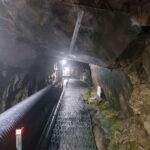
- The Third Tunnel: short visit, serious effort
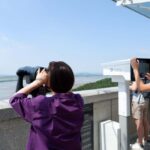
- Dora Observatory: telescope views from Dorasan
- Gondola across the Imjin River: when the view changes your mood
- Optional Gamaksan and Majang suspension bridges: a lighthearted stretch
- Practical tips: walking, photos, and what to bring
- Walking and uphill stretches
- ID checks at the Unification Bridge checkpoint
- Photo restrictions near North Korea viewpoints
- Lunch and where you’ll finish
- Price and value: why $35 can feel like a bargain
- Who this tour suits best (and who should reconsider)
- Should you book this Seoul DMZ tour with gondola and suspension bridge?
- FAQ
- How long is the DMZ tour from Seoul?
- Where can I meet the group in Seoul?
- Is the gondola ride included?
- Do I need a passport for the checkpoint?
- What’s not included in the price?
- Can I cancel for free?
Key highlights you’ll actually care about
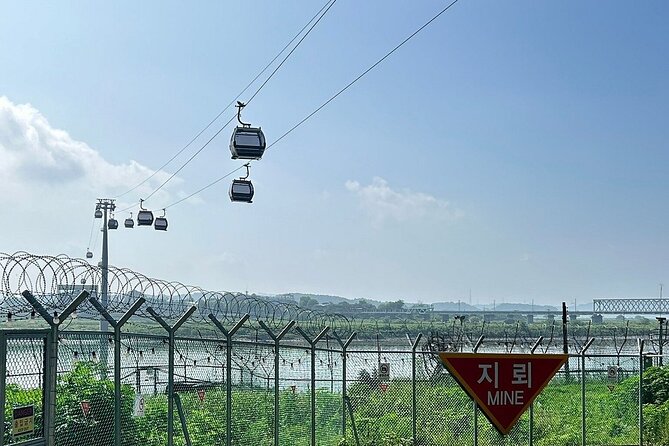
- DMZ gondola time: A dedicated ride gives you an eye-level and birds-eye feel for what’s across the Imjin River.
- Bridge of Freedom and prisoner history: You get specific context at the sites tied to prisoner movement after the armistice.
- Third Tunnel (the hard part): It’s short, but it takes effort and you’ll see the setup rather than just read about it.
- Dora Observatory for long views: After the tunnel, you switch to a telescope view that helps the whole DMZ story click.
- Reunification memorial stops: Iron Horse relic moments, the Peace Bell, and tribute areas add an emotional layer beyond war facts.
- Guides who manage constraints: Reviews frequently mention guides timing the day so you stay on the right side of photo rules and checkpoint flow.
A long day with real checkpoints (7.5 hours that moves)
This isn’t a slow sightseeing crawl. It’s a structured day trip that runs about 7 hours 30 minutes and uses round-trip transportation from central Seoul neighborhoods. That matters because the DMZ area is logistically strict, and the group has to hit multiple sites while still meeting ID and security timing.
You’ll start with a short orientation meet-up in downtown Seoul. The tour offers three convenient meeting points: Myeongdong (Subway Exit 9), Seoul City Hall (Exit 6), and Hongdae (Exit 3). For most people, that makes it easy to plan your morning because you can choose the closest subway stop to your hotel.
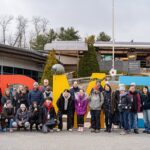
The group size cap is up to 150 travelers, so you’re not getting one-on-one attention. Still, the day is designed to keep everyone moving. In the reviews, guides like Nancy and Emily are praised for staying organized and for giving clear explanations on when photos are and aren’t appropriate.
You can also read our reviews of more tours and experiences in Seoul.

Getting to the DMZ: how the day “sets the tone”
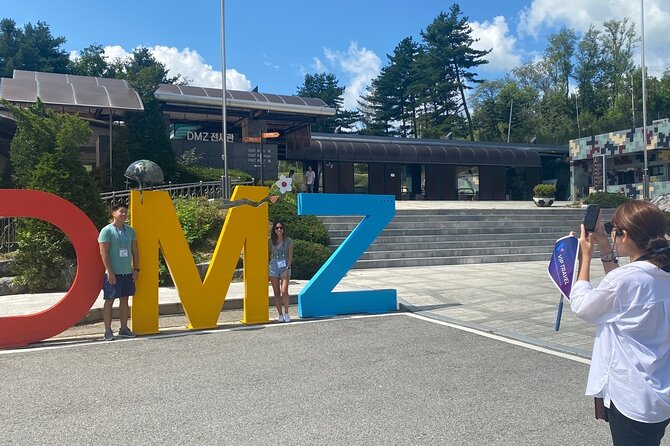
Once you’re on the bus, you’re not just waiting around. You’ll get context for what you’re about to see, then you’ll head into the DMZ zone area where the tour includes a DMZ stop with admission. This is the moment where you start noticing the “quiet” that people associate with the DMZ—less about scenery and more about the feeling of separation.
A bus ride also gives you time to read the day correctly. This itinerary has several emotional sites, and the order helps. It starts with war context and memorial-style places around Imjingak Pyeonghwa-Nuri Park, then moves into border architecture and perspective points later (like the tunnel and observatory).
Imjingak Peace Park and the reunification trail: Iron Horse to Peace Bell
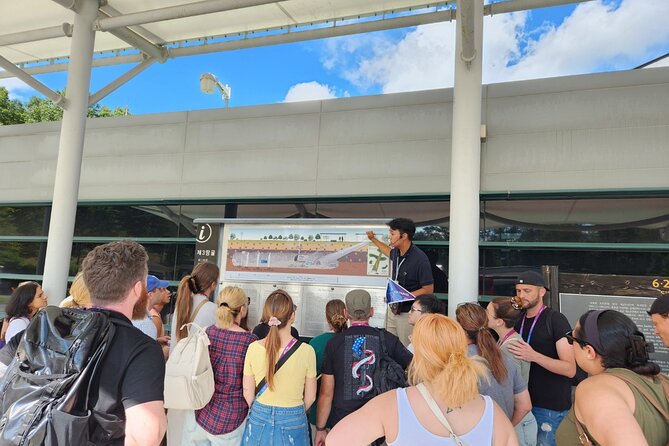
The heart of the early part of the day is the Imjingak area, a memorial park focused on Korean division and reunification hope. You’ll spend time at Imjingak Pyeonghwa-Nuri Park, where the focus isn’t entertainment. It’s remembrance, plus small details that make history feel tangible.
Here’s what I’d look for at this stage:
- The Iron Horse area (steam locomotive): The stop at the Jangdan Station of the Gyeongui Line brings you to a weathered relic people associate with the rail line history tied to division.
- Dokgae Bridge moment: You’ll see the Dokgae Bridge area and understand its symbolism in the same region where people come to think about separation and longing to reconnect.
- Bridge of Freedom: This stop is specifically tied to the armistice aftermath. It’s a temporary span built in 1953 after the war, connected to the movement of prisoners. It’s one of those “facts that land hard” places.
Then the tour circles back to a big symbol: the Peace Bell (Pyeonghwauijong). The bell is described as a 21-ton bronze reunification icon cast in 2002. Even if you’re not the type who gets emotional easily, I think the physical scale helps. You’re seeing hope expressed in metal, not just hearing it described.
In the reviews, guides are repeatedly mentioned for linking these stops together. That’s important. If you just treat each place like a photo stop, you miss why the itinerary groups them the way it does.
Dora Observatory and the Third Tunnel: two different ways to “see” the DMZ
If you want the DMZ story to make sense, you need both close-and-personal and long-range views. This tour gives you that through the Third Tunnel and Dora Observatory.
The Third Tunnel: short visit, serious effort
The Third Tunnel stop is one of the most talked-about parts because it includes a tunnel experience. Expect:
- time walking and entering
- limited space inside
- and a return climb that can be tiring
In reviews, people note that the walk back up can be hard. That’s not a complaint about the site—it’s just physics. The tunnel visit is brief, but you should plan your energy like it’s a mini workout.


Dora Observatory: telescope views from Dorasan
After the tunnel, you’ll go to Dora Observatory. It’s rebuilt in 2018 and described as South Korea’s closest viewing point over toward North Korea. It also has a telescope-style viewing setup, which is why this stop works so well after the tunnel: you stop thinking only about one narrow passage and start thinking about the bigger border line.
Also note a practical detail: this part of the tour is where you can browse for North Korea-related products to buy, since the itinerary overview mentions that you can purchase North Korean products at the unification observatory experience. Don’t expect this to be “a shopping spree.” Think small souvenirs and curios rather than a market day.
Gondola across the Imjin River: when the view changes your mood
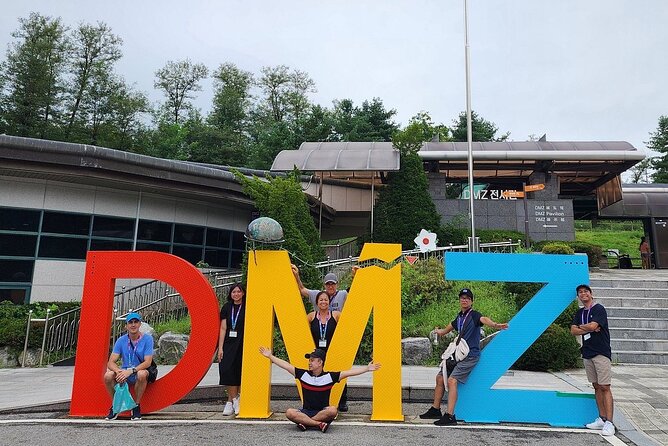
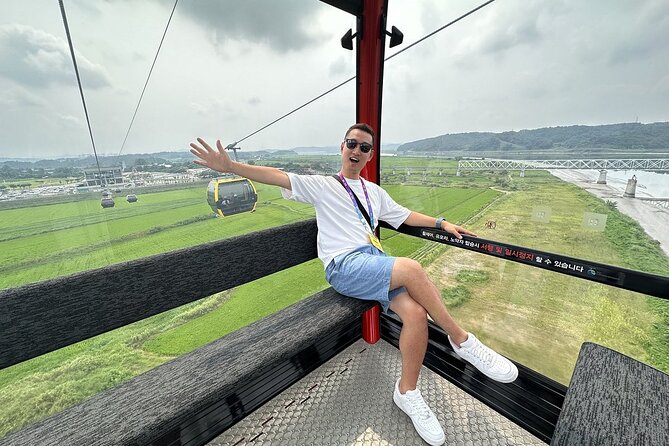
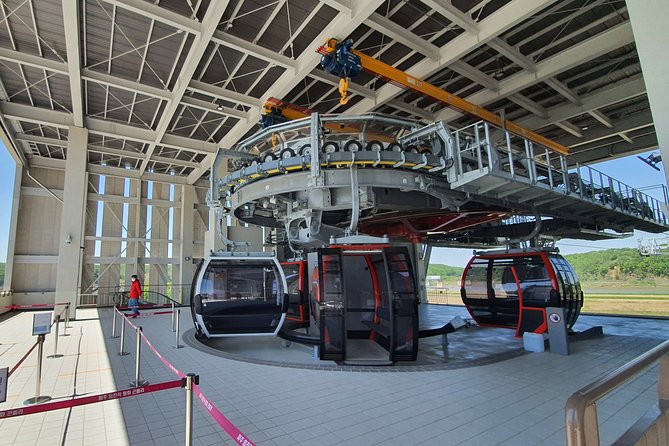
Now for the fun part—the Paju Imjingak Peace Gondola. It’s described as completed in 2020, and it’s the only segment of the day that truly feels like a ride.
The gondola crosses the Imjin River, and it’s positioned as an easy way to see the DMZ area from above while traveling. That altitude shift matters. From ground level at memorials and checkpoints, the story feels personal and heavy. From the gondola, you get a clearer geography picture—distance, river edges, and how the border zone sits in the wider terrain.
In reviews, people repeatedly say the gondola ride is worth it. If you’re the kind of traveler who enjoys “one signature experience” on a tour, this is the one to prioritize.
Optional Gamaksan and Majang suspension bridges: a lighthearted stretch
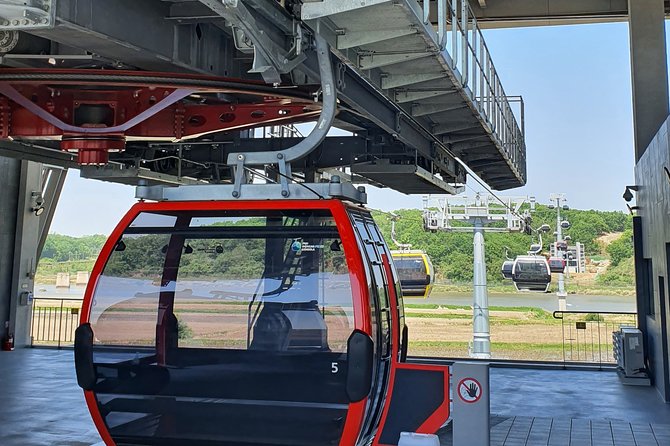
This tour also includes optional suspension bridge stops:
- Gamaksan Chulleong Bridge (about 150 meters long)
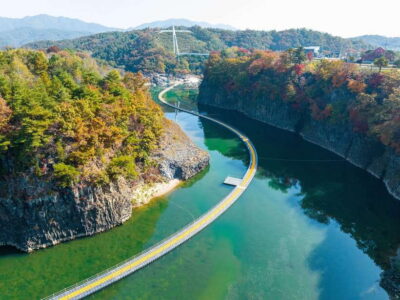
- Majang Lake suspension bridge (about 220 meters across)
These are clearly optional add-ons. The value here is contrast. After memorials, tunnels, and border checks, crossing a suspension bridge feels like fresh air—even if you’ll still be thinking about where you are.
If you choose these add-ons, treat them like a mini activity window. They can add time and walking, but the reward is a dramatic view and that “I can’t believe I’m standing here” feeling.
Practical tips: walking, photos, and what to bring
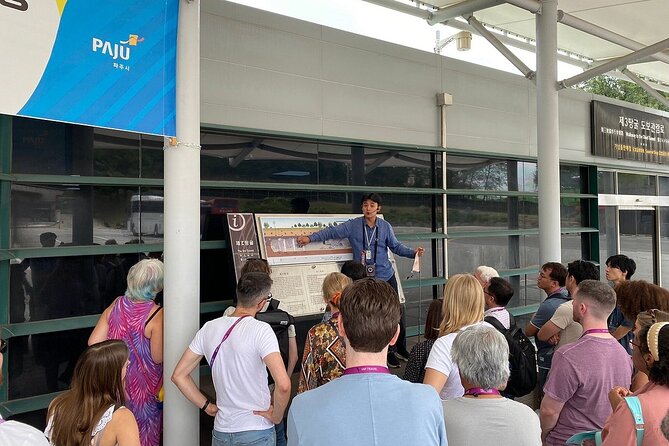
This is where the day can trip you up, so here’s the straight talk.
Walking and uphill stretches
Even without the optional bridges, expect to do some walking and uphill effort. Reviews mention:
- two longer uphill walks
- a hard climb associated with the tunnel return
- and limited alternatives for people with disabilities otherwise
If you have knee issues or need a slower pace, plan ahead. Wear supportive shoes. Bring water if you can (water options aren’t listed, so I wouldn’t assume).
ID checks at the Unification Bridge checkpoint
There’s a Unification Bridge stop described as a military checkpoint where soldiers inspect the bus and perform ID verification checks. The tour specifically tells you to have a passport, a Military ID, or a South Korea-issued ARC ready.
If your passport is in the bottom of a bag somewhere, don’t do that on tour day. Keep it within reach so you’re not slowing the line.
Photo restrictions near North Korea viewpoints
One review calls out disappointment about not being able to take pictures of North Korea in certain areas. That’s not a tour failure—it’s a government rule. Still, it’s worth mentally preparing. If you treat this day like a photography project, you might leave annoyed. If you treat it like a history-and-perspective day, you’ll be happier.
Lunch and where you’ll finish
Lunch is not included. The reviews include at least one note about the food being only OK and also about unclear labeling in the restaurant (so don’t rely on menu details you can’t see). If you’re picky, bring snacks and plan to eat before or after.
Drop-off is in central Seoul at Hongdae, Seoul City Hall, or Myeongdong. There’s no hotel drop-off included, so build an easy plan for getting home afterward.
Price and value: why $35 can feel like a bargain
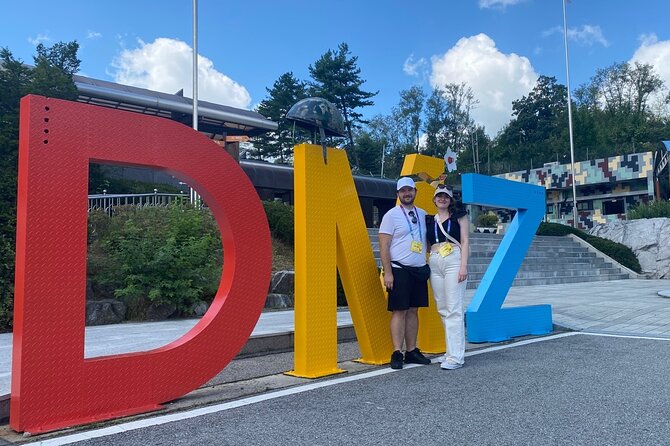
At $35 per person, this tour is priced low for a full-day program that includes:
- round-trip transport in an air-conditioned vehicle
- all fees and taxes
- admission tickets for several major stops
- the DMZ-side experience time
- plus the gondola admission is listed as included (and suspension bridge options are also included where selected)
The big reason it feels like value is that a “DMZ day” elsewhere often gets expensive because of transport time and multiple regulated sites. Here, you’re paying for a packed itinerary rather than a single attraction.
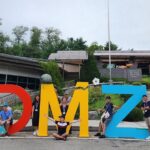
The trade-off is that you don’t get a slow, flexible day. You get a structured one, and that structure depends on the tour guide. Reviews repeatedly name excellent guides—Nancy, Diane, Emily, Crystal, Hana, and Alex (MJ)—and the common thread is organization and clarity on timing, photos, and movement. You’re buying their ability to keep the group flowing.
Who this tour suits best (and who should reconsider)
This tour fits best if you:
- want a one-day hit of DMZ sites without stitching together tickets and logistics yourself
- enjoy guided context more than self-guided wandering
- are okay with walking and tunnel effort
- want family-friendly pacing (the itinerary is designed for groups, and many reviews say families enjoyed it)
You might reconsider if you:
- have significant mobility limits or struggle with steep uphill walks
- expect lots of freedom to take photos from every angle
- want long, quiet time at each stop
Also consider your emotional comfort. This day includes war memories and reunification memorials. It’s not “sad sightseeing,” but it is heavier than normal tours. If you can handle that, you’ll likely get more out of it.
Should you book this Seoul DMZ tour with gondola and suspension bridge?
I’d book it if you want a high-value day that covers the main DMZ story beats in one go, especially if the gondola is your “must-do.” The best part is the balance: memorial sites give meaning, the Third Tunnel gives physical reality, and Dora Observatory gives you the border-line perspective.
I wouldn’t book it on impulse if you’re sensitive to crowds or you can’t handle walking uphill or the tunnel return climb. But if you’re prepared with good shoes, your ID ready for the checkpoint, and a flexible mindset about photo rules, this tour can be exactly the kind of Seoul day trip that sticks with you for years.
FAQ
How long is the DMZ tour from Seoul?
It runs for about 7 hours 30 minutes.
Where can I meet the group in Seoul?
You can meet at Myeongdong Subway Station (Exit 9), Seoul City Hall Subway Station (Exit 6), or Hongdae Subway Station (Exit 3).
Is the gondola ride included?
The itinerary lists the Paju Imjingak Peace Gondola (DMZ Gondola) as optional, but it is marked with admission included.
Do I need a passport for the checkpoint?
Yes. The Unification Bridge military checkpoint includes ID verification, and you’re told to have a passport, Military ID card, or a South Korea-issued ARC.
What’s not included in the price?
Lunch is not included, and there’s no hotel drop-off. You’ll get off at City Hall, Hongdae, or Myeongdong.
Can I cancel for free?
Yes. You can cancel for a full refund up to 24 hours in advance of the experience’s start time.