REVIEW · COOKING CLASSES
Royal Seoul Cooking Class in a 100-Year-Old Hanok
Book on Viator →Operated by Royal Seoul Cooking Class · Bookable on Viator
A hundred-year-old house and dinner you make yourself. I love how this class blends royal Korean cooking with a real Jongno hanok setting, so it feels less like a show and more like being welcomed into a home. You’ll follow step-by-step instruction from Chef Park (also called Ricky in many comments) while learning classic dishes like LA galbi and fresh kimchi.
The best part for me is the small group size of up to 6 people, which keeps the teaching personal and the pace relaxed. One thing to consider: the overall schedule includes several major Seoul stops before and around the class, so you’ll want comfortable shoes and a little patience if you’re short on time.
In This Review
- Key highlights you’ll actually notice
- Gyeongbokgung to Gwanghwamun: how the route sets up your meal
- Inside the 100-year-old hanok: why the setting isn’t just decoration
- Chef Park teaching style: hands-on, funny, and focused on your plate
- The royal menu: what you’ll cook and why it’s a smart set
- Bangjja plates, makgeolli, and desserts: the part you shouldn’t skip
- It takes about 2 hours 15 minutes, but the vibe is unhurried
- Price check: $98.98 and what you’re really paying for
- Where it fits in your Seoul plan (and who should book it)
- Quick tips to make the night go smoothly
- Should you book the Royal Seoul Cooking Class in this 100-year-old hanok?
- FAQ
- How long is the Royal Seoul Cooking Class?
- What is the group size limit?
- Where does the experience start?
- What dishes will we cook?
- Are drinks and desserts included?
- Do I need cooking experience to join?
- Is the class taught in English?
- Do I get a ticket on my phone?
- What is the cancellation policy?
Key highlights you’ll actually notice
- Max 6-person class means you get hands-on time instead of watching from the sidelines
- Chef Park’s guidance is repeatedly praised for clear English and lots of food-and-culture talk
- Handmade bangjja plates give your meal a true Korean dining feel, not generic tableware
- A royal-style menu including LA galbi, fresh kimchi, haemul pajeon, and tangpyeongchae
- Makgeolli + traditional desserts close out the meal in a very Seoul way
- Historic hanok setting makes the evening feel special even before you start cooking
Gyeongbokgung to Gwanghwamun: how the route sets up your meal
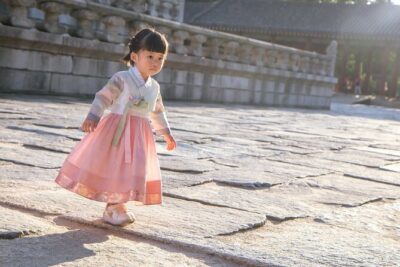
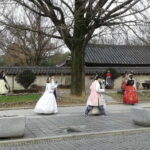
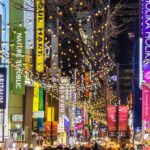
This experience doesn’t start in a kitchen. It runs as a short Seoul route that includes Gyeongbokgung Palace, Changdeokgung Palace, Kwangjang Market, Ikseon-dong Hanok Street, and Gwanghwamun Square. The order matters because it helps you shift from big, iconic “Seoul postcard” sights into the older neighborhoods where you can actually feel the city’s daily rhythm.
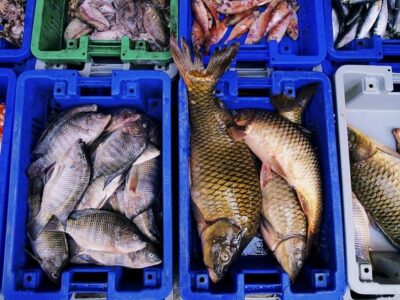
Kwangjang Market, in particular, is the kind of place that makes food feel real fast. Even if you don’t do much shopping, it puts you in the right mindset: Korean cooking isn’t abstract. It’s street-level, sauce-level, and hands-on.
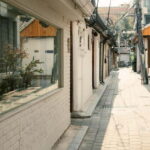
Ikseon-dong Hanok Street and Gwanghwamun Square also work as good mood-setters. You’re moving through areas that mix history and modern life, which matches the theme of the class: traditional techniques with dishes that people still eat now. If you’re the type who likes a plan that flows from seeing to tasting, this format will fit you well.
One practical note: since the schedule includes multiple stops, plan for some walking and time on your feet. The listing doesn’t spell out pacing, so build in a little buffer if you’re very time-tight.
You can also read our reviews of more cooking classes in Seoul
Inside the 100-year-old hanok: why the setting isn’t just decoration
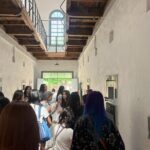
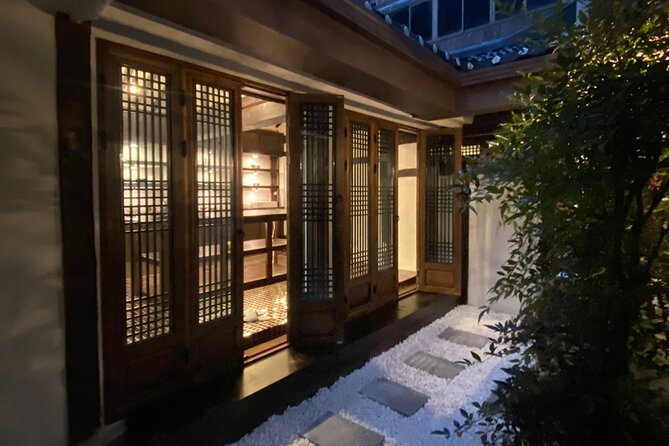
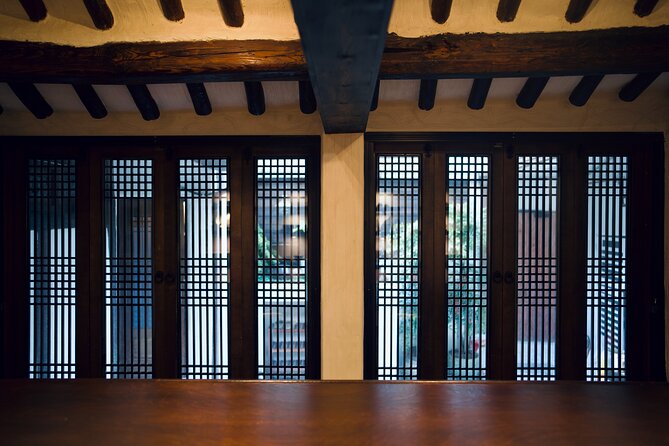
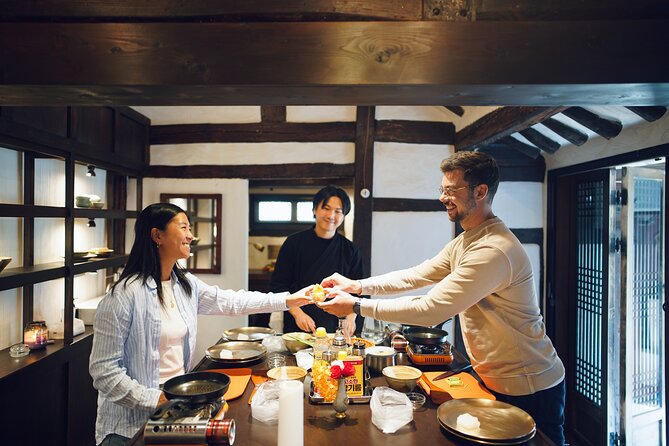
The cooking happens in a 100-year-old hanok in central Seoul, in a home-like space that feels preserved rather than staged. You’ll be cooking and then eating in the same heritage atmosphere, which changes how the evening feels. It’s warmer, quieter, and more intimate than most cooking classes that live in standard storefront kitchens.
This matters because Korean food is partly technique and partly atmosphere. The hanok dining space helps you slow down. It also makes the meal feel ceremonial without turning it into something stiff or formal.
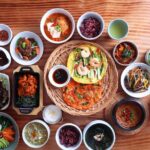
You’ll sit down to eat on handcrafted bangjja bronzeware plates. That’s not a random upgrade. In Korean dining, the “how it’s served” piece shapes the experience. Cold makgeolli and warm food hitting a traditional metal plate is the kind of small detail you’ll remember, long after the recipe.
Chef Park teaching style: hands-on, funny, and focused on your plate
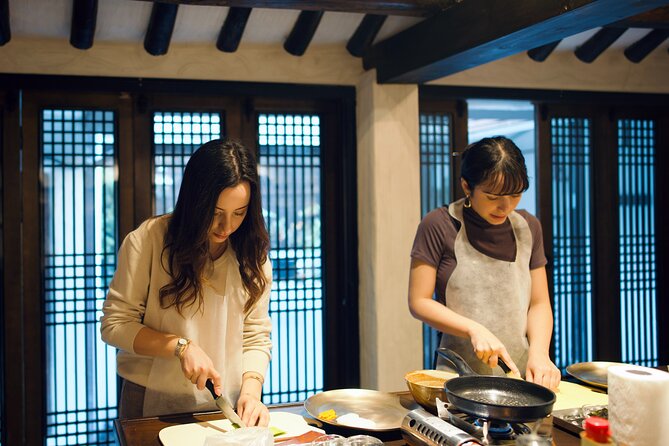
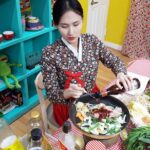
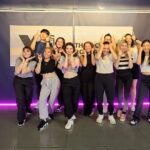
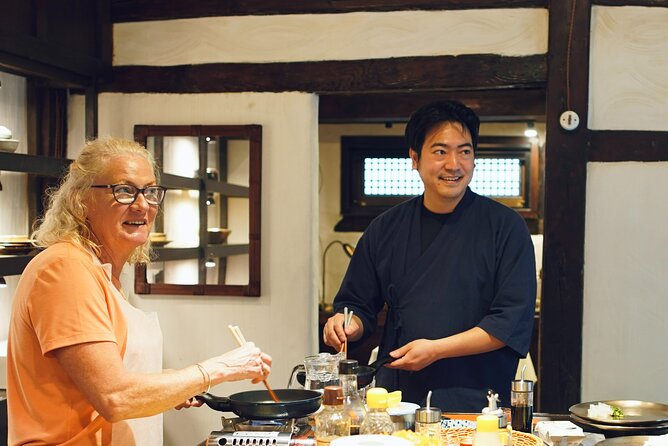
Chef Park (many people refer to him as Ricky) is central to why this class gets such strong ratings. The consistent pattern in feedback is that he teaches with clear steps and good English, then adds context about what you’re making and why it matters.
This is a beginner-friendly class. You don’t need cooking skills. The whole point of the small group size is that you can ask questions and still keep your hands moving. With up to 6 people, you’re not stuck waiting for someone to free up counter space.
A neat bonus: the teaching isn’t limited to cooking technique. Multiple comments mention that you’ll get cultural stories and history tied to the dishes. If you want a cooking class that makes you feel like you understand the food, not just the steps, this is built for you.
The class also seems to handle real-life needs. One participant shared that Chef Park accommodated a stool request for bad legs. That doesn’t mean every request is guaranteed, but it does suggest he’s paying attention to comfort, not just speed.
The royal menu: what you’ll cook and why it’s a smart set
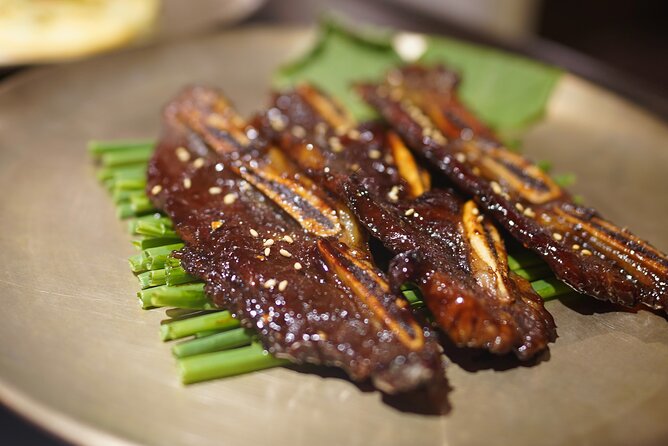
The class menu centers on Korean favorites that also connect to the idea of royal-style dining: careful flavors, balanced seasoning, and dishes that look good on the table. You’ll make:
- LA galbi: A Korean grilled-meat style that’s approachable and popular. It’s also one of those dishes where your seasoning choices really show.
- Fresh kimchi: You’re not just eating kimchi here. You’re learning how it comes together fresh, which makes it easier to understand flavor building blocks.
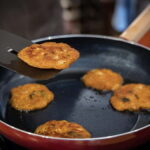
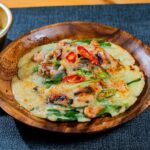
- Haemul pajeon: A seafood pancake that teaches texture and batter balance. Pajeon is one of those dishes where timing matters, so you get practical technique rather than just mixing.
- Tangpyeongchae: Included as part of the meal, giving you another dish category to learn from rather than repeating the same flavor structure.
Even if you don’t cook much at home, this menu is a strong “home cook” mix. It gives you variety—grilled, fermented, pan-fried, and mixed/served-style elements—so you leave with more than one skill. And because the class is small, you’re more likely to actually finish each dish with your own hands involved.
Bangjja plates, makgeolli, and desserts: the part you shouldn’t skip
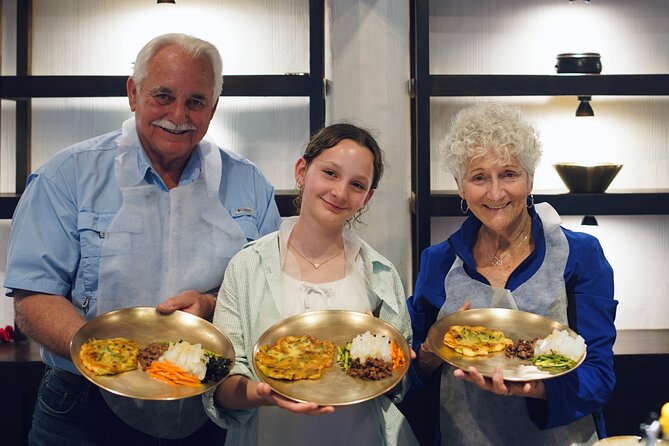
After cooking, you dine in true Korean style. The meals are served on handmade bangjja bronzeware tableware. That’s a big part of why the class feels distinct from a regular dinner. The tableware and the hanok dining space together make the food feel intentional.
Then comes a classic Korean finishing touch: a glass of freshly brewed makgeolli, plus a selection of traditional Korean desserts. Makgeolli is a gentle way to close the evening because it’s both comforting and social. And the desserts help round out the meal so you don’t leave thinking the menu was only “savory.”
If you’re the type who likes to try foods you’ll never find as easily in everyday restaurants, this combo is a good bet. It’s not just a drink-and-snack add-on. It’s part of the meal’s structure.
You can also read our reviews of more tours and experiences in Seoul

It takes about 2 hours 15 minutes, but the vibe is unhurried
The class duration is listed at about 2 hours 15 minutes. People also note that the time doesn’t feel as long as you’d expect, which makes sense if the teaching is well paced and everyone is actively cooking.
Value-wise, this timing works well for a first or second evening in Seoul. It’s long enough to learn real technique and eat what you make, but not so long that you’re wiped out for the next day.
And with mobile ticket delivery, it’s usually an easier day to plan than activities that require complicated paper vouchers.
Price check: $98.98 and what you’re really paying for
At $98.98 per person, this isn’t a budget “snack class.” You’re paying for several things that matter in the real world:
- Small-group instruction (max 6)
- A certified chef leading the cooking
- A structured menu with multiple dishes, not a single-item demo
- Traditional dining setup, including bangjja tableware
- Included beverages and sweets (makgeolli + traditional desserts)
When you compare classes that are cheaper but more crowded, you quickly see the trade-off: more waiting, less hands-on time, and less emphasis on the final meal experience. Here, the ingredients, instruction, and table setting all appear to be part of the design, not just the cooking part.
If you want a class where you can actually walk away feeling confident cooking these dishes at home, the price starts to feel more fair.
Where it fits in your Seoul plan (and who should book it)
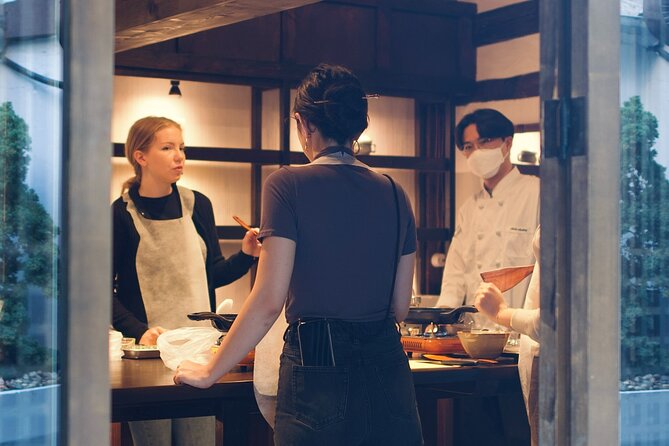
This experience fits best if you want more than a photo stop. You’re combining major Seoul highlights with a cooking night in a historic home setting. It’s also a smart pick if you’re traveling with family or mixed ages, because the instruction format is hands-on and the pace seems built for participation.
It’s also a good solo activity. Multiple comments mention it’s a natural way to meet people during a relaxed class. Even if you come alone, you’ll still have the structured, guided rhythm that makes the evening feel smooth.
If you’re short on time but still want something memorable, keep your expectations realistic. The schedule includes multiple sightseeing stops, so you’ll be moving between places. If you dislike walking or hate tight itineraries, you might prefer a class-only version. But if you like “see a bit, then do a bit,” this works.
Quick tips to make the night go smoothly
- Wear shoes you can stand in for a while. The day includes several stops before the hanok meal.
- Come hungry and ready to participate. The whole point is cooking and then eating what you make.
- Use the small group size. Ask questions while you’re cooking, not after the food is already on the table.
- If you have mobility needs, communicate ahead. There’s at least one documented case where Chef Park accommodated a stool request.
- After the class, take advantage of any follow-up materials. Many participants mention receiving photos and recipe-related help after the evening.
Should you book the Royal Seoul Cooking Class in this 100-year-old hanok?
I’d book it if you want a hands-on cooking class that feels distinctly Korean from the kitchen to the table. The combination of Chef Park’s teaching style, the small-group format, and the traditional dining setup makes this more than “just learn dishes.” It’s a Seoul night that links history, food culture, and the practical fun of cooking.
Skip it only if you’re very time-limited, don’t want a schedule with multiple stops, or prefer a quick drop-in meal experience without a cooking component. With cooking classes, the difference often comes down to how much you care about technique and how much you want to do yourself.
For most people looking for an authentic, memorable Seoul activity that doesn’t feel generic, this one is a strong yes.
FAQ
How long is the Royal Seoul Cooking Class?
The experience is listed at about 2 hours 15 minutes.
What is the group size limit?
The class has a maximum of 6 travelers.
Where does the experience start?
The meeting point is at 25 Samil-daero 32ga-gil, Jongno District, Seoul, South Korea.
What dishes will we cook?
The class includes royal-style dishes such as LA galbi, fresh kimchi, haemul pajeon, and tangpyeongchae.
Are drinks and desserts included?
Yes. You’ll have a glass of freshly brewed makgeolli and a selection of traditional Korean desserts.
Do I need cooking experience to join?
No. The class is designed for beginners, and you’ll be guided step by step.
Is the class taught in English?
Chef Park is described as having perfect English, and instruction is clearly understandable from participant feedback.
Do I get a ticket on my phone?
Yes. It uses a mobile ticket.
What is the cancellation policy?
You can cancel for a full refund if you do so up to 24 hours in advance of the experience start time. If you cancel less than 24 hours before, the amount paid is not refunded.