REVIEW · COOKING CLASSES
Local Home Korean Cooking Class & Market Adventure in Seoul
Book on Viator →Operated by Hello K Cooking Class · Bookable on Viator
A Seoul cooking class is fun. A market-to-home one is better. You start at Mangwon Market, pick ingredients like a local, then cook four Korean dishes in a real home kitchen with Sarah or Junghee as your host.
I especially like the format: you learn by doing, not just watching. You also get a full Hanjeongsik-style dinner with over 10 side dishes, so the lesson sticks right through the meal.
One thing to consider: since this is a small-group experience (max 10) and it runs about 3 hours 30 minutes, you’ll want to plan your afternoon so you’re not rushing to other stops right after.
In This Review
- Key Points at a Glance
- Mangwon Station Meeting Point and Why This Neighborhood Matters
- The Market Adventure: Street Food, Seasonal Ingredients, and Real Shopping Skills
- Hands-On Korean Cooking at a Local Home Kitchen
- Choosing Your Dishes: From Bibimbap to Dakgalbi and Four Meals in One Lesson
- The Hanjeongsik Dinner: Over 10 Side Dishes, Dessert, and Makgeolli
- What the Small Group Actually Changes
- Price and Value: What $91 Covers in Seoul Reality
- Logistics You Should Know Before You Go
- Who This Class Fits Best (and Who Might Prefer Something Else)
- FAQ
- What’s the duration of the Local Home Korean Cooking Class and Market Adventure?
- Where is the meeting point?
- How many people are in the group?
- Is there a market visit and street food tasting?
- How many Korean dishes do you cook?
- Do you eat the food you cook?
- What does the dinner include?
- Is free cancellation available?
- Should You Book This Seoul Cooking Class?
Key Points at a Glance
- Mangwon Market walk with street food tasting and ingredient know-how you can use again at home
- Hands-on cooking to make four Korean dishes, not just one main recipe
- Hanjeongsik dinner with 10+ banchan-style side dishes plus dessert and a glass of makgeolli
- Small group size (max 10) means lots of attention and quick questions
- Local-home setting gives you the feel of how Korean cooking happens day to day
Mangwon Station Meeting Point and Why This Neighborhood Matters
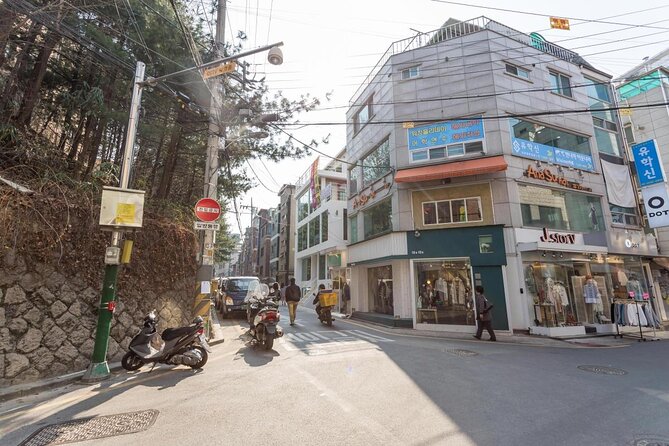
This experience begins near public transportation at Mangwon Station (Exit 2). The exact start point is listed at 377-20 Mangwon-dong, Mapo-gu, Seoul and the tour ends back at the meeting spot. That matters because it keeps you from spending the first hour hunting for a location in a city that loves to be confusing.
Mangwon is a smart choice for a cooking class because it’s not only tourist-friendly. It feels like a place where people actually eat. And the market portion is the secret sauce of this tour: you’re not arriving hungry and leaving with recipes that still feel theoretical.
You can also read our reviews of more shopping tours in Seoul
The Market Adventure: Street Food, Seasonal Ingredients, and Real Shopping Skills
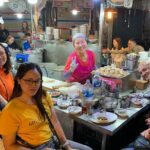
Your guide takes you through a local market adventure where you learn how to buy ingredients, not just what ingredients exist. You’ll get a guided look at street foods and the components behind them—think herbs, spices, and the kind of everyday produce that shows up in Korean home cooking.
What makes this part valuable is the way you learn names and categories while you’re moving. You’re likely to hear practical explanations like how certain ingredients are used and how to spot quality without turning it into a chemistry lecture. The hosts also share language tips, including simple Korean phrases that can help when you’re eating your way around Seoul later.
You also get to sample market snacks along the way. One review mentioned a honeydew-flavored popsicle in the heat, which gives you a sense of the small, enjoyable breaks that keep the walk feeling like an outing instead of a chore.
Hands-On Korean Cooking at a Local Home Kitchen
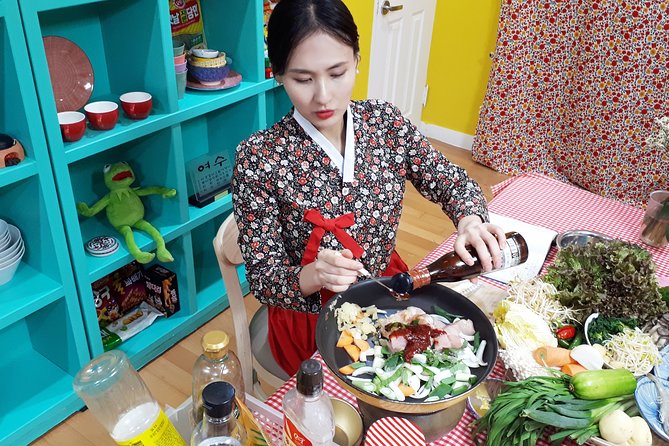
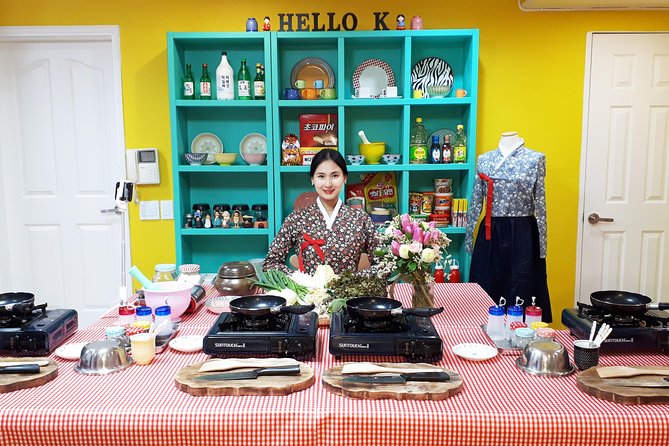
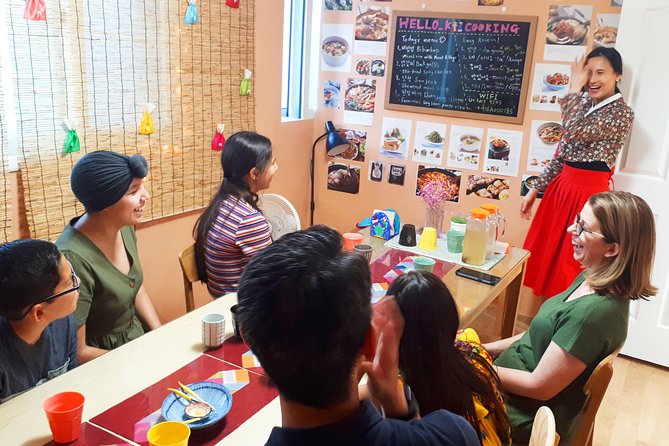
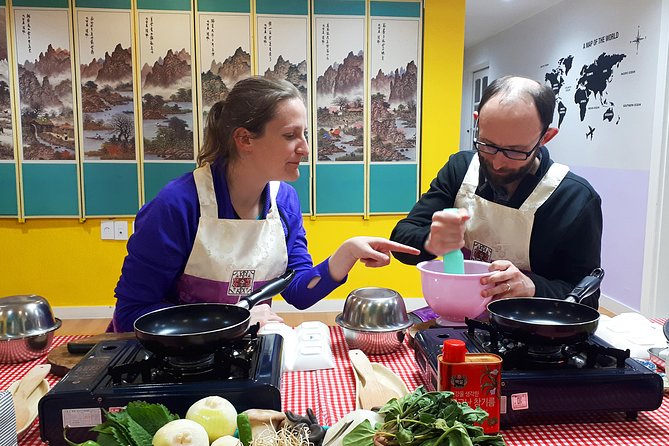
Next comes the part most people book for: the cooking itself. This is a 100% hands-on Korean cooking class hosted at a local home, not a demo kitchen. When you’re cooking in someone’s home, you learn more than recipes—you learn pace, tools, and workflow, the stuff that matters when you try to replicate the dishes later.
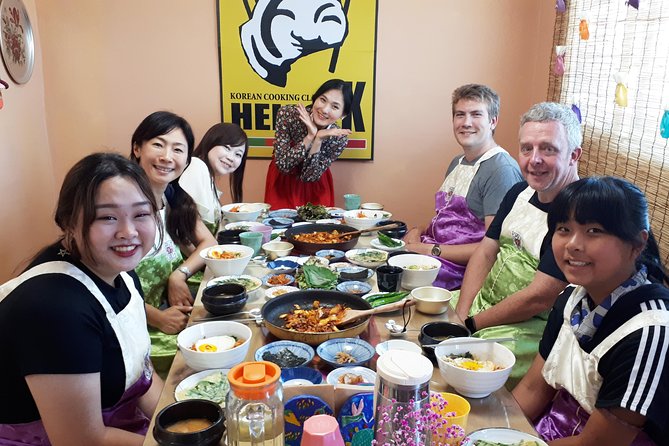
The group size is capped at 10 travelers, which is a big deal for hands-on time. In a larger class, you’re often waiting. Here, you can ask questions while you’re actively working, especially when something feels tricky—like seasoning balance, texture, or timing.
The hosts—often Sarah or Junghee—are known for being warm, interactive, and funny in a way that makes the class feel comfortable. Several guests highlight that the hosts’ English is strong and that they share small, practical cooking tips throughout the session.
Choosing Your Dishes: From Bibimbap to Dakgalbi and Four Meals in One Lesson
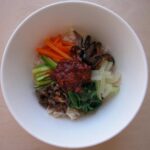
You’ll create four Korean dishes during the class. The examples mentioned include bibimbap rice and dakgalbi. Even if you don’t know the difference going in, you’ll leave with a clearer mental map of how Korean meals build flavor: through sauces, spice mixes, and the way sides complement the main.
Here’s the practical way to think about this: cooking four dishes forces you to practice multiple core skills. You’re not stuck only with one type of prep. You’ll handle different textures and seasoning approaches, which makes it easier to cook again at home because you’re learning patterns, not memorizing steps.
If you like variety, you’ll probably appreciate how the menu setup leads toward the meal at the end. Your final dinner isn’t just a separate event—it’s connected to what you practiced.
The Hanjeongsik Dinner: Over 10 Side Dishes, Dessert, and Makgeolli
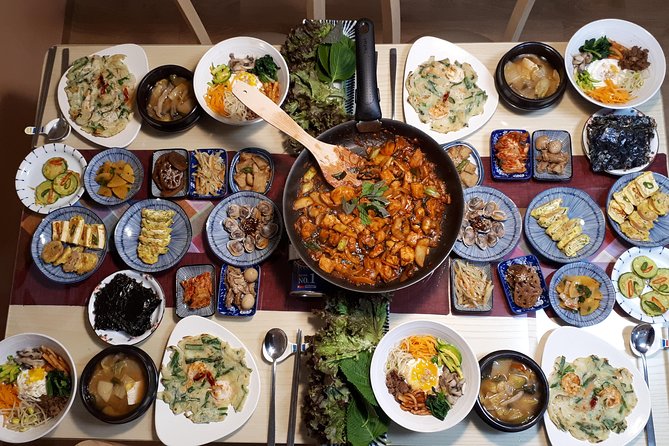
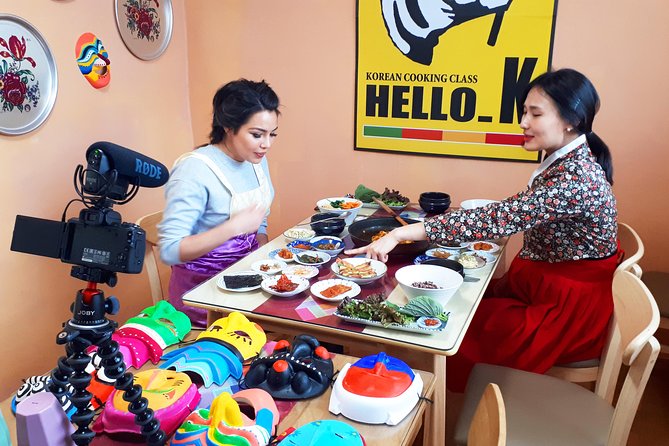
After cooking, you get to sit down and eat. The tour includes a traditional Hanjeongsik-style dinner featuring your homemade dishes plus additional sides—stated as over 10 different side dishes—and dessert. You also receive a glass of makgeolli, a Korean rice wine.
This is where the experience becomes more than cooking instruction. Hanjeongsik meals are built around many small dishes, not one plate. So you see how the food works as a system: what tastes better with what, how flavors bounce off each other, and how banchan-style sides make a meal feel complete.
For me, the value here is simple. When you cook, you understand ingredients. When you eat the full spread, you understand why those ingredients belong together. It’s one of the best ways to turn a class into actual cultural understanding.
You can also read our reviews of more tours and experiences in Seoul
What the Small Group Actually Changes
This tour is capped at 10 travelers. That sounds like a logistics detail, but it affects your learning fast.
With a smaller group:
- You can get corrections while your hands are still on the food.
- The host can adjust pacing if you’re slower (or faster).
- You’re more likely to get personal explanations instead of group-wide instructions.
The reviews repeatedly highlight the hosts’ friendly, welcoming energy and their ability to make cooking feel approachable. That’s not just “nice.” It’s practical. When you feel relaxed, you focus on technique, not nerves.
Price and Value: What $91 Covers in Seoul Reality
At $91 per person, you’re paying for three big chunks of value: the market walk, the cooking class in a local home, and the meal. Many single-part activities in Seoul can add up quickly—especially ones that include food tasting and a full sit-down component.
Here, the price is doing work. You’re not only learning recipes. You’re also getting:
- guided market shopping knowledge,
- ingredients picked through a local lens,
- street food sampling,
- a hands-on cooking session,
- then a Hanjeongsik dinner with makgeolli, dessert, and many side dishes.
So if you’re the type who hates “watching only” experiences, this format is strong. And if you want something you can remember on the walk back to your hotel—because you’ll have smells, techniques, and flavor pairings in your head—this is a solid buy for a half-day.
Logistics You Should Know Before You Go
This is designed to be easy to fit into your day. It runs about 3 hours 30 minutes and uses a mobile ticket. Confirmation happens at booking time, and the meeting point is near a subway stop, which helps if you’re moving around Seoul by train.
You also want to dress for walking and standing. You’ll spend time in the market before you cook, and even if you’re not rushing, markets involve stops and small transitions.
Who This Class Fits Best (and Who Might Prefer Something Else)
This class is a great match if you:
- want a home-cooking style experience instead of a studio demo,
- like food markets and want to learn how people shop,
- enjoy eating what you cook,
- travel with friends or family and want a shared, hands-on activity.
It can work well for teens too, since you get both the market and the meal. One family-friendly angle from the experience is that the hosts make the class feel fun and easygoing, not overly formal.
A possible mismatch: if you’re looking for a fast, purely visual tour where you never touch ingredients, you might find the hands-on cooking portion less appealing.
FAQ
What’s the duration of the Local Home Korean Cooking Class and Market Adventure?
It lasts about 3 hours 30 minutes (approx.).
Where is the meeting point?
You meet at Mangwon Station Entrance 2, at 377-20 Mangwon-dong, Mapo-gu, Seoul, South Korea. The activity ends back at the meeting point.
How many people are in the group?
The maximum group size is 10 travelers.
Is there a market visit and street food tasting?
Yes. The experience includes a guided market visit where you learn about ingredients and street food, and you’ll sample snack foods along the way.
How many Korean dishes do you cook?
You create four Korean dishes during the class (examples mentioned include bibimbap and dakgalbi).
Do you eat the food you cook?
Yes. You’ll have a meal after cooking, including your homemade dishes.
What does the dinner include?
The dinner is Hanjeongsik-style, with your dishes plus over 10 side dishes, dessert, and a glass of makgeolli.
Is free cancellation available?
Yes. You can cancel for a full refund if you cancel at least 24 hours before the experience start time.
Should You Book This Seoul Cooking Class?
If you want Seoul in a single afternoon, I’d book it. The combination of Mangwon market skills + hands-on cooking + a real Hanjeongsik-style table is the kind of setup that turns food into memory, not just photos.
Book it especially if you’ll use the results. You’re not just learning what to order—you’re learning how ingredients work together, how to handle cooking tasks, and how Koreans structure a meal around many sides. And with a small group and a friendly host like Sarah or Junghee, you’ll get help when you need it, not just at the start of the lesson.