REVIEW · DMZ TOURS
DMZ Tour w/ North Korea Experience Hall & Opt. Suspension Bridge
Book on Viator →Operated by Seoul N Tour · Bookable on Viator
The DMZ day feels like a history class with rules. This guided trip takes you to the 3rd Tunnel, Dora Observatory, and the Korean War memorial stops—plus the optional Suspension Bridge for big mountain views.
What I like most is the structure: pickup from City Hall Station, scheduled time with a real plan, and guides who keep the group moving without turning it into a sprint. I also really like the human touch—guides such as Junie, Mr. Young, and Brian show up with clear English and stories that connect what you see to why it matters.
One thing to consider: DMZ access can shift fast, and the Suspension Bridge may switch off in bad weather or security situations. So you’ll want to stay flexible on the day, even if you planned the bridge moment as the big payoff.
In This Review
- Key highlights worth your time
- Getting into the DMZ: why this day feels structured (and worth $55)
- The first stop at Imjingak: Freedom Bridge feelings, without the guessing game
- North Korea Experience Hall on Imjingak-ro: a fast primer before Dora
- Dora Observatory: what “seeing” means when it’s controlled
- The 3rd Tunnel and DMZ Exhibition Hall: the most physical, most intense part
- Gamaksan Chulleong Suspension Bridge option: when the day turns scenic
- When weather or security changes the plan
- Timing, walking, and what to bring for comfort
- What the guides do right: clarity, pacing, and keeping the day on track
- Who should book this DMZ + Suspension Bridge day
- Should you book this DMZ tour?
- FAQ
- What is included in the $55 price for this DMZ tour?
- How long is the tour and where does it start?
- Do I need a passport to visit the DMZ sites?
- Are meals included during the day?
- What happens if the suspension bridge is closed due to weather?
- Is this tour suitable if I’m claustrophobic or afraid of heights?
- What’s the physical fitness level needed?
Key highlights worth your time
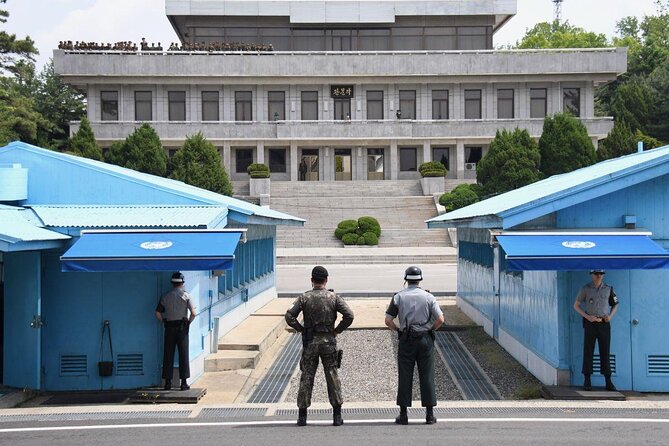
- Guided DMZ access where doing it on your own isn’t an option
- 3rd Tunnel + DMZ Exhibition Hall with a helmeted walk and a heavy reality check
- Dora Observatory for a rare, controlled look using telescopes
- Imjingak Pyeonghoa-Nuri Park and its Freedom Bridge / soldiers memorial context
- Optional Gamaksan Chulleong Suspension Bridge for “above the clouds” mountain air
- Smallish group size (max 40) helps the day feel organized instead of chaotic
Getting into the DMZ: why this day feels structured (and worth $55)
At $55 per person, this tour is priced like a bargain if you compare it to the cost of entry tickets and the hassle of trying to figure out DMZ logistics yourself. What you’re really paying for is access that comes with rules, timing, and security procedures that a guided operator handles for you.
You start at City Hall Station and you’re with a professional guide (and typically a full-day transfer rhythm from central Seoul). The tour runs about 7 hours 30 minutes, and there are time windows depending on whether you’re doing the standard DMZ schedule (around 3:30pm) or the option that includes the suspension bridge (around 4:50pm).
You also get a mobile ticket, which helps on a day where you’ll be showing paperwork and checking in more than once. The whole point is to reduce your stress so you can actually focus on what’s in front of you.
Two practical notes that matter on DMZ days:
- Bring a current valid passport on the day of travel. You won’t want last-minute scrambling.
- Expect some waiting and line time. This is controlled territory, not a casual park visit.
You can also read our reviews of more tours and experiences in Seoul.

The first stop at Imjingak: Freedom Bridge feelings, without the guessing game
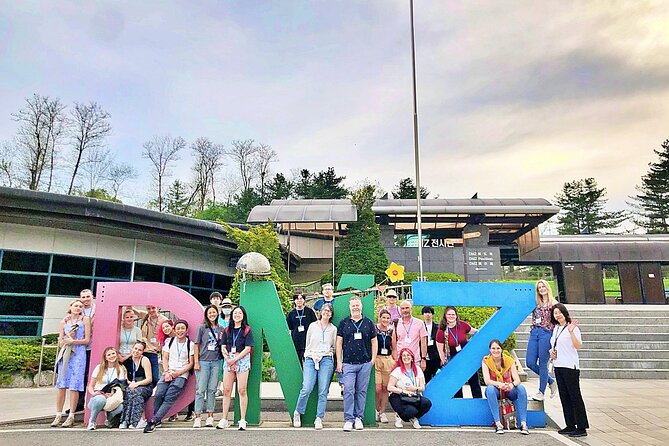
Your day begins with the Korean War remnants at Imjingak Pyeonghoa-Nuri Park. This isn’t a random “look here” stop. It’s where you can see symbolic memorials tied to refugees and the war’s aftermath, including the Freedom Bridge and the Soldiers’ Memorial.
Why it works well early: it gives you emotional and historical framing before you head into the more technical DMZ sites. It’s also a good moment to reset your expectations. The DMZ is not one dramatic landmark—it’s a whole zone, managed and explained by guides, with rules that shape what you can do.
This part is short (about 30 minutes), and it’s mostly outside. Dress for weather and keep your phone charged, because it’s the type of place where you’ll want a few photos, then move on.
North Korea Experience Hall on Imjingak-ro: a fast primer before Dora
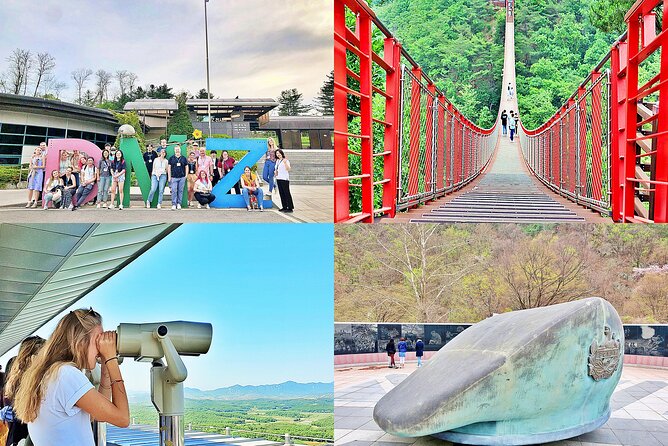
Next you head to Imjingak-ro and the North Korea Experience Hall. If you’re the kind of person who wants context before you look through a telescope, this stop is useful.
It’s short (about 30 minutes), and the goal is straightforward: give you a clearer picture of how North Korea is portrayed and understood in this specific historical context. Even if you don’t agree with any narrative, it helps you ask better questions when you get to Dora Observatory, where the viewpoint is carefully controlled.
This is also a nice “breather” stop. The tone stays educational, and it prevents the day from feeling like pure sightseeing right away.
Dora Observatory: what “seeing” means when it’s controlled
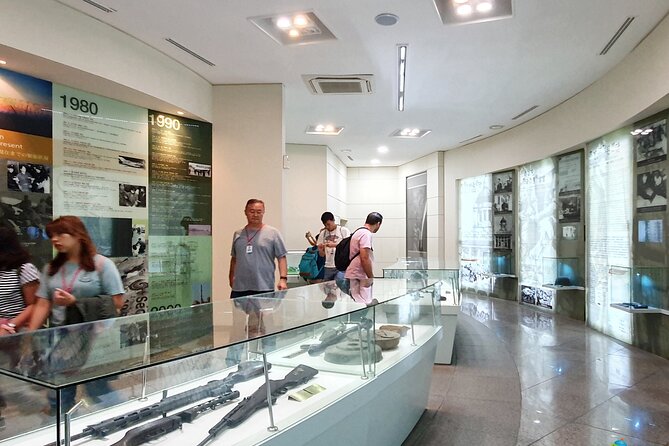
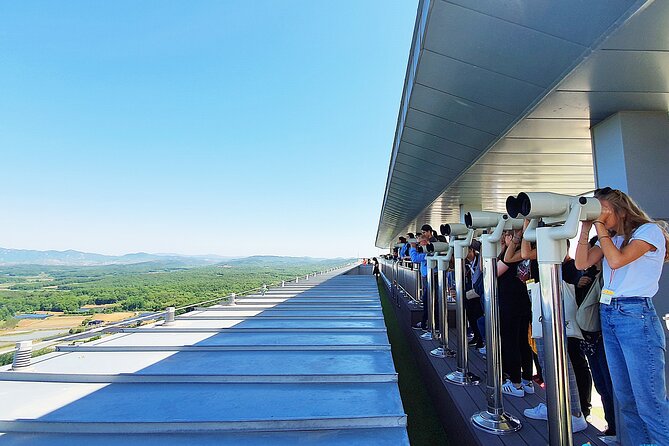
Dora Observatory is one of the main reasons people do this tour. It’s one of the few places where you can watch the reality of Korea’s division from a fixed, official viewing point. You’ll spend about 40 minutes here, and you’ll use the viewing setup designed for visitors (the key detail is that you’re viewing through telescopes).
The day can hinge on weather. On clear days, you may be able to spot the flagpole in Kijŏng-dong, which is described as the southernmost village in North Korea. Even if you don’t get that perfect line-of-sight, the experience still lands because Dora is about perspective and distance.
A tip that’s worth taking seriously: use this stop to slow down. Don’t just rush from telescope to telescope. Look at what’s far away, then listen to the guide’s explanations of what you’re seeing and what you’re not allowed to do.
This is also where the emotional tone can hit. One minute you’re in Seoul, the next you’re staring at a border reality that can’t be toured like a normal attraction.
The 3rd Tunnel and DMZ Exhibition Hall: the most physical, most intense part
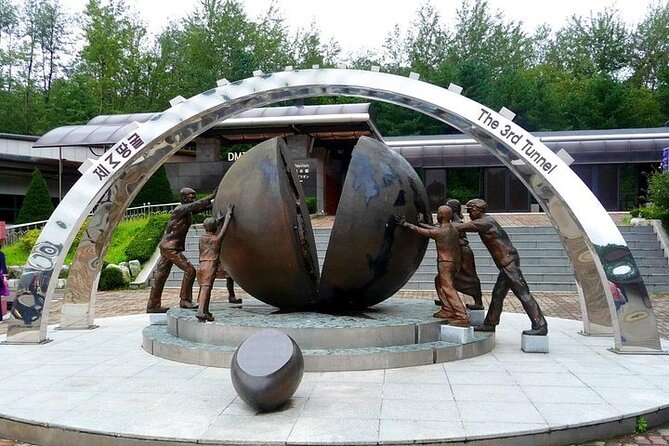
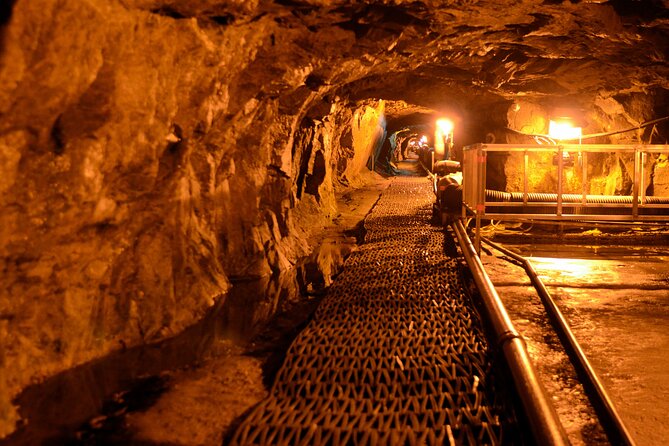
If you only remember one “wow” from the day, it might be the Third Tunnel. This is the infiltration tunnel discovered in 1978, built as part of North Korea’s military strategy in the 1970s.
The mechanics matter here:
- You’ll descend into the tunnel area and walk about 500 meters.
- You’ll be given a safety helmet.
- Then you’ll transition into the DMZ Exhibition Hall, where you can see war relics and watch a short film about Korea’s history.
This is the hardest part for most people for two reasons: it’s physically taxing (especially the climb back up) and it’s emotionally heavy even if you came for the history facts.
Important cautions based on what the tour notes:
- It’s not recommended for claustrophobia, since the tunnel is enclosed. You can wait outside instead.
- It may also be tough for elderly visitors, due to the slope way. Waiting outside is also an option.
But if you’re comfortable with some effort and enclosed spaces, you’ll understand why the tunnel is such a signature DMZ stop. The scale is more than just a measurement—it’s a reminder that this is a planned threat, not a rumor.


Gamaksan Chulleong Suspension Bridge option: when the day turns scenic
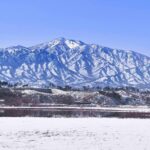
Now the fun part—if you booked the upgrade. The Gamaksan Chulleong Suspension Bridge is described as the longest mountain suspension bridge in South Korea and it opened in 2016. You’ll be up there for about 1 hour, and the vibe is described as walking with the feeling of being above the clouds.
This is a meaningful contrast to the DMZ sites. After tunnels and controlled viewpoints, the suspension bridge gives you open air and a different kind of perspective: geography, height, and those wide mountain views that only show up when the sky behaves.
Reality check: it’s still a suspension bridge, and the tour notes it’s not recommended for people with acrophobia (fear of heights). If you’re unsure, plan to stay at the viewpoint area instead.
When weather or security changes the plan
DMZ access is subject to real-world conditions. The tour notes that if there’s heavy rain, snow, or security control, the Suspension Bridge can be closed. On those days, you’ll visit Odusan Unification Observatory instead.
The operator also mentions backup DMZ courses for certain days or when specific sites are closed due to military or weather conditions. For example, on Mondays, public holidays, or when the Third Tunnel and Dora Observatory aren’t available, you might do a special course that includes places like the North Korea Experience Center, Imjingak Pyeonghwa-Nuri Park, DMZ Peace Gondola, and Gloster Hill Memorial Park, along with the suspension bridge when possible.
Translation for your planning: don’t assume your day will look like a photo-perfect itinerary. Build the flexibility into your expectations, and treat the bridge upgrade as a bonus rather than the whole point.
Timing, walking, and what to bring for comfort
This is not a sit-and-watch tour. There’s enough walking that footwear matters.
Here’s how to prep smart:
- Wear comfy shoes. The tunnel includes stairs/slopes and the return climb can feel intense.
- Dress in layers. You’re moving between outdoor memorials, a tunnel environment, and a bridge viewpoint.
- Bring water if you like it, since food and drinks are not included (no lunch plan inside the tour price).
- Use the gaps for quick meals. The tour notes mention coffee shops during the day, and you’ll likely find options near stops, but don’t count on a specific lunch schedule.
If you’re the type who hates long hunger pauses, check in with the guide about when you’ll have time for a snack, since the day’s pace depends on security and access.
What the guides do right: clarity, pacing, and keeping the day on track
One of the most praised aspects is the guide experience. The pattern you’ll see in this tour’s feedback is consistent: people value guides who manage the schedule well, explain what you’re seeing in clear English, and keep the day from feeling rushed.
Names that come up in the guide stories include Sookhee, Junie, Mr. Young, and Brian—and the vibe is that you’re not just handed a headset and told to follow the group. Guides help you connect stops, from the memorial symbolism at Imjingak to the viewpoint logic at Dora to the human implications of the tunnel.
A small heads-up: English quality can vary across any tour operator, and DMZ group logistics often mean you’ll see multiple tour groups on the road. If you’re picky about commentary, be ready to rely on the guide you’re assigned that day—and to ask questions if something isn’t clear.
Who should book this DMZ + Suspension Bridge day
This tour is a strong match if you want:
- An official, guided DMZ visit without the planning headaches
- The big DMZ highlights in one day: Dora Observatory and the Third Tunnel
- An optional scenic payoff at the Gamaksan Chulleong Suspension Bridge
It’s also a good pick for first-timers in Seoul who want one day to cover a lot of ground with guided context.
I’d think twice if you:
- Have claustrophobia (tunnel not recommended)
- Have acrophobia (bridge not recommended)
- Expect a fully relaxed pace with lots of downtime
If you’re flexible, physically able for walking and enclosed spaces, and curious about how the Korean War and division shaped what you see today, you’ll probably find this day hits hard in the right way.
Should you book this DMZ tour?
Yes, if you want a guided, structured DMZ day with the signature stops—and you like the idea of adding the Gamaksan Chulleong Suspension Bridge as a scenic counterpoint. The value is strong at $55, especially because entrance fees and round-trip travel from central Seoul are part of the deal, and you don’t have to figure out the hard logistics yourself.
Just book with the right mindset: expect rules, expect changing conditions, and plan for comfort (shoes, layers). If you can handle the walking and the intensity of the Third Tunnel, this is one of those Seoul experiences that genuinely changes how you understand the border—before you even step off the bus.
FAQ
What is included in the $55 price for this DMZ tour?
You get a professional guide, pickup from central Seoul at selected locations, round-trip travel from central Seoul, and admission tickets for the DMZ sites listed in the day’s plan. Food and drinks, lunch, and hotel pickup/drop-off are not included.
How long is the tour and where does it start?
The tour runs about 7 hours 30 minutes. It starts and ends at City Hall Station in Seoul.
Do I need a passport to visit the DMZ sites?
Yes. A current valid passport is required on the day of travel.
Are meals included during the day?
No. Lunch and food and drinks are not included, so you’ll want to plan for your own snacks or meals during free time.
What happens if the suspension bridge is closed due to weather?
If the suspension bridge is closed because of heavy rain, snow, or security control, the tour notes you’ll visit Odusan Unification Observatory instead.
Is this tour suitable if I’m claustrophobic or afraid of heights?
The tour notes it’s not recommended for claustrophobia because of the 3rd Tunnel. It’s also not recommended for acrophobia because of the suspension bridge. In those cases, you may be able to wait at an alternative viewpoint.
What’s the physical fitness level needed?
The tour advises travelers to have a moderate physical fitness level, since there’s walking and the tunnel part can be physically taxing, especially on the ascent back up.