REVIEW · DMZ TOURS
Signature DMZ Tour: Exclusive Defector Talk & Suspension Bridge
Book on Viator →Operated by Cosmojin Agency · Bookable on Viator
A one-day DMZ trip hits different. You’re leaving Seoul early and spending most of the day inside a tightly controlled military zone where every stop is about division, survival, and the story of the Korean War that never really ended. The big reason this tour feels special is the defector interview, paired with hands-on visits like the Third Tunnel and the Dora Observatory view.
I like two things most. First, the English DMZ-licensed guides (I’ve seen names like Han Solo, Jackie the Storyteller, and SP Hong come up) don’t just recite facts—they connect what you’re seeing to why it matters. Second, the North Korean defector talk (often led by someone like Ms Cho/Lee in different departures) turns the DMZ from scenery into a real human timeline.
Here’s the main drawback to plan for: the schedule can get tight and rules are strict—some days the suspension bridge option is closed or skipped, photos can be restricted at key points, and you may also hit a short shopping stop late in the day.
In This Review
- Key highlights that matter on the ground
- DMZ From Seoul: What You’ll Actually Do in 7–9 Hours
- Meeting at 92 Sejong-daero and Getting Set for Rules
- Imjingak Pyeonghoa-Nuri Park and Freedom Bridge: Reunification Symbolism Made Concrete
- DMZ Main Stop: Short, but It Sets the Frame
- The Third Tunnel: Tight, Steep, and Strict (Bring Serious Shoes)
- Dora Observatory: North Korean Views and Border Theater Without Photo Freedom
- The Defector Talk: The Part That Changes the Whole Day
- Gamaksan Chulleong Suspension Bridge Option: Worth It When Open
- Where the Day Can Feel Rushed: Lunch, Bathroom Breaks, and Shopping Stops
- Price and Logistics: Does $27 Buy Real Value?
- Who Should Book This DMZ Tour (and Who Should Skip It)
- When the DMZ Access Changes: The Replacement Tour Reality
- Should You Book This Signature DMZ Tour with Defector Talk?
- FAQ
- What time and where do I meet for this DMZ tour?
- Is a passport required?
- Is lunch included in the tour price?
- Can I take photos in the Third Tunnel or at the observatory?
- What happens if the DMZ is closed or access is restricted?
- Is the suspension bridge option guaranteed?
Key highlights that matter on the ground
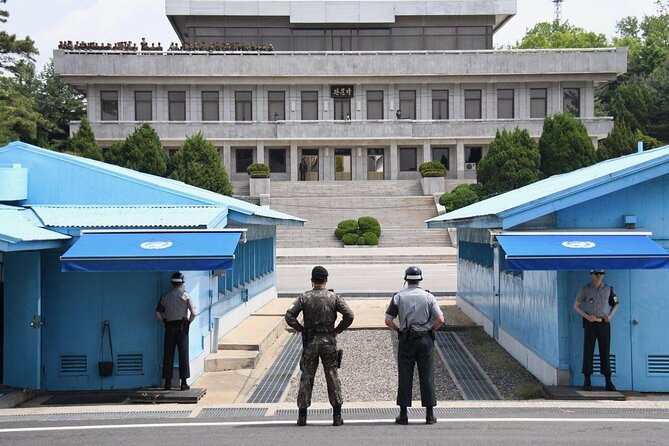
- Defector Talk: A Q&A format that adds personal stakes to the military sights.
- Third Tunnel visit: A physically demanding walk into the ground, with rules around what you can record.
- Dora Observatory viewpoints: Clear sightlines toward North Korea, plus a controlled look at themed border displays.
- Imjingak sites and Freedom Bridge context: POW escape symbolism you’ll understand fast once you’re there.
- Optional Gamaksan suspension bridge: A scenery add-on that depends on weather and minimum participants.
- Smaller-group feel: Max 90 travelers, plus an air-conditioned vehicle for the long day.
DMZ From Seoul: What You’ll Actually Do in 7–9 Hours
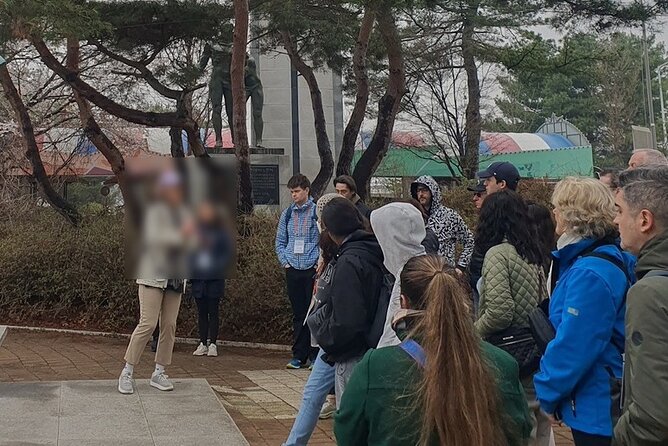
This is the kind of tour that feels simple on paper and intense in real life. You start at 7:30am at 92 Sejong-daero, Jung District, Seoul, then you transfer out to the DMZ area and work through a sequence of controlled stops. Expect most days to finish somewhere around mid-afternoon (for example, around 15:00), but the exact timing can shift based on site schedules, traffic, and weather.
The driving value here is that you’re not just sightseeing—you’re learning the logic of how the DMZ functions. Even when you’re standing in a “pretty overlook,” you’re doing it inside a security framework, with rules that shape what you can do (and what you can’t). That’s why having an English guide with a DMZ license matters. The guide’s job isn’t only to translate; it’s to help you interpret what you’re seeing under restrictions.
If you’re hoping for a casual stroll-and-photo day, this will not feel like that. Shoes matter, and you’ll be on your feet for key segments, especially the tunnel.
You can also read our reviews of more tours and experiences in Seoul.

Meeting at 92 Sejong-daero and Getting Set for Rules
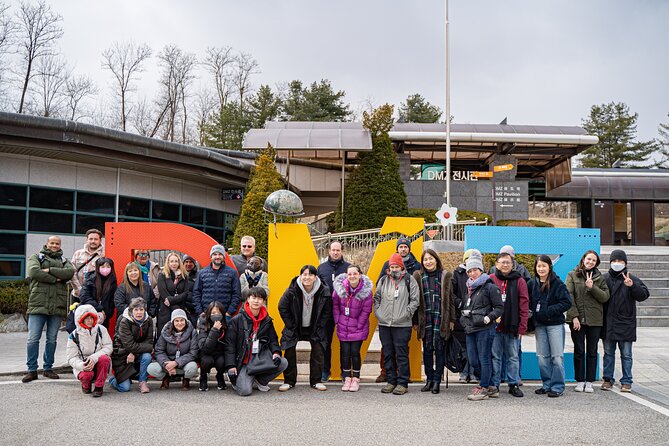
Your day starts in central Seoul. You meet at 92 Sejong-daero, Jung District, and the tour uses a mobile ticket. The vehicle is air-conditioned, which is a real quality-of-life win on a long day with early departure.
Before you go, one practical note that can save you stress: you need a current valid passport and it has to be the original (not a copy). One review even called out how this mattered at the checkpoint, and it’s a good reminder: keep it easy to grab.
Also, the tour can change at short notice. DMZ access can be restricted suddenly, and if that happens you’ll be provided an alternative tour instead of a refund. That doesn’t mean it’s poorly planned—it means you’re operating inside a real-world military system, not a theme park.
Imjingak Pyeonghoa-Nuri Park and Freedom Bridge: Reunification Symbolism Made Concrete
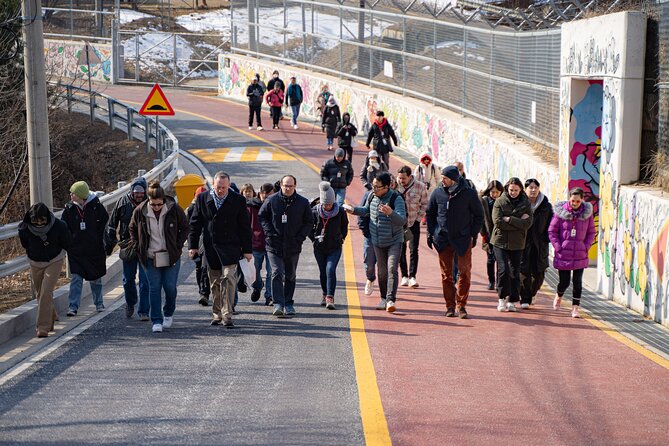
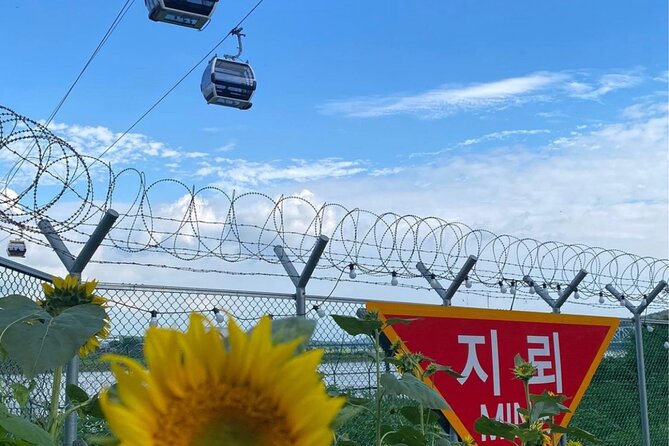
One of the first major stops is Imjingak Pyeonghoa-Nuri Park, which is built around the emotional theme of reunification and the human cost of division. This place is not subtle: it blends memorial feeling with a “historical display” vibe, including rides positioned near barbed wire fences. It’s a strong visual metaphor for the contrast between ordinary life and the border reality nearby.
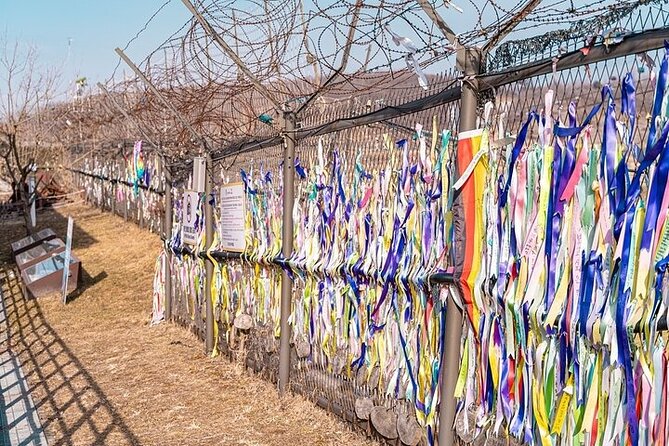
You’ll spend time around relics tied to escape and captivity. The highlight is the Freedom Bridge, used by 13,000 POWs during the Korean War. When you see the bridge context in person, it becomes much more than a line in a story. It’s a reminder that movement—crossing a river, crossing a line—has been life-or-death here.
If you like tours that move from emotion to information, this stop is a good start. It sets the tone so later locations like the tunnel and Dora Observatory don’t feel random.
DMZ Main Stop: Short, but It Sets the Frame
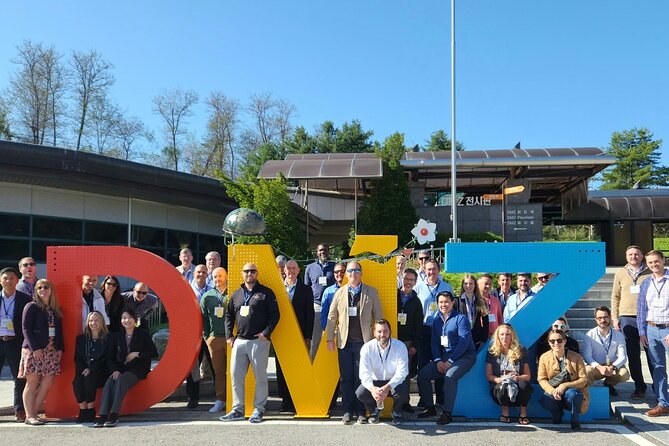
After Imjingak, you go into the DMZ area for a shorter orientation-style stop. Time here is limited—think about 40 minutes—but it’s useful because it frames the day: what the DMZ is, what’s prohibited, and why the “line on the map” is enforced with real infrastructure and real consequences.
This part is also where the guide’s pacing matters. If the day gets compressed, this is the moment where you can still feel oriented, because it’s the foundation for everything else you’ll see.
The Third Tunnel: Tight, Steep, and Strict (Bring Serious Shoes)
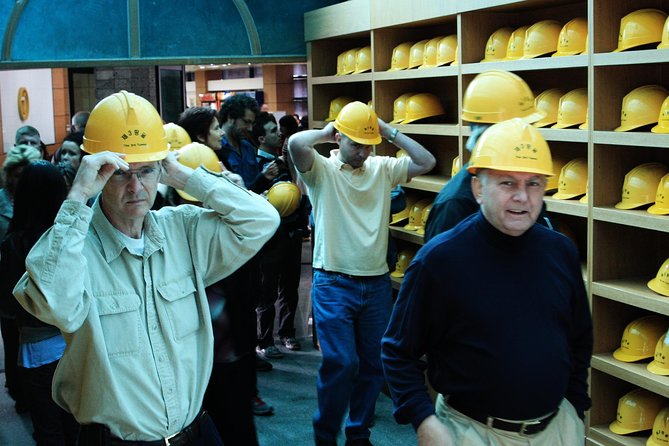
The Third Tunnel is often the signature moment for visitors—and it’s for a reason. You’re going into an underground North Korean tunnel site with a long extension into the South (listed as 435 meters into South Korea). Expect a documentary screening and time on site, but the real challenge is the physical walk: it’s physically demanding and can feel tight.
From the tour’s own notes and visitor experiences, you should treat this as a real hike segment:
- Comfortable shoes are required
- The walk down and up can be steep and hard
- It’s not recommended if you have heart conditions or serious medical issues
One review also mentioned that photos aren’t allowed in the tunnel, and that matches the general logic of controlled military zones. So don’t plan your day around getting a perfect camera moment—plan it around coping with the stairs and the narrow passage.
The tunnel experience works best when you lean into it as “scale and pressure,” not a photo op. Even a minute at the far end can change how you understand why tunnels became part of the fear and strategy on the peninsula.



Dora Observatory: North Korean Views and Border Theater Without Photo Freedom
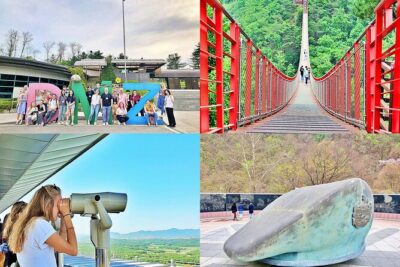
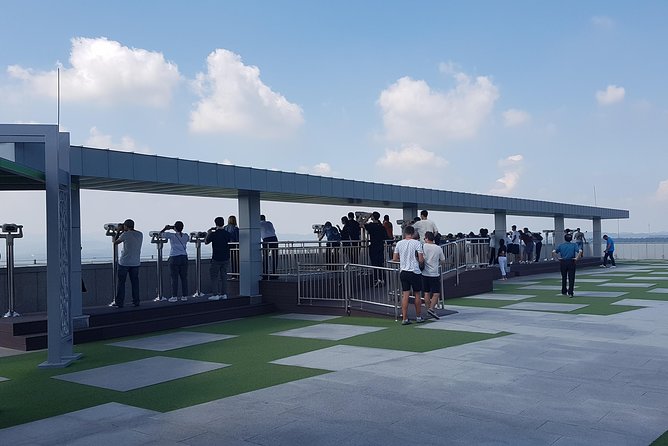
Next comes Dora Observatory, where you can see a close-up view toward North Korea, including Gaeseong City and the Gaeseong Industrial Complex. There’s also themed border storytelling through a fake border village sometimes called Propaganda Village.
This is one of those stops where the restrictions are the point. In multiple experiences, people noted that you’re not allowed to take photos from the observation deck. It feels limiting, but it’s also how the DMZ remains controlled—your view exists, but your ability to record it is constrained.
If you care about seeing details without getting lost in rules, follow the guide’s instructions closely. You’ll learn what you’re looking at and why it matters, then you’ll do the viewing portion without getting stuck trying to translate everything in your head.
Also, build in patience for the “logistics reality” of these fixed sites. You may end up with limited meal choices on-site, which is why lunch strategy matters (more on that below).
The Defector Talk: The Part That Changes the Whole Day
This tour’s standout is the interview with a North Korean defector. Even if you’re a history buff, this is the section that makes the DMZ personal. A strong Q&A format means you’re not only hearing an escape story; you’re asking questions and getting answers that reflect someone’s lived experience.
Guides often handle this with humor and care, and that balance is important. One thing I’d recommend: come with a curious mindset, not a checklist. If you want to ask about daily life, survival decisions, or what changed afterward, you’ll get more value by listening for the themes that connect the human story back to the physical border you’re touring.
In the experiences shared, people highlighted this as the most memorable element—often because it’s open, direct, and hard to forget. If you only remember one stop from the day, make it the talk.
Gamaksan Chulleong Suspension Bridge Option: Worth It When Open
There’s an optional add-on: Gamaksan Chulleong Bridge, described as a former Korea-longest suspension bridge at 220 meters, opened in 2016. It offers views over Silmari Valley, and it’s built for travelers who want at least one scenic, less “security-focused” moment.
Two practical caveats:
- It may require a minimum number of participants to proceed. If the minimum isn’t met, you’ll be informed and the option may change or cancel.
- It can be closed due to weather, and that has happened on departures reported by visitors.
So if you’re traveling specifically for the bridge, don’t treat it as guaranteed. Consider it a bonus if it’s running, not a foundation of your plan.
Where the Day Can Feel Rushed: Lunch, Bathroom Breaks, and Shopping Stops
The tour includes time for meals, but lunch isn’t included in the price. In practice, you might get a stop at a cafe in a DMZ-area building, and some visitors found the food options limited. Even when lunch is “available,” you may have a short window.
A couple other timing pressure points can show up:
- Tunnel days are physically slow at the start (descend, then recover on the way up).
- Observation stops can be rule-heavy and slower than you expect.
- There can be short bathroom and souvenir stops.
And yes, there’s a real pattern you should be aware of from shared experiences: some late-day departures have included a jewelry/jade shopping stop (often after people are asked to leave feedback). If you’d rather maximize sightseeing time, decide now how you’ll handle it: treat it as a quick non-essential add-on, or be ready to step away if the tour allows.
The bright side: when your guide is strong and the timing works, the day still delivers a lot of meaning in limited hours. That’s what makes this tour a “worth it” choice for many people—when it runs smoothly.
Price and Logistics: Does $27 Buy Real Value?
At $27 per person, this isn’t just a bargain; it’s one of the cheaper ways to get the core DMZ trio many tours chase: the tunnel plus the observatory plus the border-context orientation. On top of that, you’re paying for:
- An English guide with DMZ license
- An interview/Q&A with a North Korean defector
- All fees and taxes
- Round-trip transportation in an air-conditioned vehicle
That’s the real value math. A guided visit to restricted sites isn’t cheap to operate, and access is limited. When the tour hits its key stops and the guide is on form, the combination is hard to beat for the price.
Where value can dip is when the day changes due to access/weather or when the group logistics feel tight. In the best days, you’ll feel like your money bought focus and context. In the worst days, timing issues can cut into time at locations, and extra stops can dilute the experience.
My practical advice: if you’re set on the optional suspension bridge, have a Plan B mindset. If you want a smooth, unhurried photo-heavy day, choose something else. But if you want the defector talk and the tunnel experience at a reasonable price, this is strong value.
Who Should Book This DMZ Tour (and Who Should Skip It)
I’d point this toward travelers who:
- Want meaningful context, not just surface-level photos
- Are okay with rules and limited recording in sensitive areas
- Can handle a steep, tight tunnel walk with good shoes
- Value a real human story, especially the defector Q&A
I’d think twice if you:
- Have mobility issues or medical conditions that make stair-heavy tunnels risky
- Want a slow morning and lots of leisure time
- Get annoyed easily by day-of scheduling shifts caused by security
If you’re doing Korea for the first time and only have a single day for the DMZ, this is the kind of tour that gives you the best “whole picture” in one go.
When the DMZ Access Changes: The Replacement Tour Reality
Because DMZ access can close without notice, the tour may swap in an alternative itinerary if there’s a military training or official event. One alternative set mentioned includes Tomorrow’s Whistle, Beat 131-Odusan Unification Tower, and the War memorial of Korea.
That means your day might still be full, but the exact DMZ stops you expect (like the bridge or certain tunnel/observatory access) might not happen. If you book, plan to stay flexible and treat the defector interview and main concepts as the anchor, not the exact stop order.
Should You Book This Signature DMZ Tour with Defector Talk?
If you’re choosing between DMZ tours in Seoul, I’d book this when your priorities are: the defector Q&A and a real tunnel visit with an English guide who can explain what you’re seeing.
Pass on it (or at least adjust expectations) if your priority is a relaxed itinerary with lots of free time, or if you’re counting on the Gamaksan suspension bridge to be open. Weather and security rules can change things. Also, if you hate shopping-style stops, go in mentally prepared.
My final take: this is a powerful day when it runs as planned. The defector talk is the human core, and the Third Tunnel is the physical proof. If that combination sounds like what you want from Korea, this is an easy “yes,” with practical shoes-and-flexibility advice built in.
FAQ
What time and where do I meet for this DMZ tour?
You meet at 92 Sejong-daero, Jung District, Seoul at 7:30am, and the tour ends back at the meeting point.
Is a passport required?
Yes. You need a current valid passport on the day of travel, and it must be the original (no copies).
Is lunch included in the tour price?
No. Lunch is not included, and you’ll need to plan for your own meal or purchase during the day.
Can I take photos in the Third Tunnel or at the observatory?
Rules can be strict in the military area. In experiences shared for this tour, people reported no photos in the tunnel and no photos from the observation deck.
What happens if the DMZ is closed or access is restricted?
DMZ access can close suddenly. If that happens, the tour may be replaced with an alternative itinerary (rather than refunded).
Is the suspension bridge option guaranteed?
No. The Gamaksan suspension bridge option requires a minimum number of participants and can also be closed due to weather, so it’s not something to count on for every departure.