REVIEW · KOREAN COOKING CLASSES
Cook 3 Authentic Korean Dishes with Local Market Tour
Book on Viator →Operated by cookorean · Bookable on Viator
Food tastes better after you shop. This Seoul cooking class connects Mangwon Market to a clean, hands-on studio kitchen, led by Jomin. You start on the street with fresh ingredients, then you head back to cook and eat three beloved Korean dishes, with a take-home cookbook as the bonus.
I especially like the small-group setup, with a maximum of four people in the class. That makes it easier to get real help while you’re cutting, cooking, and adjusting flavors. Second, I love that it’s not a demo—your own station is set up for you, and you cook the meal you’ll eat.
One consideration: the specific three-dish menu can vary, so if you have must-cook favorites, you’ll want to confirm what’s planned for your date (though it will be Korean classics).
In This Review
- Key moments that make this class a great Seoul plan
- Why this Korean cooking class begins at Mangwon Market
- Meeting Jomin at Mangwon Station: the easiest way to start smoothly
- Mangwon Market walk: ingredients, street bites, and how Korean food is built
- The studio setup: clean kitchen, your own station, and real instruction
- The three-dish menu: what you might cook and why the lineup works
- Soft tofu stew (sundubu jjigae-style) or a kimchi stew variant
- Bibimbap: sauces, toppings, and getting the mix right
- Bulgogi and other stir-fry: marinade and high-heat technique
- Japchae: noodles and seasoning balance
- Hands-on cooking pace: approachable, but you’ll still learn fast
- Lunch or dinner choice: how to pick your best fit
- What you take home: cookbook, leftovers, and repeatable Korean flavor
- Price and value: why $79 can make sense in Seoul
- Who this Seoul market-to-studio class is best for
- Should you book this cooking class?
- FAQ
- Where do we meet for the class?
- How many people are in the class?
- What dishes will we cook?
- Is this a hands-on class or a demonstration?
- Can I choose lunch or dinner?
- Do you offer vegetarian or vegan options?
- What happens if the class is canceled or if I need to cancel?
Key moments that make this class a great Seoul plan
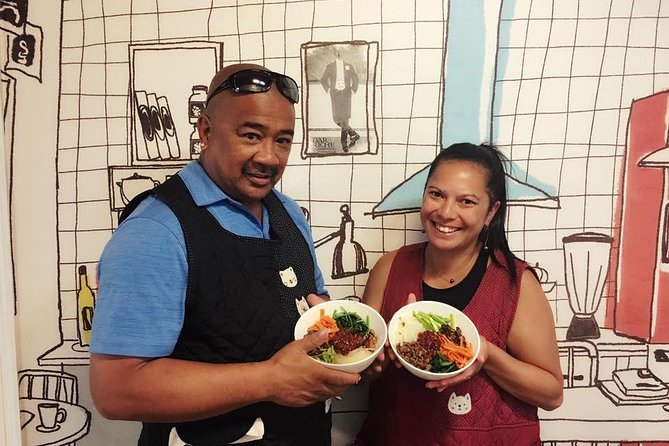
- Mangwon Market with Jomin: ingredient explanations and time to taste street food
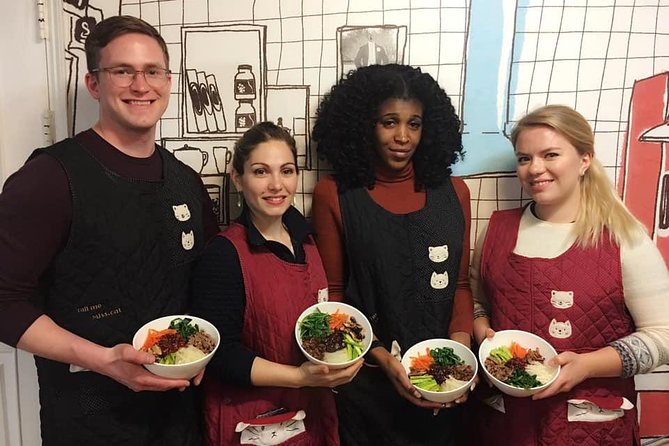
- Small group (up to four): more personal attention while you cook
- Hands-on cooking stations: you cook three dishes at your own table and burners
- A menu that teaches skills: stew, rice bowl, noodles, and stir-fry methods
- Take-home payoff: a professionally designed cookbook plus leftovers
- Diet-friendly options: vegetarian and vegan options available
Why this Korean cooking class begins at Mangwon Market
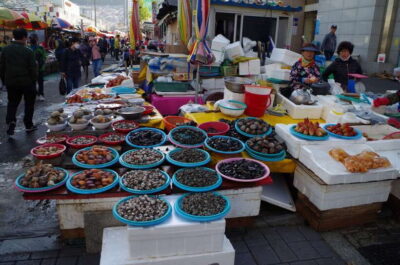
Most cooking classes in Seoul stop at a quick ingredient photo. This one starts where Korean food actually lives: the Mangwon Market area. You meet Jomin at Mangwon Station (Line 6), entrance 2, then walk toward the market and talk about what you’re going to cook.
That market portion is more than sightseeing. It helps you understand what Korean cooks look for—fresh produce, common pantry staples, and how ingredients behave once they hit heat. If you’ve ever eaten kimchi or bulgogi and wondered why yours doesn’t taste the same, this is the part that teaches you where flavor starts.
You’ll also get time for street-food tasting along the way. The goal isn’t to become a snack critic. It’s to build context so the later cooking steps make sense.
You can also read our reviews of more shopping tours in Seoul
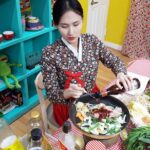
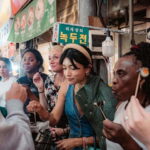
Meeting Jomin at Mangwon Station: the easiest way to start smoothly
Getting the start right matters in Seoul, and this class is refreshingly clear. You meet at Mangwon Metro Station (Line 6), entrance 2, and the activity ends back near the meeting point.
Because it’s near public transportation, it’s simple to fit before or after other plans. And since you’ll be walking from the station to the market area, you won’t feel trapped in a car or rushed through a “brief photo stop.”
Tip: build in a little buffer time before your class start. Markets can be crowded, and you’ll want to arrive calm so you can enjoy the ingredient tour.
Mangwon Market walk: ingredients, street bites, and how Korean food is built
The market walk is where this tour earns its keep. Jomin points out ingredients you’ll use later and explains what they’re for, not just what they are. You’ll also hear food culture and history bits that connect the dishes to everyday Korean life.
A couple practical benefits of doing the market first:
- You learn what to buy later if you want to cook again at home.
- You get familiar with Korean names and the role each ingredient plays, especially for things like stew bases, marinades, and seasoning components.
One detail I like from the way this experience is run: you’re not just tagging along. You’re seeing items with a purpose—so when you return to the studio, the cooking station feels like a continuation, not a reset.
The studio setup: clean kitchen, your own station, and real instruction
After the market, you go to Jomin’s cooking studio. The space is described as clean and organized, and the setup is designed for a hands-on class rather than a classroom.
Here’s what you should expect:
- You get set up at a personal cooking station.
- You cook using fresh ingredients that were gathered for the class.
- You follow step-by-step guidance with personal assistance.
This matters for beginners. The class isn’t just “watch and copy.” It’s built around you doing the work—cutting vegetables, mixing components, cooking on your own burner setup, and assembling your final dishes.
Small-group help also changes your stress level. If something feels confusing, you’re not waiting for the instructor to reach the back row. With up to four people in the class, you should feel like you can ask questions without derailing the group.
The three-dish menu: what you might cook and why the lineup works
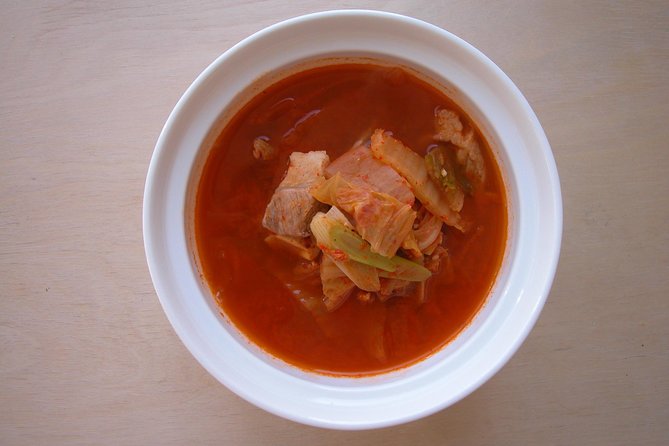
The class is always a three-course Korean menu, with options that may include soft tofu stew, bibimbap, bulgogi, kimchi stew, japchae, or stir-fried pork. The exact dishes depend on the menu for your session, but the structure stays the same: you learn multiple cooking styles, not just one.
You can also read our reviews of more tours and experiences in Seoul


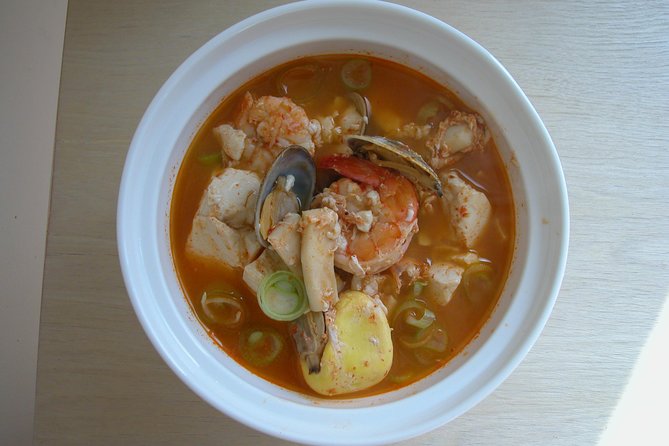
Soft tofu stew (sundubu jjigae-style) or a kimchi stew variant
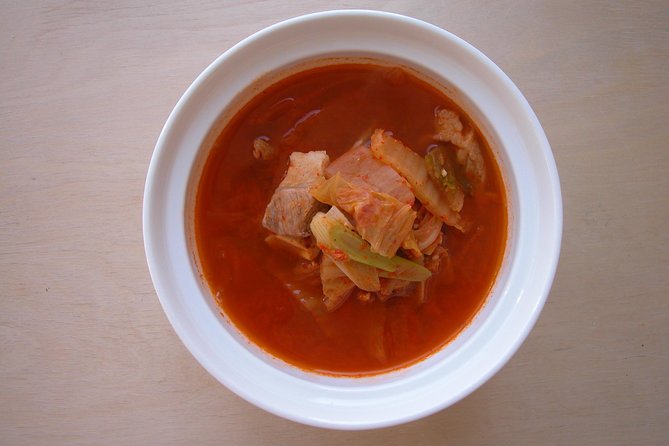
Soft tofu stew is popular because it teaches how Korean stews come together—comforting, savory, and flexible depending on spice and toppings. If your menu includes it, you’ll likely work with stew ingredients and learn timing so the tofu stays tender.
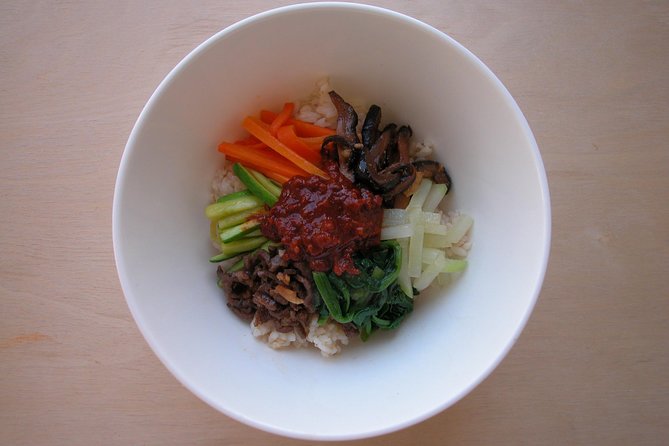
Bibimbap: sauces, toppings, and getting the mix right
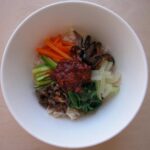
Bibimbap is where you learn assembly and flavor balance. Even if you’ve eaten it before, making it is a different story. You’ll work with vegetables and learn how the bowl becomes a complete meal when everything gets tossed together.
Bulgogi and other stir-fry: marinade and high-heat technique
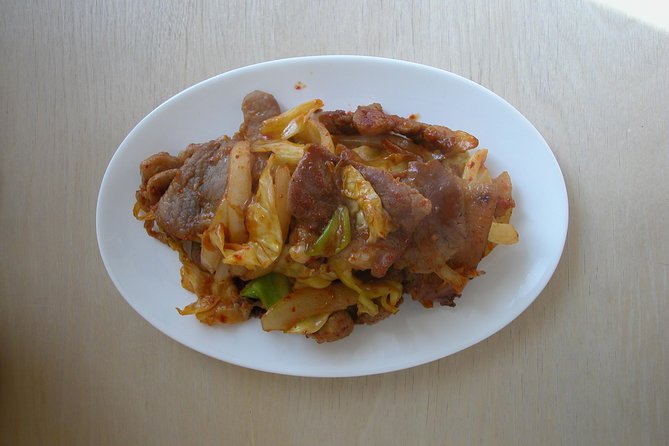
Bulgogi teaches flavor stacking. You’ll learn how to handle the marinade and how heat affects texture. Stir-fried pork menus follow a similar idea—quick cooking, strong seasoning, and getting the balance between savory, sweet, and salty right.
Japchae: noodles and seasoning balance
If japchae is in your menu, you’ll work with noodles and stir-fry seasoning technique. It’s also a dish that rewards attention: the difference between bland and delicious often comes down to how evenly flavors coat the noodles and how well you control heat.
Why this menu is smart for your first Korean cooking class: it covers stew, bowl assembly, and stir-fry methods. So you walk away with skills you can reuse for future meals, not just one repeatable recipe.
Hands-on cooking pace: approachable, but you’ll still learn fast
This class is designed to be laidback, but it’s also properly run. You cook, you eat, and you take home leftovers. You should expect a rhythm that goes:
1) quick orientation to what you’ll cook
2) hands-on prep at your station
3) cooking each component
4) eating the meal you made
5) packing leftovers
Because you’re cooking at your own table with a private station setup, you’re less likely to feel lost if you’re not a confident cook. And because the group is small, the instructor can correct common mistakes without slowing everything down.
From the instructor’s style, you should also get plenty of ingredient and process explanation. Jomin is described as clear and patient, even when the class includes people who don’t cook much at home.
Lunch or dinner choice: how to pick your best fit
You can choose either a lunch or dinner class. From a practical standpoint, pick based on your energy level.
- A lunch class tends to work well if you want the market walk and cooking as a main event early in your day.
- A dinner class can be a smart choice if you want to spend the rest of the evening exploring after you’ve already eaten a real Korean meal.
Either way, your final stop is back at the meeting point, so you won’t have to figure out a complicated route afterward.
What you take home: cookbook, leftovers, and repeatable Korean flavor
The best souvenir isn’t a fridge magnet. It’s the ability to recreate what you made. You’ll take home:
- a professionally designed cookbook
- the recipes for the dishes you cooked
- leftovers to enjoy later
That cookbook part is important. Many classes give a rough recipe card. Here, the book is described as beautifully curated and professionally designed. Even if you never cook everything, it’s still useful as a reference for technique and ingredient amounts.
Leftovers are also a real quality-of-life perk. After three courses, you may not want to cook again that night. Packing food also lets you share with friends or keep meals simple for another day.
Price and value: why $79 can make sense in Seoul
At $79 per person, this class sits in the midrange for Seoul activities, but the value is in the package:
- market shopping/ingredient instruction
- hands-on teaching at a proper cooking studio
- three-course meal you cook and eat
- cookbook you can use later
- leftovers taken home
You’re not paying just for entertainment. You’re paying for instructor time and the ingredients that turn into your meal. Plus, the small class size means you get closer to the “private lesson” feel than you would in a large group format.
So the question isn’t only whether $79 is affordable. It’s whether you want to leave Seoul with skills. If you do, this is a solid use of your time.
Who this Seoul market-to-studio class is best for
I’d point you to this experience if you want one of the most practical ways to learn Korean cooking without needing advanced skills. It works well for:
- beginners who want clear guidance and a structured station setup
- food lovers who enjoy markets and want the why behind ingredients
- people who like hands-on activities more than lecture-style tours
- couples or small groups who want attention from the instructor
It also fits dietary needs better than many food classes. Vegetarian and vegan options are available, and the instructor is described as accommodating with dietary restrictions. If you have specific needs, check details when you book so the menu can be adjusted appropriately.
If you hate cooking with your hands at all, you might find it tiring. But if you’re curious about real technique, this class is built for that.
Should you book this cooking class?
Yes, if you want an experience that connects Seoul’s food culture to actual skills. I think it’s especially worth it when you’re short on time and still want to eat well, learn how dishes are built, and take home something useful.
Book it if:
- you want to shop and learn at Mangwon Market
- you like small groups and hands-on instruction
- you want a repeatable skill set across stew, bibimbap, and stir-fry styles
- you’d use a cookbook after you go home
Skip it if:
- you only care about seeing Seoul streets and don’t want to cook
- you have extremely specific must-cook dishes, since the three-course menu can vary by date
If you fall somewhere in the middle—curious and hungry—this is an easy yes.
FAQ
Where do we meet for the class?
You meet at Mangwon Metro Station (Line 6), entrance 2.
How many people are in the class?
The class is a small group, with a maximum of four people.
What dishes will we cook?
It’s a three-course Korean menu. It may include dishes such as soft tofu stew, bibimbap, bulgogi, kimchi stew, japchae, or stir-fried pork.
Is this a hands-on class or a demonstration?
It’s a hands-on class. You cook at your own cooking table and station.
Can I choose lunch or dinner?
Yes. You can choose between a lunch or dinner class.
Do you offer vegetarian or vegan options?
Yes. Vegetarian and vegan options are available.
What happens if the class is canceled or if I need to cancel?
If the minimum number of guests is not met (minimum 4), the class may be rescheduled or canceled, and you’ll be offered a different date or a full refund. You can also cancel for a full refund up to 24 hours before the experience starts.