REVIEW · SEOUL CITY & PRIVATE TOURS
Ganghwa Island – Full day private tour
Book on Viator →Operated by Top Korea Tour · Bookable on Viator
Ganghwa Island feels like a shortcut from Seoul to a very different Korea. In one full day, you’ll move from Joseon-era coastal defenses to a Buddhist temple tied to 19th-century clashes, then finish with binoculars at the Peace Observatory to look toward North Korea just 2 km away. It’s also private, so the pace is gentler and the explanations land better.
Two things I like a lot: the private guide + vehicle setup (you’re not squeezed into a bus schedule), and the way the day mixes big-picture politics with everyday rural texture, from a traditional market to temple and fortress sites. One thing to consider: lunch isn’t included, so you’ll want a plan for food during the day—especially if you’d rather not hunt for a sit-down meal on your own.
In This Review
- Key highlights to expect
- Ganghwa Island in a Single Day: Rural Korea Plus North Korea Views
- Price and Logistics: What $220 Buys You (and What It Doesn’t)
- Gwangseongbo Fortress: Joseon’s Coastal Defense in 1871
- Jeondeungsa Temple: Buddhism and War in the Same Footsteps
- Ganghwa Seaside Resort: Optional Luge Fun Without Forcing It
- Ganghwa Pungmul Sijang Market: Real Island Products, Not Tourist Snacks
- Peace Observatory Binoculars: Seeing North Korea From 2 km
- Yeonmijeong Pavilion and the Anglican Cathedral: Views Plus Western Footprints
- The Private Guide Factor: Why the Day Can Feel Personal
- Who This Tour Suits Best (and Who Might Want Another Option)
- Should You Book This Private Ganghwa Island Day Trip?
- FAQ
- FAQ
- How long is the Ganghwa Island full-day private tour?
- What time does the tour start?
- Do you get hotel pickup and drop-off?
- Is this tour private or shared?
- Is lunch included in the price?
- What is included with the tour besides transportation?
- Are entrance fees included for every stop?
- Is the luge ride part of the package?
- When will I receive confirmation after booking?
- What if I need to cancel?
Key highlights to expect
- Binocular time at the Peace Observatory, with North Korea visible just 2 km away
- Two major “battle landscape” stops: Gwangseongbo Fortress and Jeondeungsa Temple area
- Private, hotel pickup with an air-conditioned minivan and bottled water
- Optional Ganghwa Seaside Resort with a luge ride if you want a fun detour
- Traditional market shopping at Ganghwa Pungmul Sijang for island specialties
- Western history in plain sight at the Ganghwa Anglican Cathedral
Ganghwa Island in a Single Day: Rural Korea Plus North Korea Views
Ganghwa Island is one of those places where the setting does part of the teaching. You’re close enough to Seoul for an easy day trip, but once you’re out there, the rhythm changes fast: smaller sites, quieter paths, and views that make the Korean Peninsula feel real in a way a screen never does.
The day’s layout helps you understand the island’s role over time. You’ll start with defenses and conflicts, then shift into religion and community life, and finally end with one of the most emotionally charged viewpoints in South Korea. It’s not just sightseeing; it’s a guided story you can actually follow with your feet and eyes.
Because it’s private, you can also get more practical help from your driver cum guide. If you care about the whys—why a fortress here, why a temple was important, why westerners showed up—this format makes those connections easier to catch without feeling rushed.
You can also read our reviews of more private tours in Seoul


Price and Logistics: What $220 Buys You (and What It Doesn’t)
At $220 per person for an ~8-hour private tour, you’re paying for the comfort of the plan: hotel pickup and drop-off, an air-conditioned minivan, and a guide who stays with you through all the stops. You’re also getting the entrance fees for the locations listed in the day (including key sites like the Peace Observatory and major fortress/temple stops). Bottled water is included, which sounds small until you’re halfway across the island and suddenly thirsty.
What’s not included is just as important: lunch isn’t part of the package. Some day trips pack food into the itinerary; this one leaves meal timing to you. If you have specific dietary needs or you want a certain kind of restaurant, plan ahead.
A practical note: the tour uses a mobile ticket, and you should receive confirmation within 48 hours, subject to availability. And it works best if you’re booking with at least 2 people per booking, since that minimum is required.
Gwangseongbo Fortress: Joseon’s Coastal Defense in 1871
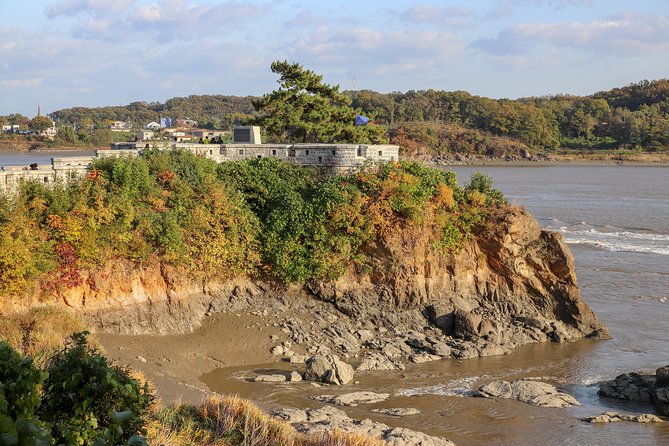
Your first stop is Gwangseongbo Fortress, tied to the conflicts of 1871. The island’s location made it a frontline area, especially in interactions involving the United States during that period. The site isn’t just about admiring stone and views; it’s about understanding why Ganghwa mattered to the Joseon dynasty’s coastal defense.
Why this stop is worth starting with: it gives you a frame for everything that comes after. Once you see the fortress setting and hear the context, later stops feel less random. Instead of a string of points on a map, the day turns into a timeline.
How long to plan for: about 30 minutes here. That’s tight, so it helps to come ready to listen. If you tend to read slowly at every sign, you might want to rely on your guide for the key context so you don’t get left behind.
Jeondeungsa Temple: Buddhism and War in the Same Footsteps
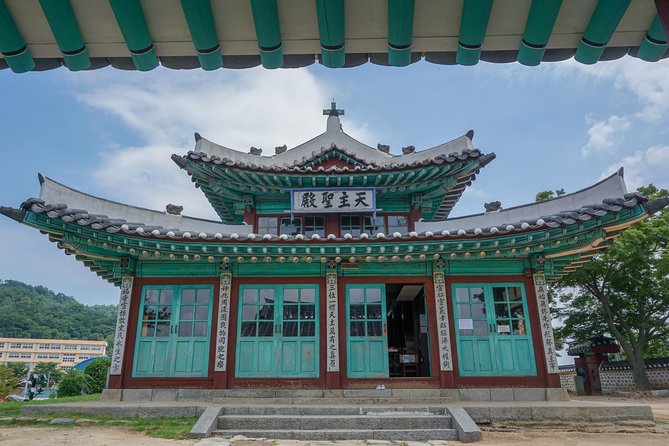
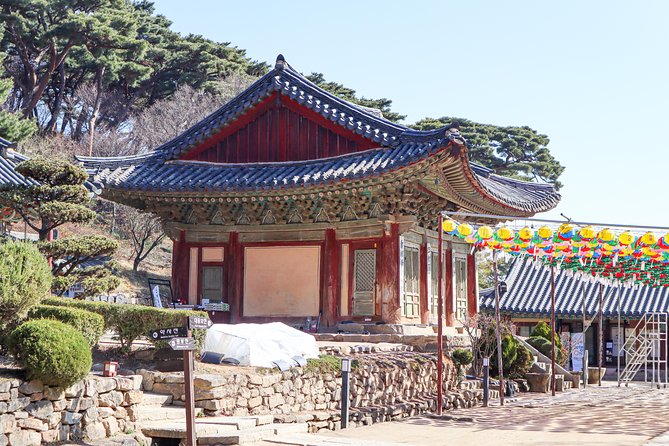
Next up is Jeondeungsa Temple, connected to the Samrangseong fortress area and to a clash involving France in 1866. That combination—Buddhist worship space plus battle-land history—can feel surprising at first. Then it starts to make sense: in turbulent times, people built, protected, and used major sites for more than one purpose.
This is also one of the more human-feeling stops. Your time is about 40 minutes, which is enough to slow down and notice the mountain setting and the cultural side of Korean Buddhism rather than only thinking in military terms.
One consideration: because it ties into historical conflict, this isn’t a quiet-only stop. Expect both views and interpretation. If you’re visiting specifically for temples as spiritual experiences, keep your expectations flexible: you’re also learning how history shaped the place.
Ganghwa Seaside Resort: Optional Luge Fun Without Forcing It
If you want a lighter moment, Ganghwa Seaside Resort is an optional stop with about 50 minutes on the schedule. The standout activity mentioned here is a luge ride down the hill if you’re interested.
The big value of making it optional is control. If your day already feels packed, you can skip it and keep your energy for the more meaningful viewpoints. If you want something playful—something to balance the heavier political stops—this is your chance.
Cost note: the luge is not included, and the entrance ticket for this stop is not included. That means you’ll likely pay extra if you choose the ride. If you’re trying to keep your day within budget, decide early whether you care more about the rides or the historical sites.
You can also read our reviews of more tours and experiences in Seoul
Ganghwa Pungmul Sijang Market: Real Island Products, Not Tourist Snacks
Then you shift into daily life at Ganghwa Pungmul Sijang, a traditional market with about 30 minutes and free admission. This is where the tour stops acting like a museum and starts behaving like a place people actually live.
The market angle is especially useful because Ganghwa is often discussed in relation to war and geography. Here, you get the other half: island products. You’ll have time to look around and see what the area is known for—exactly the kind of souvenir browsing that feels more personal than buying the same items you see everywhere.
Small practical tradeoff: 30 minutes is enough to browse and pick a few things, not enough for a slow, full shopping session. If you love markets, treat this as a quick taste and use it to guide what you might want more of later.
Peace Observatory Binoculars: Seeing North Korea From 2 km
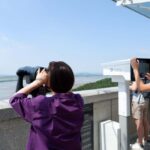
This is the emotional centerpiece: Ganghwa Peace Observatory. You get about 40 minutes, and admission is included. The standout feature is the binocular viewing, letting you see North Korean people’s living from the island side.
The distance matters. North Korea is listed as only 2 km away from the island, which is the kind of detail that turns the viewpoint from abstract to immediate. You’re not just learning about geopolitics; you’re looking at why the peninsula feels so close even when it’s separated by so much.
A tip for getting the most from this stop: don’t rush your first look. Spend a minute letting your eyes adjust, then use the binoculars as your “second pass.” And if your guide offers interpretation, take it. The context can make what you’re seeing feel clearer, not just more intense.
Because this stop is so tightly linked to the current situation, it can also feel heavier than the fortress and temple sites. Give yourself a chance to reset before the final viewpoints.
Yeonmijeong Pavilion and the Anglican Cathedral: Views Plus Western Footprints
After the observatory, the schedule includes two stops that broaden the day beyond one single theme.
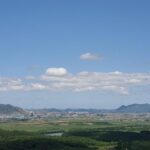
Yeonmijeong Pavilion is about 30 minutes with free admission. It’s a view stop where you can enjoy scenery over the island and get another peek toward North Korea. This is a good place to compare what you saw at the Peace Observatory with what you see from here. Same region, different angles, different feelings.
Then comes Ganghwa Anglican Cathedral, also about 30 minutes and free. The day’s description frames it as evidence of westerners arriving because Ganghwa was once the entrance to Seoul. In other words, this isn’t just architecture—it’s a clue to how the island sat on historic routes.
Why I like ending here: you finish on something that feels more everyday and less confrontational. You’ve already learned about conflict and separation; now you’re reminded that the peninsula’s story also includes contact, movement, and cultural exchange.
The Private Guide Factor: Why the Day Can Feel Personal
The biggest theme in the feedback is that the guide can make or break the experience. When a driver cum guide is sharp with context, the history clicks. You also get more natural pacing—pauses when needed, explanations when you ask, and smooth transitions between places that would otherwise feel unrelated.
Two guide names show up in strong praise: Mr. Lee for energetic, exciting facts, and Miae for being personable and excellent at linking sites with clear context. If your guide is like either of them, you’ll likely leave feeling like you actually understood Ganghwa instead of just collecting stops.
Who This Tour Suits Best (and Who Might Want Another Option)
This is a great fit if you want:
- a private day trip from Seoul without the stress of driving or logistics
- a balance of fortress and temple history plus a market
- the rare chance to use binoculars at the Peace Observatory
- a guide-led day that explains why each location mattered
It may be less ideal if:
- you hate structured schedules and want total freedom all day
- you need lunch included in your package
- you’re not comfortable with moderate physical effort (the tour notes a moderate fitness level)
The tour also requires at least 2 people per booking, so solo travelers might need to join with someone or look for another format.
Should You Book This Private Ganghwa Island Day Trip?
I’d book it if your goal is a meaningful day outside Seoul that still runs smoothly: pickup, air-conditioned comfort, key sites covered, and paid entrance fees handled for the main stops. For the money, the value is strongest when you like guided context—because the day is built around understanding why Ganghwa mattered.
Skip it (or consider an alternate plan) if you mainly want relaxing scenery and no history themes. This tour does lean into conflict-era stories and ends with an observatory that carries real weight.
If you’re curious about Korean history, enjoy rural texture, and want that pinpointed moment with binoculars toward North Korea, this private format is a smart way to do it without wasting time.
FAQ
FAQ
How long is the Ganghwa Island full-day private tour?
It runs about 8 hours.
What time does the tour start?
The start time is 8:30 am.
Do you get hotel pickup and drop-off?
Yes. Pickup and drop-off are included for hotels located in Seoul.
Is this tour private or shared?
It’s private. Only your group will participate.
Is lunch included in the price?
No, lunch is not included.
What is included with the tour besides transportation?
Bottled water, entrance fees listed in the itinerary, and a driver cum guide are included.
Are entrance fees included for every stop?
Entrance fees are included for the listed stops that have an admission ticket included, while the market and a few viewpoints note free admission. The optional seaside resort is not included.
Is the luge ride part of the package?
The seaside resort is optional, and the luge ride availability is mentioned, but the admission ticket for that stop is not included.
When will I receive confirmation after booking?
Confirmation is expected within 48 hours of booking, subject to availability.
What if I need to cancel?
You can cancel for a full refund up to 24 hours before the experience’s start time.