REVIEW · WORKSHOPS
Seoul: Combat Taekwondo & Self-Defense One Day Class
Book on GetYourGuide →Operated by Lecirt · Bookable on GetYourGuide
Combat Taekwondo isn’t the gentle, sport-only version people picture, and that’s why this class feels so practical. The big pull for me is the clear beginner path (white belt curriculum) plus the chance to learn self-defense-focused techniques taught by Master Taek at the World Kangjin Taekwondo Federation headquarters.
You get physical training and mental discipline in the same session, not just punching pads and leaving. One drawback to plan for: the class is quite intense, and it’s not suitable if you’re pregnant or have back problems.
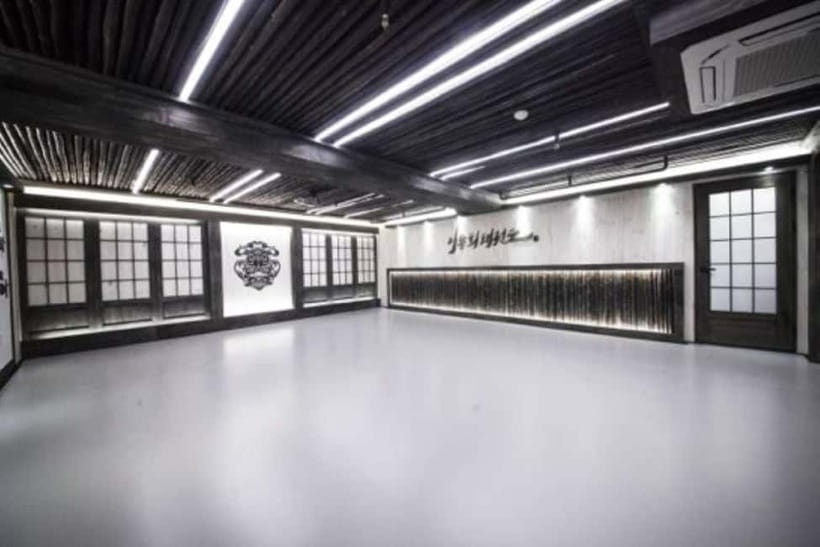
The setting is also special. You’re training in a real federation environment, and the reviews consistently point to a welcoming, professional vibe—especially for first-timers with no prior martial arts background.
In This Review
- Key points to know before you go
- What Combat Taekwondo means in plain terms
- Where you train: the World Kangjin Taekwondo Federation headquarters
- Your instructor experience: Master Taek (택 사범님) and the English coaching
- What a one-day Combat Taekwondo class looks like
- Start with fundamentals and safe foundations
- Then add Combat Taekwondo technique ideas
- Self-defense drills to protect your body
- Physical training meets mental discipline
- Gear, showers, and what you’ll need to bring
- Included
- Not included (plan for it)
- What to bring
- Clothing and rules: simple, but read them
- Communication: English-only instruction
- Price and value: why $48 can be a fair deal
- Who this class is best for (and who should skip it)
- Practical timing and energy planning for a one-day visit
- A quick cultural angle: why learning Taekwondo in Korea feels different
- Should you book this Combat Taekwondo one-day class?
- FAQ
- Where does the class take place?
- How much does it cost?
- What will I learn in a one-day class?
- Is the class suitable for beginners?
- What language is the class taught in?
- What’s included in the price?
- What should I bring?
- Is a uniform provided?
- Are socks allowed during training?
- Is the class safe for everyone?
Key points to know before you go
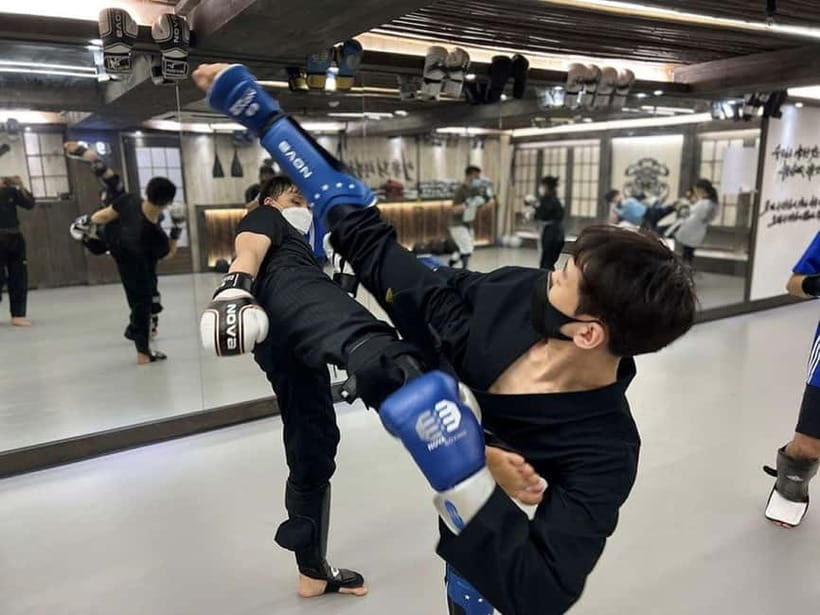
- Combat Taekwondo basics: a one-day introduction based on the white belt curriculum
- Self-defense angle: learn techniques meant for real situations, not just point-scoring
- English-only class: instruction is proceed with English only
- Gear and showers included: protective equipment is provided; you’ll just need your own sports kit and toiletries
- Socks come off: expect to remove socks during the experience
- Not for everyone: avoid if you’re pregnant or have back problems
What Combat Taekwondo means in plain terms
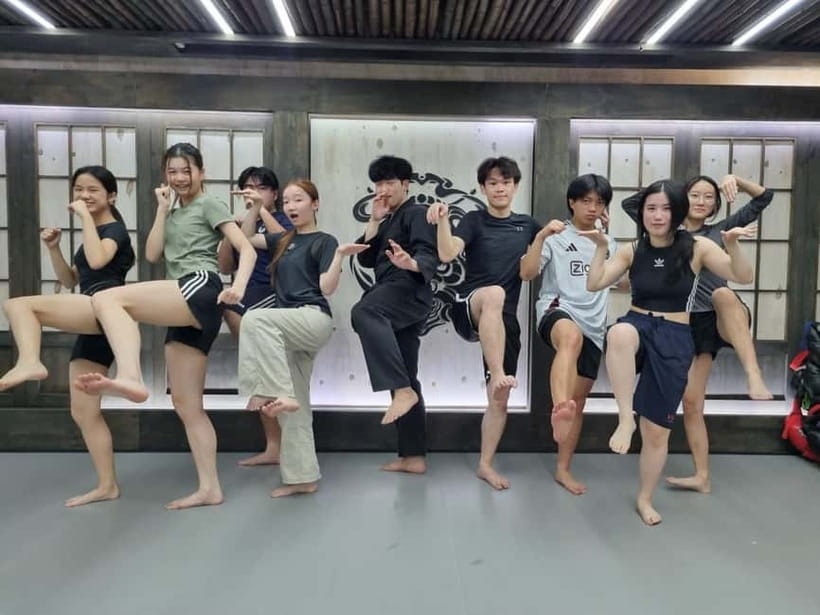
Combat Taekwondo is built on the idea that sport Taekwondo rules are not the whole story. In this program, you’re taught a combat system that redefines techniques—specifically mentioning the use of techniques that are prohibited in World Taekwondo’s sports version, because they’re meant for real conflict situations.
That’s a good thing to understand before you show up. If you’re expecting a standard, point-scoring Taekwondo class—this won’t be that. You’ll likely spend more time thinking about distance, control, and practical response rather than only formal forms or tournament-style moves.
And it’s not only physical. The course is also framed as mental training: focus, discipline, and learning how to stay calm while you do hard drills. That combination is exactly what makes martial arts attractive as a travel activity. You feel it in your body, and you still walk away with a head-clearing routine.
You can also read our reviews of more tours and experiences in Seoul



Where you train: the World Kangjin Taekwondo Federation headquarters
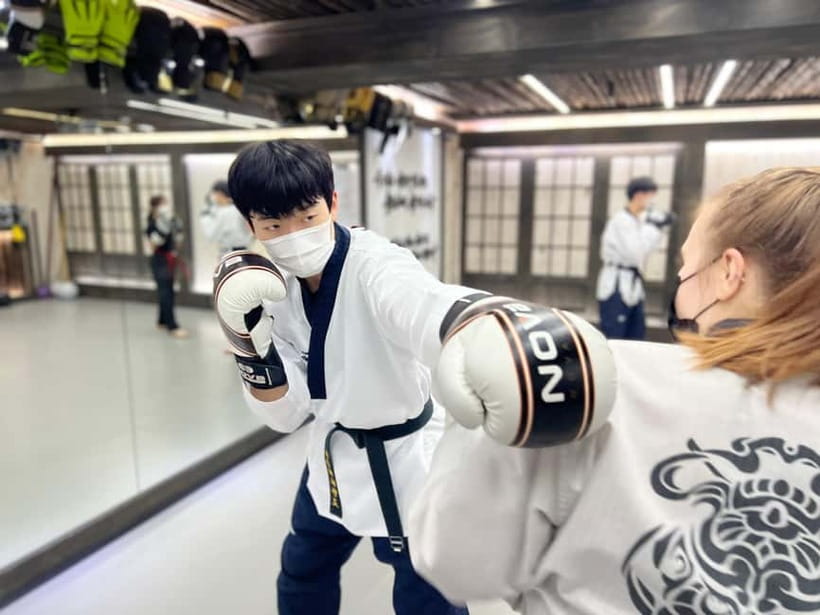
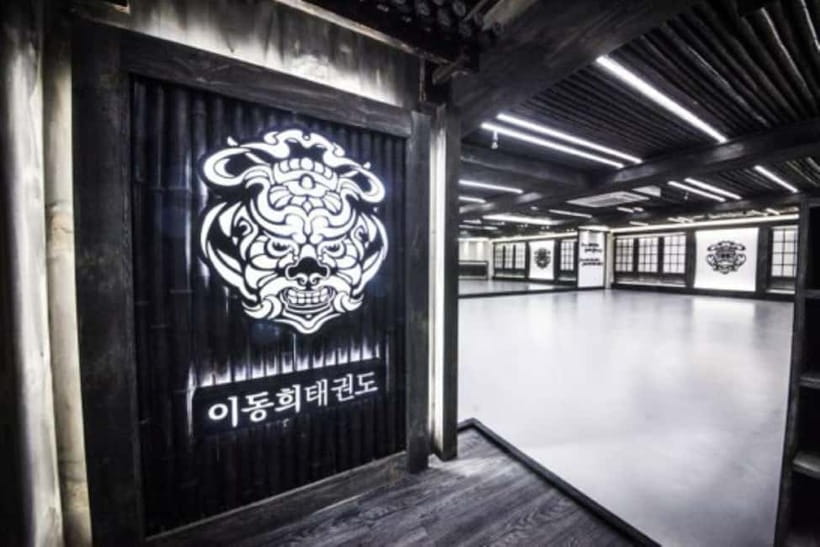
This one-day class takes place at the headquarters of the World Kangjin Taekwondo Federation in South Korea. That matters more than it sounds.
Training at a federation HQ usually means you’re not doing a random demo in a hotel gym. You’re stepping into a training culture with instructors and students who take the system seriously. The reviews back this up with comments about the instructor being professional and the gym itself feeling genuinely nice and structured.
Also, because the class is English-only, it’s built to work for international visitors without you having to hunt for a translator or guess what the drills are. If you want a martial arts experience you can actually follow and learn from, this format helps.
Your instructor experience: Master Taek (택 사범님) and the English coaching
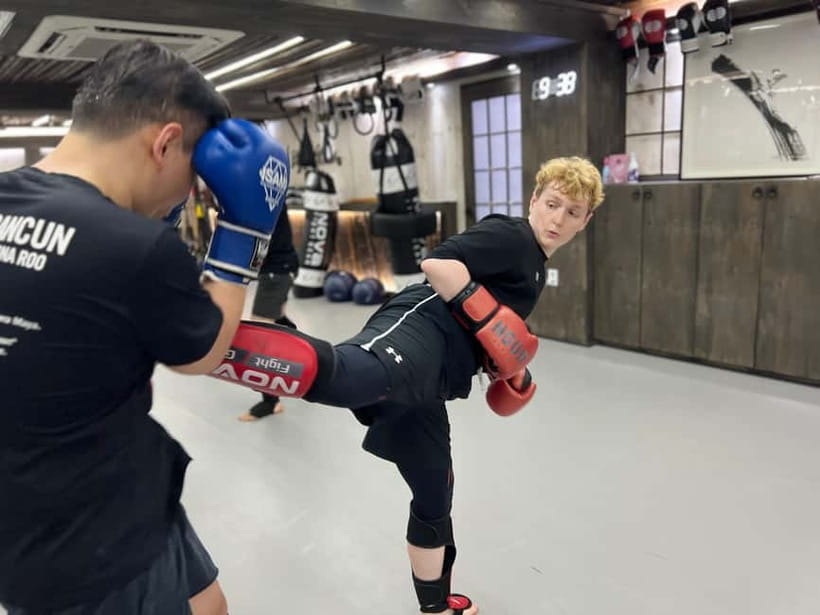
The course is led by a certified expert affiliated with the Korean combat organization KTK. In the feedback you’ll see the instructor referred to as Master Taek, also written as 택 사범님, which gives you a real sense of who you’re training with.
What stands out from the praise is how well the instruction lands for people who are brand new:
- Master Taek is described as professional and genuinely good at teaching in English
- First-timers say they felt comfortable right away
- The vibe is friendly, with a warm welcome from the people around you
That combination is important. A lot of martial arts classes are either too technical for beginners or too vague for non-Korean speakers. Here, the English-only setup plus an instructor who can explain the material clearly makes it far more likely you’ll leave with usable understanding, not just sore legs.
What a one-day Combat Taekwondo class looks like
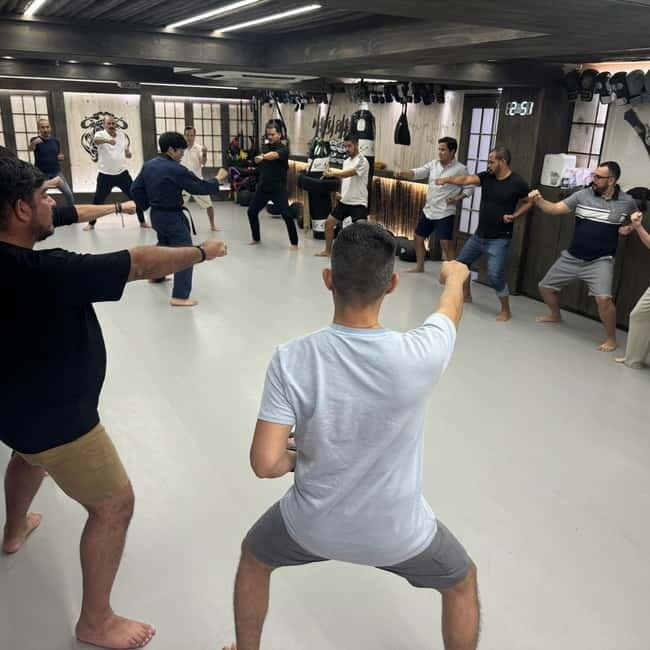
The course is designed as a one-day intro. It covers the white belt curriculum of Combat Taekwondo, which is the beginner entry point. Translation: you’re not expected to already know Taekwondo basics.
Here’s the kind of progression you can expect in a session like this, based on how the training is described and how participants report the experience:
Start with fundamentals and safe foundations
You’ll begin with basics that help you understand the system—stance, movement, and how techniques connect. Because protective gear is included and socks are removed during the experience, the training is set up for controlled, close-contact drills without you having to improvise equipment.
You can also read our reviews of more tours and experiences in Seoul






Then add Combat Taekwondo technique ideas
Next comes the Combat Taekwondo approach itself: techniques that go beyond sport-only rules. Even if you’re not sparring full-speed, the coaching is about what would matter in a real situation—timing, control, and decision-making under pressure.
Self-defense drills to protect your body
The program isn’t only about attacking skills. It explicitly mentions self-defense techniques to protect your body. For you, that means the drills should feel more grounded in safety and prevention—learning how to respond, create distance, and handle common confrontation moments.
Physical training meets mental discipline
You should expect a mix of hard physical work plus mental cues. Reviews describe the workout as intense, which fits the theme: martial arts training is often about maintaining form and focus when your body gets tired.
One more useful note: you’ll practice with protective gear provided, but you’ll still want to come ready for real effort. This is not a slow “tourist demonstration” class.
Gear, showers, and what you’ll need to bring
This is one of the most practical parts of the offering.
Included
- Expert instruction
- Protective gear
- Shower facilities
So after your training, you can freshen up instead of heading out sweaty and uncomfortable.
Not included (plan for it)
- Taekwondo uniform (you can purchase it)
- Insurance
You’ll want to decide ahead of time if you want a uniform for future classes. If you’re only doing the one-day intro, you can focus on sportswear and use the purchase option if you feel like continuing.
What to bring
- Sportswear
And for the shower part:
- Bring your own towel and toiletries
There’s also a rule that socks must be removed during the experience. That’s easy to forget if you’re used to keeping socks on in Western gyms, so treat it as a heads-up. Wear footwear and clothing that make it simple to follow the rules quickly.
Clothing and rules: simple, but read them
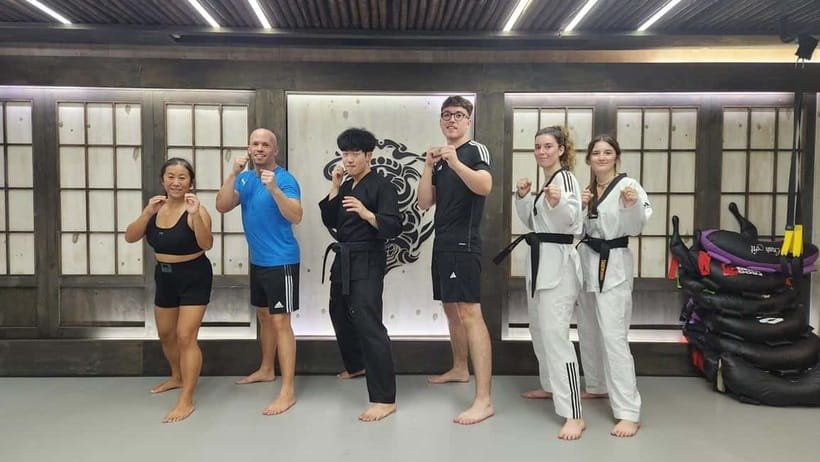
The class is straightforward on behavior rules:
- No smoking
- No alcohol and drugs
Also, note these suitability limits:
- Not suitable for pregnant women
- Not suitable for people with back problems
So if you’re nursing an injury or you have issues with mobility or posture, consider safety first. Martial arts can involve stances, kicking, and sudden transitions, even in a beginner class.
For clothing, the key is comfort and movement. You’ll do better with sportswear you can stretch in than with fashion basics.
Communication: English-only instruction
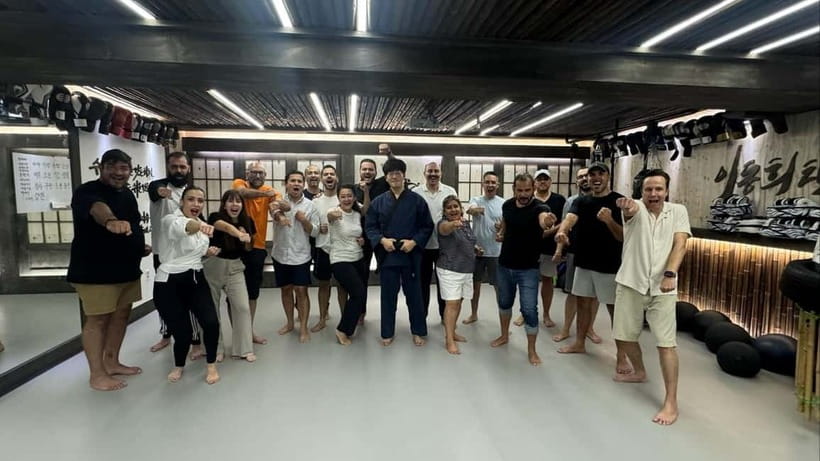
Good language access can make or break a class like this. Here, the course proceeds with English only.
That’s great for you if you’ve never trained before and you don’t want to guess. In particular, multiple review comments praise the instructor’s English ability and teaching style. That signals you’ll spend less time translating in your head and more time doing the drill correctly.
Price and value: why $48 can be a fair deal
The price is listed at $48 per person for a one-day course.
At first glance, that might feel “cheap for a martial arts class” or “not cheap for a demo,” depending on what you’re comparing it to. The value comes from three things that are actually included:
- protective gear
- shower facilities
- expert instruction at a federation headquarters
If you’ve ever taken a paid activity where gear costs extra and the instruction is thin, you know how fast expenses add up. Here, the package is built to give you a complete session. And because it’s beginner-friendly (white belt curriculum), you’re paying for coached learning rather than just watching.
For travelers, martial arts also gives a different kind of memory than most tours. You’ll carry the muscle memory home, and you’ll have a practical skill set to build on if you continue Taekwondo later.
Who this class is best for (and who should skip it)
This one-day Combat Taekwondo experience works especially well if:
- you’re a beginner with no martial arts experience
- you want self-defense training ideas, not just sport form practice
- you want an English-friendly environment where you won’t feel lost
- you like hands-on travel activities that leave you feeling accomplished
It’s less ideal if:
- you have back problems or any condition that makes stances and movement risky
- you’re pregnant
- you want a relaxed, casual workout only (the class is described as intense)
If you’re the type who enjoys structured coaching and clear rules, you’ll likely appreciate the discipline side just as much as the kicks and drills.
Practical timing and energy planning for a one-day visit
Even without an exact start time listed, you should treat this as an “energy-forward” activity. The reviews call out intensity, and martial arts instruction tends to be physically demanding even when it’s beginner level.
Here’s how to set yourself up:
- Eat earlier than you think you need to, then give your body time to settle
- Wear sportswear you’ve already tested for comfort
- Plan an easy evening afterward—your legs and core may feel it
Also, because there’s a shower, you can plan your day so you don’t have to rush. Train, shower, and then head out for dinner.
A quick cultural angle: why learning Taekwondo in Korea feels different
Even if you already know Taekwondo, taking it in Korea can change how you feel about the discipline. This course is explicitly connected to Korean martial arts leadership through the World Kangjin Taekwondo Federation and KTK affiliation.
What you’re really getting is not just technique, but context: the idea that Taekwondo is both sport and combat system, depending on the rules and goals. Learning the combat emphasis while you’re in the country where the martial art is rooted helps the material feel more grounded.
And because the class is structured as a beginner curriculum, you’re not just collecting trivia. You’re learning a system.
Should you book this Combat Taekwondo one-day class?
If you want an active Seoul experience that teaches you something you can keep using—this is a strong choice. The reasons are simple: you get expert instruction, protective gear, and shower facilities, all built around a beginner-friendly Combat Taekwondo curriculum and English-only coaching.
I’d book it if you’re:
- curious about Combat Taekwondo and how it differs from sport rules
- okay with a fairly intense workout
- looking for a disciplined self-defense angle rather than a casual class
I’d think twice if:
- you’re pregnant or dealing with back issues
- you want an easy, low-impact activity
- you dislike situations where socks must come off and you follow training-room rules
FAQ
Where does the class take place?
It’s held at the headquarters of the World Kangjin Taekwondo Federation in South Korea.
How much does it cost?
The price is $48 per person.
What will I learn in a one-day class?
You learn the basics of Combat Taekwondo using the white belt curriculum, plus self-defense techniques.
Is the class suitable for beginners?
Yes. The course covers the white belt curriculum of Combat Taekwondo and is designed to be accessible even with no martial arts experience.
What language is the class taught in?
The class is proceed with English only.
What’s included in the price?
Included are expert instruction, protective gear, and shower facilities.
What should I bring?
Bring sportswear. You should also bring your own towel and toiletries for the shower.
Is a uniform provided?
No. The Taekwondo uniform is not included, but it is available for purchase.
Are socks allowed during training?
Socks must be removed during the experience.
Is the class safe for everyone?
It is not suitable for pregnant women or people with back problems.


![Andong Hahoe Folk Village [UNESCO World Heritage] Private Tour from Seoul - The cliff stop: Buyongdae’s 64 meters of perspective](https://1.visitseoulkorea.com/wp-content/uploads/andong-hahoe-folk-village-unesco-world-heritage-private-tour-from-seoul-400x266.jpg)