REVIEW · GYEONGBOKGUNG PALACE & HANBOK TOURS
Seoul: Gyeongbok Palace, Bukchon Village, and Gwangjang Tour
Book on Viator →Operated by I Love Seoul Tour · Bookable on Viator
Four hours can rewrite your Seoul map. This guided loop takes you from royal grounds to hillside viewpoints, then ends at a legendary market—so you get a lot of Seoul without spending the whole day in transit. You’ll ride in an air-conditioned vehicle with your own guide, and the stops are timed for a smart mix of landmarks and photo-friendly corners.
I especially like the guide-led flow. People like Chloe, Grace, Sophie, and Sunny come through with clear explanations, good English, and real help with photos—Sunny in particular is known for pairing history with practical local tips, while Sophie and Chloe often make the group feel looked after.
Another big win is the Gyeongbokgung Palace focus, including the Royal Guard Changing Ceremony when schedules line up. And I like that the tour ends at Gwangjang Market, which is perfect for eating right away instead of hunting for dinner later.
One possible drawback: this is a tight 4-hour run with several different stops. If you’re picky about shopping, know the ginseng museum time can feel like a sales push, and a few people feel the day can run a bit fast.
In This Review
- Quick highlights
- Entering Seoul through Gyeongbokgung’s gates
- Gyeongbokgung Palace and the Royal Guard Changing Ceremony
- Bukchon Hanok Village: classic hanok streets without the maze
- Bugak Skyway viewpoint: Seoul from the slopes
- The Cheongha Korea Ginseng Museum stop and the shopping question
- Gwangjang Market: the easiest win for food after your tour
- How your guide changes the whole day
- Price and logistics: why $32 can work for you
- Practical prep: shoes, timing, and how not to lose the day
- Who should book this tour
- Should you book the Seoul: Gyeongbok Palace, Bukchon, and Gwangjang Tour?
- FAQ
- What is the duration of the Seoul Gyeongbok Palace, Bukchon Village, and Gwangjang Tour?
- How much does the tour cost?
- What is included in the tour price?
- Is food included?
- Where do I meet the tour, and where does it end?
- Is the Royal Guard Changing Ceremony included?
- Is this tour rain or shine?
- Is hanbok rental included?
- Is it a private tour?
- Can I get a refund if I cancel?
Quick highlights
- Own guide, real hands-on help: clear storytelling plus help with group photos and timing at major sights
- Gyeongbokgung Palace first: the Royal Guard Changing Ceremony is a strong hook for the whole day
- Bukchon Hanok Village photo stop: quick access to classic hanok streets without getting lost
- Bugak Skyway viewpoint: a calm uphill break with panoramic Seoul views
- Ginseng museum with a shopping caveat: interesting context, but you’ll spend time in the sales area
- Drop-off at Gwangjang Market: easy end-of-tour plan with snack-and-wander food
Entering Seoul through Gyeongbokgung’s gates
If you’re short on time, starting at Gyeongbokgung Palace is the move. This is Seoul’s “big picture” landmark: huge grounds, strong royal symbolism, and a place where the city’s past doesn’t feel like a museum display. Even if you only see a portion, the experience gives you a framework for everything you’ll notice later—gates, axes, courtyards, and the way space is used to signal power.
This tour is also practical in how it structures the day. You meet near Myeongdong Station and then move as a group by air-conditioned minivan or coach. That means you’re not zigzagging across Seoul with multiple transfers right after you arrive, and you’re not stuck figuring out public transport while you’re still tired.
On the human side, the guide matters a lot. Many people highlight guides like Shin and Grace for turning history into something you can follow. The best part is that the guide doesn’t just recite facts—they point out what to watch for and help you time your photos so you’re not staring at your screen while the guard ceremony happens.
You can also read our reviews of more tours and experiences in Seoul.

Gyeongbokgung Palace and the Royal Guard Changing Ceremony
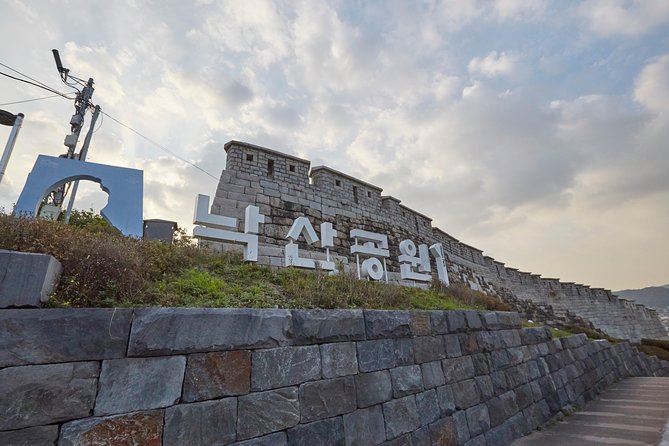
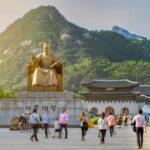
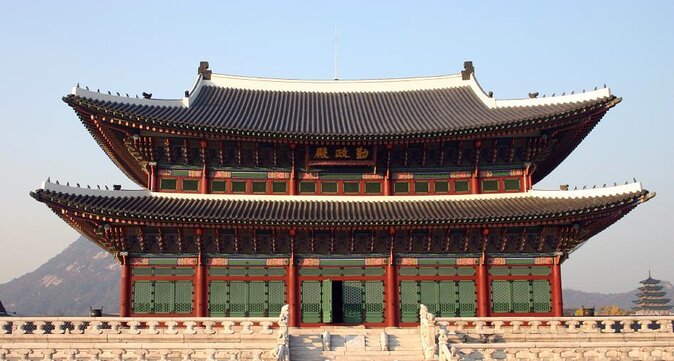
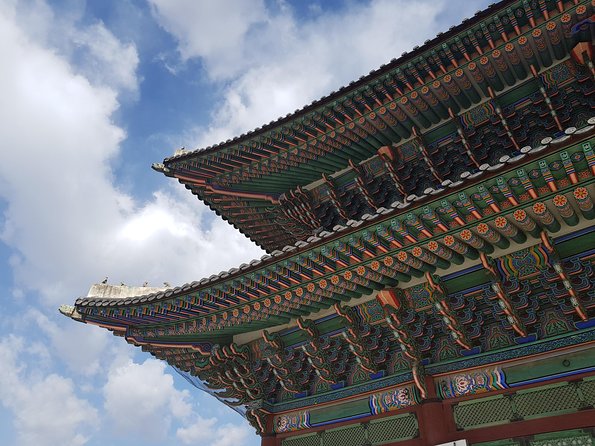
Gyeongbokgung is one of the most beautiful and largest palaces in Seoul, and this stop is timed for about 30 minutes with admission included. The main reason this stop works so well on a half-day plan is the ceremony option. When the Royal Guard Changing Ceremony is on, it adds motion and atmosphere that you won’t get from a quiet walk through the grounds.
Even beyond the ceremony, you’ll get the big visual hits quickly: palace gates, formal pathways, and a sense of scale that’s hard to recreate anywhere else in the city. Your guide’s job is to point you to the right viewing areas and explain what’s happening—so you’re not just watching people in uniforms move around, you’re understanding why it matters.
A small but real detail: this kind of palace visit rewards calm pacing and correct timing. With only around half an hour on the clock, you’ll get the most from it if you wear comfortable shoes and keep your phone ready for quick shots. If you arrive late to the tour route, you won’t be able to join after it starts—so show up on time at the meeting point.
Bukchon Hanok Village: classic hanok streets without the maze
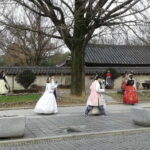
Next comes Bukchon Hanok Village, with about 20 minutes planned and no admission fee for the stop. This is where you see traditional Korean houses called hanok—and yes, it’s a favorite for photos. But the value here isn’t only aesthetics. Bukchon shows you how historical neighborhoods sit inside a modern city, with narrow lanes and tiled roofs doing a better job of “explaining Seoul” than any map can.
In a short tour like this, the biggest challenge is choosing where to look. You won’t have hours to wander every side street. That’s why having a guide helps: you get directed to the most photogenic and most sensible sections first, and you don’t waste your limited time looping back.
Also, don’t expect a long cultural workshop here. The tour format is quick: enough to get the feel, grab a few great images, and move on before you’re bored or slowed by congestion.
If you’re hoping to dress up in a hanbok: this tour doesn’t include hanbok rental time. So plan on wearing normal clothing you’re comfortable walking in. (If you want hanbok photos, you’ll need to arrange that separately.)
Bugak Skyway viewpoint: Seoul from the slopes
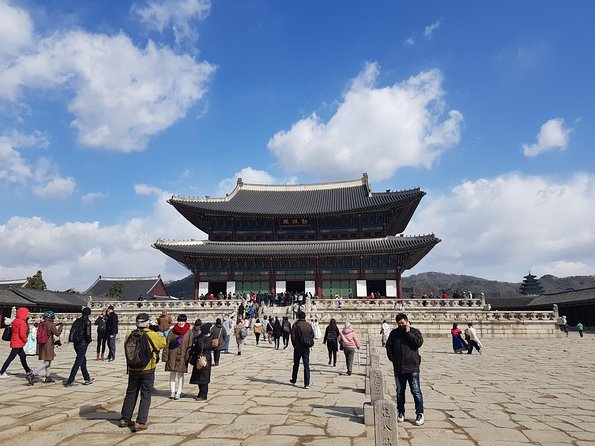
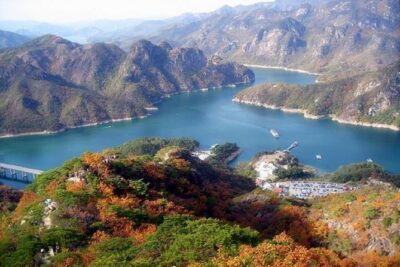
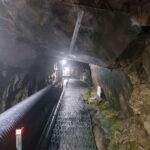
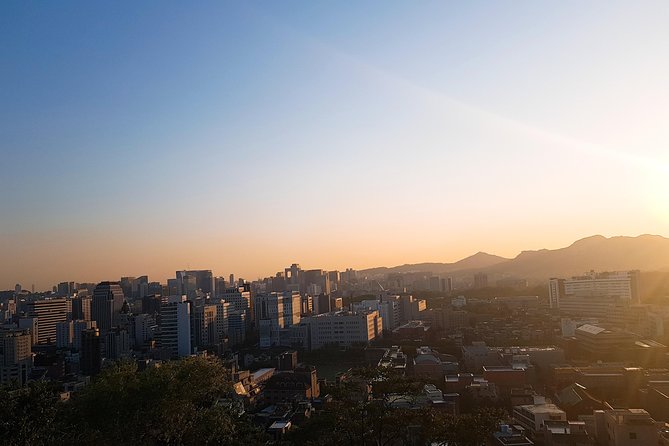
Then the pace shifts a bit with Bugak Skyway, also known for Bugak Palgakjeong (the pavilion). You get about 40 minutes here, and admission is included. This is the “breather” stop in the itinerary—less shopping, less ceremony, more open air and wide views.
On a clear day, a viewpoint like this changes how you understand Seoul. You see the city’s layers—dense downtown lines, the way neighborhoods stack up, and where mountains cut in. It’s also a good contrast after palace formality and hanok photo lanes. You’ll have a quieter feeling up on the slopes, and the pavilion setting helps the stop feel intentional rather than rushed.
One caution: because this is on the mountain approach, you’ll want moderate physical fitness and comfortable shoes. The tour is doable for many people, but it’s not a flat stroll the whole way. If the weather turns slick, take your time on any uneven sections.
If you’re trying to photograph the skyline, treat this like your chance to slow down. Keep your phone warm for photos and check settings quickly—views can look different the second the clouds shift.
The Cheongha Korea Ginseng Museum stop and the shopping question
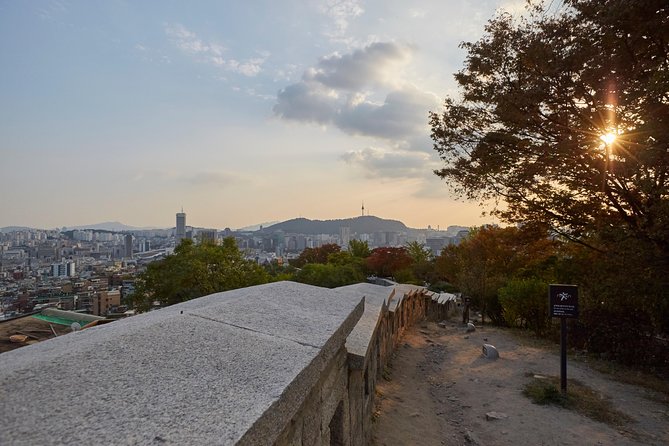
The itinerary includes Cheongha Korea Ginseng Museum for about 30 minutes, with admission listed as free. Here’s the honest trade-off. People say the museum can be cool, but it can also feel like the real purpose becomes the sales room.
So how should you handle it? Decide what you want before you arrive. If you’re curious about ginseng—its cultural role and why it’s so heavily associated with wellness in East Asia—you may enjoy this stop. The museum also gives you a moment to sit inside and reset, which can be helpful after a walking-heavy palace and village combo.
But if you dislike sales pressure, go in with a plan: browse quickly, ask any questions you actually care about, and don’t let time disappear in conversations you don’t want. This isn’t the kind of stop where you can comfortably skip it and still hit everything else on a strict half-day schedule.
This is also where timing matters for the whole tour feel. A few people felt the day was rushed mainly because there are several stops, and the ginseng portion didn’t match their sightseeing priorities. If that’s your style, you’ll want to be mentally prepared for this “education + shop” format.


Gwangjang Market: the easiest win for food after your tour
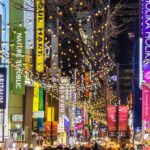
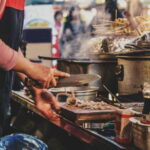
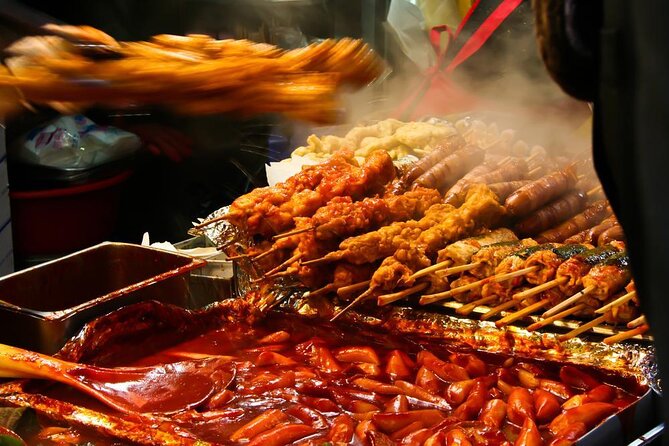
The tour ends at Gwangjang Market, about 15 minutes from the structured schedule, with admission free for the stop. The big advantage is that you don’t leave the tour empty-handed. Instead, you end in the middle of a place built for eating, sampling, and wandering.
Gwangjang Market is one of those Seoul food zones where you can keep it simple. Pick a couple of items, share if you’re with others, and walk a bit to see what looks best. Since this tour doesn’t include food and drinks, the market timing gives you a natural place to spend your money without guessing where to go.
Use the guide’s advice here. Guides often share practical recommendations, and many people mention insider tips as a major reason they liked the day. Even if you don’t buy much, the guide can help you understand what’s popular and what’s worth trying first.
Also remember the tour ends here rather than at your hotel. So plan your next move around the market area. If you’re continuing on foot, give yourself extra time—market streets can be slow, especially at peak hours.
How your guide changes the whole day
A half-day tour lives or dies by the guide’s ability to make short stops feel meaningful. On this route, guides are often praised for storytelling, attention to the group, and photo help.
Here are a few patterns you’ll likely notice:
- Clear English and confident explanations: people mention guides like Shin and Henry for strong narration and answers to questions.
- Photo support: Chloe, Sunny, and Sophie are repeatedly linked to helping the group get good shots at each stop.
- Group care: some guides work hard to learn names and make sure nobody feels left behind.
So what should you do as the person on the tour? Ask one good question per stop. If you want the best value, don’t just watch—try to connect what you’re seeing to Korean culture in a specific way (ceremonies, neighborhood history, or why markets work like they do). Your guide can usually explain the “why,” not only the “what.”
One more thing: this tour runs rain or shine. If the weather is miserable, a good guide helps you adjust your walking so you still see the key sights. Bring a light rain layer even if the forecast looks calm.
Price and logistics: why $32 can work for you
At $32 per person, this tour feels like a good deal if you value time and want a structured introduction. The included parts matter: you get a professional guide, transport by air-conditioned minivan or coach, and admission fees for the paid stops (like Gyeongbokgung Palace and Bugak Skyway).
What’s not included is also important. Food and drinks aren’t included, and you’re not getting hotel pick-up and drop-off. You meet near Myeongdong Station, then the tour ends at Gwangjang Market. So you’ll need to plan your own way back from there.
Is it worth it if you’re budget-tight? Usually yes, because you’re paying for three things you’d otherwise have to figure out: local transit direction, admission management, and narrative context. If you’re the type who likes to wander but also wants a shortcut to the right places, this format fits.
If you hate shopping stops, the ginseng museum is the only part that might change your cost-benefit feeling. You can enjoy it without buying, but you should be prepared for that “museum + sales room” style.
Practical prep: shoes, timing, and how not to lose the day
This tour is simple, but a few rules keep it smooth. Here are the practical points I’d plan around:
- Wear comfortable walking shoes. You’ll move between sites with short windows at each stop.
- Bring patience. The itinerary is compact, and 4 hours can feel like a sprint when you stop for every photo.
- Rain or shine means layers help. If it’s cold or wet, you’ll be happier with a hat, gloves, and a light rain jacket.
- The tour uses a mobile ticket, so have your ticket accessible on your phone.
- You meet at Myeongdong Station (Exit 1061-7, Chungmuro 2(i)-ga, Jung District).
- The tour ends at Gwangjang Market.
Two “avoid headaches” notes:
You can’t join after it starts at Gyeongbokgung Palace, and contacting the guide once the tour is in progress isn’t permitted. So set a real arrival buffer at the meeting point. Also, while the tour is guided, it isn’t a private tour setup right now. The maximum group size can be up to 100, so expect some bustle.
Who should book this tour
This one fits best if:
- You’re in Seoul for a short stay and want a quick, guided sweep across major historic and cultural stops
- You like photo-friendly sightseeing but don’t want to plan every route yourself
- You want a guide who can explain what you’re seeing, not just point at it
It’s less ideal if:
- You want long, slow time at one landmark
- You strongly dislike shopping-focused museum experiences
- You need hotel pick-up and drop-off (this ends at Gwangjang Market instead)
If your goal is to get your bearings fast and build a foundation for the rest of your trip, this tour is a smart starter day.
Should you book the Seoul: Gyeongbok Palace, Bukchon, and Gwangjang Tour?
I’d book it if you want value-per-hour and you like the idea of seeing palace atmosphere, traditional neighborhood streets, mountain viewpoints, and market food in one guided run. The guide quality is a consistent strength, with people frequently praising clear explanations and help with photos—names like Chloe, Grace, Sophie, Sunny, Shin, Stella, and Henry show up in the feedback.
Skip it only if you’re the kind of traveler who hates rushed pacing or feels annoyed by ginseng museum sales pressure. If you’re flexible and go in knowing the format is fast and structured, you’ll get a lot of Seoul for your time—and you’ll finish with an easy food plan at Gwangjang Market.
FAQ
What is the duration of the Seoul Gyeongbok Palace, Bukchon Village, and Gwangjang Tour?
It lasts about 4 hours.
How much does the tour cost?
The price is $32.00 per person.
What is included in the tour price?
It includes a professional guide, transport by air-conditioned minivan or coach, and admission fees.
Is food included?
No. Food and drinks are not included.
Where do I meet the tour, and where does it end?
You start at Myeongdong Station Exit 1061-7 Chungmuro 2(i)-ga, Jung District, Seoul, South Korea. The tour ends at Gwangjang Market.
Is the Royal Guard Changing Ceremony included?
The tour includes Gyeongbokgung Palace stop time, and you can enjoy the Royal Guard Changing Ceremony at Gyeongbokgung Palace.
Is this tour rain or shine?
Yes, it takes place rain or shine.
Is hanbok rental included?
No, hanbok rental time is not offered.
Is it a private tour?
Private tour is not managed for now.
Can I get a refund if I cancel?
Yes. There is free cancellation, and you can cancel up to 24 hours in advance for a full refund.