REVIEW · BBQ
Private DMZ Tour and Suspension Bridge + Korean BBQ
Book on Viator →Operated by Here Korea Travel · Bookable on Viator
A day at the DMZ hits different. This private Seoul trip pairs a clear look at North Korea from Dora Observatory with the tight, unforgettable walk through the Third Tunnel, all explained by a guide who keeps the day running smoothly. I love the private air-conditioned ride and how your guide stays with you even when the DMZ segment uses a shuttle bus. The possible drawback: the Third Tunnel walk is steep and has a low ceiling in spots, so plan for knees and bring water.
The $250 per person price is anchored by DMZ access rules, a professional English-speaking guide, and several included entrances—so it’s less about sightseeing fees and more about getting the right permissions and context. You’ll also get a proper Korean lunch (bulgogi/Korean BBQ or ginseng chicken soup), and the whole day is paced to fit your group because it’s a private tour.
In This Review
- Key Points You’ll Feel On This Tour
- DMZ Access From Seoul: Private Van, Public Rules
- Imjingak Pyeonghoa-Nuri Park: The Peace Memorial Starter
- Inside the DMZ: Stopping Where Tension Becomes Real
- Third Tunnel: The Walk-Through Part (And Why It’s the Highlight)
- Dora Observatory: Direct Views of the Border Area
- Gamaksan Chulleong Bridge: War-Site History + a Small Hike
- Seoul Add-Ons: Palaces, War Memorial, and Market Time
- Korean BBQ Lunch and Small Comforts That Matter
- Timing, Pace, and Why the Guide Makes or Breaks It
- Price and Value: Is $250 a Fair Deal?
- Should You Book This DMZ + Suspension Bridge Tour?
- FAQ
- How long is the tour?
- What time does the pickup happen?
- Is hotel pickup included?
- What lunch is included?
- Does the tour include a vegetarian meal?
- What parts of the tour have admission fees included?
- Is this tour private?
- Will I need to join a bus for part of the DMZ visit?
- Is the Third Tunnel difficult to walk through?
- Do I need tickets for stops besides the DMZ?
Key Points You’ll Feel On This Tour
- DMZ access with a registered guide so you don’t waste time figuring out a maze of rules
- Dora Observatory for direct, on-the-ground views of the border area
- Third Tunnel plus safety gear, with benches and a chance to rest
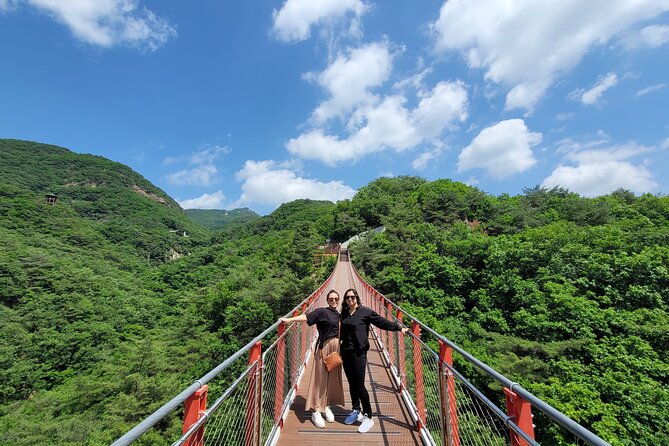
- Gamaksan Chulleong Bridge: short hike, war-site history, mountain views
- Korean BBQ or ginseng chicken soup lunch included with vegetarian option
DMZ Access From Seoul: Private Van, Public Rules
This is a private tour with hotel pickup offered, and you’ll ride in a comfortable air-conditioned vehicle the whole way from Seoul toward the DMZ area. The big practical point is this: you can’t access the DMZ like a regular attraction. You need a registered guide, and the day runs on tight schedules and security procedures.
One pattern that keeps showing up on well-run DMZ days is the handoff to local transport. At the start area near the DMZ, you connect to a DMZ shuttle bus run by the local government side (Paju Gov.). You’ll need to follow directions on the ground. That can sound fussy, but it’s exactly why hiring a guide matters: they help you stay on track without you having to decode signage while you’re tired from travel.
And because it’s private, your guide can adjust timing and keep your group together. That matters when you’re doing multiple locations in one long day and you want a calm rhythm instead of sprinting between crowds.
You can also read our reviews of more private tours in Seoul

Imjingak Pyeonghoa-Nuri Park: The Peace Memorial Starter
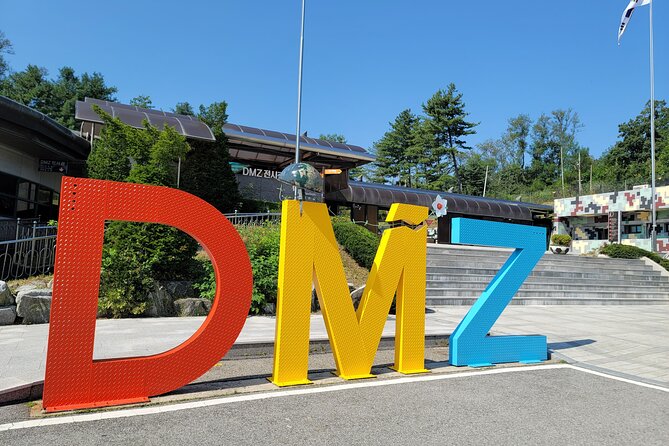
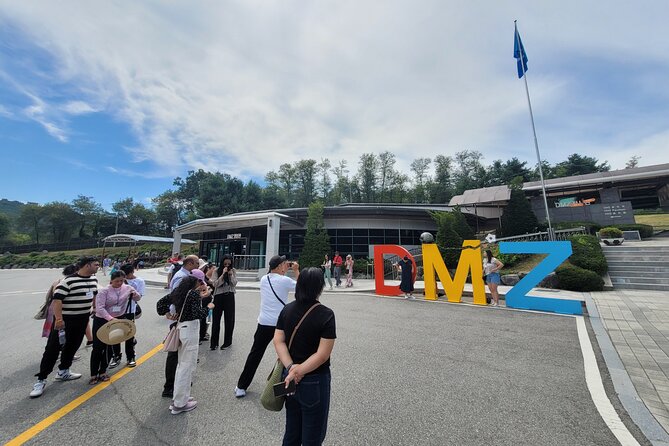
You’ll begin at Imjingak Pyeonghoa-Nuri Park, which functions like a formal launching point for the DMZ portion. Expect about an hour here before the DMZ shuttle bus segment. This is where you’ll get your first emotional context for the Korean War division—especially with installations tied to peace and conflict.
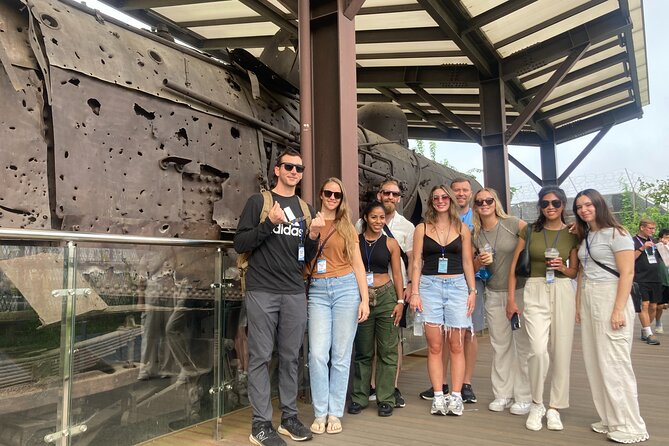
Two highlights mentioned in the tour flow: a peace bell and a derailed locomotive. They’re not just objects. They’re a quick way to understand the atmosphere of the DMZ day: this tour isn’t about trivia; it’s about seeing how history is physically marked in the landscape.
Practical tip: use this stop to get settled, check you have what you need (water, a light layer if it’s chilly), and listen carefully to the guide’s short setup talk. A little prep here makes later parts—especially the tunnel—feel less confusing.
Inside the DMZ: Stopping Where Tension Becomes Real
Once you’re in the DMZ zone, the tour shifts into “you’re really there” mode. The DMZ itself is described as a weapons-free buffer between North and South Korea, created on July 27, 1953. Your time here is guided, with the professional focus staying on why the area looks the way it does and what it means in the bigger story of the peninsula.
You’ll spend about five hours on the DMZ portion. That’s a substantial block, which helps because the day has to work around travel time and security pacing. The guide also helps you interpret what you’re looking at—so you’re not just staring across fences with no context.
Here’s something that makes the private format feel worth it: even when you’re taking a group bus into a specific segment, your guide remains with you and explains what’s happening and what you’re seeing. It’s a “group transport, private guidance” setup that keeps your questions from getting lost.
Also, remember the DMZ is not “just a view.” It’s a working border zone with rules. Staying calm, following instructions, and keeping your schedule are part of doing the day well.
Third Tunnel: The Walk-Through Part (And Why It’s the Highlight)
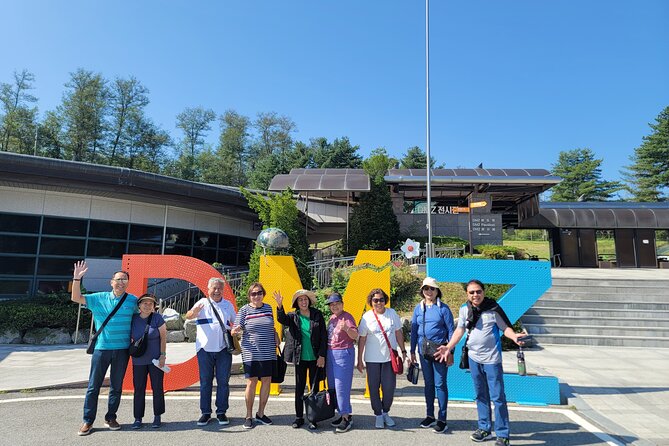
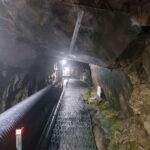
If you want one moment that feels like it belongs only to this tour, it’s the Third Tunnel. This is the tunnel dug by North Korea after the Korean War with the aim of invading South Korea. It’s been found since 1978, and walking through it turns history into something physical.
Your visit here is about an hour, but the experience itself takes longer than that because you’re moving through a constricted space. The tour includes entry, and visitors are provided with safety gear (hard hats).
Two real-world considerations to plan for:
- The walk down and then back up can be tough on knees.
- The tunnel has low ceilings in places; taller visitors may find it more awkward than expected.
The good news: there are benches along the way where you can rest. If you’re not sure how you’ll do physically, tell your guide early. Guides often adjust how people pace inside the tunnel so you’re not forced into a race.
Before you go in, it helps to remember the best strategy is simple: slow down, pause when needed, and keep your attention on the explanations you’re hearing. That’s where the tunnel goes from scary to meaningful.
Dora Observatory: Direct Views of the Border Area
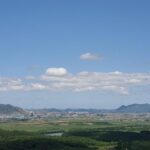
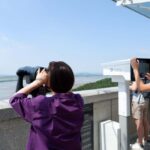
Next comes Dora Observatory, one of the most watched points in the whole DMZ itinerary. This stop is about 30 minutes, and admission is included. You’ll be able to view North Korea in the DMZ tour with your eyes, not just through photos.
The viewing area is described as showing details like a propaganda village, a North Korean flagpole, Gaeseong city, industrial complex, and the DMZ itself from the observation point. Whether you see every labeled feature depends on conditions, but the value is that you’re looking from the border region with context built by your guide.
This is also a moment where your guide’s storytelling helps. If you understand what the structures and zones represent, you don’t just see buildings—you see the logic of separation and persuasion.
Practical move: dress for weather. The observatory stop is short, so you want to be comfortable for quick viewing and any brief seating breaks nearby. If the day is rainy, you’ll still do it, so layer up.
You can also read our reviews of more tours and experiences in Seoul

Gamaksan Chulleong Bridge: War-Site History + a Small Hike
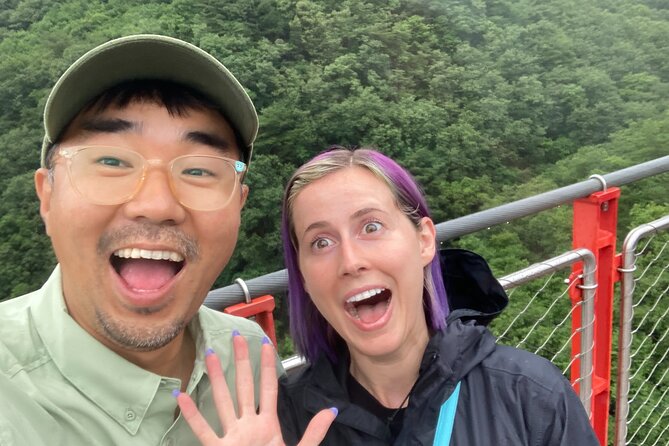
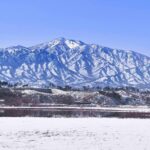
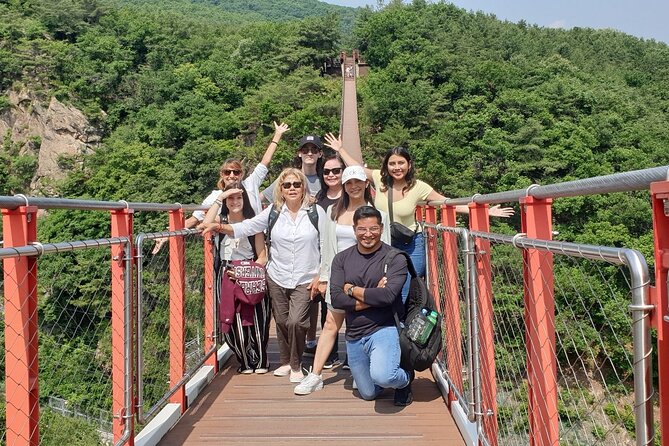
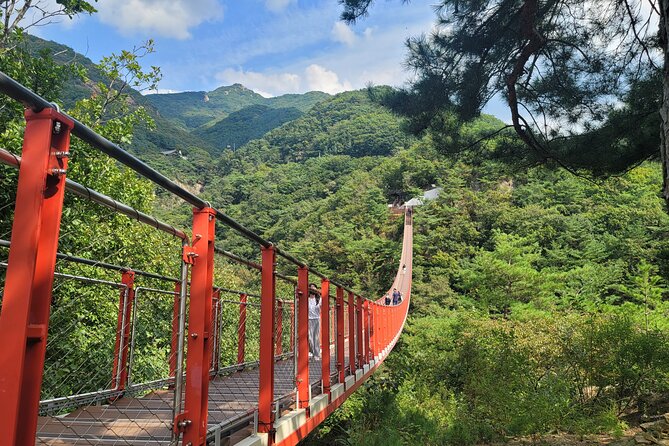
After the DMZ and tunnel-heavy parts, the day adds a contrast: Gamaksan Chulleong Bridge. The tour describes it as a fiercely contested battlefield area from the Korean War, but it’s also known for scenic mountain views.
You’ll spend about an hour here, including a short hike—often described as around 10 minutes on foot—then you reach the bridge viewpoint area. Expect the kind of hike that’s doable, but not “just a walk in a park,” especially if you’re tired from earlier travel and the tunnel.
One very practical detail: if your legs aren’t strong, pace yourself and don’t be shy about slowing down. In past experiences with this kind of route, guides have offered encouragement and stayed patient while people took their time. The view is often the payoff.
The bridge stop can be busy on weekends, so if your schedule allows, you may prefer a weekday departure. That’s not a guarantee, but it’s a smart planning angle for comfort and photo time.
Seoul Add-Ons: Palaces, War Memorial, and Market Time
The day doesn’t end at the border zone. Your itinerary has options that swap in based on what you choose. You might include:
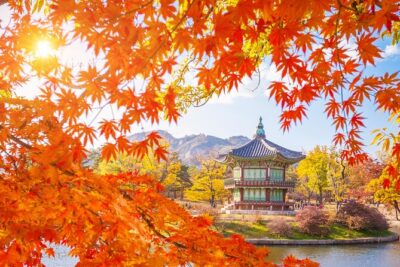
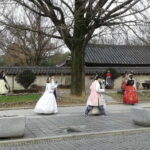
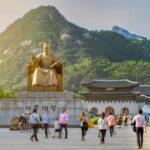
- Gyeongbokgung Palace (built in 1395). Admission is not included for this stop.
- War Memorial of Korea (the Korean War–focused museum). This is listed as admission-free in the tour flow.
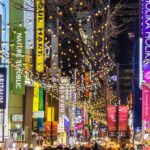
- Kwangjang Market, a historic permanent market and still a lively place for food and shopping (also listed as free in the tour flow).
- Odusan Unification Observatory, positioned on the northernmost ceasefire line of the western front near where the Hangang and Imjingang Rivers meet. Admission is not included for this stop.
The practical value of these choices is that you can match the day to your interests. If you love heritage and architecture, Gyeongbokgung Palace gives you a traditional Seoul contrast after the DMZ day. If you want more museum context, the War Memorial works well. If you want local life and snacks, Kwangjang Market is a great way to end without it feeling like all “heavy” topics.
Because it’s private, your schedule can be flexible. That helps when you’re balancing time, energy, and where traffic is being annoying.
Korean BBQ Lunch and Small Comforts That Matter
Lunch is included, and you get a real choice: Korean BBQ/bulgogi or ginseng chicken soup. If you’re someone who thinks a DMZ tour is all stress and no reward, lunch is your reset button. It’s also a local-food break between intense stops.
There’s also a vegetarian option available—tell the operator when you book so the meal matches your needs. If you’re traveling with anyone with dietary requirements, confirm details early so you’re not negotiating mid-day.
Small comforts matter on long tours like this: you’ll ride in an air-conditioned vehicle, and parking fees are covered. In several guide experiences tied to this itinerary, bottled water has been mentioned as provided—so it’s smart to still bring a small refillable bottle in your day bag, especially if you expect stairs or longer walks.
If you’re thinking about photo time and rest stops, lunchtime is usually your easiest moment to regroup before the final parts of the day.
Timing, Pace, and Why the Guide Makes or Breaks It
This tour runs about 8 to 10 hours (approx.) and typically starts with a hotel pickup around 09:00. That’s a long day, but it’s the price of doing the DMZ properly from Seoul without turning the trip into a frantic checklist.
What I like most about this experience is how much the day depends on guide quality—not just language skills, but the ability to connect dots. In past guide pairings on this type of route, you’ll see patterns like:
- Guides being punctual and good at keeping the group moving on time
- Guides explaining procedures so you know what to do next when you arrive
- Guides helping with photos so you aren’t constantly missing viewpoints while waiting for the right angle
Some guides have even brought extra tools like binoculars for better observing across the line, and they’ve handled mobility concerns with patience—like pacing the bridge hike or encouraging someone through the tunnel walk.
For you, the takeaway is simple: if you tell your guide your interests (Korean War history, everyday life themes, border geography), you’ll get a better day than if you just say yes to everything. Private format means you should steer the story.
Price and Value: Is $250 a Fair Deal?
At $250 per person, this isn’t a budget day trip. But the cost is less about “paying for transport” and more about paying for permissions, a guide, and included access.
Here’s what you’re getting that drives value:
- DMZ entrance is included, which is the hardest part to arrange without the right setup
- A professional English-speaking tour with guiding at the sites
- Lunch is included (bulgogi/Korean BBQ or ginseng chicken soup)
- Air-conditioned private transport plus parking fees
Yes, there are extra entrances depending on which optional Seoul stops you pick. For example, Gyeongbokgung Palace and Odusan Unification Observatory list admissions not included. But some add-ons are free in the tour flow (War Memorial of Korea, Kwangjang Market), so the total spend can stay predictable.
So when does this price feel fair? If you want a DMZ day that’s structured, not improvised, and you care about understanding what you’re seeing. If you’d rather just “get to the fence and take pictures,” you’ll likely feel the cost more sharply than someone who wants context and a guided route.
Should You Book This DMZ + Suspension Bridge Tour?
Book it if you want the DMZ to feel like a real guided education day, not a stressful transport puzzle. The combination of Dora Observatory, the Third Tunnel, and the Gamaksan Chulleong Bridge gives you both the border’s tense story and a more natural, human-scale change of pace with a short hike.
Skip it (or plan carefully) if anyone in your group has trouble with steep or low-ceiling walking. The tunnel is the main challenge, and it’s not just “a little tight.” It’s tight in a way you should respect.
If you’re okay with one big long day and you want your Seoul trip to include an unforgettable, tightly controlled, historically meaningful experience, this is one of the better ways to do it.
FAQ
How long is the tour?
It runs about 8 to 10 hours.
What time does the pickup happen?
Hotel pickup is listed at around 09:00.
Is hotel pickup included?
Pickup offered is included in the tour details.
What lunch is included?
Lunch is included, with options for Korean BBQ (bulgogi) or ginseng chicken soup.
Does the tour include a vegetarian meal?
Yes. A vegetarian option is available if you advise at booking.
What parts of the tour have admission fees included?
The tour includes DMZ entrance fees and admission to stops such as the Dora Observatory. Other locations in Seoul may have separate admission fees depending on which option you choose.
Is this tour private?
Yes. It’s a private tour/activity, and only your group participates.
Will I need to join a bus for part of the DMZ visit?
Yes. You start the DMZ tour from the start area and connect to a DMZ shuttle bus that runs for this politically sensitive area, following directions given on-site.
Is the Third Tunnel difficult to walk through?
It can be. The tunnel walk involves going down and back up, and it has a low ceiling in spots. There are benches to rest, and hard hats are provided.
Do I need tickets for stops besides the DMZ?
You won’t be responsible for DMZ and included admission stops, but admission fees for other locations (like Gyeongbokgung Palace or Odusan Unification Observatory) are listed as not included.