REVIEW · DMZ TOURS
Private DMZ Tour (No Shopping): 3rd Tunnel & Suspension Bridge
Book on Viator →Operated by PLK TRAVEL · Bookable on Viator
The DMZ hits different when it is private. This full-day outing pairs Third Infiltration Tunnel access and Dora Observatory views with Imjingak Park, then finishes with your choice of a suspension bridge. You get an air-conditioned car, pickup from Seoul, and a guide who can explain what you are seeing without racing a big group.
I especially love the way the day is paced for real conversation. Guides like Tiger (often with military experience) and Marie (who has helped many people time the day to reduce crowd stress) make the history feel practical, not like a lecture. I also like that you can swap the late-day stop between Gamaksan Chulleong Bridge and Majang Lake, depending on your energy and what the day’s conditions allow.
One thing to plan for: even with a private booking, you may still need to match the standard timing used to enter certain DMZ areas, and the bridge stop can change with weather. So go in flexible, with smart expectations for photos and schedules.
In This Review
- Key things to know before you go
- Private DMZ tour energy: what you really buy for $198
- How the day runs: ID checks, time windows, and staying flexible
- Imjingak Park first: Bridge of Freedom, Mangbaedan, and the steam locomotive
- The Third Infiltration Tunnel: what you learn before you see it
- Dora Observatory on Mt. Dora: the across-border view, with clear-day reality
- Your bridge choice: Gamaksan Chulleong Bridge or Majang Lake
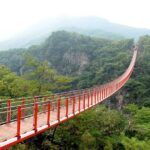
- Gamaksan Chulleong Bridge option: a short hike and long suspension span
- Majang Lake option: battle memory and sacrifice
- What to do if weather changes
- What makes the guides stand out: the human factor you can feel
- Price and logistics: when this DMZ day is worth it
- Who this tour fits best
- Should you book this DMZ Private Tour (Third Tunnel + Dora + a bridge)?
- FAQ
- How long is the DMZ tour?
- Do they pick me up from my hotel in Seoul?
- Is lunch included?
- Is this really private?
- What do I need for check-in?
- What should I wear?
- Which sites are included in this tour?
- Can the itinerary change?
Key things to know before you go
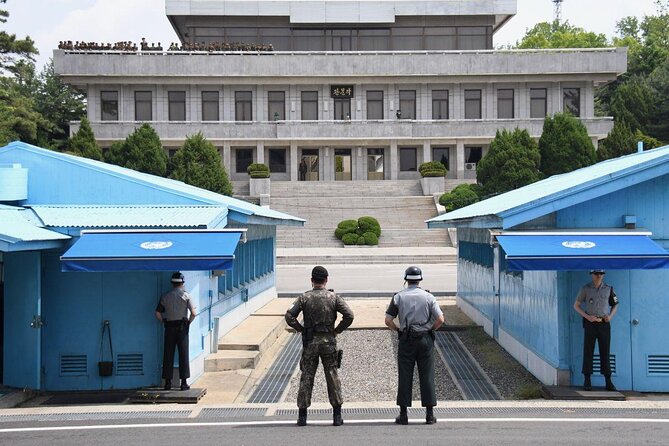
- No-shopping DMZ day: you avoid the usual sales stops and keep the time focused on the border sites.
- Third Tunnel + Dora Observatory: you see both the underground angle and the across-border view angle in one run.
- Imjingak Park first: the memorials set the emotional context before you go into more restricted zones.
- Bridge choice matters: Gamaksan Chulleong Bridge involves a short walk uphill; Majang Lake centers on the Korean War battle story.
- Private attention with a driver-guided flow: you get a guide’s explanation and a car that keeps transitions simple.
- Passport details are mandatory: you will need your passport information at booking and your passport on the day.
Private DMZ tour energy: what you really buy for $198
This is one of those tours where the price makes sense when you compare it to what you would spend on taxis plus the hassle of figuring out where to line up. For $198 per person (with a minimum of two people per booking), you are paying for a smooth, private run from your Seoul hotel and a guide who stays with your group all day.
The big practical win is that the day is not built around forced shopping stops. That matters in the DMZ context, where time is already tight and rules can shift. You want your hours to go toward the sites, the explanations, and the questions that come up while you are standing there.
Also, the vehicle is air-conditioned, which sounds basic until you remember how long a Korean summer day can feel when you are traveling to northern areas. You get to start calm and stay calm.
If you care about details like access rules, what you can and cannot photograph, and how the different sites connect, a private format is a gift. It is easier to follow a guide’s story when you can ask follow-ups and not lose your place in a crowd.
You can also read our reviews of more private tours in Seoul

How the day runs: ID checks, time windows, and staying flexible
Your day is built around a DMZ-access structure, and that means the morning includes a shift from normal Seoul driving to ID checks and controlled entry. Before going into the DMZ area, you’ll spend time looking through key parts of Imjingak Park (Bridge of Freedom, Mangbaedan altar area, and the destroyed steam locomotive).
From there, the day continues to the Third Infiltration Tunnel and Dora Observatory, with the bridge choice later. Total time is usually 8 to 9 hours, so you should treat this as your one big destination day, not something to stack with other plans.
Keep one more thing in mind: conditions can change. The tour notes that schedule and details can shift due to traffic, weather, and even military training schedule changes. In real life, that often means you keep an eye on what the guide suggests as the best plan for that particular day.
And photos: DMZ areas can restrict photography. Even if you want to capture everything, plan to rely on your guide’s narration and your own memory, not just your camera. If photography matters to you, tell your guide early so you can ask what is allowed before you take out your phone.
Imjingak Park first: Bridge of Freedom, Mangbaedan, and the steam locomotive
Imjingak Park is where the emotional story starts. It is not just scenery; it is a deliberate “before you cross any lines” kind of stop. The tour’s early focus makes sense, because it gives you the human context before the underground tunnel and the lookout points.
You’ll see the Bridge of Freedom, an area tied to the idea of separation and the hope of reunification. Next comes the Mangbaedan altar area, where North Korean refugees in the South hold ancestral rites on the two biggest national holidays, honoring parents and grandparents left behind in the North. That detail hits hardest if you slow down and watch for the meaning in the setting, not just the monuments.
Then there is the destroyed steam locomotive from the Korean War. It is a blunt piece of war history, and it works as a reminder that the conflict shaped daily life, transport, families, and decades of policy. For many people, this stop makes the rest of the day feel less like sightseeing and more like understanding why the sites exist.
One small but useful tip: dress smart casual, but comfortable. You will likely spend time walking in a memorial park environment before you shift into more controlled areas.
The Third Infiltration Tunnel: what you learn before you see it
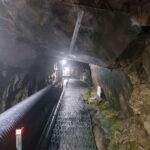
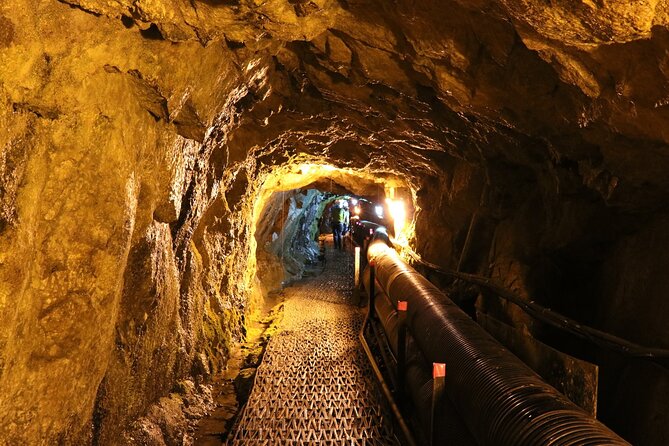
The Third Infiltration Tunnel is the tunnel dug by North Korea southward under the DMZ. It sits about 12 km from Munsan and roughly 52 km from Seoul, which helps you picture the scale: you are not far from the capital in driving terms, but you are stepping into a totally different layer of reality.
It was discovered on October 17, 1978, and that discovery date matters because it anchors the tunnel story in a timeline of investigation and international attention. Standing near the tunnel experience, you start to connect the dots between what was engineered underground and what the border represents above ground.
This stop is timed for about 40 minutes, and that length is right. You get time to follow your guide’s explanation, absorb what you are seeing, and not feel crushed by a too-short visit. Tunnel visits also tend to have a certain physical and sensory intensity, so a controlled duration helps you stay present.
If you are a history person, ask your guide to explain how each site fits with the others you will see later. For example: the tunnel answers the underground “how,” and Dora Observatory answers the above-ground “what you can see from the other side.”
Dora Observatory on Mt. Dora: the across-border view, with clear-day reality
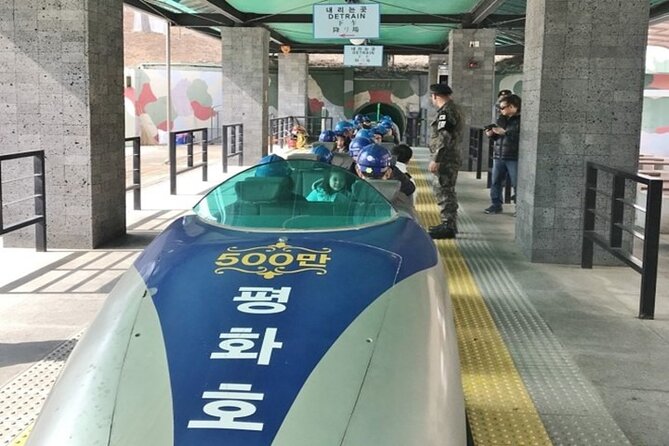
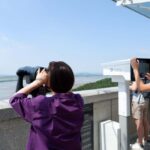
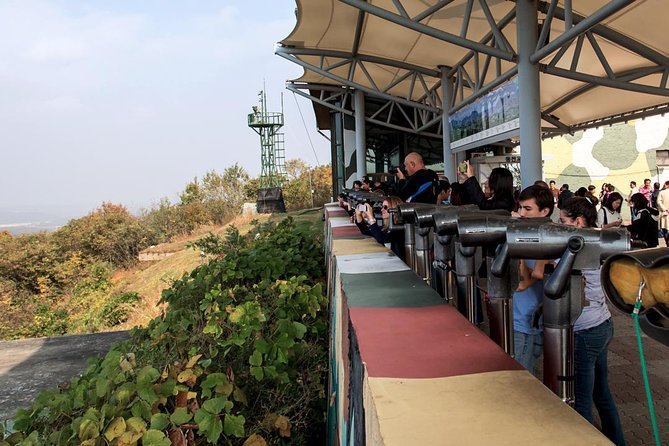
After the tunnel, you shift to a lookout. Dora Observatory, on Mt. Dora, is the northernmost observatory on the west side of the Republic of Korea. It opened in January 1987, and it is designed for controlled viewing of North Korea from the South.
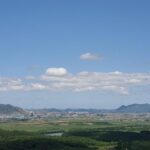
This stop lasts about 20 minutes, so go in ready. On clear days, it can be possible to see parts of the Gaeseong Industrial Complex and Mt. Songak in Gaeseong. Those names help you mentally orient the view, instead of treating it as a vague horizon.
Now the important expectation-setting: observatory time is short and weather matters. The day’s cloud cover and visibility can make the difference between feeling like you saw something specific and feeling like you stared at distance. This is exactly why having a guide helps; they can point out what you are actually looking at and explain why the view is limited.
If your goal is to leave with a clear mental map of the border geography, spend your Dora Observatory minutes asking questions while you still have the guide’s explanations fresh.
You can also read our reviews of more shopping tours in Seoul






Your bridge choice: Gamaksan Chulleong Bridge or Majang Lake
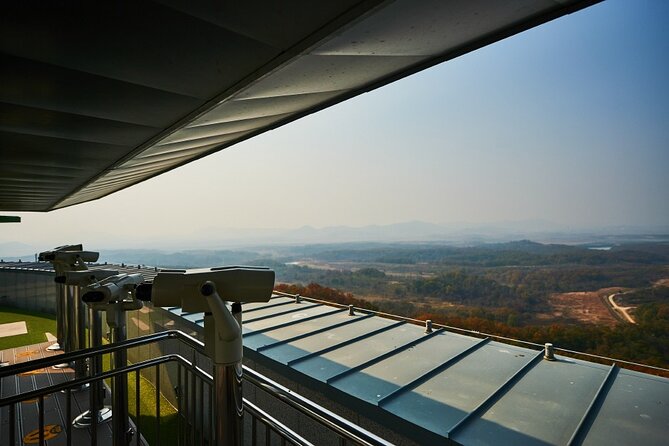
The last major decision point is your bridge option. Both are tied to the Korean War, but they hit from different angles.
Gamaksan Chulleong Bridge option: a short hike and long suspension span
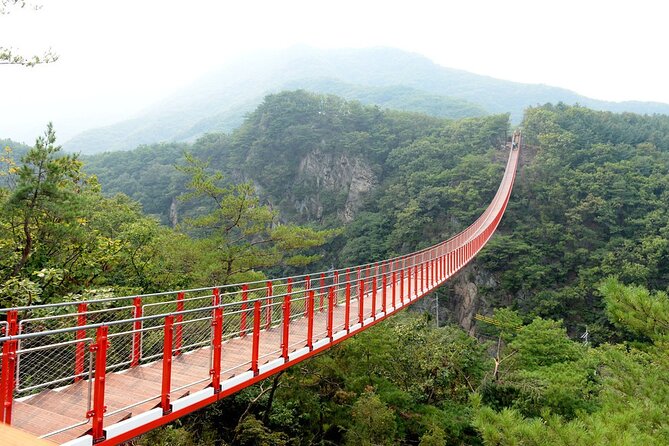
If you choose Gamaksan Chulleong Bridge, you start with a short hiking course. The tour description notes about 15 minutes walking to the up area. Once you’re there, you are looking at one of the longest suspension bridges in Korea, with 150 meters length, and it was used as a fierce battle field during the Korean War.
This option is best when you like a bit of walking and you want the bridge as part of the war story, not just a scenic finish. It also gives you a chance to stretch your legs after earlier sites where you have been in vehicles or on flatter memorial paths.
Majang Lake option: battle memory and sacrifice
If you choose Majang Lake, this stop is timed around 40 minutes. The story focus here is the fierce battle fought by Allied Forces during the Korean War, with many soldiers losing their lives and sacrificing for what they were trying to hold. The tour notes a fierce battle in April 1951.
This option tends to feel more reflective than movement-based. You trade the short hike for time to absorb the meaning of the memorial context near the water and battle grounds.
What to do if weather changes
Either bridge can be affected by weather. The tour notes that schedules and details can change due to weather, and people have experienced the possibility that the suspension bridge portion may not be completed in bad conditions. If you are planning photos or a particular late-day mood, keep your expectations flexible and let your guide steer the plan.
What makes the guides stand out: the human factor you can feel
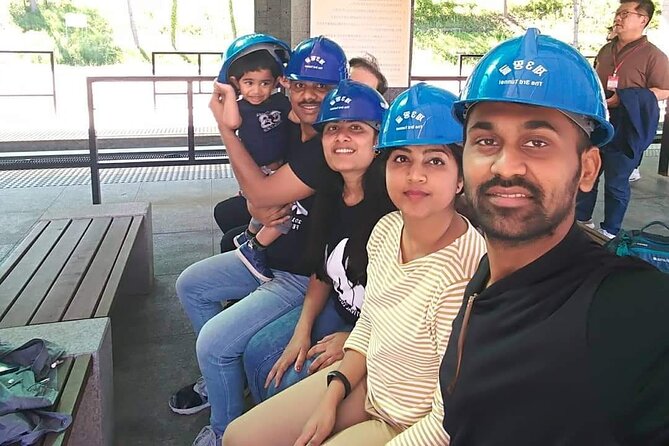
Private DMZ touring lives and dies on interpretation. The sites are restrained, the rules are real, and the distances are hard to understand without a guide connecting the dots.
In this tour format, I like that the guide can bring in personal framing from different angles. Some guides, including Tiger in many cases, have military experience and share first-hand context about patrolling and what it feels like to operate around the DMZ. Other guides, like Marie, have been praised for planning ahead, including timing advice that helps you get through busy windows with fewer delays.
You should expect a mix of history and present-day explanation, tied to what you see in front of you. Marie’s approach, for example, is often described as highly organized, friendly, and able to handle a packed day without rushing your questions. Tiger’s style is frequently described as more story-driven, with added tools like maps/slides and even binocular-style viewing support.
The practical takeaway for you: ask your guide what matters most for your interests. If you care about the tunnel engineering, ask about the underground details. If you care about current realities, ask how Dora Observatory fits into the broader border system. You’ll get more from the day by directing the conversation early.
Price and logistics: when this DMZ day is worth it
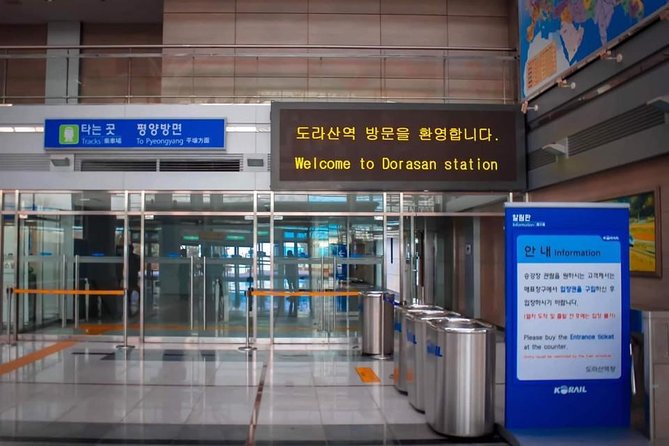
Let’s talk value without pretending it is cheap. At $198 per person, this is not a budget day trip. But you are paying for several things at once:
- Private transportation with pickup and an air-conditioned vehicle
- A professional driving tour guide who stays with you across the full day
- Multiple major DMZ-area stops packed into one itinerary run
- A choice of bridge stop, which helps you tailor the end of the day
If you tried to assemble this yourself, you would still face ID processes, timed access, and the stress of managing each leg. That is time you do not get back, and in DMZ tourism that stress is not worth it.
Two more value notes. First, the tour is built around avoiding shopping stops, so you keep time for the sites that matter. Second, private formats make it easier to ask questions when you are actually looking at the place, which improves your understanding more than extra hours of generic sightseeing.
The main downside on value is lunch. Lunch is not included, so you’ll want a plan for eating during the day. In practice, guides may suggest or time a lunch stop, but you should still assume it is on you to budget time and money for food.
Who this tour fits best
This is a strong match if you want a DMZ day that feels structured but not crowded. You’ll like it if you enjoy historical context and you want a guide who can explain what you’re seeing while you walk through memorial spaces and then move into controlled viewing areas.
It also fits families and couples who want more conversation time and fewer friction points than a standard big-group tour. One reason people book private is to avoid the hassle of aligning with other travelers, and this tour is designed around that idea.
You might want to think twice if you hate walking. Even though the overall day is not described as a long trek, the Gamaksan Chulleong Bridge option includes about 15 minutes walking to the up. The tour also requests a moderate physical fitness level, so be honest with yourself if mobility is limited.
Finally, be flexible with weather. If your heart is set on a specific bridge photo or a clear observatory view, remember that weather and access rules can shape what you get that day.
Should you book this DMZ Private Tour (Third Tunnel + Dora + a bridge)?
I think this tour is worth booking if you want a focused DMZ day with private attention, no shopping stops, and the two headline experiences of the Third Tunnel and Dora Observatory. The Imjingak Park opening acts like a strong “why this matters” primer, and the bridge choice lets you end the day in the tone you prefer.
I would skip or switch to a different option only if you want a completely frictionless plan with no schedule sensitivity. Even private bookings can involve aligning with access timing, and weather can affect the final bridge stop.
If you do book, do two things that improve the odds of a smooth day: come with your passport details ready, and ask your guide what time strategy makes the most sense for crowds and access on that particular morning. With that, you’ll leave with a DMZ day that feels personal, not rushed, and that’s the best kind of value.
FAQ
How long is the DMZ tour?
The tour is typically about 8 to 9 hours.
Do they pick me up from my hotel in Seoul?
Yes. Pickup is offered, and you’ll be traveling by air-conditioned vehicle with private transportation.
Is lunch included?
No. Lunch is not included.
Is this really private?
It’s a private tour/activity, meaning only your group participates. There is also a minimum of 2 people per booking.
What do I need for check-in?
You must provide your passport name, number, expiry, and country at booking, and you need a current valid passport on the day of travel.
What should I wear?
The dress code is smart casual.
Which sites are included in this tour?
You’ll visit Imjingak Park, the Third Infiltration Tunnel, and Dora Observatory, plus one bridge choice: Gamaksan Chulleong Bridge or Majang Lake.
Can the itinerary change?
Yes. The schedule and details can change due to unexpected situations, including military training schedule changes, traffic, and weather.
![[ Full Day ] Nami Island & Petit France From Seoul - Petit France in Korea: French-themed streets, performances, and photos](https://1.visitseoulkorea.com/wp-content/uploads/full-day-nami-island-petit-france-from-seoul-400x267.jpg)