REVIEW · SUWON HWASEONG FORTRESS TOURS
Hwaseong Fortress and Korean Folk Village Tour from Seoul
Book on Viator →Operated by Kim's M&T · Bookable on Viator
Two Joseon stops in one day is a bargain.
This Suwon day trip pairs the UNESCO Hwaseong Fortress—with gates and battlements that actually make you feel the scale of the past—with the Korean Folk Village, where you can watch hands-on crafts and see restored late Joseon homes. I especially like how the day is structured: guided time where it counts, plus an easy afternoon flow through the village’s market and workshops. One possible drawback: if weather turns or the schedule gets tight, you may lose some of the show time, and the pace can feel a bit rushed.
You start early, ride out in a comfortable coach, and come back to Seoul with drop-off at Myeongdong station. The group is kept small (up to 9), and you get a professional English-speaking guide—though guide style can vary from day to day. If you want a slow, wander-at-will day, this may feel like too much packed into 8 hours.
In This Review
- Key things that make this day trip worth your time
- Coach to Suwon: the rhythm of an 8-hour day
- Hwaseong Fortress: UNESCO walls, gates, and the King Jeongjo story
- How to get the most out of the fortress time
- Korean Folk Village: restored houses, real crafts, and Joseon-era routines
- Market lunch and what to expect beyond it
- Crafts and workshops are the heart of the experience
- Performances and seasonal events
- Guide quality and pacing: what to watch for on the day
- Price and value at around $91 per person
- Who this Suwon day trip is best for
- Should you book this Hwaseong Fortress and Korean Folk Village tour?
- FAQ
- How long is the tour?
- What time does the tour start?
- Is hotel pickup included, and where do you get dropped off?
- How many people are in the group?
- Are admission tickets included for Hwaseong Fortress and the Korean Folk Village?
- Is lunch provided?
- What is the cancellation window?
Key things that make this day trip worth your time
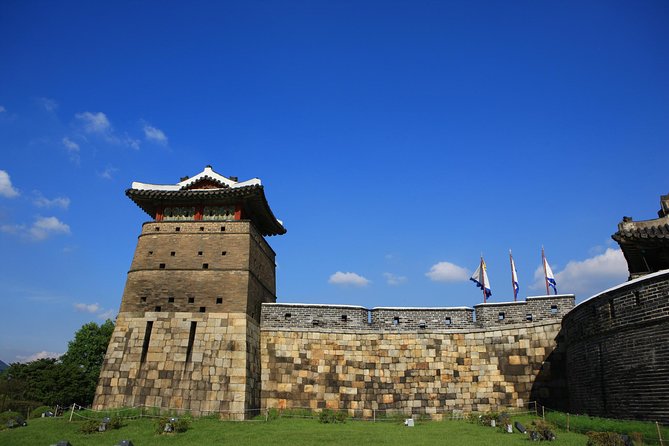
- Hwaseong Fortress highlights: gates, artillery towers, and Joseon-era defensive design
- Restored late Joseon village life: more than 200 traditional houses recreated for visitors
- Craft workshops you can watch: pottery, bamboo wares, paper, brass wares, embroidery, and more
- Seasonal performances: nongak farmer’s music, tightrope acrobatics (jultagi), and other events
- Small-group comfort: maximum 9 travelers with climate-controlled coach transfer
- Included admissions and English guidance at both major stops
Coach to Suwon: the rhythm of an 8-hour day
This is an all-day outing from Seoul, starting around 8:30am and running about 8 hours total. You’ll be picked up from your hotel by coach, then transferred about 19 miles (30 km) to Suwon. Expect a full day with two anchor stops—meaning you should plan to see a lot, not to lounge.
For me, the best part of the format is that it removes the friction. Suwon is close enough to do as a day trip, but far enough that coordinating trains plus taxis plus timing can turn into a second job. Here, you trade autonomy for simplicity: you ride, you get guided time on arrival, then you’re back before you feel cooked.
One practical note: Hwaseong Fortress involves walking on uneven surfaces and climbing up and around the fortification area. You don’t need to be a marathon person, but you do want moderate physical fitness and comfortable shoes.
You can also read our reviews of more tours and experiences in Seoul.

Hwaseong Fortress: UNESCO walls, gates, and the King Jeongjo story
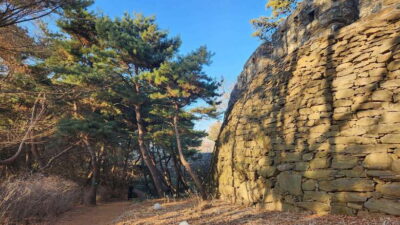
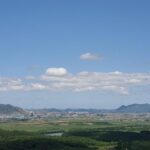
Hwaseong Fortress is the morning payoff. It’s a UNESCO World Cultural Heritage site (designated December 12, 1997) and a major example of late Joseon dynasty architecture. The fortress was constructed 1794 to 1796, and it was built to protect the city, while also tied to King Jeongjo’s vision—particularly his filial piety and the push to develop Suwon as an economic center.
What you’ll feel on-site is scale and purpose. You’re not just looking at stone. Your guide helps you connect the walls and towers to how people lived and how cities were defended. Expect stops at the fortress’s gates and artillery towers, with time spent appreciating how the structure sits on the terrain.
A few helpful context details that make the visit click:
- Suwon was one of the four main regional government centers during the Joseon dynasty.
- The fortress walls stretch 5,700 kilometers (as described), with Paldalsan Mountain at the center.
- The fortress is often used as a backdrop for cultural events, including the Suwon Hwaseong Cultural Festival in fall.
Also, if you’re timing your trip for the calendar, there’s a reason this place is worth a return someday: it’s set up for performances and festivals. That means some days can feel more alive than a plain sightseeing stop—so even if you miss something specific, the overall atmosphere can still be memorable.
How to get the most out of the fortress time
If you want photos, aim to pick a point where the wall line is visible and the surrounding mountain terrain helps show depth. If you want to understand it, slow down where your guide pauses at gates and defensive structures—those are usually the spots that explain the whole system.
And bring a rain layer. One day can go from enjoyable to “why is everything damp” fast, and the plan can shorten when weather gets serious.
Korean Folk Village: restored houses, real crafts, and Joseon-era routines
After the fortress, you head to the Korean Folk Village. This is the kind of place that’s easy to oversimplify as a theme park, but it’s more than that. It recreates traditional life from the late Joseon era using more than 260 traditional houses that were carefully renovated. You’ll walk through areas built to show how people lived—what they owned, how spaces were arranged, and how customs were practiced.
The Korean Folk Village is built around everyday culture. So instead of only big monuments, you get something closer to a time machine you can actually walk through. Your guide will point out folk customs and how the village presents them to visitors, including seasonal events and cultural demonstrations.
Market lunch and what to expect beyond it
You’ll stop at the traditional market area, and the plan centers on a classic Korean lunch: bibimbap (rice with meat and vegetables). The schedule also includes the option to try other foods like Korean rice cakes and traditional liquor, but those would be extra cost.
One tricky detail you should know before you go: the tour description you’re working with says lunch in the day includes a typical Korean meal, but the pricing notes also list lunch as not included. So don’t assume. When you book, confirm what’s actually covered for your departure date. It’s a small thing, but it prevents the awkward moment of realizing you’re paying for lunch after the fact.




Crafts and workshops are the heart of the experience
This is where the day earns its keep. Inside workshop areas, you can see artisans making traditional crafts such as:
- pottery
- baskets and bamboo wares
- paper crafts
- brass wares
- fans
- musical instruments
- embroidery
In plain terms: you’re watching process, not just looking at finished objects. If you like learning how things are made, this section is one of the best parts of the whole trip.
Performances and seasonal events
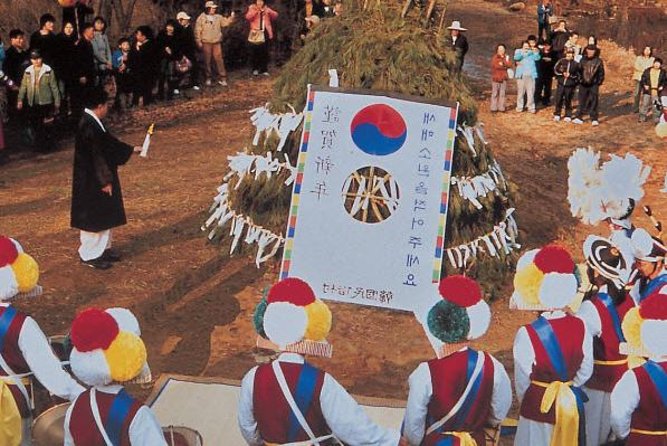
The village offers performances that can include:
- nongak, farmer’s music
- martial arts demonstrations on horseback
- a traditional wedding ceremony
- and other seasonal events
In some months, you may also catch special-themed programming like Welcome to Joseon (held every May). Even if you’re not there for a specific event, the village is organized so there’s usually something happening. Still, keep your expectations flexible: show schedules can change due to conditions, and you might not get every moment if the day runs tight.
Guide quality and pacing: what to watch for on the day
This tour runs with a professional English-speaking guide, and that matters because you’re dealing with two sites where context makes the photos better. When the guide clicks, the day feels smooth and easy to follow.
In particular, one guide named Richard comes up in the better experiences. On one day, Richard was attentive and handled needs well, and his explanations made the fortress feel clear instead of just complicated history on stone. Another highlight from Richard’s approach: he shared practical tips about Seoul—what to eat and where to go next. That’s the kind of bonus that makes a group tour feel less like a bus ride and more like a day with a helpful friend.
That said, guide delivery can vary. On some days, the fortress coverage may feel lighter than you want, or show time may not be prioritized the way you’d prefer. If you care deeply about performance schedules, build in a bit of flexibility and don’t plan to treat any single show as guaranteed.
Also, this format is not built for maximum free time. If you want time to wander and shop without a schedule, you may feel constrained. One of the more common trade-offs in short, guided day trips is exactly that: you’re guided, then you move on.
Price and value at around $91 per person
At about $91 per person, this trip can feel like a solid deal if you compare it to the cost of doing Suwon independently. You’re paying for:
- round-trip coach transportation from Seoul
- professional English guidance
- included admission tickets for both stops
- and a full day’s worth of guided structure
That doesn’t mean it’s automatically best for everyone. If you’re traveling super-budget and you can navigate transit easily, you might do it cheaper on your own. But if you’d rather spend your energy watching and learning instead of planning, this price can make sense—especially because the admissions are already accounted for.
The other value factor is time. You save the mental load of sorting timing between Hwaseong Fortress and the Folk Village, and you avoid the “how do we get back?” anxiety at the end of the day.
So I’d frame it like this: this tour is best when you want guidance and convenience more than maximum independent freedom.
Who this Suwon day trip is best for
This fits well if you:
- want a focused Joseon-era culture day in a limited time window
- like history with tangible architecture (fortresses, gates, towers)
- care about crafts and hands-on demonstrations, not just museum-style viewing
- are comfortable with a full-day schedule and some walking
It may feel less ideal if you:
- want lots of unstructured downtime for shopping or wandering
- need guaranteed show schedules at the Folk Village
- prefer a slow pace with fewer transfers
Should you book this Hwaseong Fortress and Korean Folk Village tour?
I’d book it if your priority is a one-day hit list of Suwon’s biggest cultural anchors with transport and admissions handled for you. The fortress morning gives you architecture and big scale. The Folk Village afternoon gives you what most people remember weeks later: restored homes, craft workshops you can watch, and cultural performances that are often seasonal.
I’d hesitate if you hate tight timing or if you’re very show-focused and you’re traveling during a period when weather or conditions commonly affect programs. Also, before you go, confirm what’s included for lunch so you don’t get surprised.
If you do book: pack comfortable shoes, bring a light rain layer, and show up ready to walk. This tour works best when you treat it like a full-day workshop on Joseon Korea—fortress in the morning, everyday life in the afternoon.
FAQ
How long is the tour?
It runs for about 8 hours.
What time does the tour start?
The start time is 8:30am.
Is hotel pickup included, and where do you get dropped off?
Yes, hotel pickup is included via a coach. You’ll be dropped off at Myeongdong station.
How many people are in the group?
The maximum group size is 9 travelers.
Are admission tickets included for Hwaseong Fortress and the Korean Folk Village?
Yes. Admission tickets are included for both stops.
Is lunch provided?
Bibimbap at the marketplace is mentioned as part of the day. However, the pricing notes also list lunch as not included, so you should confirm what your specific booking includes.
What is the cancellation window?
You can cancel for a full refund up to 24 hours before the experience’s start time.