REVIEW · COOKING CLASSES
Korean Cooking Class in Seoul with a Professional Chef
Book on Viator →Operated by Traveling Spoon · Bookable on Viator
Cooking in someone’s kitchen beats any food tour. You’ll learn Korean staples from your host (Na Young is one guide, and other past hosts include Jessie and Steven), then sit down for the meal you made with soup, kimchi, and a glass of soju. I like the hands-on format where you chop, mix, and cook two dishes from scratch, not just watch. One possible drawback: you’ll need to be comfortable meeting at the address on your own and following home rules like taking off your shoes.
This is the kind of experience that turns Korean food into something you can actually repeat later. The optional Mangwon Market stop adds a practical layer: you see fresh ingredients and snack options, and you learn what to look for in season (about a 10–12 minute walk from the kitchen). If you’re picky about spice or strong flavors, ask about what you’ll cook when you book, since the menu can vary by season and style.
In This Review
- Key Things to Know Before You Go
- A Home Kitchen in Central Seoul (No Shoes, Real Life)
- What You Cook: Bulgogi, Bibimbap, and Friends
- Your Hands-On Timeline: Class, Market (Optional), Then the Meal
- Mangwon Market: What to Look For in Fresh Korean Ingredients
- The Meal Experience: Soup, Kimchi, and Soju at the Table
- Price and Value: Is $122 Worth It?
- Logistics That Actually Matter (Meeting Point, Transit, Timing)
- Food Rules and Comfort Tips (Shoes, Spice, Diet)
- Should You Book This Seoul Cooking Class?
- FAQ
- How long is the Korean cooking class?
- Is this a private class or a group class?
- Where do we meet, and do we need hotel pickup?
- Do we visit Mangwon Market?
- What dishes will we cook?
- What is included with the meal?
- Can you do gluten free, vegetarian, or vegan?
- Do we need to remove shoes at the home?
- What’s the cancellation policy?
Key Things to Know Before You Go
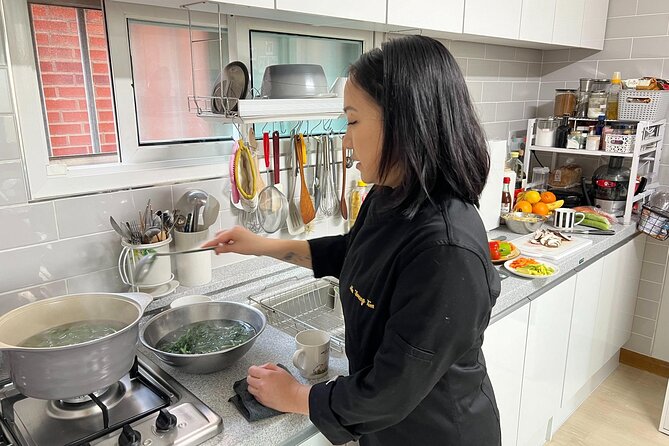
- Home-kitchen teaching: You cook in your host’s kitchen in central Seoul, with a private group only.
- Two dishes, from scratch: You start with ingredients and end with a shared meal you helped make.
- Market add-on: If selected, you get a guided walk through Mangwon Market with samples.
- Shoes-off culture: You’ll remove shoes at the home; indoor sandals are provided.
- Flexible diets (when requested): Gluten free, vegetarian, and vegan options are available if you tell them at booking.
- Small group feel: It’s private, so you can ask questions as you go.
A Home Kitchen in Central Seoul (No Shoes, Real Life)
This class is built around one simple idea: Korean cooking makes more sense when you learn it in a real kitchen. You meet at 247-111 Seogyo-dong in Mapo-gu, and you’ll head straight to your host’s home. There’s no hotel pickup, so you’ll want to plan your route from where you’re staying and give yourself a little buffer.
The shoes-off rule is real, and that matters. In the home, you take off your shoes and wear provided indoor sandals. It’s easy to handle, but it’s also one of those small cultural points that can feel awkward if you aren’t expecting it.
What you’re really buying with a home-based class is context. You’re not only learning recipes; you’re learning how someone organizes ingredients, reads flavor, and keeps the pace of cooking moving. That includes the teaching rhythm—watch a step, then do the next step yourself.
You can also read our reviews of more cooking classes in Seoul
What You Cook: Bulgogi, Bibimbap, and Friends
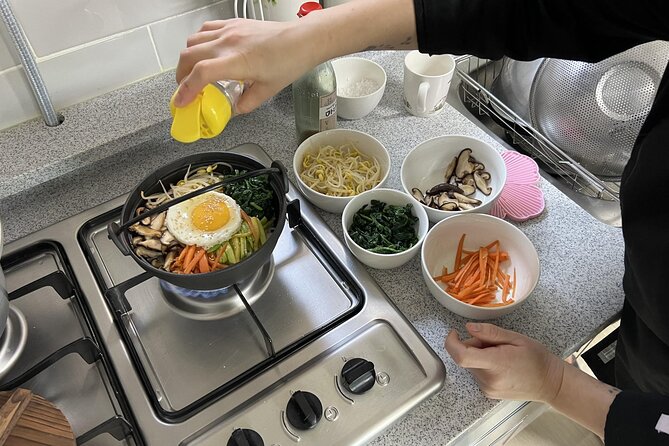
Most days focus on Korean favorites you can name fast: bulgogi and bibimbap. Beyond that, the exact dishes can shift with the season, and your class may include a main dish plus a side dish depending on the day.
Your session starts with about an hour of hands-on cooking. You’ll prepare dishes from scratch, with your host guiding you through ingredients and techniques. This is where the experience earns its top marks: you’re not stuck in the background. You’re chopping, mixing, and stirring—active work, not passive learning.
From the way past hosts teach (Jessie and Steven are both referenced as hosts in past experiences), the best part isn’t fancy tricks. It’s the practical details: how ingredients behave, how to adjust taste, and what matters most for getting the dish to land right. That’s also why the meal at the end tastes better than you expect—your hands already learned the steps.
If you have dietary needs, this is the moment to speak up. The experience offers gluten free, vegetarian, and vegan options, but you have to request them at booking. Menu variations can also affect what’s available, so it helps to be clear early.
Your Hands-On Timeline: Class, Market (Optional), Then the Meal
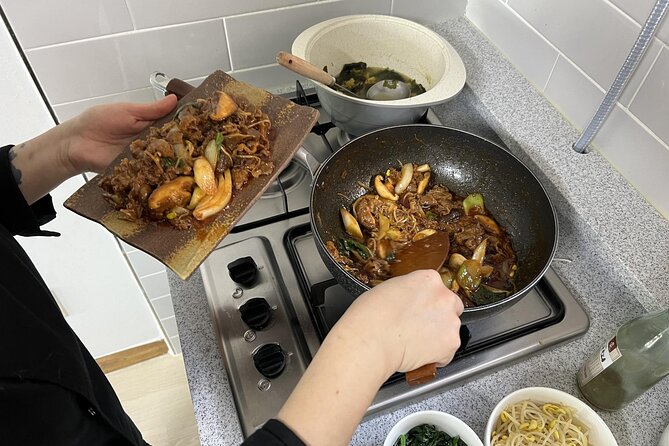
The total experience runs about 3 hours. The flow is straightforward and easy to follow.
First comes the cooking. You begin in your host’s kitchen with roughly one hour of hands-on work. Your host introduces Korean ingredients and cooking styles, then gets you cooking two dishes (often shaped by the day’s menu). You’ll also learn what’s going into the food and why that ingredient matters, not just what order to cook it in.
If you choose the market add-on, you’ll walk to Mangwon Market after (or around) the cooking portion depending on how the host structures the day. Mangwon Market is an indoor market, and the guided walk lasts about 30 minutes. It’s about a 10–12 minute walk from the home, so it’s close enough that you won’t lose the momentum of the day.
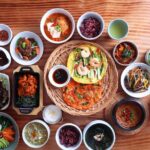
Finally, you eat what you made. You sit down with the meal, and it comes with soup and kimchi, plus a glass of soju. This part is more than a reward. It’s when you connect the flavor you’re eating back to the technique you just practiced.
Mangwon Market: What to Look For in Fresh Korean Ingredients
If you opt for Mangwon Market, you’re getting a useful skill transfer. Instead of only learning recipes, you learn how Korean cooks shop.
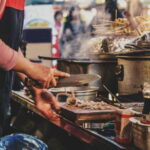
Mangwon Market is described as a spacious indoor market with fresh produce, spicy snacks, and prepared foods. With your host, you’ll walk through stalls for about 30 minutes, learn what’s seasonal, and sample a traditional Korean snack.
The practical value is this: Korean cooking depends on ingredient quality. Seeing produce in person—especially seasonal items—helps you understand why recipes call for specific vegetables, mushrooms, greens, or aromatics. You also pick up a local habit of tasting small items along the way, which is a big part of how markets function.
And because it’s only a short walk away, you avoid the common problem of market tours that feel like a detour. This one stays close to the main event: cooking and eating.
The Meal Experience: Soup, Kimchi, and Soju at the Table
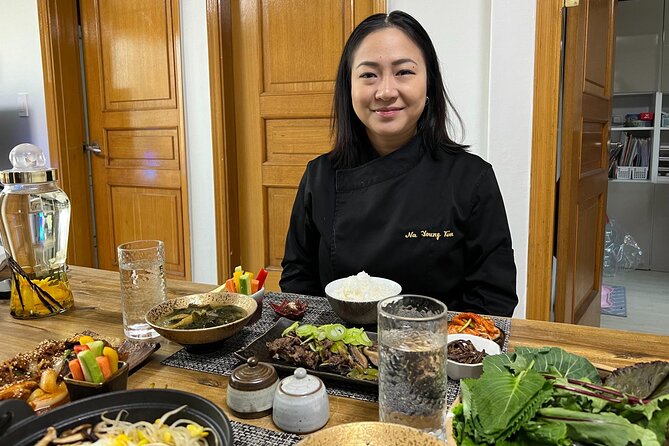
This class ends with a traditional Korean meal you helped prepare. Your table setup includes soup and kimchi, plus the dishes you cooked. A glass of soju is included with the meal.
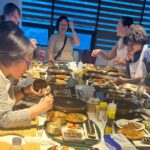
The table portion is also where Korean hospitality shows up in a tangible way. Hosts are teaching while they cook, but the meal is when conversation turns more relaxed. Past experiences highlight this social side: people appreciated the good company and the feeling that the host was truly sharing Korean cooking as part of their everyday life.
Even if you don’t drink much, the soju is an included cultural detail. It’s not the point of the meal; it’s the finishing touch that signals you’re eating like a local would—food first, then a friendly toast.
You can also read our reviews of more tours and experiences in Seoul


Price and Value: Is $122 Worth It?
At $122 per person for about 3 hours, you’re paying for several things at once:
- Private instruction in a home kitchen (not a big group show)
- Professional chef-style guidance through hands-on cooking
- A complete meal you helped make, including kimchi, soup, and a glass of soju
- Optional guided market time (if you select it), including snack sampling
Compared with ticketed food tours that mostly involve tasting, this is more like paying for a skill lesson plus dinner. You leave with more than memories—you leave with knowledge you can use. That’s also why private formats tend to feel worth it here. You get time for questions, and you’re actively cooking, not just observing.
One value check: confirm whether you want the Mangwon Market option. If you care about ingredient shopping and snack culture, adding it can make the whole day feel more connected. If you prefer straight cooking and minimal walking, you can skip the market and still get a full meal experience.
Logistics That Actually Matter (Meeting Point, Transit, Timing)
No hotel pickup is included, so your plan should start with getting yourself to the meeting point at 247-111 Seogyo-dong, Mapo-gu. Since it’s near public transportation, this usually isn’t a big hurdle, but you still want to be on time.
Two practical tips:
- If directions are tricky, use WhatsApp or call your host for help. The experience explicitly notes that Na Young can be contacted that way.
- If you’re late, message first. It helps you avoid stress, especially because you’re heading into a home setting.
At the end, the activity finishes back at the meeting point, so you’re not left stranded across town after you eat.
Also note: it’s a private activity. Only your group participates, which is a big deal for comfort—less waiting, more direct attention, and a better chance to learn the techniques instead of watching through the crowd.
Food Rules and Comfort Tips (Shoes, Spice, Diet)
A few details can make or break your comfort level on a cooking day like this.
Shoes off: You’ll remove shoes before entering your host’s home. Indoor sandals are provided. Wear socks you’re okay with getting a bit warm.
Menu changes by season: What you cook can vary depending on ingredients available. If you have strong dislikes or allergies, speak up before the day if possible, and request your dietary needs at booking.
Dietary options exist, but must be requested: Gluten free, vegetarian, and vegan diets are available. The key is telling the provider at time of booking so the host can plan the menu.
Spice and flavor: Korean food often includes spicy elements, even when the dish isn’t meant to be fiery. If you’re sensitive, ask about what’s in the dishes you’ll make.
Kids: Na Young can host only one child per experience. If you’re traveling with kids, plan around that limit.
Should You Book This Seoul Cooking Class?
Book it if you want more than tasting. You’ll get real instruction, hands-on cooking, and a sit-down meal that follows your work. The private home format is especially good if you like asking questions and want the host to tailor explanations as you cook.
Skip it only if you don’t want any walking or you dislike home-based rules. There’s no hotel pickup, and you’ll handle the shoes-off expectation. Also, because the menu can vary by season, you should be okay with some flexibility if you’re chasing a specific dish.
If your goal is to leave Seoul with skills you can reuse, not just photos, this is a strong choice.
FAQ
How long is the Korean cooking class?
The experience lasts about 3 hours.
Is this a private class or a group class?
It’s private. Only your group will participate.
Where do we meet, and do we need hotel pickup?
You meet at 247-111 Seogyo-dong, Mapo-gu, Seoul. Hotel pickup and drop-off are not included, and the activity ends back at the meeting point.
Do we visit Mangwon Market?
You can include a guided Mangwon Market tour if you select it. The market walk is about 30 minutes, and it’s a 10–12 minute walk from the home.
What dishes will we cook?
You’ll prepare traditional Korean dishes from scratch, such as bulgogi or bibimbap. The exact menu can vary depending on the season and the day.
What is included with the meal?
After cooking, you sit down to enjoy the meal with soup, kimchi, and a glass of soju.
Can you do gluten free, vegetarian, or vegan?
Yes. Gluten free, vegetarian, and vegan diets are available if you advise the provider at the time of booking.
Do we need to remove shoes at the home?
Yes. Taking off your shoes is customary in South Korea, and the host will provide indoor sandals.
What’s the cancellation policy?
The experience is listed as all sales final and non-refundable, but it also states they can offer a 48-hour cancellation instead for added flexibility.