REVIEW · COOKING CLASSES
Seoul: Taste of Korea, Authentic Home Style Cooking Class
Book on GetYourGuide →Operated by Hansik Korean Cooking Class · Bookable on GetYourGuide
Cooking Korean food is easier than you think. In Seoul, this class mixes hands-on instruction with a real small-group kitchen vibe led by Chef Jennifer, so you get personal help instead of watching from the sidelines. You’ll also sit down for a proper home-style meal, with Korean drinks like sikhye and makgeolli that turn “learning” into something you actually look forward to.
My two favorite parts: the step-by-step pace (you’re doing the work, not just tasting), and the way the chef connects each dish to how Koreans cook and eat at home. The one thing to consider is simple: you’ll likely leave very full, so don’t plan a light day afterward—come hungry and save room.
In This Review
- Key takeaways at a glance
- Gyeongbokgung Subway Walk-In: Finding the Kitchen Without Stress
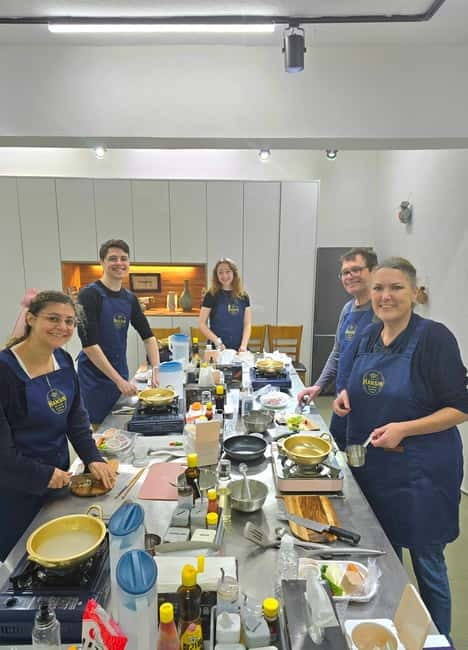
- The Studio Setup: Small Group, Clean Kitchen, Your Own Station
- Start With Snacks and Drinks: Sikhye and Makgeolli Before the Cooking
- The Four-Dish Flow: Gimbap, Tteokbokki, Haemul Pajeon, Budae Jjigae
- Gimbap: The Rice Roll You Can Actually Recreate at Home
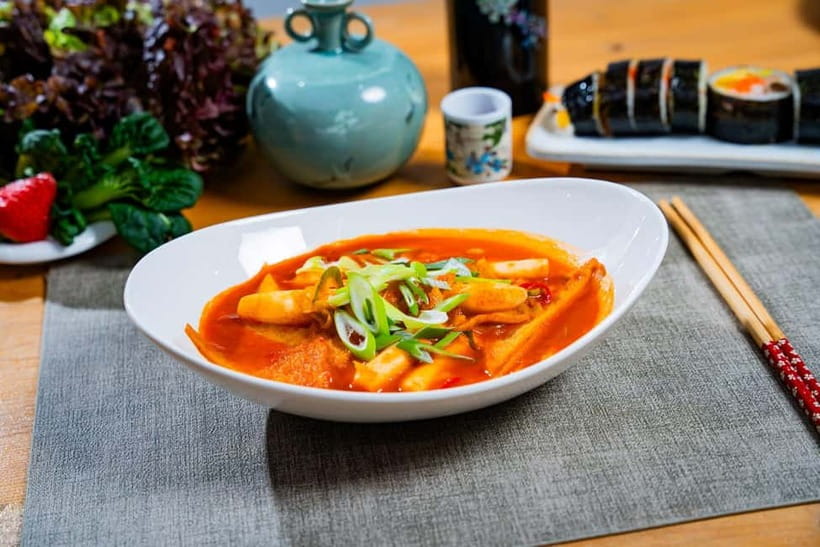
- Tteokbokki: Gochujang Heat With a Sweet-Savory Backbone
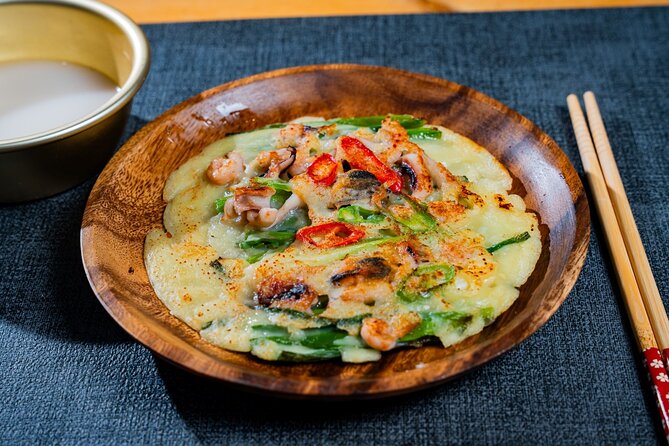
- Haemul Pajeon: Seafood Pancake With the Onion-Crunch Factor
- Budae Jjigae: The Military Stew Everyone Talks About
- How You Eat: Seasonal Banchan, Desserts, and Leftovers to Take Home
- Price and Value at $89 for 3 Hours: What You’re Really Paying For
- Who This Class Suits Best (And Who Should Rethink It)
- Should You Book Hansik Korean Cooking Class in Seoul?
- FAQ
- What dishes will I learn to cook in the class?
- How long is the cooking class?
- Is the class taught in English?
- Is it a small group?
- What drinks and desserts are included?
- Where do I meet for the class?
Key takeaways at a glance
- Four home-style dishes built around Korean comfort food, including budae jjigae and haemul pajeon
- Chef Jennifer’s step-by-step coaching, with individual guidance for most participants
- Prepped ingredients and your own station, which makes cooking feel doable even if you’re not a confident cook
- Drinks, banchan, and Korean desserts—not just “one bite” tasting
- Small groups (up to 10), so you’re not fighting for attention
Gyeongbokgung Subway Walk-In: Finding the Kitchen Without Stress
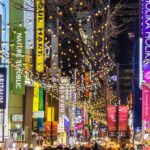
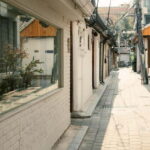
You’ll meet at Gyeongbokgung Subway Station (Orange Line 3, exit 2). From there, it’s about a 5-minute straight walk to Woori Bank, then into a small alley between the bank and just before the K-Pop Store.
This matters because you’re walking in Seoul, and you’ll want your head in the game when the class starts. I’d give yourself a little buffer—nothing kills the cooking mood faster than arriving flustered.
You can also read our reviews of more cooking classes in Seoul
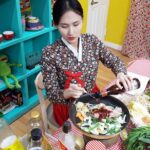
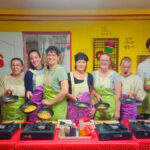
The Studio Setup: Small Group, Clean Kitchen, Your Own Station
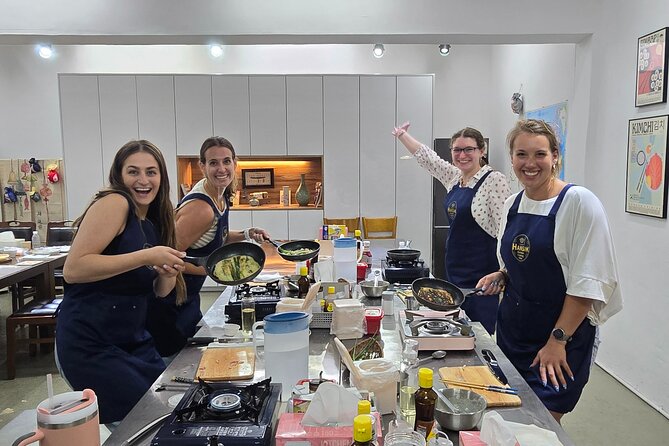
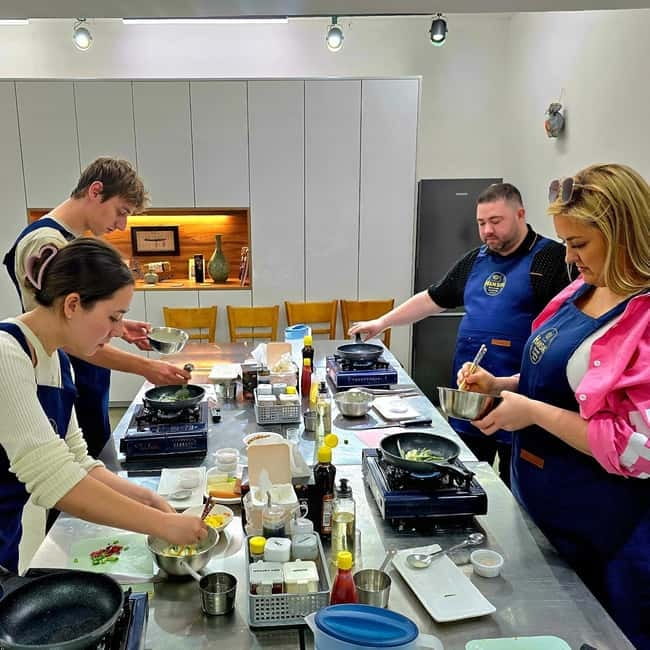
This is built for participation. The group is limited to 10 participants, and you cook at a dedicated station with everything you need—ingredients, equipment, and clear guidance.
What I like about this format is that it naturally supports beginners. Multiple people point out that ingredients are pre-portioned and that the chef breaks steps down in a way that feels “doable,” not intimidating. Even better, the class doesn’t treat you like a spectator; you’ll be actively making food.
There’s also a calm, organized feel in the kitchen. People describe the space as clean and spacious, and you get enough room to work and take photos without knocking elbows.
Start With Snacks and Drinks: Sikhye and Makgeolli Before the Cooking
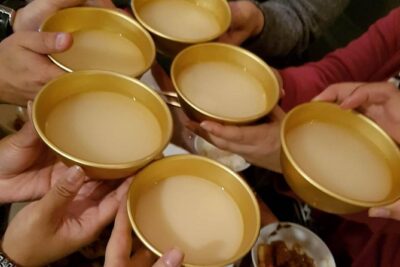
Before you start cooking, you’ll get welcome drinks and snacks, plus tea and coffee. On top of that, the class includes Korean traditional drinks like sikhye (a sweet punch) and makgeolli (Korean rice wine), along with Korean desserts later in the meal.
This opening stage does two things. First, it helps you settle in, especially if you’re coming solo. Second, it gives you a taste of the overall rhythm—Korean meals move from light snacks and drinks to hot dishes and sides, not straight from kitchen to plate in one jump.
The Four-Dish Flow: Gimbap, Tteokbokki, Haemul Pajeon, Budae Jjigae
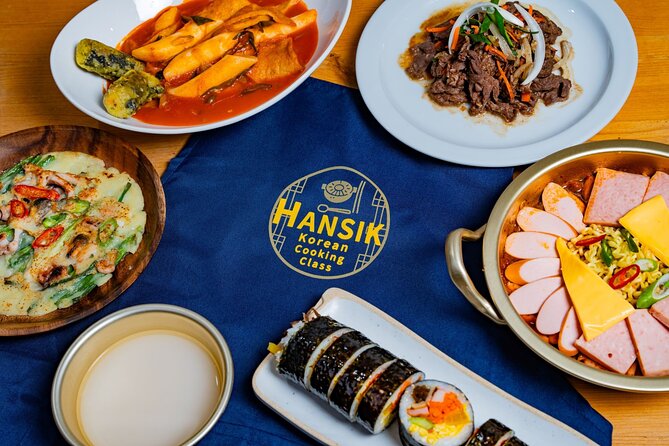
The class centers on Korean home-style cooking (Hansik). Across the session, you’ll work on a set of core dishes, typically including gimbap, tteokbokki, haemul pajeon, and budae jjigae—and you’ll learn techniques as you go.
Most people find the class runs in a smooth cycle:
- the chef demonstrates,
- you cook at your station,
- you sample what you made,
- then you move to the next dish.
Some sessions move quickly with two dishes going at the same time, then you eat what you’ve prepared. If you’re worried you’ll fall behind, don’t be. The consistent theme is patience and clear instructions, plus the fact that ingredients are often already prepped for you.
Gimbap: The Rice Roll You Can Actually Recreate at Home
Gimbap is one of those deceptively simple foods. When it’s done right, it’s clean, flavorful, and portable—and it teaches you how Korean rolls are built.
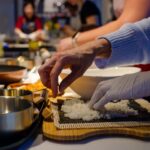
In this class, gimbap is a great “confidence builder.” You’ll get hands-on practice shaping and assembling, not just watching someone roll. It’s also a practical skill for later: gimbap is the kind of dish you can make for friends, pack for picnics, or repeat on a busy weeknight.
You can also read our reviews of more tours and experiences in Seoul

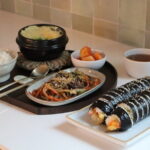
Tteokbokki: Gochujang Heat With a Sweet-Savory Backbone
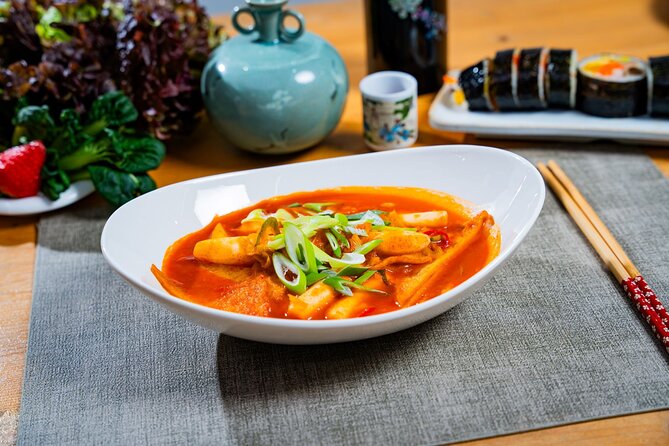
Tteokbokki is the chewy rice cake comfort classic—coated in sauce and built for spoon-to-mouth happiness. Here, you’ll work with rice cake and Korean red chili paste (gochujang) as part of the lesson.
This dish is valuable because it teaches you how Korean flavors balance heat with sweetness. Even if you like mild food, you’ll learn how the sauce behaves as it cooks and thickens.
Haemul Pajeon: Seafood Pancake With the Onion-Crunch Factor
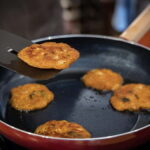
Haemul pajeon is where things get fun. It’s a savory green onion pancake loaded with seafood, and it’s also a great window into Korean cooking technique: batter texture, spreading, and getting those edges right.
What you’ll likely appreciate most is how practical it feels. People describe the guidance as clear and supportive, and you’re not left guessing how to handle the batter. Once you’ve made it once, you’ll understand why it’s such a go-to Korean “gather around the table” food.
Budae Jjigae: The Military Stew Everyone Talks About
Budae jjigae, often called Korean military stew, is hearty and bold—built from a mix of ingredients in a hot, flavorful broth. This is one of the standout dishes in the class lineup.
A key thing to know: this stew can be intensely flavored and filling. Some participants mention the presence of processed ingredients like spam-style components, so it’s worth keeping in mind if your food goals are very specific. If you’re sensitive to certain ingredients, tell the chef ahead of time and ask what’s possible.
The value of learning budae jjigae is that it’s a “wow” dish you can repeat. It’s not delicate. It’s not fussy. It’s comfort food with structure, and once you understand the ingredients and timing, you’ll be able to cook it again with confidence.
How You Eat: Seasonal Banchan, Desserts, and Leftovers to Take Home
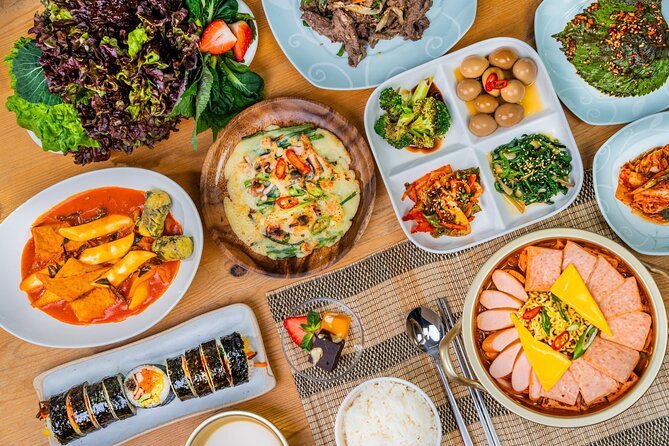
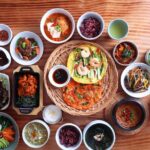
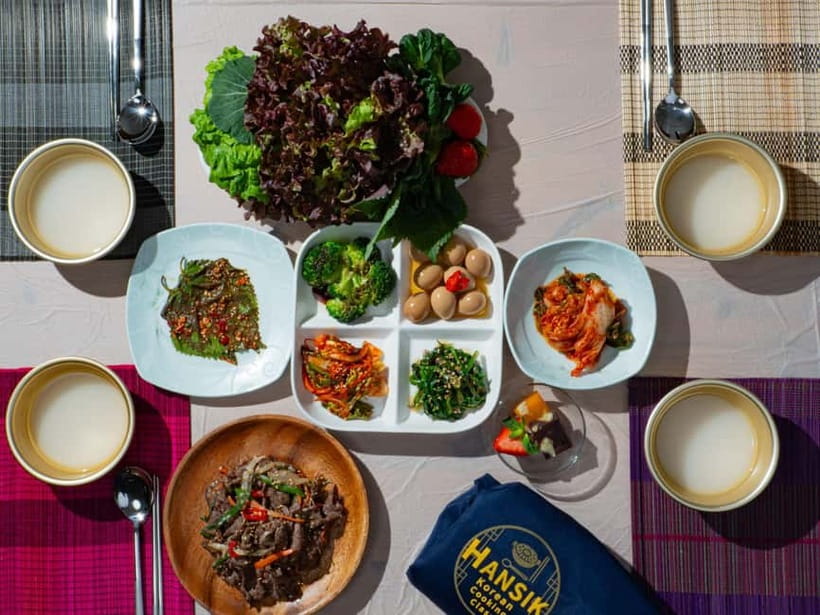
This isn’t a “snack and photos” class. You’ll enjoy a full-course meal with seasonal banchan (side dishes), plus Korean desserts.
That matters because banchan is where Korean meals really show their personality. Even a simple main dish gets better with small sides—crunch, pickles, savory bites, and cooling flavors that help you keep tasting.
You may also get the option to take leftovers home. Many people mention being given bags for extra food, and one person specifically notes that it would have been nicer to have better storage for soup-style portions. If you think you’ll take budae jjigae home, consider bringing your own small container so you’re not stuck with a last-minute solution.
Price and Value at $89 for 3 Hours: What You’re Really Paying For
At $89 per person for 3 hours, the cost makes sense when you look at what’s included. You’re not just buying a recipe card and a quick taste. You’re getting:
- all ingredients and equipment
- a full-course meal with sides
- drinks like sikhye and makgeolli
- snacks, tea/coffee, and Korean desserts
- recipes emailed after the class
The big value driver here is the teaching style plus the food volume. When ingredients are prepped and the chef guides you step-by-step, you spend your time learning technique instead of struggling with basics. And when you factor in the meal and drinks, you’re paying for a whole experience—not an expensive “cook show.”
Who This Class Suits Best (And Who Should Rethink It)
This is a strong match for:
- food lovers who want to learn techniques they can repeat
- beginners (people explicitly say it’s easy to follow)
- solo travelers who want conversation without awkward group dynamics
- families—one account notes kids around 11–13 were able to cook and enjoy it
It can also work well for certain dietary needs. One participant reports a vegetarian substitute was provided, and another mentions a dietary requirement was catered for so they didn’t feel they missed out.
The main reason to reconsider is timing and expectations. If you want a quick cultural stop with tiny bites, 3 hours with a full meal might feel like too much.
Should You Book Hansik Korean Cooking Class in Seoul?
Book it if you want hands-on cooking plus a real sit-down meal in a small group. The combination of step-by-step guidance, cooking at your station, and a menu that includes big comfort-food favorites (especially haemul pajeon and budae jjigae) makes this the kind of activity that pays off later when you cook at home.
Don’t book it if you’re only looking for a light taste or you hate the idea of leaving stuffed. If you have dietary limits, email ahead and ask what substitutions are possible—feedback suggests they handle needs fairly well.
FAQ
What dishes will I learn to cook in the class?
The class focuses on Korean home-style dishes including gimbap, tteokbokki, haemul pajeon, and budae jjigae.
How long is the cooking class?
The experience lasts 3 hours.
Is the class taught in English?
Yes. The instructor provides instruction in English.
Is it a small group?
Yes. The group is limited to 10 participants.
What drinks and desserts are included?
You’ll have sikhye and makgeolli, plus tea and coffee, Korean snacks, and Korean desserts.
Where do I meet for the class?
Meet at Gyeongbokgung Subway Station (Orange Line 3, exit 2). Walk about 5 minutes to Woori Bank, then continue into the small alley between the bank and just before the K-Pop Store.