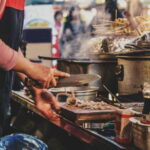
Korean food tastes different when you make it. This beginner class in Seoul’s Bukchon area pairs a real cooking school setup with the flavors (and small culture stories) behind Korean dishes. You’ll cook, eat what you make, and leave with a much clearer idea of how Korean home cooking works.
I love the modern, air-conditioned kitchen and the fact that all ingredients and equipment are included, so you can focus on cooking instead of logistics. I also like the teaching style, which uses professional chefs trained internationally and in Korea, with clear English guidance throughout.
One thing to plan around: the studio can be hard to find, and it’s described as being on a third floor with no elevator. If stairs aren’t your thing, wear grippy shoes and give yourself a little extra time.
In This Review
- Key Points to Know Before You Go
- Bukchon Address: Finding O’ngo Food Communications Without Stress
- The Morning Rhythm: Market Look, Safety Basics, Then Real Cooking
- What You’ll Cook: Classic Korean Dishes Built for Beginners
- A Modern Kitchen and Included Everything: The Real Value of $87
- The Chefs: English Clarity, Hands-On Help, and Flavor Stories
- Lunch at the End: Your Food, Your Adjustments, One Good Meal
- Who This Is Best For in Seoul (and When to Skip)
- Should You Book This Korean Cooking Class in Bukchon?
- FAQ
- What’s included in the beginner Korean cooking class?
- How long is the experience?
- Where do I meet, and what’s the start time?
- Is hotel pickup included?
- What should I know about age limits?
- How big is the group?
- Is there free cancellation?
Key Points to Know Before You Go
- Bukchon location near the hanok area: you’re cooking in a traditional neighborhood setting, with a modern class room inside.
- Hands-on from the start: you chop, mix, and cook at your own workstation, not just watch.
- English-speaking professional chefs: instruction is paced for beginners, and helpers float around to fix problems early.
- Lunch included with a drink: you sit down with your group and eat the dishes you made.
- Small-group feel: the class can run with fewer people, which means more personal coaching.
- Upstairs location: plan for steps at the meeting point.
Bukchon Address: Finding O’ngo Food Communications Without Stress
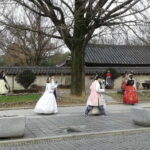
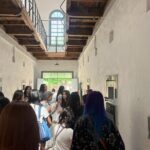
This class starts at O’ngo Food Communications, 137-11 Bukchon-ro, in Jongno District. It’s in the Bukchon area, close to the historic hanok neighborhood—so your pre-cooking walk is part of the vibe. You won’t need a car. The meeting point is near public transportation, which is a big plus in Seoul.
Do yourself a favor and arrive early. The guidance is to show up about 10 minutes before the class time (10:30 am), because if you’re late, you can miss parts of the program. Many people also recommend arriving closer to 30 minutes early if you want time for an ingredient and local market look in the area before you start cooking.
Practical note: this is on the third floor and there’s no elevator. I’d treat it like a mini workout. Bring water, take it slow up the stairs, and you’ll be fine.
Also, there’s no hotel pickup or drop-off. You’ll want to build this into your day like any other Seoul appointment: get there on time, then let the class take over.
You can also read our reviews of more cooking classes in Seoul
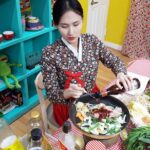
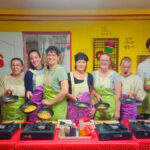
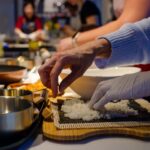
The Morning Rhythm: Market Look, Safety Basics, Then Real Cooking
The class follows a beginner-friendly flow. First, you’ll get introduced to Korean cooking basics and how the flavors are built. You also get tips on choosing ingredients—useful because Korean cuisine isn’t just about spice. It’s about balance: saltiness, sweetness, aroma, and texture all working together.
Before cooking, there are a few safety instructions. Even if you’ve cooked at home, this matters in a shared kitchen. One review highlights cleanliness and cross-contamination awareness, which is exactly the kind of detail you want to see when you’re working with lots of fresh ingredients.
Then you move into the hands-on portion. This is where the experience clicks: you’re not stuck doing only prepped food, and you’re not stuck doing only one tiny task. The class design is step-by-step, with chefs guiding you while you do the cutting, mixing, and cooking yourself.
A recurring theme from past classes: you’ll likely get a chance to do more than one dish component. For example, people describe chopping and assembling multiple parts, and getting help quickly when something is going off-script.
And yes, there’s also a meal at the end. You sit down and eat what you made, with rice and one beverage included.
What You’ll Cook: Classic Korean Dishes Built for Beginners
The exact menu can vary by session, but the beginner classes are designed around popular Korean favorites that teach core techniques. Across the cooking experiences offered here, the commonly mentioned dishes include:
- Japchae (often taught as a beginner-friendly recipe)
- Chicken stew
- Bibimbap (described as a highlight)
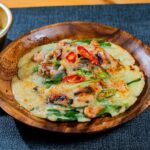
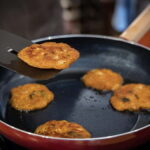
- Kimchi and kimchi-related dishes like a kimchi pancake
- Bulgogi (including a version many people find easy to follow)
- Soup as part of a starter set
In the class structure, you learn a few specialties, then you cook them yourself at your workstation. You get to adjust spices during the cooking and tasting stage, so you’re not stuck with a single flavor outcome. That’s a big win if you like your food mild or if you want a stronger punch of seasoning.
Even if you only know Korean food from restaurants, this is the kind of cooking class where the dish becomes more understandable. Reviews mention ingredients with explained purpose, not just instructions like add this and stir until done.
This also helps if you’re cooking at home later, because you start thinking in techniques: how to build sauce flavor, how vegetables should be treated, and how seasoning changes the final taste.
A Modern Kitchen and Included Everything: The Real Value of $87
At $87 per person for about 2 hours, it’s not the cheapest thing on a Seoul food list. But it’s also not trying to be. This is one of those experiences where you pay for structure: professional chefs, a proper cooking school setup, and all the ingredients and equipment provided.
Here’s what you’re really getting for the money:
- All ingredients and equipment: no shopping for odd pantry items before class
- A fully air-conditioned modern kitchen: cooking is more comfortable, especially if you’re visiting in hot or humid weather
- Lunch included, plus one beverage: so you’re not adding another meal cost right after
- Professional English-speaking chefs: the guidance reduces guesswork, especially for beginners
- A cap on group size: up to 22 travelers, which usually keeps things from feeling chaotic
And when the group is smaller, the experience tends to feel even better. Several people describe cozy classrooms and personal attention when only a few students show up.
One practical perk: because you eat the meal at the end, you can taste-test what you made while it’s still fresh. That’s hard to do in a typical cooking workshop where you take food home and hope it tastes the same later.
If you like Seoul food but want a skill you can repeat, this price starts to make sense fast.
The Chefs: English Clarity, Hands-On Help, and Flavor Stories
What makes this class work is the teaching style. The chefs are professional and speak English well, and they pace the class so beginners can actually keep up. Some instructors mentioned in feedback include Ran and Yibben, both described as patient and helpful.
In a lot of cooking classes, the hardest part is knowing what went wrong before the dish is ruined. Here, you get coaching at the moments that matter: when you’re chopping, mixing, or cooking. Helpers tend to float around and correct mistakes early, before it becomes a problem.
You also get context. One review notes explanations that include ingredient history and purpose in Korean cooking. Even when you don’t catch every detail, those little flavor stories change how you taste and season.
If you’re cooking with a food allergy, this is a class worth considering. There’s at least one example of a chef helping adjust food due to a stated allergy. Still, since each class menu can vary, you should alert the staff about dietary needs as early as possible when you book.





Lunch at the End: Your Food, Your Adjustments, One Good Meal
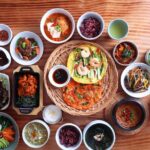
After cooking, you sit down together for lunch. The meal includes the dishes you prepared, with rice and one beverage.
What you should expect is the chance to eat without waiting. That’s not just convenient—it helps you learn. You can compare how the dish should taste versus how it tastes in your hands, then mentally map what seasoning adjustments would fix it next time.
Reviews point out that you can adjust spices to your preference. That’s a rare feature in some classes, where students follow a recipe and then just hope it matches their palate.
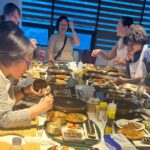
This is also a social part of the experience. You’ll talk with other students as you eat. If you’re traveling solo, this is a simple way to connect without forcing a group activity. People describe chatting after cooking like it’s part of the fun.
Who This Is Best For in Seoul (and When to Skip)
This cooking class is a strong pick if:
- You’re a beginner and want step-by-step instruction
- You want a hands-on Seoul experience tied to Korean food culture
- You’ll enjoy learning flavors, not just following steps
- You like eating what you cook while it’s hot and fresh
It’s also a good fit for couples. The class vibe is frequently described as friendly and relaxed, with a small-group feel in many cases.
It may be less ideal if:
- You have mobility limits due to the third-floor, no-elevator location
- You’re looking for a long, multi-stop tour of Seoul. This is mainly about cooking plus lunch, not a full-day sightseeing program
- You want private instruction. Group size is limited, but it’s still a shared class
Kids: there’s a minimum age requirement of 11 for participation in the cooking class. Younger children may be welcome, but they may not participate in the class portion.
Should You Book This Korean Cooking Class in Bukchon?
If you want a beginner-friendly Korean cooking experience with real coaching, this is one of the smarter buys you can make in Seoul. The combo of modern kitchen setup, English-speaking chefs, and included lunch means you’re paying for a complete, low-stress format—not just a recipe handout.
I’d book it if you’re excited by dishes like japchae, bibimbap, kimchi, or bulgogi, and you want to understand what makes them taste right. I’d double-check your comfort with stairs and the meeting point timing, especially if you’re arriving from another area.
If you’re short on time in Seoul but still want something memorable that isn’t just another meal out, this class hits a sweet spot. You’ll leave with food skills you can actually use.
FAQ
What’s included in the beginner Korean cooking class?
The class includes the beginner cooking session, all ingredients and equipment, a fully air-conditioned modern kitchen, lunch, and one beverage.
How long is the experience?
It runs for about 2 hours.
Where do I meet, and what’s the start time?
You meet at O’ngo Food Communications at 137-11 Bukchon-ro, Jongno District, Seoul. Start time is 10:30 am.
Is hotel pickup included?
No. Hotel pickup and drop-off are not included.
What should I know about age limits?
The minimum age required to participate in the cooking class is 11. Children younger than 11 are welcome, but they may not participate in the class.
How big is the group?
The class has a maximum of 22 travelers.
Is there free cancellation?
Yes. You can cancel up to 24 hours in advance for a full refund. If you cancel less than 24 hours before the start time, the payment is not refunded.