REVIEW · COOKING CLASSES
Seoul: Korean Cooking at Seoul Cooking Club!
Book on GetYourGuide →Operated by Seoul Cooking Club · Bookable on GetYourGuide
Cook Korean food in central Seoul. Seoul Cooking Club is a 150-minute, hands-on class in Jongno where you learn real techniques for Korean staples, not just watch a demo. I especially like the step-by-step English instruction (names you’ll hear praised include Sally, Olivia, Elly, and Grace) and the fact that you’re not leaving after one bite; you get a full meal plus lots of tasting. One heads-up: it’s active cooking time, so wear closed-toe shoes and expect to stand, chop, and pan-fry.
The class centers on Jeon (small Korean pancakes), then moves into bigger builds like Japchae and Bulgogi, and finishes with a bibimbap-style meal and dessert. It’s a very practical way to take home flavor skills you can actually repeat, especially if you care about understanding how sauces and seasoning work.
If you want pure sightseeing with no kitchen work, this may feel like too much. If you come hungry and ready to cook, it’s a great use of an afternoon or early evening.
In This Review
- Key Things I’d Plan Around
- How the Seoul Cooking Club Setup Makes Cooking Feel Manageable
- Getting There Fast: Jongno Directions and What to Expect on Arrival
- The 150-Minute Flow: What You’ll Cook, Taste, and Build
- Starters: Jeon Pancakes with Different Fillings
- Main Dishes: Japchae, Bulgogi, and a Bibimbap-Style Meal
- Banchan Tastings: The Side-Dish Culture Lesson
- Jeon Pancakes: The Best Starter for Beginners
- Japchae and Bulgogi: Two Meals That Teach Sauce and Timing
- Japchae
- Bulgogi
- Jeonju Bibimbap and Banchan: Building a Plate Like a Seoul Cook
- Dessert and Drinks: The Sweet Finale Plus Familiar Korean Sips
- Value Check: Is $109 Worth It for a 150-Minute Class?
- Who Should Book This Class (and Who Might Pass)
- Small Planning Tips That Make the Class Smoother
- Should You Book Seoul Cooking Club?
- FAQ
- How long is the Seoul Cooking Club class?
- What does the class cost?
- Where do I meet for the cooking class?
- Is the instruction offered in English?
- What dishes are included in the class?
- What drinks and dessert are included?
- What is included in the price?
- Is hotel pickup and drop-off included?
Key Things I’d Plan Around
- Jongno location by Jonggak Station: Easy to reach, and you can roll right into nearby Insadong and Gwangjang Market afterward.
- Multiple Jeon you’ll actually make: Small pancakes with different fillings teach texture fast.
- A full plate culture lesson: Jeonju-style bibimbap plus a side lineup (banchan) gives you the full rhythm of a Korean meal.
- English instruction that stays patient: Many people note clear explanations and lots of help at each station.
- Dessert and Korean drinks included: Expect a sweet finish like Bing-su, plus Sikhye and Korean tea options.
- Take-home support is common: You’ll often get a recipe book and containers/bag to bring leftovers.
How the Seoul Cooking Club Setup Makes Cooking Feel Manageable
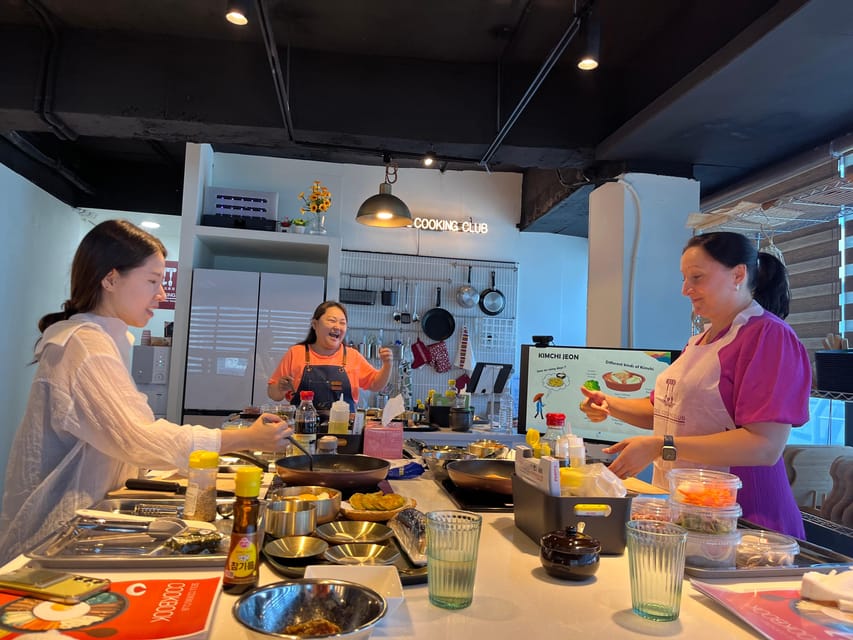
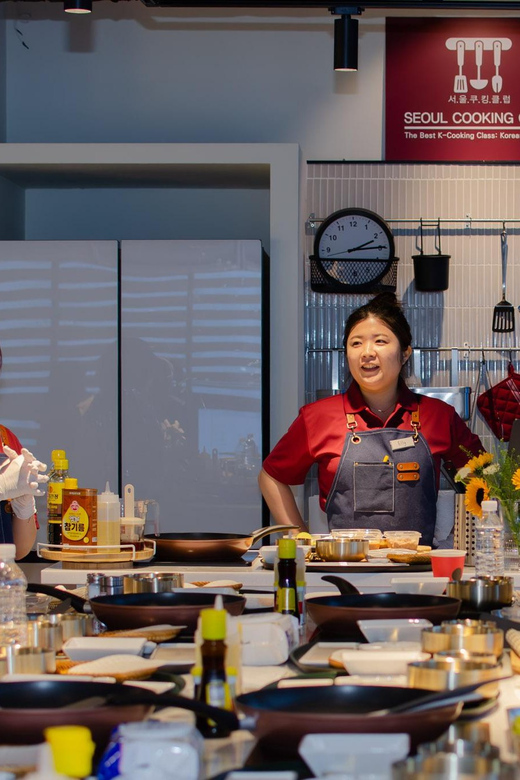
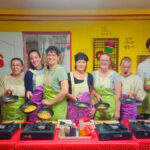
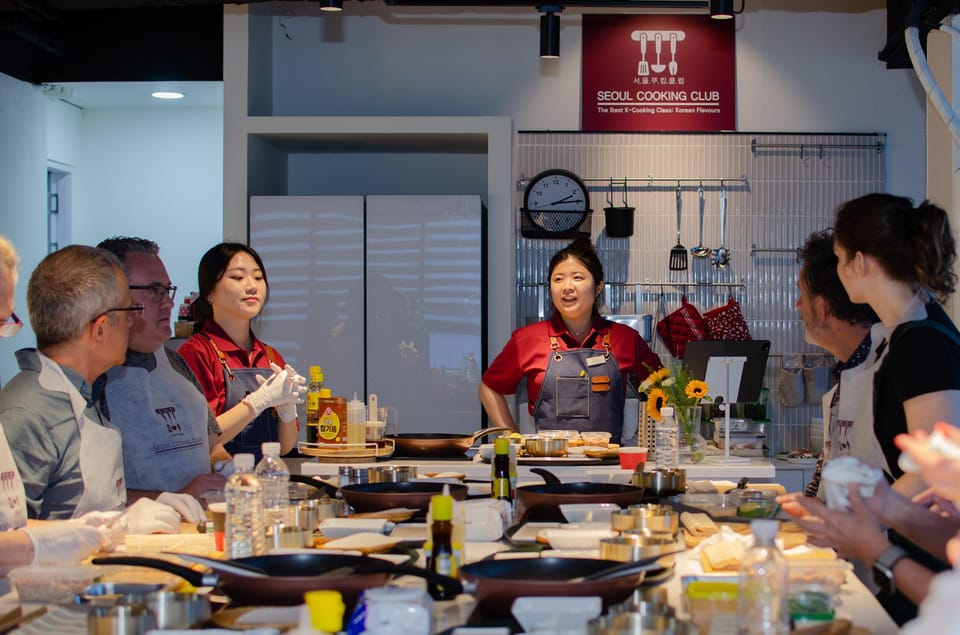
The biggest reason this class works is pacing. At 150 minutes, you’re cooking often enough to feel like you learned something, but the prep and workflow keep the stations moving. Multiple instructors are praised for patient, step-by-step guidance, which matters because Korean cooking can look complex when you first see the ingredient stacks and sauce combos.
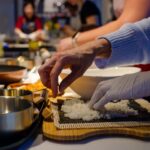
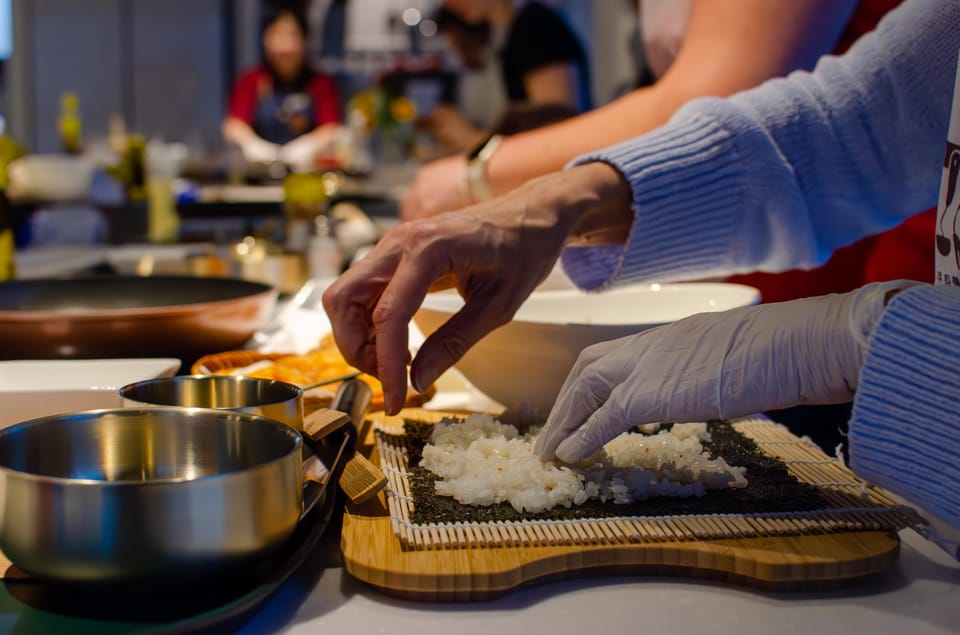
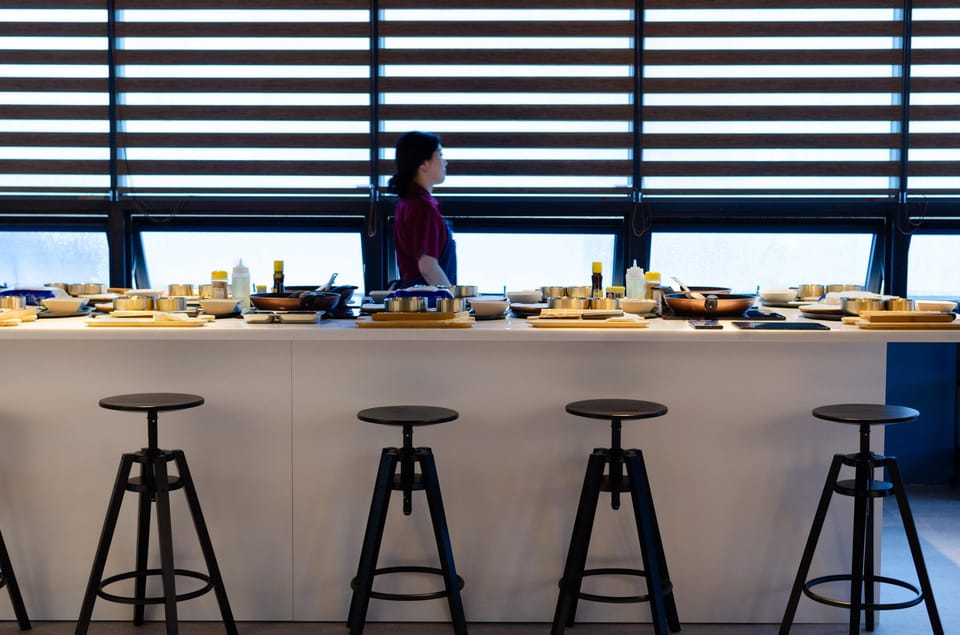
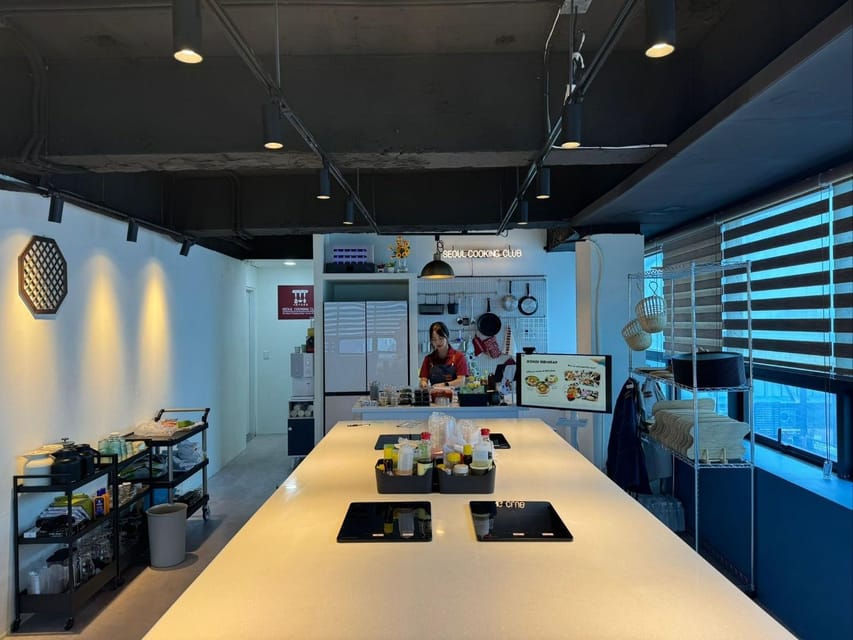
The kitchen setup is geared for hands-on work. You’re not stuck waiting for a turn while someone else does the hard part. People also mention a tidy, organized environment, with utensils and ingredients laid out so you’re not hunting around mid-cook.
You can also read our reviews of more cooking classes in Seoul
Getting There Fast: Jongno Directions and What to Expect on Arrival
You meet in central Seoul in Jongno, about a minute from Jonggak Station (Line 1), exit 12. The address directions are specific: walk straight ahead, take an immediate first right around Pascucci, and go to the building entrance next to the Good Game Zone (orange facade). The classroom is on the 7th floor.
Why that matters: Jongno is easy to overthink when you’re already tired. This location is close to major sights and food streets, so you can plan the class, then keep moving without a long detour.
Practical tip: plan to arrive a few minutes early so you can get settled before you start cooking. You’ll also want to keep shoes closed-toe for safety around hot pans.
The 150-Minute Flow: What You’ll Cook, Taste, and Build
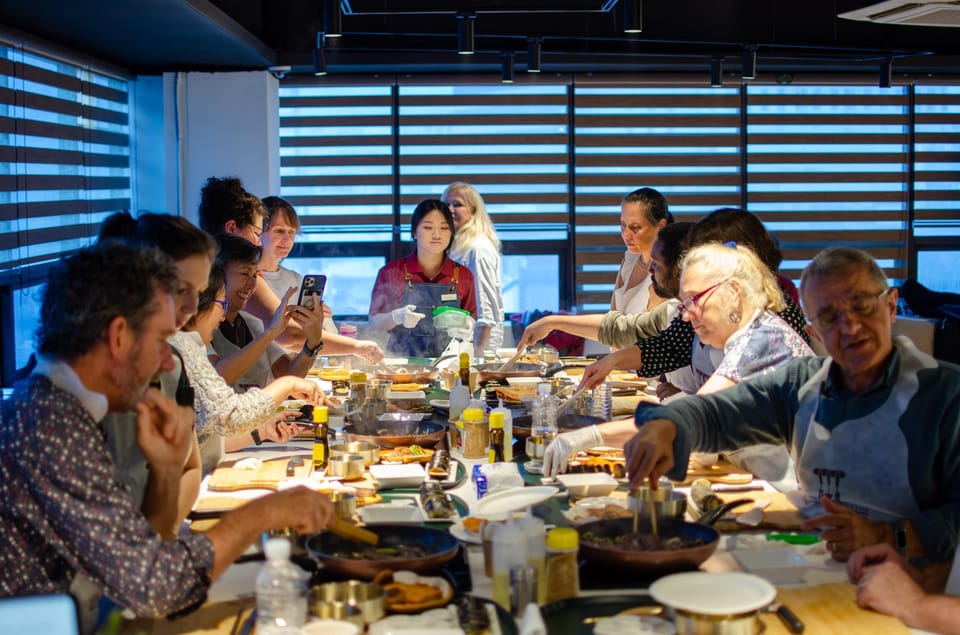
This is a three-course style meal, but it’s structured like a cooking lesson. You’ll make a set of starters (mostly Jeon), then collaborate on main dishes, then sit down for a meal with sides and dessert.
Here’s the core menu structure you can expect:
Starters: Jeon Pancakes with Different Fillings
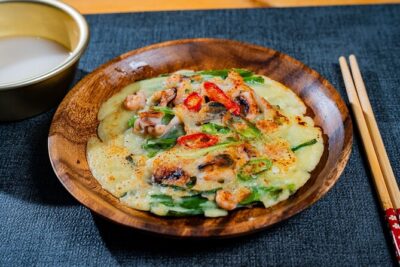
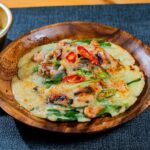
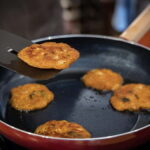
You’ll prepare several Jeon varieties. The class typically includes multiple flavors, and you make about 3–4 Jeon to match the session flow. Options you may cook include:
- Donggrangttaeng (pan-fried battered meatballs)
- Pollack pancake
- Pajeon (seafood pancake)
- Beef pancake
- Tofu pancake
- Sesame leaf pancakes
What you’re really learning: Jeon is a texture lesson. You’re practicing how batter behaves, how to pan-fry until crisp, and how fillings affect cooking time. Even if you’ve never cooked Korean food before, this is a very “learnable” start because each Jeon gives a different result you can compare.
Also: a lot of people stress that the prep is handled well. That means you get to focus on cooking and seasoning steps rather than spending your whole time measuring ingredients.
Main Dishes: Japchae, Bulgogi, and a Bibimbap-Style Meal
You’ll work together on the main dishes. These are the classics that show how Korean cooking builds flavor:
- Japchae: stir-fried vegetables and glass noodles
- Bulgogi: sliced beef seasoned for barbecue-style flavor
- Jeonju bibimbap: rice mixed and topped in a bibimbap style
- Plus banchan (side dishes) tastings that round out the meal
Why these mains are valuable: they teach different “Korean cooking muscles.” Japchae is about stir-frying timing and balancing sweet-savory sauce with vegetables. Bulgogi teaches slicing and marinating seasoning style. Bibimbap teaches the art of mixing components on a plate so every bite has a little of everything.






Banchan Tastings: The Side-Dish Culture Lesson
The class includes a taste of Korean side dishes, roughly ten tastings. Examples listed include:
- Kimchi
- Korean egg-roll
- Stir-fried anchovy
- Radish kimchi
- Seasoned soybean sprouts
- Seasoned spinach
- Spicy cucumber
This part is more than snacking. Korean meals often work like a menu of contrasts: sour with spicy, crisp with soft, salty with fresh. When you taste the sides alongside your bibimbap, you start to understand why Korean food isn’t about one flavor dominating. It’s about balance.
Jeon Pancakes: The Best Starter for Beginners
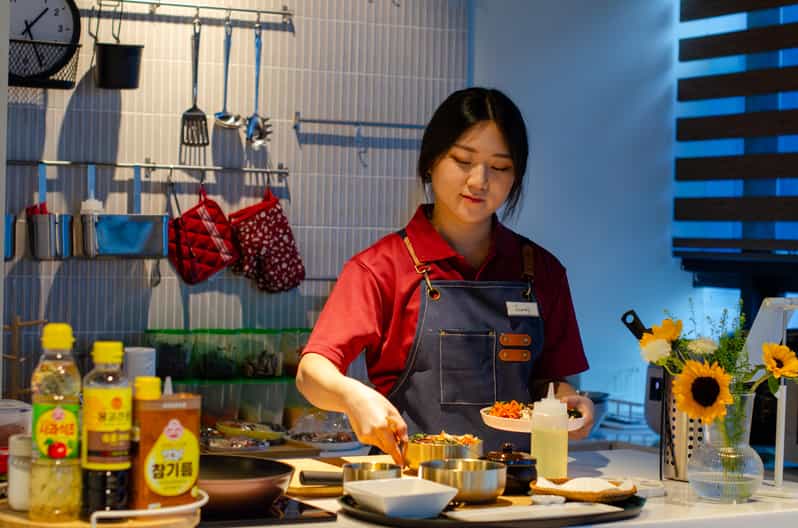
If you’re new to Korean cooking, Jeon is a smart place to start because it’s both forgiving and teachable. You handle batter, fillings, and pan heat, which means you learn what actually makes it good: the crisp edge, the tender inside, and the seasoning distribution.
From the menu list, you could end up cooking beef, seafood, tofu, and even sesame leaf versions. Each one nudges you toward different cooking cues. For example:
- Seafood and vegetable Jeon tend to add moisture, so crispness matters.
- Tofu versions often show how delicate ingredients can be handled without falling apart.
- Sesame leaf Jeon teaches how aromatic greens behave with batter.
And yes, you’ll likely end up making multiple Jeon flavors in one session, so you get variety without a long wait for each step.
Japchae and Bulgogi: Two Meals That Teach Sauce and Timing
Japchae
Japchae is built around glass noodles and vegetables. The real skill is how you stir-fry and season without turning it into a soggy bowl. You’re working with vegetables that cook at different speeds, so the order and timing matter.
If you want a dish you can recreate later, japchae is a strong pick. Once you understand the sauce and how to keep noodles from clumping, it becomes a practical weeknight option back home.
Bulgogi
Bulgogi is the Korean barbecue-beef style you’ll see everywhere. Here, you’ll learn it in a cooking-class format rather than a restaurant format. That means you focus on the sliced beef and the seasoning approach.
What I like about teaching bulgogi in a class: it helps you understand that the flavor isn’t just from grilling. Seasoning and marinade-style preparation are doing a lot of the work. Even if you don’t have the exact same grill at home, you can still make the core flavors happen in a pan.
Jeonju Bibimbap and Banchan: Building a Plate Like a Seoul Cook
Bibimbap is the best “put it all together” moment. Jeonju bibimbap is the version you’ll make here, and it’s paired with banchan tastings.
What’s helpful is that the sides are not random add-ons. You get a lineup like kimchi, seasoned spinach, soybean sprouts, radish kimchi, and spicy cucumber. Then the meal becomes a mix-and-match: you’re choosing what goes into each bite and how much.
Practical takeaway you can use later: don’t treat bibimbap as one big sauce moment. Korean plates often work by combining different textures and temperatures. That means you’re aiming for bites that include crisp and soft elements, plus a punch of sour/spicy from sides like kimchi.
Dessert and Drinks: The Sweet Finale Plus Familiar Korean Sips
The dessert options change daily, and the class can include Bing-su, which is a well-loved Korean shaved-ice dessert. It’s a fitting finish after savory cooking because it cools your palate and resets your appetite.
Drinks included in the class can include:
- Water
- Sikhye (sweet rice drink)
- Korean tea
Why this matters: Sikhye is mild and sweet without being heavy, and Korean tea often feels like a palate-cleanser after spicy sides. It keeps the meal from feeling like one long stretch of rich flavors.
Value Check: Is $109 Worth It for a 150-Minute Class?
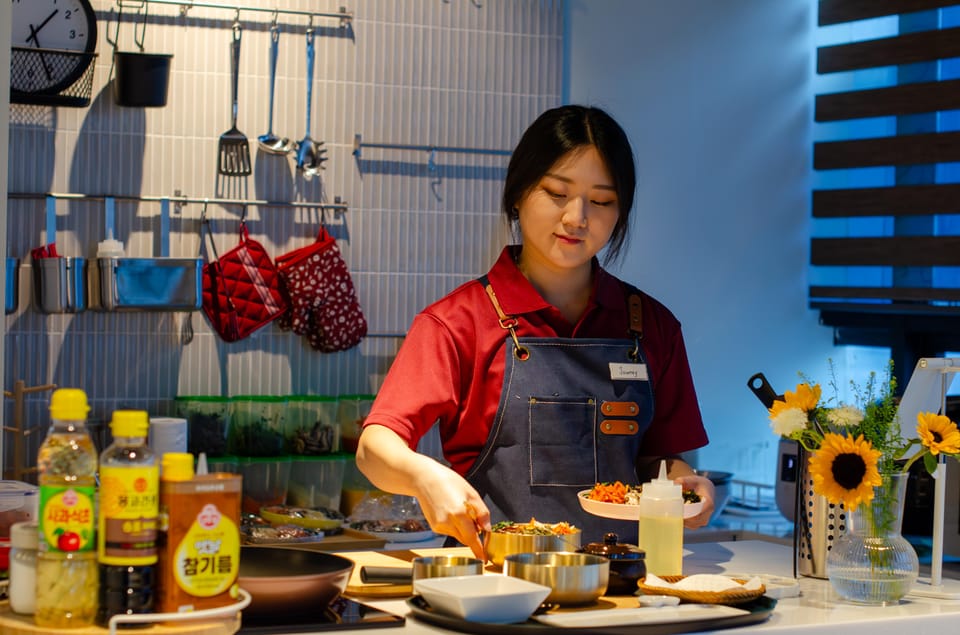
For $109 per person, you’re paying for more than ingredients. You’re paying for:
- A long, structured 150 minutes of hands-on cooking
- A multi-part menu: Jeon starters, multiple main dishes, and bibimbap
- Roughly ten side tastings, plus dessert
- English instruction, plus a lot of in-kitchen coaching
- Included drinks and a welcome drink
In plain terms: this is not a short cooking show. You’re getting a full meal experience with real technique instruction and a big variety of Korean flavors in one sitting. If your goal is to leave Seoul with skills you can repeat (not just photos), this price can make sense.
Is it expensive compared to eating out? Yes. Is it expensive compared to buying a guided, multi-course, hands-on lesson near central Seoul? Often, it’s in the fair-to-good range because you’re fed well and taught well.
Who Should Book This Class (and Who Might Pass)
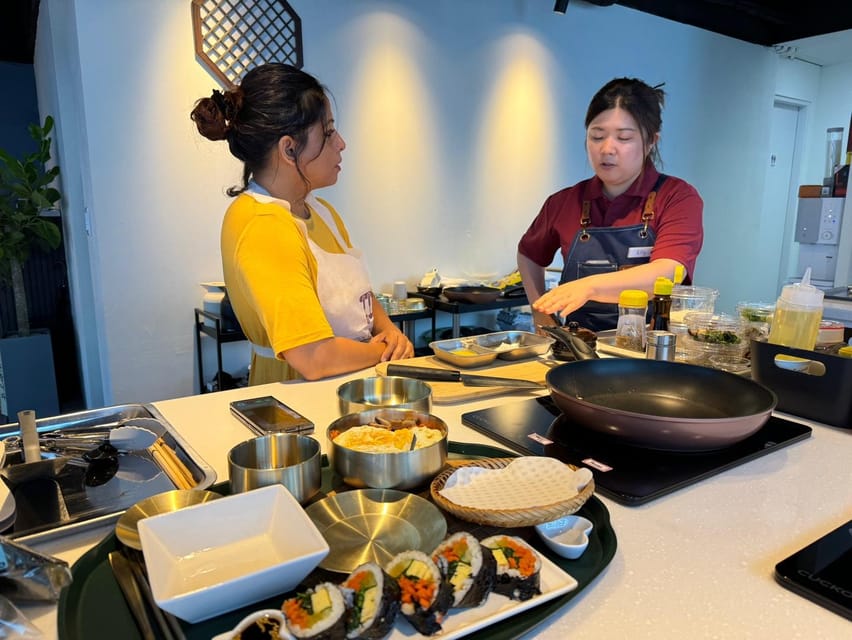
Book it if you:
- Like cooking and want technique, not just tasting
- Want to understand Korean flavor balance through Jeon, japchae, bulgogi, and bibimbap
- Prefer English-guided instruction
- Want an easy add-on to an already full Jongno day, since you’re close to major sights
Skip it if you:
- Want a low-activity food stop with lots of sitting and minimal work
- Are traveling with kids under 16, since it’s not suitable for them
- Have mobility concerns that make standing for 2.5 hours difficult (it is wheelchair accessible, but it’s still an active kitchen environment)
Also, bring an appetite mindset. Even with take-home options mentioned by many participants, the class is designed so you cook and then eat what you make.
Small Planning Tips That Make the Class Smoother
A few details can make your experience better from minute one:
- Wear closed-toe shoes.
- Come with some hunger, since the menu is substantial.
- If you need dietary accommodations, mention it when booking. Some participants report gluten-free support when requested, and the instructors are praised for working with questions during the session.
- If you’re scheduling after-class plans, give yourself buffer time to walk off the meal and then explore nearby neighborhoods.
Should You Book Seoul Cooking Club?
Yes, if you want a hands-on Korean cooking class in central Seoul that teaches more than one dish. The combination of Jeon practice, classic mains like Japchae and Bulgogi, and a bibimbap-style meal with banchan tastings makes this a high-return experience for food lovers.
Book it with confidence if English instruction is a priority and you like learning by doing. Consider passing if you want a mostly passive activity or you’re not up for kitchen work.
If you’re staying in Seoul for a few days, this class also pairs well with the surrounding area. After you finish, you can keep the food theme going while you wander through Jongno, Insadong, Ikseondong, Gwangjang Market, and toward Myeongdong and major palace sights within short walking range.
FAQ
How long is the Seoul Cooking Club class?
The class lasts 150 minutes.
What does the class cost?
The price is $109 per person.
Where do I meet for the cooking class?
You meet near Jonggak Station (Line 1), Exit 12. The entrance is on the 7th floor next to the Good Game Zone (orange facade) in the same building.
Is the instruction offered in English?
Yes, the chef/instructor teaches in English.
What dishes are included in the class?
You’ll cook multiple Jeon starters (small Korean pancakes), then collaborate on main dishes like Japchae and Bulgogi and a Jeonju bibimbap. The meal also includes banchan side dish tastings.
What drinks and dessert are included?
A welcome drink is included, along with traditional Korean drinks such as water, Sikhye, and Korean tea. Dessert options change daily and may include Bing-su.
What is included in the price?
Included items are: welcome drink, 3 to 4 starters, 3 main dishes, Jeonju bibimbap, a taste of Korean side dishes, Korean dessert, and traditional Korean drinks.
Is hotel pickup and drop-off included?
No, hotel pickup and drop-off are not included.