REVIEW · PERFUME-MAKING WORKSHOPS
Seoul: Perfume-Making Workshop in a Hanok
Book on GetYourGuide →Operated by PROUST · Bookable on GetYourGuide
Perfume gets real when you mix it yourself. In this Seoul class, you create a custom scent inside a quiet hanok near Daehakro, then walk out with your own bottle instead of just smelling samples.
I especially like the huge choice—500+ fragrance materials—and the way the process stays calm, step-by-step, with plenty of help from instructors such as Helen and Dongyeon. Second, you do real blending work (choose a scent type, pick a core material, adjust the balance twice), and the result comes in a 50ml bottle you can actually wear.
One thing to plan for: the location is tucked away in an alley and it can be a little tricky to find. If you land there late or rely on the wrong map app, you’ll waste time before you even start smelling.
In This Review
- Key moments that make this workshop worth it
- Why a Seoul hanok perfume workshop feels different
- Arrive here: Eunhaenggol alley meeting point (and how to not waste time)
- The 90-minute flow: what you’ll do from first sniff to final bottle
- First, you set your scent direction
- Next comes scent type selection and comparison
- Then you pick a core material and blend
- Finally, you bottle it and take it home
- Choosing from 500+ materials: fun for beginners, satisfying for nerds
- The instructor touch: why the guidance feels personal
- What you take home: a usable 50ml perfume, not a sketchy sample
- Price and value: $49 for 90 minutes and a real bottle
- Best time to go and who should book
- Quick do’s and don’ts before you start sniffing
- FAQ
- How long is the Seoul perfume-making workshop in the hanok?
- What will I take home after the class?
- How many fragrance materials can I choose from?
- What languages are used by the instructor?
- Where is the meeting point?
- Can I cancel or pay later?
- Should you book this Seoul hanok perfume workshop?
Key moments that make this workshop worth it
- 500+ fragrance materials to mix, including niche-style and natural options
- A structured blending process with core material selection and balance adjustments
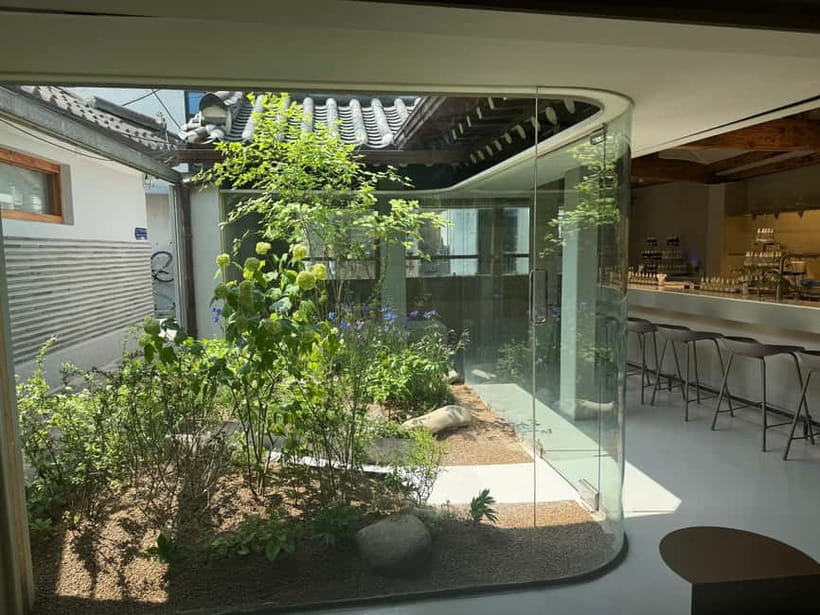
- A peaceful hanok setting just a short walk from Daehakro
- English and Korean instruction, with patient guidance from the team
- Take-home payoff: your finished 50ml perfume in one session
Why a Seoul hanok perfume workshop feels different
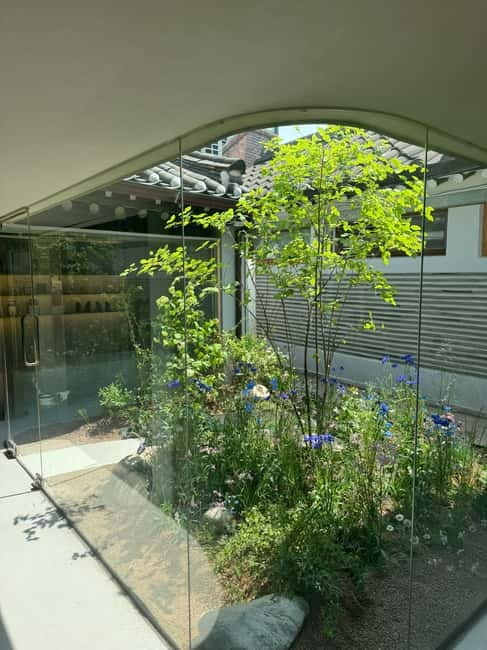
Seoul has plenty of fragrance counters, but this experience is the opposite. Instead of picking from what’s already made, you build a scent from components in a traditional hanok setting. That shift matters because your nose stops treating perfume like a product and starts treating it like a recipe.
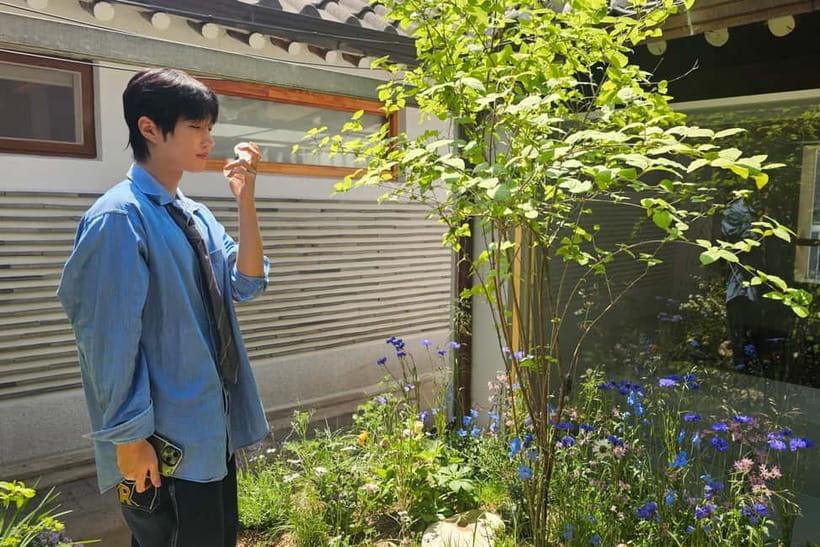
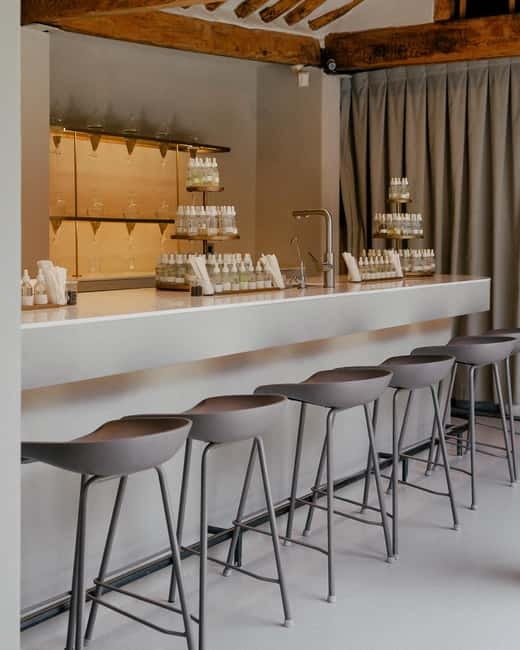
The hanok setting also changes the pace. The room feels designed for quiet focus—ideal when you’re comparing smells and figuring out what you actually like. Many people pick up on that right away, especially once you start sampling materials at your own speed.
And because the shop sits near Daehakro, you also get a fun contrast. You’re surrounded by city energy outside, but the workshop time is slow and deliberate, the kind of pause that’s hard to manufacture on a tight itinerary.
You can also read our reviews of more tours and experiences in Seoul

Arrive here: Eunhaenggol alley meeting point (and how to not waste time)
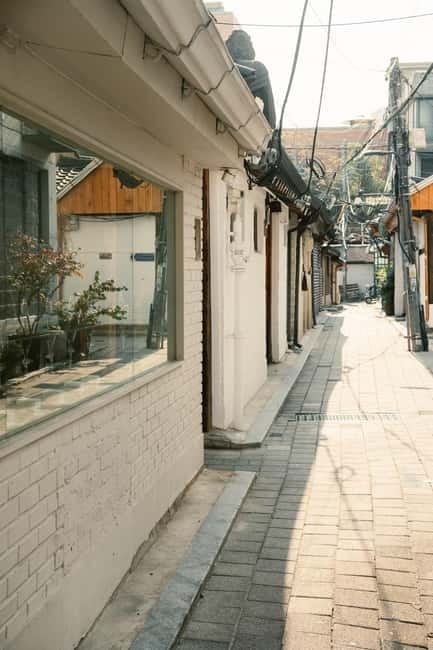
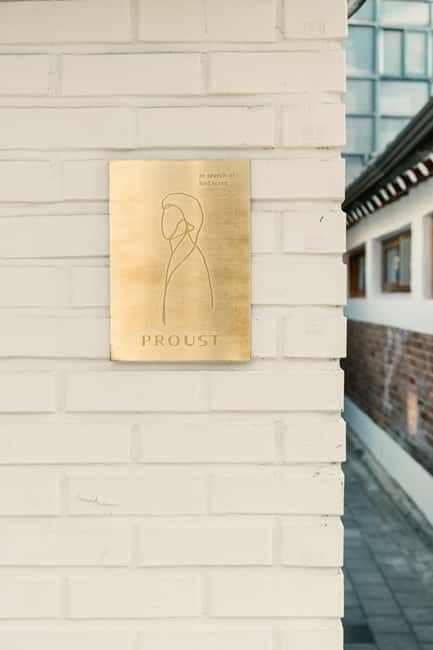
Your meeting point is easy to miss if you’re not looking for it: it’s the first shop in an alley inside the tuna restaurant called Eunhaenggol. That means you should plan a little buffer time, especially if you’re using a taxi or walking from a main street.
A practical tip that helps in real life: use a strong local navigation app (many visitors find the Naver app is more reliable for finding small alleys). If you’re with someone who can run point, have one person confirm the alley entrance while the other keeps an eye on street signs.
Once you’re inside, things are straightforward. You’re not battling complicated check-in screens or long waiting lines. You’re just getting ready to smell a lot.
The 90-minute flow: what you’ll do from first sniff to final bottle
This is a 90-minute session with a very “hands-on” structure. Even if you’re not a perfume person, you’ll still feel guided, not thrown into chaos.
Here’s how the session typically unfolds:
First, you set your scent direction
You start with a short questionnaire about the scents you usually wear and what kind of fragrance you want to create. That’s useful because perfume mixing is easier when you’re aiming at a mood, not just random notes.
Then you explore your options through a “fit” process: you compare your perfume keyword with 500 kinds of fragrance ingredients. Translation: you’re not just opening a giant collection and hoping something clicks. You’re being steered toward materials that match the vibe you described.
Next comes scent type selection and comparison
You choose among seven representative types. That matters more than it sounds. Those categories act like rails on a track, so you don’t end up overwhelmed by too many possibilities.
You then test ingredients and compare how they work for the direction you chose. This is where you can get a real sense of how different materials behave—some feel light and airy, others feel deeper or warmer. If you tend to get indecisive, the instructors will help you narrow it down.






Then you pick a core material and blend
After you decide your direction, you select a core material, which becomes the foundation of your perfume. From there, you blend various ingredients based on what you want your final scent to feel like.
The process is intentionally methodical. You’ll adjust the ingredients balance twice for the final blend. That’s a big deal for quality. It turns your session from a quick mixing gimmick into something closer to how professionals think about balancing a formula.
Finally, you bottle it and take it home
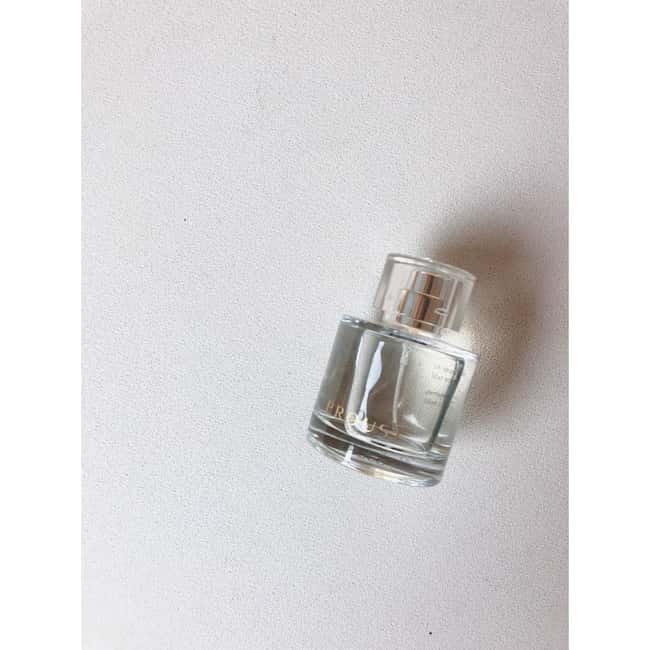
When you’re done, you take home your finished perfume in a 50ml bottle. It’s one of the best parts of the class because the bottle isn’t a souvenir tin—it’s your actual creation, designed to be used.
Choosing from 500+ materials: fun for beginners, satisfying for nerds
This workshop’s real star is the ingredient selection. Over 500 fragrance materials are available, including scents used in niche perfumes and also natural options. That range gives you a lot of room to experiment without leaving the session guided.
For you, the practical value is simple: it lowers the barrier to trying something new. Even if you think you only like one type of smell, the ingredient library lets your instructor connect dots you might not discover on your own.
One of the best vibes is how the shop encourages careful sniffing. People often mention they felt like they could take their time. That matters because perfume is partly about instinct, and instinct needs time to catch up with what you’re smelling.
Also, the instructors have real industry connections. The team has created scents for brands including Hanwha Life, Coffee Bean, Bodyfriend, and Chosun Hotel. You feel that when they steer you away from combinations that don’t behave well together and toward ingredients that make sense with your target scent.
The instructor touch: why the guidance feels personal
A great workshop doesn’t just teach steps. It helps you make decisions. That’s what the staff does well here.
Even when you feel overwhelmed by the number of options, the instructors work with you while keeping the atmosphere relaxed. Names that come up include Helen, Dongyeon, and Yunvin, and the consistent theme is patient coaching.
You’ll likely get advice in two directions:
- how different ingredients pair based on the type you chose
- how to adjust when your blend smells good in one moment but needs balancing to feel finished
This is also where your questionnaire and scent keyword matter. Because they’re using your inputs, you’re less likely to leave with something technically wearable but emotionally wrong for you.
What you take home: a usable 50ml perfume, not a sketchy sample
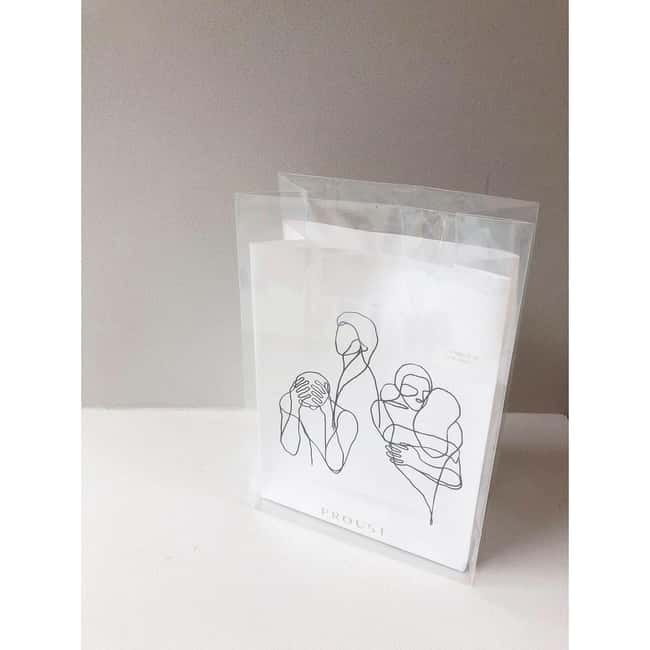
The class includes your finished perfume in a 50ml bottle. For a lot of visitors, that’s the main reason this stands out: you’re not paying for an activity and leaving with a tiny vial.
This size is practical. It’s big enough to wear regularly for weeks, and it’s also a solid gift size if you’re sharing your trip memory with someone back home. And because you made it, you’ll remember what you were thinking when you blended it.
There’s another benefit that doesn’t get enough attention: you may be able to reorder a scent later. People mention that the team keeps your formula info for future purchases. If your perfume becomes a “my new signature smell” situation, that saves you from hunting down a similar scent elsewhere.
Price and value: $49 for 90 minutes and a real bottle
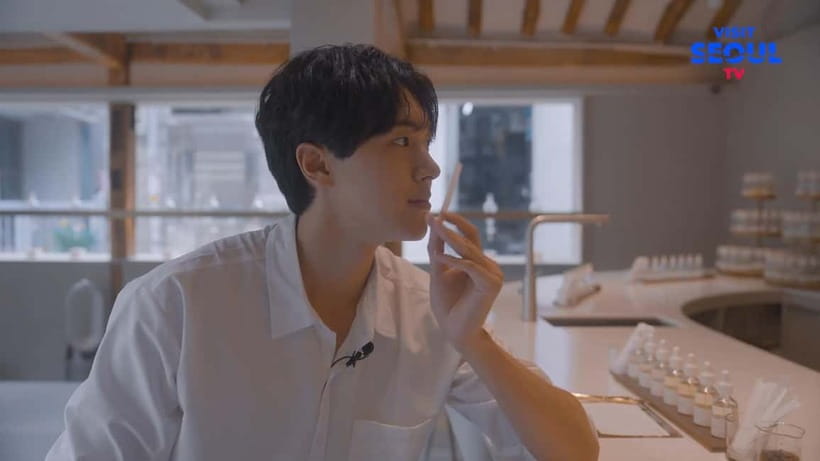
At $49 per person, you’re paying for two things: instruction plus the ingredient access to create a finished, take-home bottle.
If you’ve ever priced custom fragrance work, you’ll know the “made for you” part usually costs more than a standard workshop ticket. Here, you’re getting a full session structure (questionnaire, ingredient comparison, core selection, and balance adjustments) and the payoff is a 50ml bottle you can wear.
You also get value in the time itself. Ninety minutes is long enough to go from idea to finished product without feeling rushed, and short enough to fit into a typical day in Seoul. That balance is hard to find with other creative classes.
And yes, you’ll be smelling a lot. If you love fragrance, it feels like quality time, not a quick gimmick.
Best time to go and who should book
You’ll enjoy this most if you like either of these:
- creating something with your hands (even if you’re not artsy)
- learning how scents combine (even if you don’t consider yourself a perfume person)
It’s also a good pick for couples. The workshop setup supports shared decision-making—smelling, comparing, and testing blends together. If you’re going solo, that works too, especially if you want a calm break from the rest of the city.
Timing-wise, plan it for a period when you can slow down. If you schedule it back-to-back with a packed shopping sprint, you’ll lose some of the workshop’s best feature: the ability to take your time with each material.
One more note: it’s stated as wheelchair accessible, so it’s worth considering if mobility is a factor in your Seoul plans.
Quick do’s and don’ts before you start sniffing
Perfume mixing can feel simple, until you’re surrounded by hundreds of ingredients. These tips help you keep control:
Do:
- arrive with an idea of the mood you want (fresh, sweet, woody, clean, etc.)
- be ready to describe what you like, not just what you hate
- let the instructor guide you when you’re stuck
Don’t:
- expect to build the final formula from one sniff of a single ingredient
- rush your decisions just to finish on time
The instructors will keep you moving through the steps, but the best outcomes come when you give your nose room to adjust.
FAQ
How long is the Seoul perfume-making workshop in the hanok?
The workshop lasts 90 minutes.
What will I take home after the class?
You take home your own 50ml bottle of perfume.
How many fragrance materials can I choose from?
You can choose from over 500 fragrance materials.
What languages are used by the instructor?
The instructor provides English and Korean support.
Where is the meeting point?
Meet at the first shop in the alley inside the tuna restaurant called Eunhaenggol.
Can I cancel or pay later?
You can cancel up to 24 hours in advance for a full refund, and you can reserve now and pay later.
Should you book this Seoul hanok perfume workshop?
If you want a Seoul souvenir that isn’t just photos and magnets, book it. The mix of hanok calm, 500+ ingredient variety, and a true custom 50ml bottle makes this feel like quality time you’ll actually use back home.
I’d especially recommend it if you enjoy creative activities or you’re shopping for a personal gift. The guidance you get from instructors like Helen, Dongyeon, and Yunvin helps prevent the common problem of leaving with a scent that sounded good in theory but feels wrong in real life.
The only real caution is location. Give yourself enough time to find the Eunhaenggol alley shop, and you’ll start the class stress-free. If you do that, you’re set up for a surprisingly fun, relaxing afternoon in one of Seoul’s most memorable formats.