REVIEW · GYEONGBOKGUNG PALACE & HANBOK TOURS
Gyeongbokgung Palace, Jogyesa Temple and Bukchon village
Book on GetYourGuide →Operated by Honey Trail · Bookable on GetYourGuide
Three icons in one walk: palace, temple, old streets. This Seoul route strings together Gyeongbokgung Palace and Jogyesa Temple with calm, human-scale stops that help you make sense of the city fast. I also love the practical pacing and the way your guide keeps it lively with history, Q&A, and little culture surprises. One possible drawback: it’s a walking tour, so plan for steady steps and bring comfortable shoes.
The standout, for me, is the guide experience. English-speaking guides like Lee are repeatedly praised for being patient, efficient, and genuinely tuned in to a family-friendly pace. You’ll also get a traditional drink moment—plus traditional herbal tea—so you’re not just “passing by” landmarks.
Finally, it’s a high-value mix for first-time Seoul visitors, especially if you want big sights without the stress of planning every turn. For $82 per person, you get the palace entrance ticket, a guide, and included tea—but you’ll still want to budget for your own food.
In This Review
- Key Highlights You’ll Feel Right Away
- The Walk Starts in Insadong: Jogyesa Temple and Tea-House Atmosphere
- Gwanghwamun Square and King Sejong: How the Past Meets Today
- Gyeongbokgung Palace: The Joseon Dynasty Main Stage
- A Traditional Drink Break Inside the Palace
- Bukchon Traditional Village: Hanok Streets and Moderate Walking
- What the Price Includes (And What You’ll Need to Pay Separately)
- Included
- Not included
- The Guide Makes This Tour: Patient, Interactive, and Flexible
- Who This Tour Best Fits (And Who Should Skip It)
- Tips to Make Your Day Easier
- Should You Book This Seoul Walk?
- FAQ
- Where does the tour start?
- Where does the tour end?
- How long is the tour?
- What language is the tour offered in?
- What’s included in the price?
- What’s not included?
- What should I bring?
- What is not allowed during the tour?
- Is the walking easy?
- What if I don’t have a Korean phone number?
- Can I cancel for a full refund?
- Is there a pay-later option?
Key Highlights You’ll Feel Right Away
- Jogyesa Temple calm at the start in Insadong, with traditional tea-house energy before the bigger sights
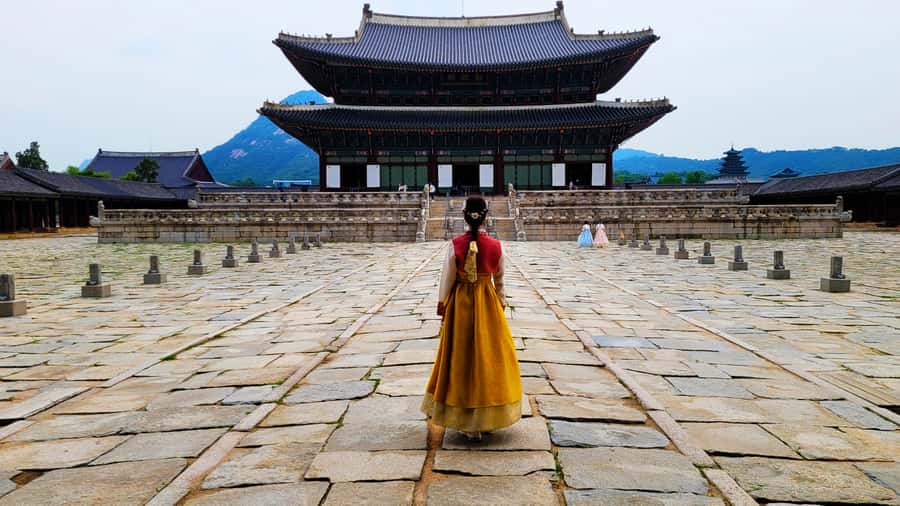
- Gyeongbokgung Palace as the Joseon heart (established in 1395), with your included entrance ticket
- King Sejong Square stop to place royal-era history in modern Seoul geography
- Bukchon Hanok Village walking views framed by traditional architecture and photo-ready street corners
- Traditional herbal tea and a palace drink break so you can slow down for a taste of Korea
- A guide who adapts—patient, interactive, and quick to respond (including surprise culture moments like a Korean boardgame)
The Walk Starts in Insadong: Jogyesa Temple and Tea-House Atmosphere
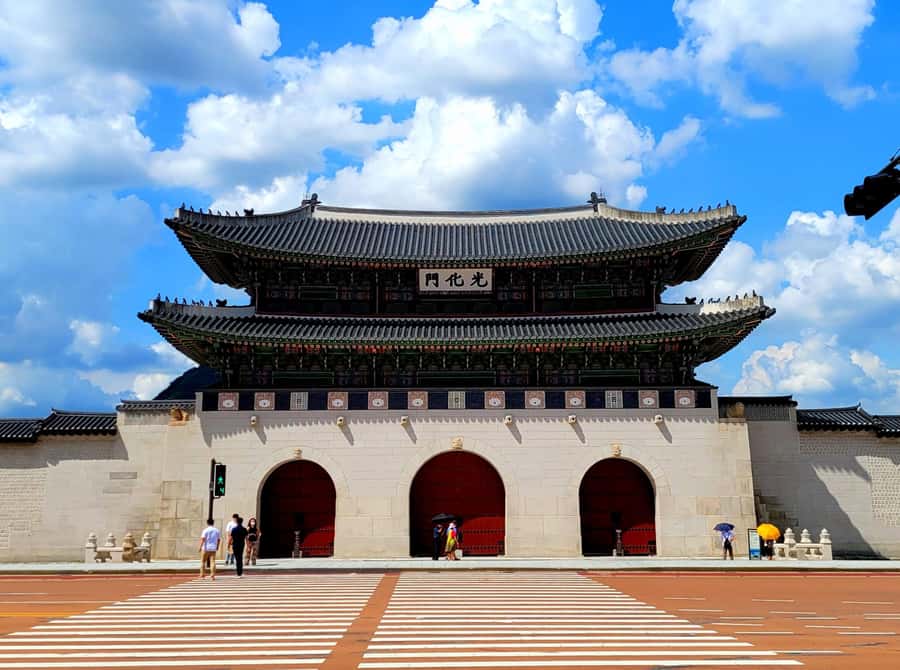
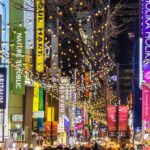
The tour begins at Anguk Station Exit 6, then it heads you toward Jogyesa Temple in Insadong. Even before you reach the palace crowds, you get that lived-in street feeling: cozy shops, traditional tea-house vibes, and the sense that this part of Seoul still runs on daily rhythms.
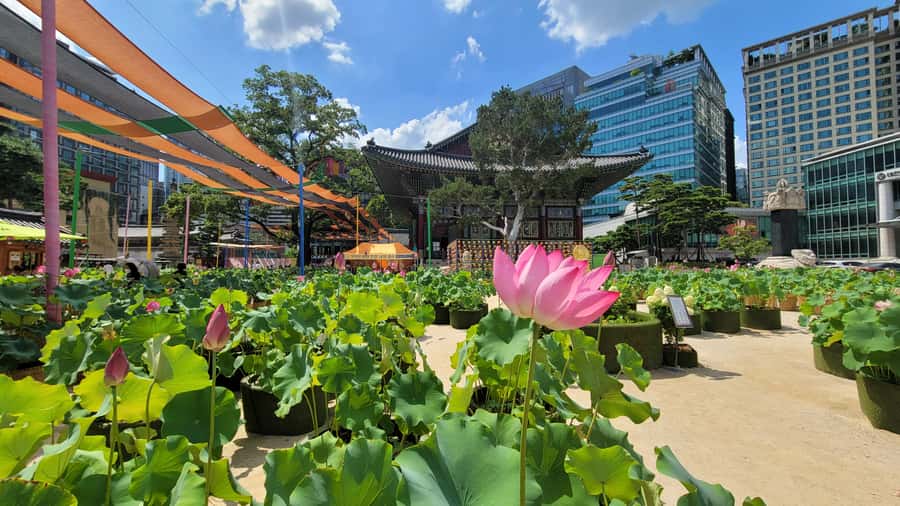
Jogyesa is the kind of place where your pace naturally changes. The temple is described as a place of peace, especially as the head temple of the Jogye Order of Korean Buddhism. If you’ve only ever seen temples from the outside, this stop helps you understand what matters most here: stillness, practice, and the everyday spiritual side of the city.
What I’d watch for: arrive mentally ready to switch modes. Insadong can feel busy, but once you’re near Jogyesa, it’s easier to pay attention—sound level, courtyard space, and how people behave there.
Why this matters for value: starting with something calming makes the rest of the route feel more meaningful. You’re not just collecting stops; you’re building a mood map of Seoul.
You can also read our reviews of more tours and experiences in Seoul.

Gwanghwamun Square and King Sejong: How the Past Meets Today
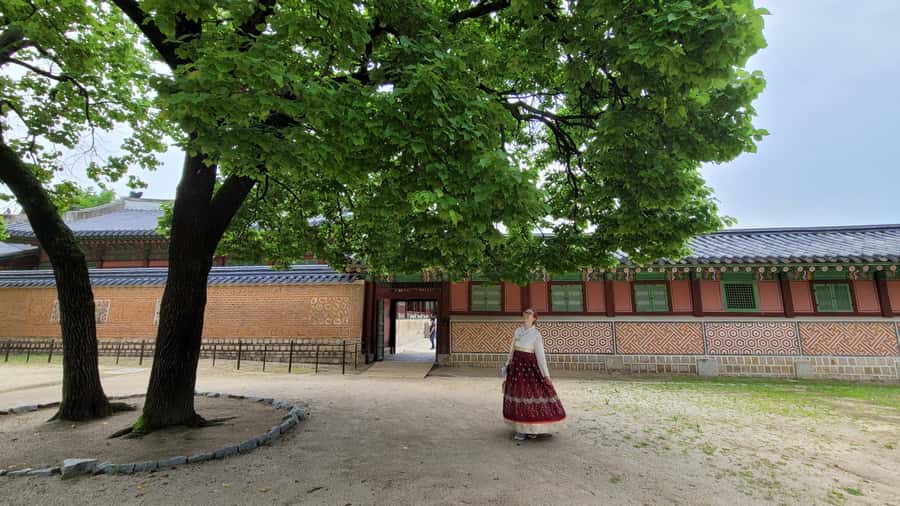
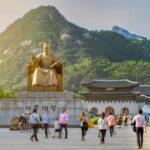
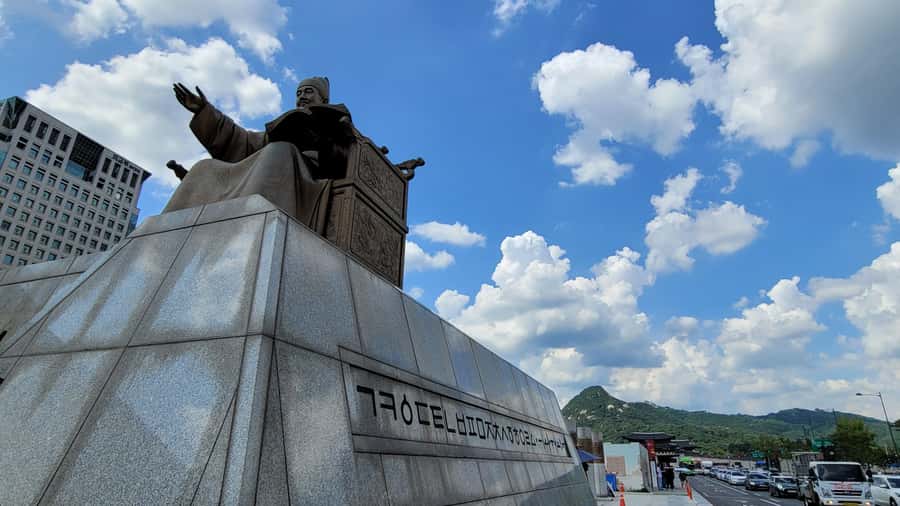
After Jogyesa, the walk moves toward Gwanghwamun Square. This is where your royal-history grounding clicks into place. You’ll see the King Sejong statue, a powerful visual anchor that connects the Joseon era to modern Seoul’s central public spaces.
This segment works because it’s not too long, but it’s strategic. You get a “big Seoul” landmark before heading into the palace grounds. And if you’re visiting for the first time, it helps you understand why so many other sights cluster around this area.
Practical tip: wear shoes with grip. The palace and village areas tend to be uneven in places, and you’ll want steady footing while crossing open-city stretches.
Possible drawback: if you hate getting photographed next to statues (it’s part of the territory), treat this stop as a quick orientation moment, then move on.
Gyeongbokgung Palace: The Joseon Dynasty Main Stage
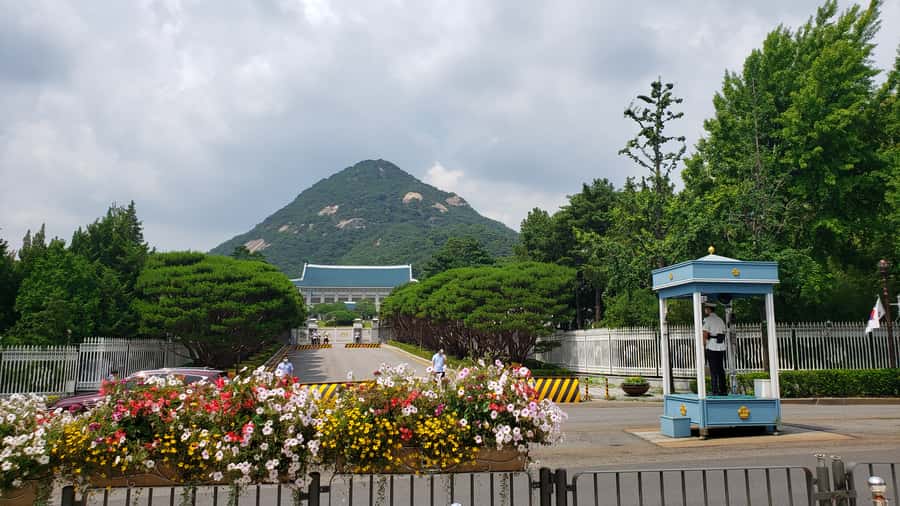
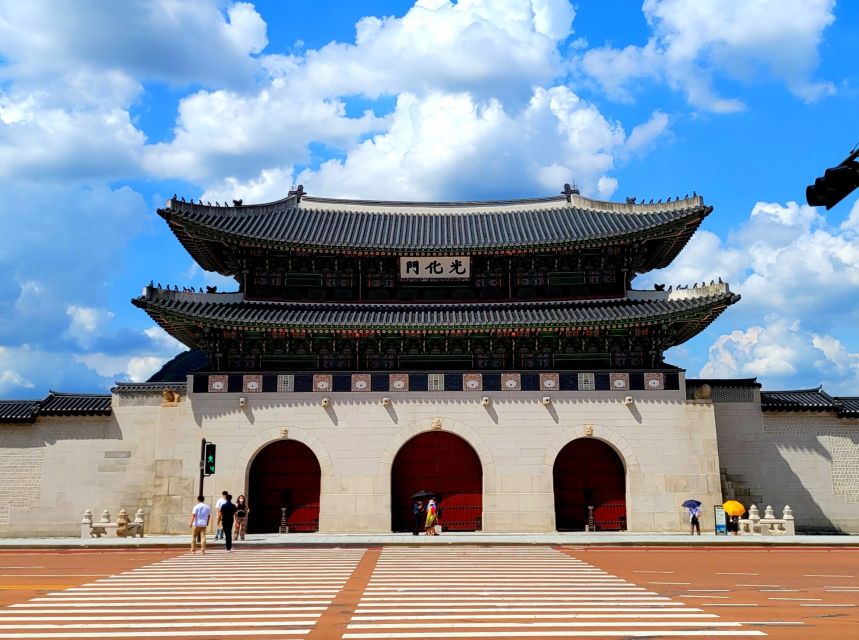
Now the tour enters the main event: Gyeongbokgung Palace. This is the Joseon Dynasty’s main palace, established in 1395. Your entrance ticket is included, which saves time and avoids the usual small scramble of lining up or figuring out ticketing basics on your first day.
What I like most here is how the guide frames the palace as more than architecture. You get history along the way, and you’re guided through the grounds at a pace that leaves room to actually look—rather than treating it like a checklist.
Gyeongbokgung also creates a satisfying contrast with the earlier parts of the walk. Jogyesa gives you calm and spirituality. The square gives you a modern civic anchor. Then the palace delivers scale and authority—both visible in the layout and felt in the way the site is organized.
What to focus on in the grounds:
- courtyards and major structures that show the palace’s central role
- moments where your guide connects details to the broader story of Joseon-era life
- time you spend just looking, not rushing through
Where people sometimes run into trouble: if you’re trying to see everything on your own after, you may feel palace-fatigue. This tour’s advantage is the guided context, which helps your brain connect dots faster.
A Traditional Drink Break Inside the Palace
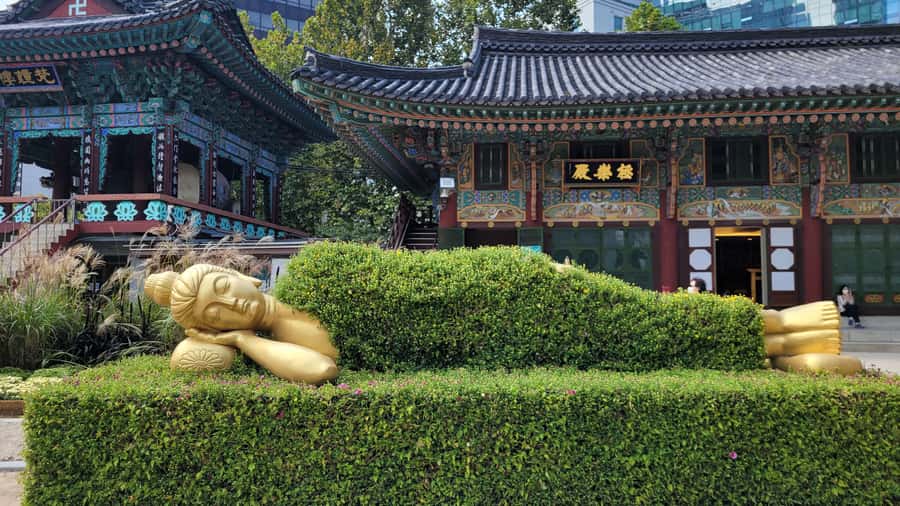
One of the best “small” features is the included drink moment tied to the palace experience. You’ll enjoy a traditional drink at Gyeongbokgung, and the tour also includes traditional herbal tea.
This isn’t just a pause to refill water. It’s a way to slow down when the palace landscape can push you into speed-mode. After walking and listening, the drink break lets you reset your attention so you can appreciate what you’ve already seen.
How to use the break well: if you’re the type who asks questions late in the tour, ask here. This is usually when your guide is most ready to answer, since you’re not yet deep into the next walking segment.
Bukchon Traditional Village: Hanok Streets and Moderate Walking
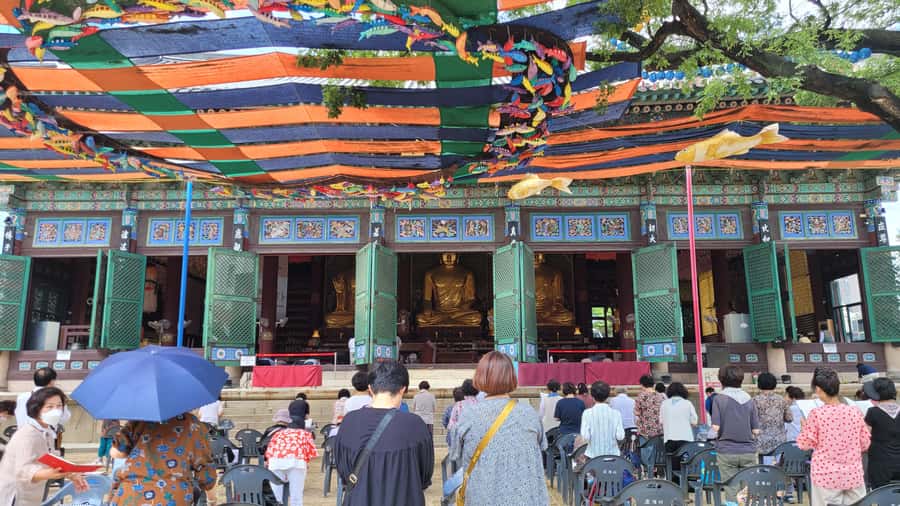
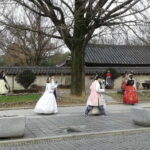
Next comes Bukchon traditional village, the area known for classic Korean architecture and that signature “photo everywhere” look. The walking here is described as moderate, and the views can be stunning, especially if you pause often instead of marching through.
Bukchon is a great final big-sight stop because it feels human-scaled. You’re not only seeing history in a palace complex—you’re seeing history in the street pattern and the house forms, the way buildings sit close to the road and each other.
What I like about placing Bukchon later: you’re more prepared for it. After Jogyesa and Gyeongbokgung, your sense of what “traditional” means feels clearer. You’ll notice details more easily, and the architecture stops looking like a blur of rooftops.
A gentle warning: this is still a walking portion. If you’ve got sore feet, take breaks more often than you think you need. Even when it’s “moderate,” it adds up after temple and palace time.




What the Price Includes (And What You’ll Need to Pay Separately)
This tour costs $82 per person, and for many first-time visitors, it’s a good deal because you get key friction removed.
Included
- Gyeongbokgung Palace entrance ticket
- Traditional herbal tea
- Guide
Not included
- Hotel pickup and drop-off
- Food
For value, the guide is the real multiplier. A palace visit without context can turn into “pretty buildings.” With a patient guide—especially one praised for being efficient and helpful—you tend to leave with a clearer understanding of what you just walked through.
The trade-off is simple: you’ll still need to find your own meals or snacks. If you expect the tour to cover lunch, plan ahead.
The Guide Makes This Tour: Patient, Interactive, and Flexible
The guide experience is one of the most praised parts. English-speaking guides—again, Lee appears in the feedback—are repeatedly described as patient, professional, and attentive to different family needs.
I also love that the tour isn’t rigid. One highlight in the reviews is that the guide surprises people with something outside the box, like a Korean boardgame, during a café break at the palace. That kind of moment can turn the tour from purely educational into genuinely memorable.
If you’re traveling with kids or multi-generation family members: this is a strong fit. The pacing is described as relaxed, and the guide’s patience comes up again and again.
Who This Tour Best Fits (And Who Should Skip It)
This tour fits you best if:
- you’re seeing Seoul for the first time and want a compact route with major cultural anchors
- you like guided storytelling more than solo wandering
- you want a calm start at Jogyesa, then a big palace, then classic village streets
- you’re okay with moderate walking over about three hours
You might want to choose something else if:
- you strongly prefer food-focused tours (food isn’t included)
- you need hotel pickup/drop-off (this one doesn’t include it)
- you can’t handle standing and walking portions; mobility scooters aren’t allowed
Tips to Make Your Day Easier
- Wear shoes you’ve already broken in.
- Bring water and a light layer; temple and palace areas can feel cooler than main streets.
- If you want photos, build in short pauses. Bukchon is where your camera will be happiest.
- Ask questions during the palace and Bukchon segments; that’s where context matters most.
Should You Book This Seoul Walk?
If you want the fastest path to Seoul’s headline cultural places—with the added comfort of a patient English guide and included palace entry—this is a smart choice. The route hits Jogyesa, Gyeongbokgung, and Bukchon, plus a King Sejong orientation stop, all in a tight time window (about three hours).
I’d book it if your priority is history with good pacing and a few authentic culture touches like tea and a traditional drink stop. I’d pass if you’re hoping for lots of included meals, or if your day requires mobility support (since mobility scooters aren’t allowed).
FAQ
Where does the tour start?
You meet your guide at Anguk Station Exit 6.
Where does the tour end?
The tour ends back at the meeting point.
How long is the tour?
The experience is described as a three-hour tour.
What language is the tour offered in?
The tour is offered in English.
What’s included in the price?
The price includes Gyeongbokgung Palace entrance ticket, traditional herbal tea, and a guide.
What’s not included?
Hotel pickup and drop-off and food are not included.
What should I bring?
Bring comfortable shoes.
What is not allowed during the tour?
Pets, mobility scooters, and alcohol or drugs are not allowed.
Is the walking easy?
The village walking portion is described as moderate, so comfortable shoes really matter.
What if I don’t have a Korean phone number?
In at least one case, the guide communicated by email for meetup location details when a Korean phone number wasn’t available.
Can I cancel for a full refund?
Yes. You can cancel up to 24 hours in advance for a full refund.
Is there a pay-later option?
Yes. You can reserve first and pay later to keep your plans flexible.