A tense border, told humanely.
This private Seoul DMZ day is built around real places tied to the Korean War and the ongoing division of Korea. You’ll visit sites like Imjingak Nuri Peace Park, the Third Tunnel, and Dora Observatory, then add a change of pace with the Gamaksan Suspension Bridge and (optionally) the War Memorial of Korea.
What I like most is the balance: serious history that still feels grounded in people, not just politics. And with Kevin Lee as your guide, you get a calm, organized day in a small group, with practical help that makes the stops easier to handle. One consideration: entrance fees and meals are extra, so the all-in total can rise beyond the base price.
In This Review
- Key highlights before you go
- A private DMZ day you can actually follow in one schedule
- Kevin Lee: the difference between seeing sites and understanding them
- Imjingak Pyeonghoa-Nuri Peace Park: where the division is personal
- The Third Tunnel: engineering facts that make the situation feel real
- Dora Observatory: looking across the DMZ from South Korea’s northern edge
- Tongilchon-gil (Unification Village): what life on the boundary implies
- Returning to Imjingak: Mangbaedan and the rhythm of reunion attempts
- Gamaksan Suspension Bridge: a physical break from heavy history
- Optional War Memorial of Korea: where the story lands
- Price, value, and what can add up
- Who this tour is best for
- Should you book this DMZ + Suspension Bridge tour?
- FAQ
- FAQ
- How many people are in the private group?
- How long is the tour?
- What is included in the price?
- What extra costs should I expect?
- Are mobile tickets provided?
- What stops will we visit during the day?
- What are the tour operating days and hours?
- Where do pickups happen?
- Can I cancel and get a refund?
Key highlights before you go
- Kevin Lee’s expert pacing: friendly, on-time guidance that keeps the day moving without rushing the important parts
- Imjingak Nuri Peace Park’s emotional anchors: places tied to separated families and the rituals they still hold
- Third Tunnel scale: facts that hit—73 m deep, 1,635 m long, and very narrow at about 2 m
- Dora Observatory viewpoints: South Korea’s northernmost observatory for a direct look across the DMZ
- Tongilchon-gil (Unification Village): a civilian-control-line history stop with a real sense of the boundary’s rules
- Gamaksan Suspension Bridge: short, dramatic bridge span (150 m) and height (45 m) for a physical change of pace
A private DMZ day you can actually follow in one schedule
A Seoul DMZ tour can feel intimidating on paper. You’re dealing with long drives, tight security vibes, and places where the details matter. The value of this private format is that the day stays readable: pickup, a dedicated guide, and private transportation so you’re not trying to piece together timing with a big group.
You’ll also appreciate the 9-hour structure. The tour length includes travel time between stops, so even though each site might only take about 30 minutes to 1.5 hours, you should mentally budget for the ride. That means you’ll spend less of your day worrying about when things start and more time absorbing what you’re seeing.
Price-wise, this is $410 per group (up to 7). For a family or small group, that can be good value compared with paying for multiple separate seats. The catch is the extras: entrance fees are $7 per person and meals aren’t included, so plan for those.
You can also read our reviews of more guided tours in Seoul

Kevin Lee: the difference between seeing sites and understanding them
Your guide for this experience is Kevin Lee. The strongest theme in feedback is how comfortable he makes the day feel right away. People highlight his friendliness, his ability to explain Korean history as it relates to the DMZ, and his safe driving.
There’s also real-world “how to get through the day” help. One standout detail from the guide’s approach: he gets you around crowds at the Third Tunnel area. Another: he’s used to handling day-of traffic surprises, including political protest traffic, and still gets you back to your hotel.
If you care about accuracy and calm logistics—especially when the topic is heavy—this kind of guiding matters more than almost anything else.
Imjingak Pyeonghoa-Nuri Peace Park: where the division is personal
Imjingak Pyeonghoa-Nuri Peace Park is not just scenery. It’s a cultural space tied to big political moments, developed right after the Joint Statement in 1972. It’s also connected to the Global Peace Festival, held in 2005. That matters because it frames the DMZ conversation as something more than military boundaries.
In this tour you’ll be there twice, which is a smart way to handle a site like this. Your first stop gives you orientation and time to take in the park’s meaning. Later, you come back for a deeper look, including Mangbaedan, a place where dispersed family members born in North Korea (or connected to hometowns there) visit around major holidays like Chuseok and Lunar New Year.
What I like about this: you don’t just learn the timeline. You see what separation looks like across generations—rituals that exist because families were broken apart.
One consideration: this part of the day can feel emotionally intense. If you’re traveling with teens or anyone who shuts down when topics get sad, I’d still go—but be ready for a day that asks you to think, not just watch.
The Third Tunnel: engineering facts that make the situation feel real
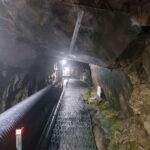
The Third Tunnel is discovered at a distance of 52 km (about 32 miles) from Seoul, in the Paju administrative district, and it was found in 1978. Even the basic measurements are a lesson:
- about 73 m underground depth
- roughly 1,635 m long
- about 2 m wide
That width is the kind of detail that changes how you imagine events. This is not a movie-sized passageway. It’s tight and specific, and facts like that help you understand why tunnels have such a lasting place in DMZ history.
On a practical level, this stop can be crowded. A big plus here is that Kevin Lee helps with crowd flow, so you’re not spending the most important minute of the tunnel area simply waiting.
If you’re bringing older family members, you’ll want to pace yourself. The time on site is about 1.5 hours, but it includes walking and viewing, so wear comfortable shoes.
Dora Observatory: looking across the DMZ from South Korea’s northern edge
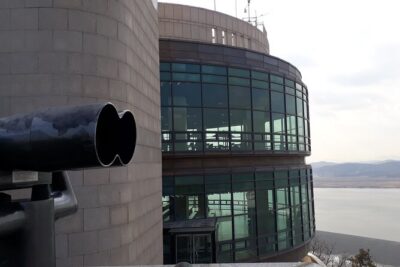
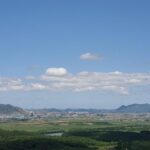
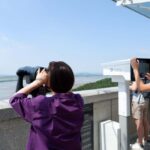
Next up is Dora Observatory, located on Dora Mountain within the DMZ. It’s described as the northernmost observatory in South Korea, giving you an up-close view of North Korea. That’s the phrase that matters: from here, the division becomes visual in a direct way.
I find this stop valuable because it turns “the DMZ” into a real place you’re looking at, not just a map concept. Standing at the observatory, you understand why people fixate on what you can see and what you can’t.
Expect this to take about 1 hour 10 minutes. Like other stops, it’s not just the viewing; it’s the context your guide provides so the sights connect to history and ongoing realities.
You can also read our reviews of more private tours in Seoul


Tongilchon-gil (Unification Village): what life on the boundary implies
Tongilchon-gil, also called Unification Village, sits within the Civilian Control Line. It was founded in 1973, starting with 40 households of veterans and 40 native households.
This stop works best if you think of it as more than a label. “Unification Village” sounds hopeful, but being inside a control line reminds you that daily life here has always been shaped by security rules. It’s a quiet way to understand how division affects more than borders—it affects housing, routines, and who gets access.
Plan for about 30 minutes here. It’s not a long stop, but it’s memorable if you’re paying attention to the “what’s possible and what isn’t” theme that runs through the whole day.
Returning to Imjingak: Mangbaedan and the rhythm of reunion attempts
Going back to Imjingak for a second visit is one of those smart design choices you’ll feel right away. The tour spends more time in this later part, letting you focus on specific parts of the park, including Mangbaedan and the holiday connection for dispersed family members.
If you’re the type who likes to understand a place in layers, this second pass gives you time to slow down. It also helps prevent information overload. You’re not trying to take in everything at once while the bus keeps moving.
If you’re sensitive to emotional topics, this is the section where you might want to step back for a moment—quiet air, quick water, and a chance to reset. Even if the day is intense, you’re not required to force your reaction.
Gamaksan Suspension Bridge: a physical break from heavy history
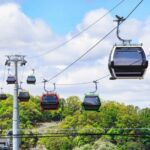
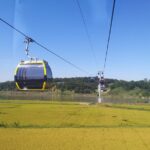
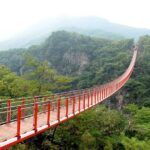
After the DMZ sites, the day shifts gears with Gamaksan Suspension Bridge on Gamaksan Mountain (675 m). This is a suspension bridge built over a deep valley, spanning 150 m and standing 45 m high.
I like adding this kind of stop on a DMZ day. The history is emotionally heavy; the bridge gives your body something to do and your eyes something else to focus on—height, structure, and open views. It’s also a way to remind yourself that the peninsula isn’t only conflict zones. People still live, hike, and build.
This stop runs for about 1 hour. It’s not described as a long trek, but you should still expect walking and some stairs depending on where you enter the bridge area.
Optional War Memorial of Korea: where the story lands
The War Memorial of Korea is an optional add-on on this tour. It preserves and exhibits materials related to the Korean War and is described as a national moral educational venue.
You’ll likely appreciate this if you want historical context to stick after Dora Observatory. The observatory shows you the present-day boundary reality; the museum can help you connect the dots back to the war that created this division.
Because it’s optional, you can choose based on your group. If you have history fans, it’s a strong closing act. If you’re tired—especially after a day with emotional stops—skip it and go for an early dinner near your hotel.
Price, value, and what can add up
The base price is $410 per group (up to 7), and that’s a private experience with hotel pickup and drop-off plus private transportation and guiding fee. For groups, that can be efficient.
Here’s what you should plan for beyond the base:
- Entrance fee: $7 per person
- Meals are not included
- Traveler’s insurance isn’t included
Also, the schedule is 9 hours, so think about how you’ll handle meals and energy. You’ll be in transit and standing at multiple sites. If you’re hungry and you wait until you’re exhausted, you’ll feel the day more than you need to.
In terms of value, the guide component is a major part of what you’re buying. Kevin Lee’s on-time arrival, safe driving, crowd navigation, and clear history explanations are exactly the kind of service that turns a bus ride into an actual learning experience.
Who this tour is best for
This is a great fit if you:
- want a private, small-group DMZ experience from Seoul
- care about connecting DMZ sights to the human story of division
- prefer calm logistics and a guide who can handle day-of traffic issues
- don’t want to give up a nice change of pace with the Gamaksan Suspension Bridge
It may be less ideal if your group is extremely short on time or if you strongly prefer “light” sightseeing only. The DMZ theme is serious. Even when the bridge helps reset you, the day’s core is about war and separation.
Should you book this DMZ + Suspension Bridge tour?
Yes, I think you should book it if you want a guided DMZ day that’s organized, personal, and not just a checklist of famous stops. The combination of Imjingak’s family-separation focus, the Third Tunnel’s concrete measurements, and Dora Observatory’s direct viewing makes the history feel real. Add in Gamaksan Suspension Bridge and the option of the War Memorial of Korea, and you get a balanced day that doesn’t trap you only in somber sites.
Choose this tour especially if you’ll value a guide like Kevin Lee who brings a steady presence, explains clearly, and helps you avoid losing time to crowds or traffic.
FAQ
FAQ
How many people are in the private group?
The tour is private and priced per group for up to 7 people.
How long is the tour?
It’s about 9 hours.
What is included in the price?
The included items are the guiding fee, private transportation, and hotel pick-up and drop-off.
What extra costs should I expect?
Entrance fees are $7.00 per person, and meals are not included. Traveler’s insurance is also not included.
Are mobile tickets provided?
Yes, a mobile ticket is included.
What stops will we visit during the day?
You’ll visit Imjingak Pyeonghoa-Nuri Peace Park, the Third Tunnel, Dora Observatory, Tongilchon-gil, Gamaksan Suspension Bridge, and you may also have the option of the War Memorial of Korea.
What are the tour operating days and hours?
It runs Tuesday through Sunday, 8:00 AM to 5:00 PM, based on the listed operating period.
Where do pickups happen?
Hotel pick-up and drop-off are offered, and the meeting points are listed as near public transportation.
Can I cancel and get a refund?
Yes. There is free cancellation, with a full refund if you cancel at least 24 hours before the experience starts.