REVIEW · DMZ TOURS
Seoul: DMZ Guided Tour with Suspension Bridge and Gondola
Book on GetYourGuide →Operated by Korea Time Tour · Bookable on GetYourGuide
A border walk from Seoul hits hard. I loved the chance to study the division at Dora Observatory, and I also liked the physical reality of walking into the 3rd Tunnel. The one real drawback: it’s a long, full day, and the tunnel involves an incline and tight spaces that can be a deal-breaker if you’re not comfortable with that.
This is the kind of tour where the stops feel connected, not random. You’ll move from mountain views on a swinging suspension bridge to the calmer, float-over feeling of a gondola over the Imjingang River (if you choose it), then end up at places that make reunification feel both close and painfully far.
Plan on respect and rules. Bring your passport with at least 6 months validity (including kids/infants), wear good shoes, and know that access can change for weather or political reasons in this UN-managed zone.
In This Review
- Key things that make this DMZ tour worth your time
- Entering the DMZ From Seoul: more than a photo stop
- Gamaksan Suspension Bridge: the mountain break in a heavy day
- Imjingak + Peace Gondola over the Imjingang River: closer than an overlook
- Visitor Center stop: where the rules make sense
- Third Tunnel of Aggression: the physical reality of history
- Dora Observatory: the best use of a clear day
- Unification Village (and the shop stop that lands differently)
- Dorasan Station: the last South Korean stop
- Gondola vs. Defector session: choose the angle that fits you
- Guides and pacing: why Roy, Patrick, Sean Kim, Ki, and April make the day work
- Value check: is $48 per person a good deal?
- What to pack and what to expect on the ground
- Who this DMZ tour is best for (and who should skip)
- Should you book the Seoul DMZ tour with suspension bridge and gondola?
- FAQ
- How long is the DMZ guided tour from Seoul?
- What’s the price for the DMZ tour?
- Do I need a passport, and how long should it be valid?
- Is the gondola ride available every day?
- Can I do the gondola and meet a North Korean defector on the same day?
- What happens if a site like Dora Observatory is closed?
- Is the 3rd Tunnel suitable for everyone?
- Is food included in the tour price?
- What meeting points are used for pickup from Seoul?
Key things that make this DMZ tour worth your time
- Dora Observatory sightlines: clear-day views across the border into North Korea
- The 3rd Tunnel experience: a guided walk into a tunnel system designed for invasion planning
- Pick your add-on wisely: gondola over Imjingang River OR a North Korean defector session (but not both)
- A real walking challenge: intermediate hiking and steep sections inside the tunnel area
- Multiple “how did history work?” stops: from visitor sites to Dorasan Station, plus shopping time at Unification Village
Entering the DMZ From Seoul: more than a photo stop
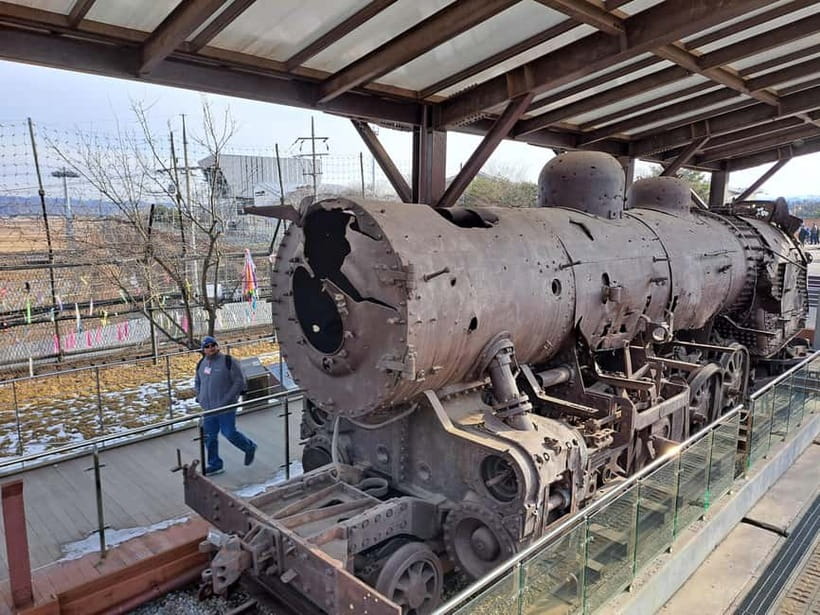
The DMZ is 248 km of the most heavily militarized buffer zone on the Korean Peninsula. On paper, that’s geography. In person, it’s something else: guard posts, boundaries you can feel even when you’re not looking at soldiers, and constant reminders that this is a living political situation—not a museum set.
What I like about this tour is the pacing. You don’t just park at one overlook and leave. You get a sequence that explains how the Korean War, the armistice, and ongoing tensions shaped what’s still here today. It turns a day trip into a story you can actually follow.
It also helps that the tour runs with a professional guide and timed entry. The DMZ sites aren’t “free-for-all” places, so having someone who keeps the group moving and handles rules matters.
You can also read our reviews of more guided tours in Seoul


Gamaksan Suspension Bridge: the mountain break in a heavy day
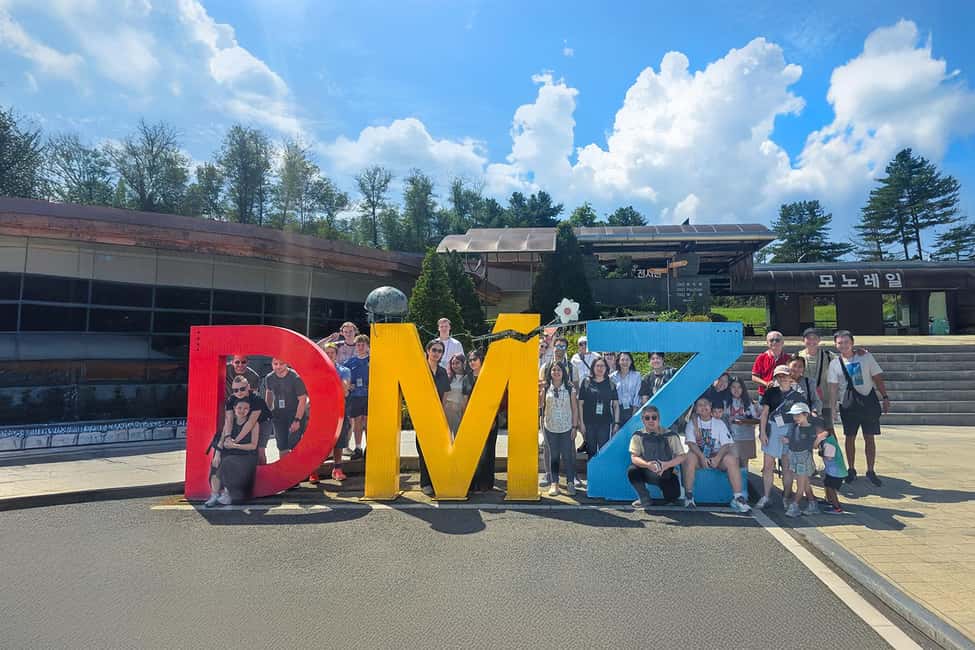
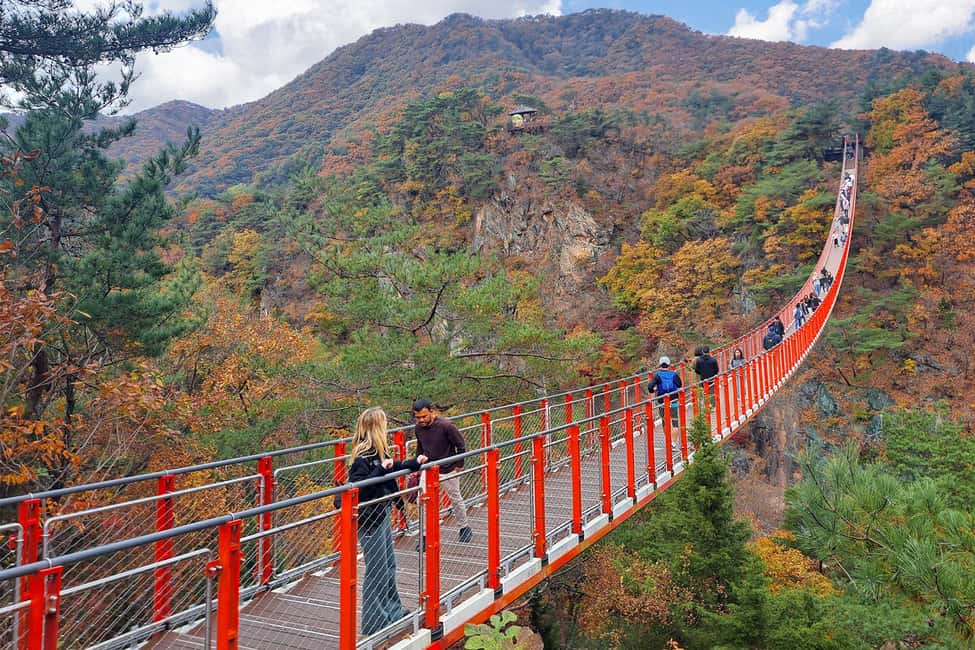
Most DMZ days start with travel time, then a first dose of scenery. Here, you cross the Gamaksan Suspension Bridge—about 150 m and designed for that swinging, slightly nerve-friendly feeling.
This part is more useful than it sounds. It gives you a calm “set your eyes” moment before the day gets intense. And because the bridge is out in the open, you can often get better perspective on how the region sits between mountains and waterways—useful context for everything you’ll see later.
Bring shoes with grip. The bridge is outdoors, and you’ll be standing and walking on uneven ground before/after. If you’re choosing this as an add-on, it’s a nice way to spread the day out so you’re not going from van to tunnel without a breather.
Imjingak + Peace Gondola over the Imjingang River: closer than an overlook
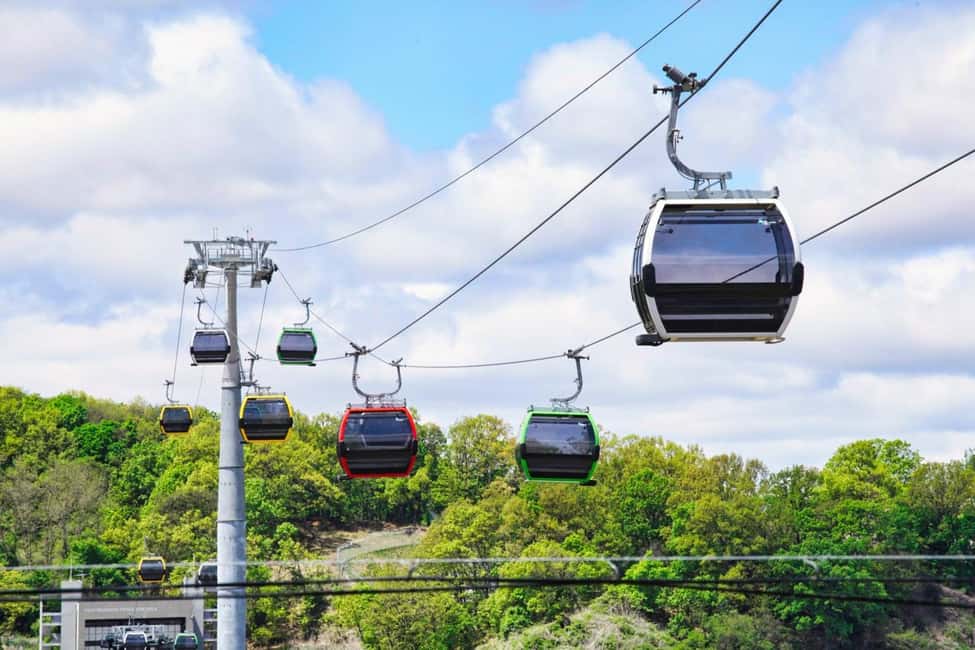
Next comes Imjingak, a key DMZ-area stop where the day shifts from mountain views to the border’s emotional gravity. It’s also the best moment to grab practical things—washroom breaks, snacks if you need them, and a quick reset—because the later sites require focus.
If you opt for the gondola add-on, you’ll cross over the Imjingang River on a gondola ride (self-guided during that hour). The benefit is simple: you’re not only staring across the border from a single height. You’re getting a moving vantage point that feels closer in scale, with different angles as you glide.
Two important notes:
- The gondola is available except Mondays.
- If you choose the gondola, you can’t also do the North Korean defector session. The tour limits you to ONE of those two options.
If your goal is to maximize “visual proximity” without taking on the tunnel, the gondola is the safer bet.
Visitor Center stop: where the rules make sense
Before the tunnel, you’ll usually get a stop at a visitor center. This is where the day gets real in a different way—process, safety, and expectations.
I treat this segment like a warm-up briefing. Pay attention to what the guide tells you about movement, picture rules, and how long you’ll have at each place. In a controlled border zone, small timing issues can snowball into missed access later, and your guide’s job is keeping that from happening.
Third Tunnel of Aggression: the physical reality of history
The highlight most people talk about is the 3rd Tunnel of Aggression—a clandestine passage discovered in 1978. It’s about 1,635 m long, and it was engineered for troop movement. For you as a visitor, the big takeaway is that this is not a “walk past a wall” kind of stop.
Size matters here too. The tunnel is described as about 2 m wide and 2 m high. That means you’re moving through a tight space for a guided period, and you’ll feel the incline.
Key practical points before you consider it:
- It requires intermediate-level hiking and includes steep sections.
- It’s not suitable if you have serious heart issues.
- If you’re very claustrophobic, this can be tough. You can stay outside if you decide it’s not for you.
The upside? The tunnel isn’t just information. It’s the first time the armchair debate becomes a body experience. You understand why people react strongly to this site—even if you already know the facts.

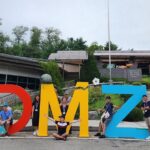

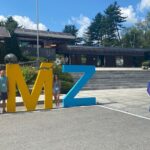
Dora Observatory: the best use of a clear day
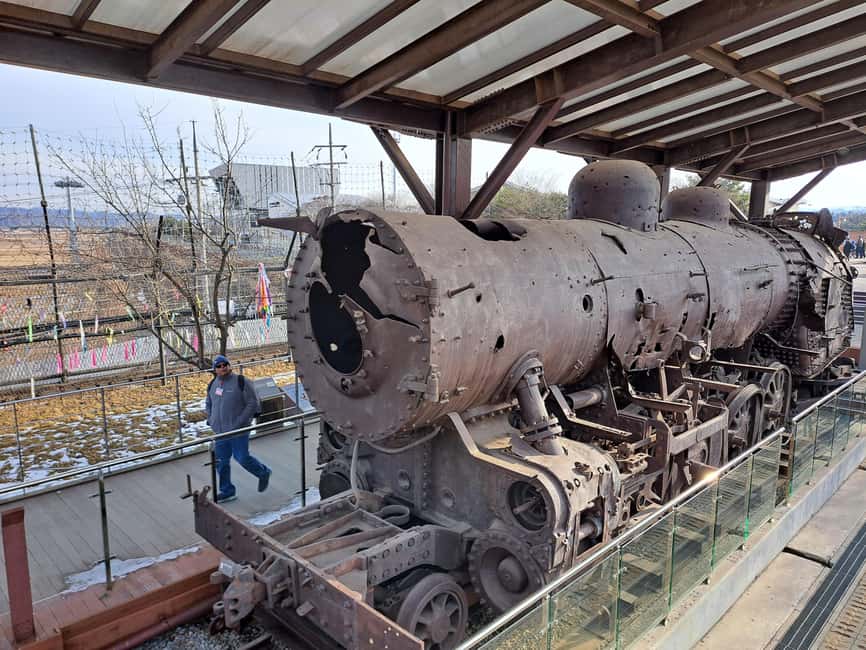
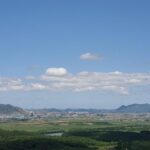
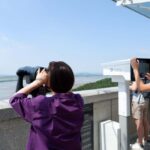
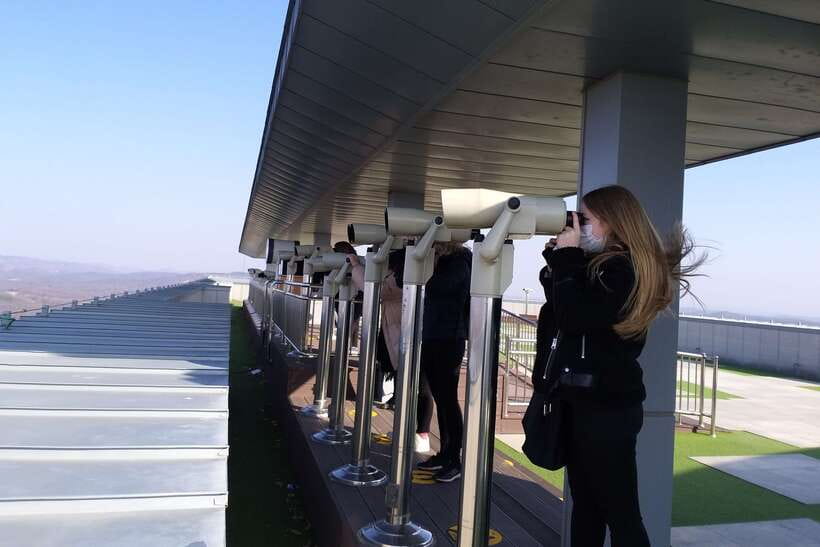
After the tunnel, the day moves to Dora Observatory, where you can gaze toward North Korea. On a clear day, the views can be striking, and the place is built specifically for that moment of looking—binocular viewing, fixed sightlines, and guided context.
This is also one of those stops where the guide’s storytelling changes the experience. I’ve had guides like Roy, Patrick, Sean Kim, and Andrew, and the common thread is that they keep the tone thoughtful without turning the day into sadness. You get the tension and hope threaded through the details, not just dates and names.
If Dora is closed on your day, the tour replaces it with another nearby site. DMZ operations can shift due to weather or political reasons, so I go in expecting a possible swap rather than viewing it as a failure.
Unification Village (and the shop stop that lands differently)
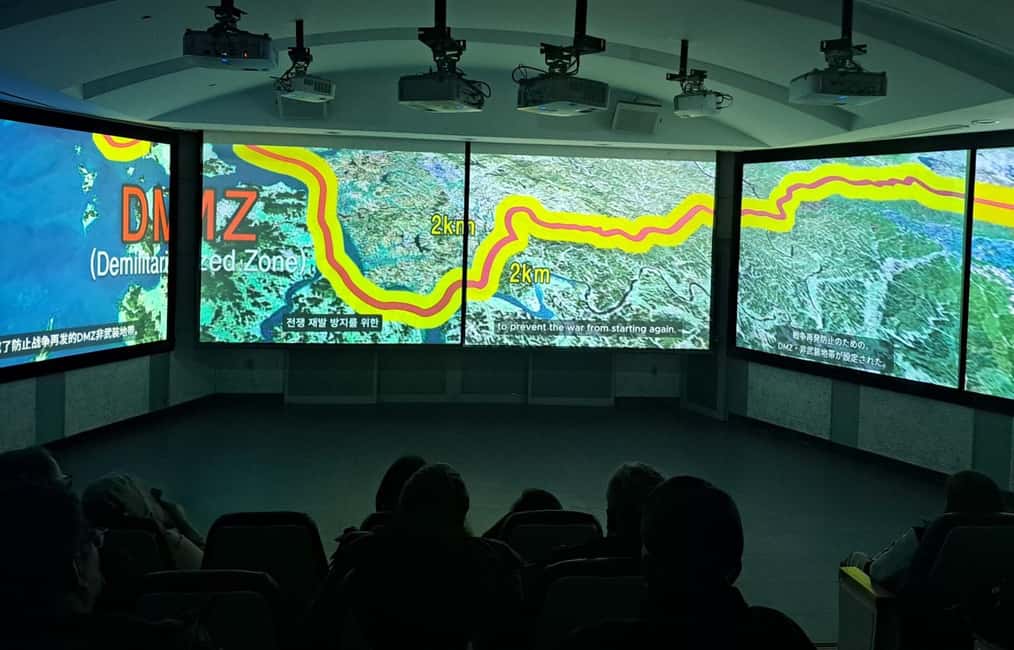
Then you’ll end up at Unification Village with time for shopping. Yes, it’s a shopping stop. But it hits harder than most “souvenir” moments because of where it sits in the day’s emotional arc.
This is where you’ll see the practical side of what separation produces: commerce, nostalgia, and a kind of curated visibility that’s only possible because of controlled border access. Take this time to buy something small if it matters to you—but also take a few minutes just to sit and look out, because the day’s themes settle in during this calmer stretch.
Dorasan Station: the last South Korean stop
The tour culminates at Dorasan Station, described as the last stop in South Korea, with Pyongyang Station 205 km away. Dorasan Station is currently closed, but the symbolism is the point.
I like that the day doesn’t end on a dramatic “gotcha” moment. It ends with a quiet, concrete reminder of how plans for rail, movement, and reunification keep running into the wall of reality.
Even if you’re not a rail-history person, you’ll understand why it matters once you’ve walked the tunnel and looked across from Dora.
Gondola vs. Defector session: choose the angle that fits you
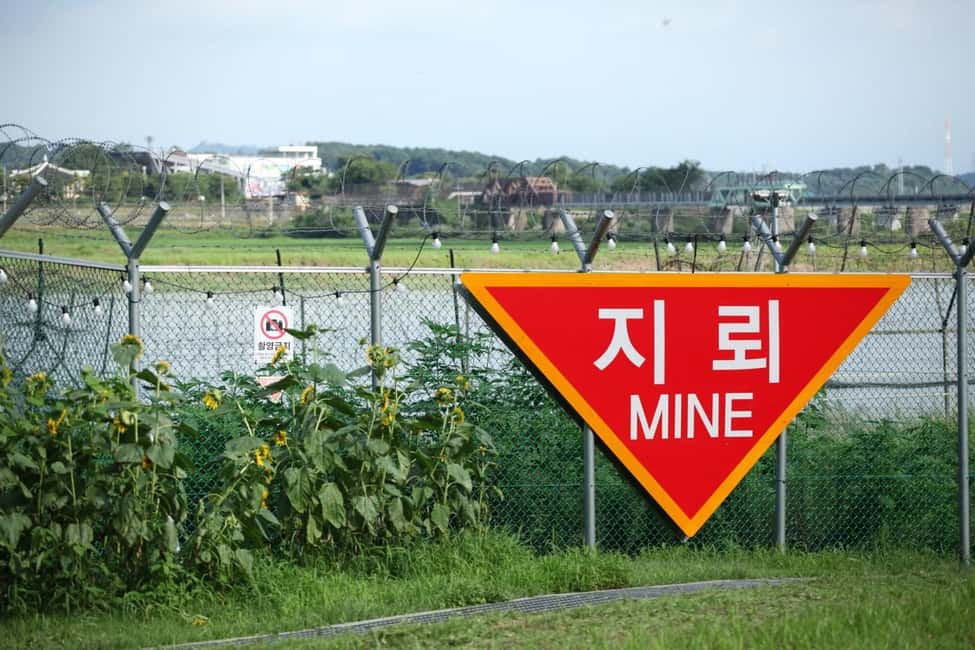
You can add either the Peace Gondola ride or a North Korean defector session, but not both. Both options are unavailable on Mondays.
Here’s how I decide:
- If you want visuals and a lighter physical load after the tunnel, pick the gondola.
- If you want human perspective and direct storytelling, pick the defector session—though it’s not available every day.
Either way, you’re still in the same DMZ framework, so the day’s structure stays coherent. The difference is what kind of meaning you walk away with.
Guides and pacing: why Roy, Patrick, Sean Kim, Ki, and April make the day work
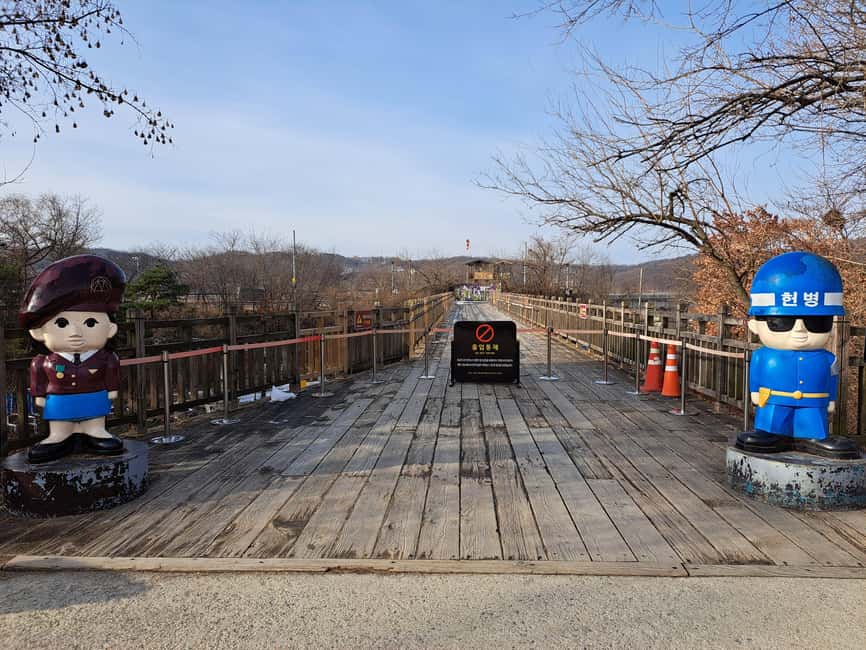
This tour lives and dies by timing and tone. The reviews are full of praise for guides who keep energy up and explanations clear, and you can actually feel that on the day. Guides I’ve seen named include Roy, Patrick, Sean Kim, Ki, Andrew, and April, plus Lizzy stepping in at least once.
Two patterns show up again and again in that guide style:
- They make room for the group, like photo moments and washroom needs, without losing momentum.
- They keep the day factual and engaging, mixing humor with context so you don’t feel trapped in heaviness all day.
That matters on a 7–9 hour day. The DMZ is intense, and your mind needs moments to reset. A good guide helps you do that without wasting time.
Value check: is $48 per person a good deal?
For about $48 per person, you’re buying more than transport to a scenic border. You’re getting:
- transfers from Seoul,
- a professional live guide in English,
- entry into DMZ sites,
- and planned time at multiple landmarks across the day.
DMZ access isn’t something you freestyle cheaply. Most DIY attempts end up costly once you count reliable transportation, site entry requirements, and the time you lose coordinating. Here, the tour consolidates the effort, so your money mostly goes toward doing the right things in the right order.
Food isn’t included, so plan for that. Still, compared to the effort required to piece together a border-zone day on your own, this price feels fair—especially because the tour also has options (gondola and suspension bridge) to tailor your experience.
What to pack and what to expect on the ground
You’ll want to travel light but smart:
- Passport for everyone, including infants, with at least 6 months validity
- comfortable shoes with good grip
And expect the following realities:
- The 3rd Tunnel can be steep and tight. Claustrophobia and heart conditions are serious considerations.
- It’s a long day, so hydration helps—especially in warmer months.
- DMZ access can change based on weather or political decisions in this UN-managed region.
One more tip: if your guide provides binocular help at the observatory area, take advantage. Looking with your own eyes from the right angle is half the point at Dora.
Who this DMZ tour is best for (and who should skip)
This is a strong fit if you:
- want one guided day that hits the major DMZ landmarks,
- are comfortable with structured tours and a tight timetable,
- and like history that connects to geography and geopolitics you can actually stand inside.
I’d think twice or choose the “stay outside” option if you:
- have claustrophobia,
- have serious heart problems,
- or have a low fitness level for incline hiking inside the tunnel area.
If you’re unsure, ask yourself a simple question: are you willing to trade comfort for a firsthand understanding of the tunnel’s constraints? If the answer is no, the outdoor parts can still be meaningful, and your guide can often help you plan around your limits.
Should you book the Seoul DMZ tour with suspension bridge and gondola?
I’d book it if your priority is a well-paced, guided DMZ day that goes beyond a single viewpoint. The combination of Dora Observatory, the 3rd Tunnel, and either the gondola or a defector session gives you multiple ways to understand the same border reality.
But book with honesty about your body. This isn’t a casual walking tour. If the tunnel feels like too much—physically or mentally—make peace with staying outside that section and still enjoy the rest.
If you can travel on a day when the gondola is available, and you’re not choosing the defector session, that gondola ride over the Imjingang River is one of the best “close without entering” options.
And if you’re a first-timer to the DMZ, this is one of the most value-friendly ways to do it from Seoul, at a price that doesn’t pretend the experience is easy.
FAQ
How long is the DMZ guided tour from Seoul?
It runs about 7 to 9 hours.
What’s the price for the DMZ tour?
The price is listed as $48 per person.
Do I need a passport, and how long should it be valid?
Yes. You must bring your passport, and it needs validity of 6 months or longer. This applies to everyone, including infants.
Is the gondola ride available every day?
No. Gondola is unavailable on Mondays.
Can I do the gondola and meet a North Korean defector on the same day?
No. You can only do one of those two options, and both are unavailable on Mondays.
What happens if a site like Dora Observatory is closed?
The tour may replace it with another location if access is closed, often due to weather or political reasons.
Is the 3rd Tunnel suitable for everyone?
No. It requires intermediate-level hiking and involves steep sections and tight spaces. It’s not suitable for people with claustrophobia or heart problems.
Is food included in the tour price?
No. Food and drinks are not included.
What meeting points are used for pickup from Seoul?
Meeting points can vary by option, and pickup is offered with convenient locations such as Myeongdong or Hongdae for join-in tours. Private options may include hotel transfers.