A day trip to the DMZ can feel heavy—this one is also well run. You’ll visit major border-era sites like Imjingak Park & Freedom Bridge and the 3rd Infiltration Tunnel/Dora Observatory area, and you may even catch views toward North Korea when weather cooperates. I especially like how the day has built-in “story moments,” including optional time with a North Korean defector, and I like that the schedule is structured enough to make the day feel complete rather than chaotic.
The main drawback to plan for is physical effort and time pressure. The tunnel visits and bridge sections involve walking on uneven ground and steep climbs, and some parts can be off-limits depending on health conditions—plus the pacing is tight, so you’ll want to be on time at every stop.
In This Review
- Key points to know before you go
- What you’re really signing up for: border history with real-world tension
- Monday vs Tue–Sun: how the itinerary changes the core experience
- Seoul pickup to Imjingak Park: the warm-up that sets the tone
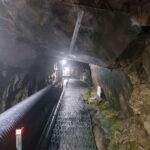
- The tunnel section: what to expect and why it’s the hardest part
- Imjin River viewpoints: Dora Observatory and the DMZ viewing stops
- Imjingak backtrack and Unification Bridge: how the flow keeps you from feeling lost
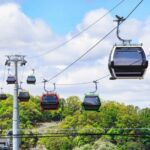
- Mt. Gamak choice: gondola to Gallery Greaves or the swinging suspension bridge
- The North Korean defector meeting: why it can change how you interpret everything
- Pacing and guide style: what the best reviews are really telling you
- Comfort checklist: what you should bring for this kind of walking day
- Price and value: is $45.86 really a bargain for the DMZ?
- Meals, breaks, and the reality of a full-day schedule
- What could go wrong: weather and political changes
- Should you book: who this DMZ tour fits best (and who should skip)
- FAQ
- What parts of the DMZ are included on Tue–Sun?
- What’s different about the Monday itinerary?
- Is the gondola included?
- Is the suspension bridge included?
- Do I have to pay for admission tickets at each stop?
- Are meals included?
- Can I meet a North Korean defector on this tour?
- What if the 3rd tunnel is unavailable?
- How long is the tour?
- Is monorail available during this experience?
- Who should be careful about the tunnel hike?
Key points to know before you go
- Two route versions by day: Mondays focus on the 2nd tunnel; Tue–Sun focus on the 3rd tunnel and Dora Observatory.
- Optional view options near Mt. Gamak: choose the gondola ride or the swinging suspension bridge for photos.
- North Korean territory viewpoints: Dora Observatory and the DMZ viewing points are the big visual payoff.
- 3rd tunnel requires stamina: it’s an intermediate hike, and certain medical conditions can prevent entry.
- Guide-led clarity: guides like Roy, Patrick, and April are praised for keeping the group organized and informed.
- Weather and politics can change plans: the operator may reschedule or switch destinations.
What you’re really signing up for: border history with real-world tension
This isn’t a “stand in front of a monument” kind of tour. The DMZ day is designed to move you from memorial ground into operational border territory—starting with Imjingak’s sorrow-and-memory vibe, then shifting into tunnels and observation points where you can better understand the stakes.
What makes this experience worth the money is the way it strings together locations that explain each other. You start with the people-and-history context at Imjingak, then you get the hard physical reality of the infiltration tunnels, and finally you land at Dora Observatory and nearby stops where you look outward and try to picture how this border has shaped daily life for decades.
You can also read our reviews of more guided tours in Seoul


Monday vs Tue–Sun: how the itinerary changes the core experience
This tour follows two different “main loops,” based on the day you book.
On Mondays, you’ll go the route built around the 2nd tunnel area and nearby sites. That means the 2nd tunnel, plus Peace Observatory, Woljeongri train station, and a suspension bridge. The day leans more into the Cheorwon-side geography and tunnel entry experience.
On Tue–Sun, you’ll take the version built around the 3rd tunnel, plus Dora Observatory and Unification Village. Your route includes Imjingak’s starting area, the 3rd infiltration tunnel exploration, the DMZ Exhibition Hall stop, and observation from Dora Observatory—then crossing into Unification Village.
Why this matters for you: if you’re hoping for the most commonly requested DMZ highlights like Dora Observatory and the 3rd tunnel, book for Tue–Sun. If you want the 2nd tunnel focus, Monday is your best match.
Seoul pickup to Imjingak Park: the warm-up that sets the tone
You start in Seoul, meeting your guide at your selected meeting point. Then the group heads toward Imjingak Park & Pyeonghoa-Nuri Park, which is where the day’s emotional framing begins.
Imjingak is more than a photo stop. It’s the place that helps you understand why the DMZ isn’t just a geography lesson—it’s a rupture. On Tue–Sun, you’ll visit the Imjingak Pyeonghwa-Nuri Park area connected to the 3rd tunnel route. You’ll also get a chance to see remnants tied to the past conflict period, giving you something real to anchor the rest of the day.
If you’re the type who likes context, this early timing is a win. You’re mentally warmed up before you hit the tunnel section, and that makes the later stops easier to absorb.
The tunnel section: what to expect and why it’s the hardest part
The infiltration tunnel is the heart of this day. And yes, it can feel like a workout.
For the 3rd tunnel version (Tue–Sun), the tour includes exploration tied to that 3rd Infiltration Tunnel area along with the DMZ Exhibition Hall. For the 2nd tunnel version (Mondays), the tunnel visit is still a major center point, paired with Peace Observatory and Woljeongri train station.
Important practical note: the operator states that entry to the 3rd tunnel needs an intermediate level of hiking, and people with heart disease or certain back/respiratory/leg problems can’t enter the 3rd tunnel. Even if you’re healthy, treat the tunnel day as “comfortable shoes and steady pace” time, not casual strolling.
If you’re curious about the experience, pay attention to the way the guide sets expectations before each section. The best-rated guides in the program—people like Patrick, Roy, and April—are repeatedly praised for explaining what comes next so you can prepare for walking, climbs, and time limits.
Imjin River viewpoints: Dora Observatory and the DMZ viewing stops
Once you pass through the Unification-area segment, your day pivots toward observation points. For the Tue–Sun loop, that includes Dora Observatory and the stop at Unification Village.
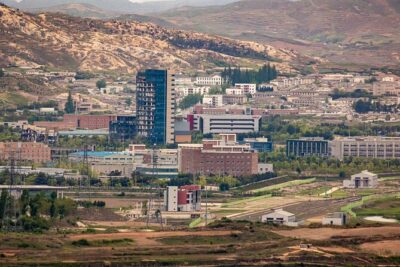
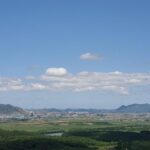
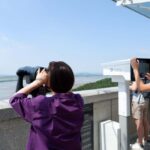
These observation points are why the day feels worth the effort. You’re not just learning the DMZ’s story—you’re standing in the actual vantage situation where South Korea monitors the northern side. On a clear day, the views can make the border feel uncomfortably real, especially when the weather allows for better visibility toward North Korea.
Even if visibility isn’t perfect, the value stays. The observation stops help you understand the logic of the terrain and why certain locations matter for watching, deterrence, and day-to-day tension.


Imjingak backtrack and Unification Bridge: how the flow keeps you from feeling lost
A key detail about this tour is that the route isn’t one straight line. After the initial Imjingak park segment, you return to the Imjingak area to begin the DMZ entrance portion.
That back-and-forth isn’t random. It keeps the day organized: you get the warm-up first, then you move through the border-access portion at the right timing, including stops like the tunnel and Dora Observatory on the Tue–Sun loop.
This is also where your punctuality pays off. The day is structured for multiple stops, and you don’t want to be the person slowing things down.
Mt. Gamak choice: gondola to Gallery Greaves or the swinging suspension bridge
Here’s one of the most enjoyable “choose-your-own-feeling” parts of the day.
If you pick the Gondola option (Tue–Sun only):
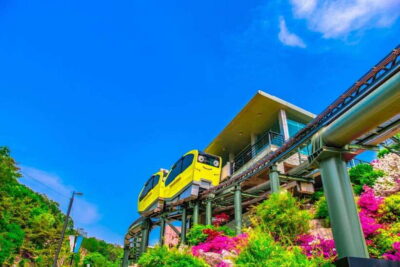
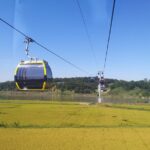
You’ll take the cable car (gondola) to Gallery Greaves. The big appeal is the panoramic ride feel, plus the chance to see the Imjin River from the gondola area. If you prefer less steep walking and more scenic motion, this can balance the day’s harder tunnel segments.
If you pick the Suspension Bridge option (Tue–Sun and also Monday route):
You’ll reach Gamaksan Suspension Bridge (also referred to as Gamaksan Chulleong Bridge in the tour description). This is the swing-and-photo stop. Expect some climbing to reach it, and plan for time to walk up, take pictures, and walk back down.
What I’d advise: pick based on your energy level for the day. Tunnel days already demand effort. If your legs are already tired, the gondola can be a smarter fit. If you want the classic “cross the bridge” thrill and don’t mind a short hike, the suspension bridge adds a memorable physical moment.
The North Korean defector meeting: why it can change how you interpret everything
This tour offers an optional lecture-style meeting with a North Korean defector. If you add it, you’re getting a human layer on top of the tunnels and observation points.
The value here is perspective. When you’ve seen fortifications and monitoring vantage points, the defector talk helps you understand what the conflict and divide mean for real lives. It also tends to make the tour feel less like sightseeing and more like learning how people lived through the system.
The timing depends on your selected options, but the biggest tip is simple: go in with curiosity and quiet attention. This is usually the part people remember for longer than any single viewpoint.
Pacing and guide style: what the best reviews are really telling you
This DMZ day is a long day—about 7 to 11 hours—and it’s built around a bus-group rhythm. The most praised feature isn’t just access to sites; it’s how smoothly the day runs when the guide manages time, instructions, and transitions.
Guides such as Patrick, Roy, and April come up repeatedly for staying organized and keeping information clear. The vibe you want is what those guides are known for: explanations before key areas so you know what to expect, plus steady pressure to keep the group moving.
A word of caution based on common friction points in real experiences: this type of tour can feel rushed if you show up late or if you get stuck waiting for others. If you’re easily frustrated by tight photo windows, you’ll still manage—but you’ll want to keep expectations realistic.
Comfort checklist: what you should bring for this kind of walking day
This is one of those tours where comfort directly affects how much you enjoy it.
Do plan for:
- Walking and steep inclines during tunnel areas and bridge access
- Ground that isn’t designed for flip-flops and casual sandals
- Low-ceiling tunnel conditions (the operator’s info emphasizes hiking difficulty; the tour experience also involves confined tunnel passage areas)
Bring:
- Comfy shoes with grip (seriously)
- A light layer (air-conditioned bus rides plus outdoor areas can swing temperatures)
- Water (meals aren’t included, and you’ll want something for the long day)
Medical considerations matter. If you have heart disease or leg/back/respiratory problems, the 3rd tunnel access rule can limit participation. If you’re unsure, check before booking so you don’t get surprised on the day.
Price and value: is $45.86 really a bargain for the DMZ?
At $45.86 per person, this looks inexpensive for a day that includes round-trip transfers, air-conditioned vehicle time, English-speaking guidance, admission to the included attractions, and optional gondola/suspension bridge access depending on what you select.
Is it a “cheap deal”? Not exactly in the sense that you’ll enjoy it without effort. The value comes from getting a structured route through multiple high-demand sites in one day, instead of trying to piece together transport yourself. You’re paying for access, timing, and a guide who helps the history make sense while you’re moving between border sites.
Also, the tour can switch destinations if the 3rd tunnel is unavailable. That means the operator tries to keep your day from collapsing—even if the exact route changes.
Bottom line: it’s good value if you’re comfortable with a full schedule and active walking.
Meals, breaks, and the reality of a full-day schedule
Meals and drinks are not included, and that’s one of the first things you should plan for. The day has multiple attraction stops, so your “food strategy” matters.
If you’re picky about lunch, don’t assume you’ll have your favorite options. You may get a short break area, but you shouldn’t treat lunch as a highlight.
If you want to feel better during the day:
- Eat something before you meet the group
- Carry snacks you can handle easily
- Use water to avoid the late-day energy dip that comes from walking and climbing
What could go wrong: weather and political changes
This DMZ day depends on conditions. The operator notes that it can be canceled due to weather or political situation. If that happens, you’ll be offered a different date or a full refund.
For you, the practical implication is simple: don’t build your schedule like this is your only DMZ chance. If you have flexibility, this tour becomes easier to enjoy because you’re not locked into one single day.
Should you book: who this DMZ tour fits best (and who should skip)
Book this tour if you want:
- A single-day DMZ plan that connects Imjingak, tunnel experiences, and observation points
- Clear guidance and structured pacing (especially if you want to understand what you’re seeing)
- The option to add gondola for scenery or suspension bridge for a more active photo moment
Skip or reconsider if:
- You’re not comfortable with steep walking and tunnel hiking requirements
- You need a very slow pace and long stop times at each place
- You’re sensitive to schedule changes due to weather or political conditions
If you’re visiting Seoul and want a serious DMZ experience without spending days coordinating transport, this is a solid choice.
FAQ
What parts of the DMZ are included on Tue–Sun?
On Tue–Sun, the tour focuses on the 3rd tunnel route, including Imjingak areas, the 3rd Infiltration Tunnel, the DMZ Exhibition Hall, Dora Observatory, and Unification Village.
What’s different about the Monday itinerary?
On Mondays, the tour visits the 2nd tunnel, Peace Observatory, Woljeongri train station, and a suspension bridge.
Is the gondola included?
The gondola is included only if you select the gondola option when booking. Otherwise, it’s not part of the experience.
Is the suspension bridge included?
The suspension bridge is included only if you select that option when booking. On Mondays, a suspension bridge stop is part of the route.
Do I have to pay for admission tickets at each stop?
Admission to attractions is included as part of the tour.
Are meals included?
No. Meals and beverages are not included.
Can I meet a North Korean defector on this tour?
Yes, meeting a North Korean defector is listed as an optional add-on.
What if the 3rd tunnel is unavailable?
If the 3rd tunnel is unavailable, it can be changed to another destination.
How long is the tour?
The duration is listed as about 7 to 11 hours.
Is monorail available during this experience?
No. Monorail is not available.
Who should be careful about the tunnel hike?
If you have heart disease or leg/back/respiratory problems, you cannot enter the 3rd tunnel, which requires an intermediate level of hiking.