REVIEW · COOKING CLASSES
Vegan Korean Food Cooking Class: Gimbap, Sundubu Jjigae, and more
Book on Viator →Operated by Tofu Artist · Bookable on Viator
Tofu turns into a full Korean dinner. This small-group vegan Korean cooking class in Itaewon focuses on tofu and builds a real meal around classics like gimbap and sundubu jjigae, plus soy pulp pancakes and a flower-topped treat. I like that it is hands-on from start to finish, not a sit-and-watch demo, and you also get guidance from the friendly instructor Soomin on ingredients and how the dishes fit Korean food culture.
My other favorite part is the small size, with a maximum of 4 travelers, which makes it easier to get step-by-step help as you cook. One thing to consider: the space is on the 3rd floor with no elevator, so plan your arrival accordingly if stairs are an issue.
In This Review
- Key Highlights You’ll Care About
- Where World Food Street Itaewon Fits Into Your Plan
- Price and What You Get for $75
- The 2.5-Hour Cooking Flow: Gimbap, Sundubu-Jjigae, Biji-Jeon, and Hwa-Jeon
- Making Sundubu-jjigae from Scratch
- Rolling Vegan Gimbap
- Cooking Biji-Jeon (Soy Pulp Pancakes)
- Shaping and Cooking Hwa-Jeon with Edible Flowers
- Instructor Soomin and the Step-by-Step Approach
- What to Bring (and How to Eat This Day Like a Pro)
- Who This Workshop Is Best For
- Logistics and Comfort Notes in Plain Terms
- Should You Book This Vegan Korean Cooking Class?
- FAQ
- What dishes do I make in this workshop?
- Is the class fully vegan?
- How long is the experience?
- Where is the class located?
- What time does it start?
- Is it a small group?
- Do I need to print a ticket?
- Is gluten-free available?
- Is confirmation guaranteed after booking?
- Is free cancellation available?
- Is there an elevator at the venue?
Key Highlights You’ll Care About
- Small group, max 4 travelers, so you get real attention while you roll gimbap and cook
- Sundubu-jjigae cooked from scratch, so you learn the method, not just the result
- Takes you beyond gimbap with biji-jeon (soy pulp pancakes) and hwa-jeon (flower-topped rice dough)
- Vegan-friendly and Muslim-friendly, with gluten-free available on request
- Edible flowers used for plating, so your dishes look as good as they taste
- A full meal you can eat on-site, with tips that help you keep eating vegan after Seoul
Where World Food Street Itaewon Fits Into Your Plan
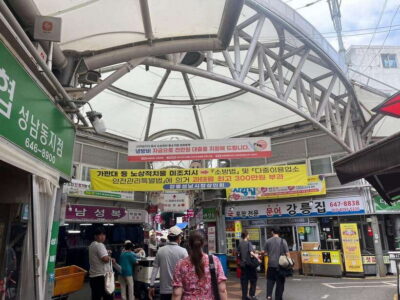
The workshop starts in Itaewon-dong, in Seoul’s Yongsan District, in the area often linked with World Food Street. That matters because Itaewon is easy to combine with other activities: you can do a museum or market earlier in the day, then come here at 11:00 am for a focused, food-centered block of time.
This class is also designed for people who want Korean food without the guesswork. You’re not just tasting what Seoul offers. You’re learning how key flavors and textures come together in vegan-friendly versions, using tofu as a core ingredient. If you’ve ever struggled to find plant-based meals that still feel truly Korean, this workshop is a practical answer.
You’ll receive a mobile ticket, and the activity ends back at the meeting point. So you don’t have to worry about extra transfers afterward, which is a big deal when your day is already packed.
You can also read our reviews of more food & drink experiences in Seoul
Price and What You Get for $75

At $75 per person for about 2 hours 30 minutes, this falls into the “worth it if you want to cook” category. You’re paying for instruction plus ingredients plus the time it takes to actually make multiple dishes. In other words, it is not only about a single dish or one quick tasting.
Here’s why the value is stronger than it first appears:
- You’re making a sequence of dishes that each require a different technique: rolling, simmering, pan-cooking, and shaping dough.
- You leave with a full meal you cooked yourself, which is useful on vacation days when you’d otherwise spend money on dinner plus maybe a snack.
- The class format stays small (max 4), which usually translates into more help and fewer frustrations when something sticks to the pan or your gimbap roll feels too tight.
Also, if you’re the type who likes to go home and repeat what worked, you’ll appreciate the step-by-step approach described by multiple participants. When an instructor walks you through the “why” behind ingredients and process, it sticks. That’s how a cooking class becomes a souvenir you can actually use later.
The 2.5-Hour Cooking Flow: Gimbap, Sundubu-Jjigae, Biji-Jeon, and Hwa-Jeon

The biggest strength of this workshop is that it strings together classics and variations, so you end up with a full Korean meal rather than a random snack set. You’ll work through the dishes in a planned order, moving from savory soups to rolls to pancakes and finally a flower-topped rice dough dish.
Making Sundubu-jjigae from Scratch
Sundubu-jjigae is the kind of Korean comfort food that instantly feels like a meal. Here, you’re not just assembling it. You cook sundubu-jjigae from scratch, which is the valuable part. You learn how tofu works in a simmered context and how the dish becomes creamy and hearty.
For you, this is more than one recipe. It’s a method you can reuse when you want a weeknight-style comfort bowl later: tofu as the base, broth as the backbone, and a balance of flavors that turns simple ingredients into something that reads distinctly Korean.
A practical note: soup classes can get warm and a bit active. Wear something you can move in, and keep your water bottle handy if the room feels stuffy.
Rolling Vegan Gimbap
Next up is gimbap assembly and rolling. Gimbap looks deceptively simple, but getting clean slices and a roll that holds together takes practice. You’re building the skills in real time, not just watching someone else do it.
This is where the small group size helps. When the roll feels too loose or you’re unsure about how tightly to pack, you benefit from getting corrections while you’re still in the process.
If you care about plating and presentation, this part has a visual payoff. Gimbap is one of those foods that instantly signals Korean even before you taste it.
You can also read our reviews of more tours and experiences in Seoul


Cooking Biji-Jeon (Soy Pulp Pancakes)
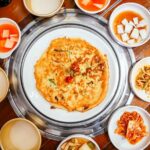
Then you shift to biji-jeon, made with soy pulp. This is an interesting stop because it shows that tofu-adjacent ingredients can be used in more than one way. If you associate Korean vegan cooking only with tofu cubes and soy-based soups, soy pulp pancakes broaden your sense of what is possible.
The technique is pan-based, so you’ll get comfortable with heat control and timing. It’s also the kind of dish that can teach you how batter texture should behave, which helps if you later experiment at home.
Expect your confidence to jump here. Pancakes and jeon-style foods are more forgiving than they look, and once you understand the consistency, everything feels less mysterious.
Shaping and Cooking Hwa-Jeon with Edible Flowers
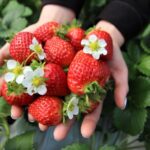
You finish with hwa-jeon, using shaped glutinous rice dough and garnishing with seasonal edible flowers. This part is a mix of technique and aesthetics. You’re not only making something to eat; you’re making something that looks intentional.
For me, this is one of the best additions to a cooking class because it connects food to Korean seasonal presentation. Edible flowers are not always part of everyday cooking, so you learn how a special ingredient can change the vibe of a dish.
It also means you leave with a story you can tell later: you didn’t just cook “a vegan dessert.” You made a flower-topped dish designed to look beautiful and feel special.
Instructor Soomin and the Step-by-Step Approach
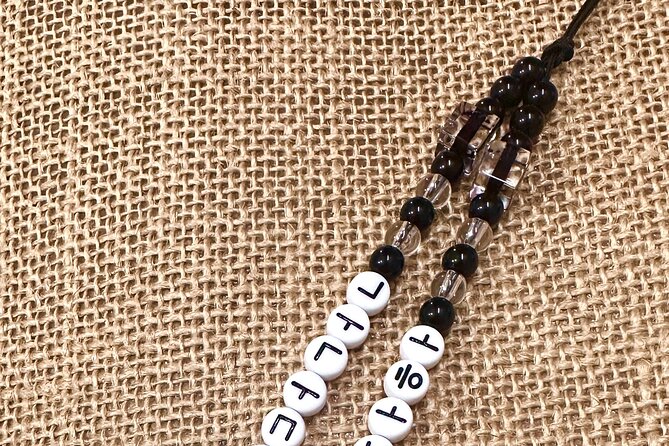
The instructor, Soomin, is a consistent highlight. Participants point out clear explanations and a friendly teaching style that keeps you from feeling lost mid-cook. Step-by-step guidance matters most when you’re doing tasks that require muscle memory—rolling gimbap and shaping dough, for example.
Soomin also explains ingredients and traditions, and several participants specifically mention getting useful tips on vegan food in Seoul. That is practical information you can actually use after class when you’re hungry again and want more options than the usual tourist-friendly spots.
If you’re a complete beginner in Korean cooking, this kind of teaching style is a big reason the workshop earns such strong ratings.
What to Bring (and How to Eat This Day Like a Pro)
You’ll be active for about 2.5 hours, cooking multiple dishes. I recommend you plan your day like you want this to be your main meal. One participant even suggests bringing a box for leftovers, so if you’re the type who likes to extend a good meal, bring something small you can pack with.
Also keep these practical points in mind:
- Bring a small bag for personal items you won’t use while cooking.
- Wear comfortable clothes for kneading, rolling, and standing.
- If you request gluten-free, do it ahead of time (the class notes that gluten-free is available on request). That way the kitchen can plan properly instead of scrambling last minute.
If you tend to travel with picky eating needs, this class is explicitly vegan, vegetarian, and reducetarian-friendly, and it is marked Muslim-friendly. That combination helps you feel confident you won’t be forced into compromises just to eat Korean food.
Who This Workshop Is Best For
This is a great fit if you want more than a plate of food. You want skills.
You’ll likely love it if:
- you’re vegan or vegetarian and want a Korean meal that feels authentic in technique
- you want to learn how to cook with tofu in more ways than one
- you enjoy hands-on classes where you control what happens in the pan
- you prefer a small group so your questions actually get answered
It can also work for reducetarians who want to eat fewer animal products but still crave the flavors of Korea. And because this class includes tips on vegan eating in Seoul, it suits people who plan to keep eating this way after the workshop ends.
Logistics and Comfort Notes in Plain Terms

Here are the facts that can affect your comfort:
- Start time: 11:00 am
- Duration: about 2 hours 30 minutes
- Group size: maximum 4 travelers
- Location: Itaewon-dong, Yongsan District, Seoul
- No elevator: 3rd floor
- Near public transportation
- Service animals allowed
- Ends back at the meeting point
- Mobile ticket
If stairs are a concern, I’d treat the 3rd floor no-elevator note as the only real drawback worth planning for. Otherwise, the location and public transport access should make the class easy to slot into a normal Seoul day.
Should You Book This Vegan Korean Cooking Class?
Book it if you want a hands-on Seoul vegan Korean cooking class that turns into a full meal and a set of repeatable techniques. The combination of sundubu-jjigae, gimbap, biji-jeon, and hwa-jeon is what makes this class feel complete. It’s not just learning one dish; it’s learning a Korean food skill set through multiple methods.
Skip it only if you’re looking for a quick tasting tour, because this is a cooking workshop with active participation. Also consider skipping if you strongly dislike stairs, since the venue is on the 3rd floor with no elevator.
If you’re choosing between “eat Korean food somewhere” and “learn to cook Korean food,” this is the better choice. You’ll leave with food, skills, and advice for eating vegan in Seoul after the class ends.
FAQ
What dishes do I make in this workshop?
You’ll cook and prepare sundubu-jjigae, gimbap, biji-jeon (soy pulp pancakes), and hwa-jeon (glutinous rice dough topped with seasonal edible flowers).
Is the class fully vegan?
Yes. The workshop is described as a Korean Vegan Cooking Workshop and is vegan-focused.
How long is the experience?
It lasts about 2 hours 30 minutes.
Where is the class located?
The meeting point is in Itaewon-dong, Yongsan District, Seoul, in the area connected with World Food Street.
What time does it start?
The start time is 11:00 am.
Is it a small group?
Yes. The class has a maximum of 4 travelers.
Do I need to print a ticket?
No. The class uses a mobile ticket.
Is gluten-free available?
Gluten-free is available on request.
Is confirmation guaranteed after booking?
You should receive confirmation within 48 hours of booking, subject to availability.
Is free cancellation available?
Yes. You can cancel for a full refund if you cancel at least 24 hours before the experience’s start time.
Is there an elevator at the venue?
There is no elevator, and the activity is on the 3rd floor.