REVIEW · DMZ TOURS
One Day DMZ and Seoul Private Tour
Book on Viator →Operated by OnedayKorea · Bookable on Viator
You can feel the tension in your bones. This DMZ day tour from Seoul mixes tense landmarks with classic city sights, ending at N Seoul Tower for an easy, scenic wrap-up.
I like two things a lot: the day is built around big, specific DMZ stops like the third infiltration tunnel and Unification Bridge, and you also get real Seoul context with an English-speaking guide plus time at Gyeongbokgung Palace.
One thing to consider: the tour markets private comfort, but DMZ entry rules require a transfer to a shared, government-approved shuttle bus for security. It is still your group during the tour itself, just not inside every vehicle segment.
In This Review
- Key highlights that make this tour worth your time
- The DMZ in one practical day: what you actually see
- Price and value: what you’re paying for at $203.85 per person
- How the day flows: pickup, Seoul context, then DMZ landmarks
- Stop 1: DMZ visit and the admissions that save you friction
- What makes the DMZ segment click
- The big three DMZ stops: tunnel, Unification Bridge, and Dora Observatory
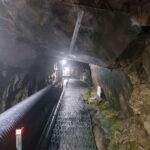
- The third infiltration tunnel
- Unification Bridge
- Dora Observatory and the propaganda village views
- Imjingak and optional extra DMZ sights: where the day may expand
- DMZ logistics you should plan for: shuttle rules and what to expect
- What to do with this information
- Seoul stops that actually add value: city orientation and Gyeongbokgung Palace
- A practical timing tip
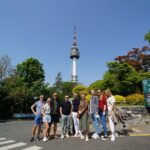
- N Seoul Tower ending: optional cable car and observatory choices
- What the guide does (and why that matters at the DMZ)
- Private vs group: what you really get for your money
- Who should book this DMZ + Seoul private day
- Quick planning checklist before you go
- Should you book this DMZ and Seoul private tour?
- FAQ
- How long is the DMZ and Seoul private tour?
- Is hotel pickup and drop-off included?
- Is the DMZ admission ticket included?
- Is Gyeongbokgung Palace admission included?
- Does the N Seoul Tower visit include the observatory or cable car?
- Is this tour truly private?
- What is the cancellation policy?
Key highlights that make this tour worth your time
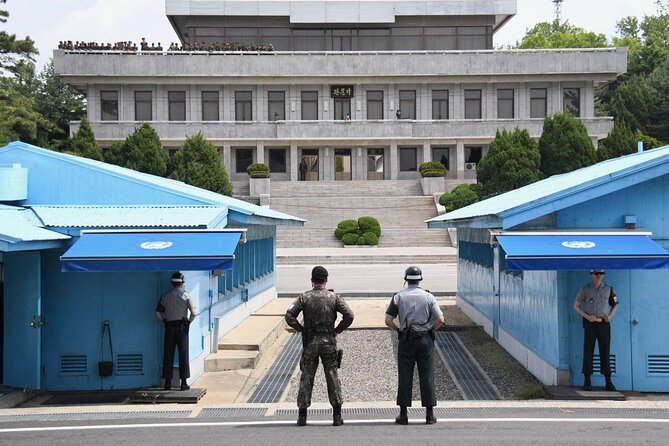
- Third infiltration tunnel and Unification Bridge: the kind of stops that turn headlines into something you can point at
- Dora Observatory views: looking across toward the propaganda village helps you understand why this place matters
- Small-group private format (2 to 8 people): easier pacing than a big bus tour
- Hotel pickup and drop-off by private vehicle: you avoid Seoul navigation stress on a long day
- N Seoul Tower at the end: a smoother emotional landing after a heavy morning at the DMZ
- Guides like Theo, Brian, Billy, Jonathan, Jay, and Kim: clear, patient leadership shows up in real-world feedback
The DMZ in one practical day: what you actually see
The DMZ isn’t a museum you stroll through at your own pace. It is a controlled, rule-driven visit where timing, security steps, and weather all matter. That is why I like tours that give you a guide with an itinerary that actually works in real life, not just a list of famous names.
This one runs about 7 hours (often described as an 8-hour day), with hotel pickup and drop-off and private vehicle transport. You are not left guessing where to go, which entrance to use, or how to manage the day’s flow. If you only have a short Seoul stay, this format can be a smart way to fit the DMZ into a tight schedule.
Also, the pacing tends to make sense: you start in the DMZ area, then you move back into Seoul to decompress with palace time and a city-tower finale. After a day centered on division and conflict, that arc matters.
You can also read our reviews of more private tours in Seoul


Price and value: what you’re paying for at $203.85 per person
At $203.85 per person, this is not a budget excursion. So I look at what you get that you likely cannot replicate with the same ease: hotel pickup, private-vehicle transport, and English-speaking guidance tied to specific DMZ landmarks. When you factor in the time and hassle, the price often starts to feel more reasonable.
Another value point: it can run with a maximum of 8 people per booking, and you need at least 2. Smaller groups usually mean fewer “wait for everyone” moments and better flexibility if the day gets slowed by traffic or weather.
It also shows up in reviews through guide quality. Names like Theo, Brian, Billy, Jonathan, Jay, and Kim come up for friendliness, careful pacing, and clear explanations. A good guide is especially important at the DMZ, where you will see things that are easy to misread if you only have captions.
One more practical note: the tour page says it’s commonly booked about 39 days in advance on average. If you want a specific day or want to avoid last-minute price pressure, plan ahead.
How the day flows: pickup, Seoul context, then DMZ landmarks
Your morning starts with hotel pickup. From there, you head toward the DMZ area with an English-speaking driver/guide. The tour includes a dedicated first stop labeled DMZ, with an admission ticket included there. That matters, because DMZ entry is not the same as most sightseeing tickets.
After the DMZ portion, the plan shifts back to Seoul. There is time for Seoul sightseeing (about 2 hours) with explanations, followed by a longer, named cultural stop at Gyeongbokgung Palace (about 1 hour). Palace admission is not included, so budget for that if you want to fully experience the grounds.
Then the tour ends with N Seoul Tower. The visit is included, but the observatory and cable car are optional and not included. That gives you a simple choice based on your energy and time.
Stop 1: DMZ visit and the admissions that save you friction
The DMZ portion is the heart of the day, and it is built around you seeing the place with your own eyes. The tour description points to a set of landmarks that are strongly associated with North-South tension, including the third infiltration tunnel and Unification Bridge, plus viewpoints like Dora Observatory.
The itinerary lists DMZ as a stop with a 30-minute slot and notes the admission ticket is included. In practice, the time you spend at actual viewing areas can feel tight, because security checks and transit eat into the day. That is why having your guide handle sequencing is so useful.
What makes the DMZ segment click
This is not just seeing a line on a map. The value is in the connections your guide makes between what you’re standing next to and why it was built, used, or restricted. Without that guidance, it is easy to walk away with photos but not much understanding.
Also, the DMZ can be emotionally heavy. If you already know that, great. If not, expect a quiet kind of shock when you realize how much effort both sides put into controlling the narrative.
You can also read our reviews of more tours and experiences in Seoul




The big three DMZ stops: tunnel, Unification Bridge, and Dora Observatory
Here are the landmark moments that define the tour.
The third infiltration tunnel
This stop is one of the most talked-about DMZ sights for a reason. The tour centers on the third infiltration tunnel, which helps you understand how the peninsula’s conflict played out not only through armies and borders, but through plans for movement and intrusion.
It is the type of site where your brain goes from abstract history to real, physical evidence. Even if you do not love military history, it is still a powerful way to grasp the scale of the situation.
Unification Bridge
Next up is Unification Bridge, described as the bridge used for prisoner exchanges in 1953. That detail changes the tone. You can still feel the tension, but you also see that this system has produced human moments, not just threats and slogans.
You’ll want to take your time here. The bridge is a visual anchor point, and it helps you line up what you saw earlier with what you will see next.
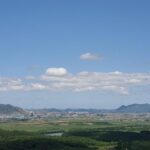
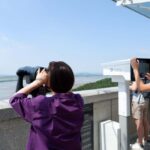
Dora Observatory and the propaganda village views
The tour includes time at Dora Observatory, where you can look over North Korea’s propaganda village. That is not the same as a normal city viewpoint. It’s framed as a way to see how information and symbolism operate right at the border.
If you’re the type who likes your photos with context, this is the section that will satisfy you. If you need uplifting scenery, you might want to pace yourself emotionally—this viewpoint can hit hard.
Imjingak and optional extra DMZ sights: where the day may expand
The tour overview mentions Imjingak Pavilion as part of the DMZ experience. That area is often where guides add more context around separation, memory, and the human side of the conflict.
Some guidance styles in past tours also included additional stops around the Imjingak area such as a steam engine display, Skywalk, Bridge of Freedom, and Beat 131 (an underground bunker site). Whether you see these exact extras depends on how the day runs, but the key point is this: you’re not only going to two or three stops. Your guide is trying to build a connected picture.
If you’re a photo person, these kinds of stops give you variety. You get views, structures, and interpretive displays—not only border-distance panoramas.
DMZ logistics you should plan for: shuttle rules and what to expect
Here is the one real-life snag that matters. Even when you book a private tour, DMZ visitors must transfer to a shared, government-approved shuttle bus for security reasons. That requirement is out of the tour provider’s hands.
So yes, you might start the day in a private vehicle from your hotel, then switch vehicles for the DMZ segment. From a comfort standpoint, that can be frustrating. From a practical standpoint, it is the standard rule for entry.
What to do with this information
Pack for a long, controlled day:
- Wear comfortable shoes for walking in a security-controlled environment
- Bring a layer if it’s chilly or windy
- Keep your patience for the transfer and checks
If anyone in your group has mobility needs, I recommend you communicate that clearly during booking and ask how the vehicle transfer typically works for your time slot. The tour data doesn’t spell out accessibility details beyond the shared shuttle requirement, so it’s worth asking directly.
Seoul stops that actually add value: city orientation and Gyeongbokgung Palace
After the DMZ, you are not dropped back in Seoul with no plan. You get an on-the-ground 2-hour Seoul tour with explanations. The exact mix of sights in that block is not detailed here, but the purpose is clear: you get context fast, so the palace visit and tower stop land better.
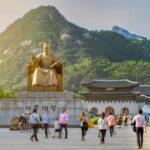
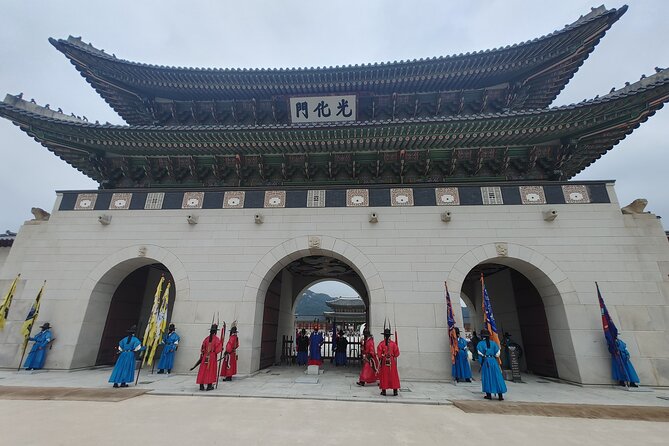
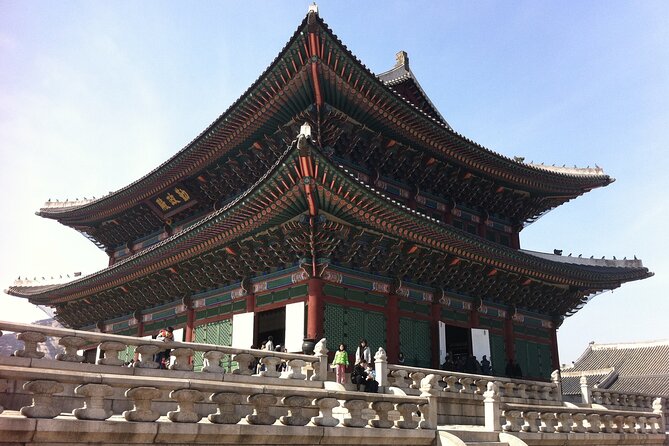
Then comes Gyeongbokgung Palace, listed as a 1-hour stop. This is described as the greatest palace in the Joseon Dynasty. It is a strong choice because palaces tell you how power, design, and daily life connected in Korean history.
The one drawback: admission is not included. That means you need to budget additional money and time for entry. It is still worth it, but it’s not a zero-cost add-on.
A practical timing tip
Palaces can be slow, even when the schedule is tight. If you love details, you may want to linger right at your favorites. If you prefer a quick overview, focus on the main halls and courtyards that interest you most.
N Seoul Tower ending: optional cable car and observatory choices
The tour finishes with a visit to N Seoul Tower. This is a great closer for two reasons.
First, after the DMZ, you want a change of pace. The tower gives you a simple, scenic reward without forcing you into another long museum-style stop. Second, it’s a view-friendly environment where timing matters less than in the palace and DMZ segments.
The tour data says:
- The N Seoul Tower tour is included
- The observatory and cable car are optional and not included
So you can decide based on your budget and how much you want to pay for the view. If you’re traveling with people who hate lines or extra stairs, you can skip the cable car and still get a satisfying skyline feel.
What the guide does (and why that matters at the DMZ)
In the feedback, certain guide styles show up again and again. Names like Theo and Brian are associated with friendly, engaging delivery. Billy and Jay come up for careful pacing—no rushing, plenty of time to absorb. Jonathan shows up in notes for making it worth the money, and Kim appears as helpful and pleasant with solid historical facts.
You should expect a guide who can explain:
- what you’re looking at
- how each stop connects to the broader conflict
- what rules shape access and viewing
At the DMZ, that ability changes your day. Two groups can see the same landmarks and leave with totally different understanding.
Private vs group: what you really get for your money
This is labeled as a private tour, limited to your group (max 8). That generally means you avoid the slow, loud group dynamics that can come with larger buses.
But remember the security shuttle rule. That is the main place where your private experience may feel less private than the name suggests. Still, you are not sharing your core day with strangers the way you would on a typical mass-group itinerary.
If you care about comfort and a calmer pace, private is usually the right call for this kind of trip.
Who should book this DMZ + Seoul private day
This tour makes sense if you:
- want a first-time DMZ experience without transportation hassle
- like having your history framed through real, visible landmarks
- want a full day that mixes heavy sights with a normal Seoul finish
- prefer a small group size rather than a large coach experience
It may not be the best fit if you:
- hate vehicle transfers after pickup
- have very limited patience for security-controlled logistics
- only want a quick, surface-level look (the DMZ is heavy; it’s not made for that style)
If your goal is a simple DMZ photo stop with zero context, you may feel rushed here. If your goal is meaning, this format is built for you.
Quick planning checklist before you go
- Budget for Gyeongbokgung Palace admission (not included)
- Decide in advance if you want the N Seoul Tower observatory/cable car
- Wear layers and comfy shoes
- Bring a camera, but also bring curiosity
- If anyone needs special help, ask how the shared shuttle segment typically affects your route
Free cancellation is offered up to 24 hours before the start time, so you can book without feeling trapped.
Should you book this DMZ and Seoul private tour?
I’d book it if you want one day that covers the DMZ’s most talked-about landmarks—third infiltration tunnel, Unification Bridge, and Dora Observatory—and then rewards you with classic Seoul stops like Gyeongbokgung Palace and N Seoul Tower. The hotel pickup, small-group private format, and consistent mention of guide quality are strong signs this is more than a drive-by tour.
I would hesitate only if you strongly dislike any transfer or extra vehicle steps. The shared shuttle rule is real, and it can affect comfort for some visitors. If that’s a concern, ask before you commit.
Overall, it’s a solid use of limited time in Seoul, especially if you want your DMZ visit explained, not just scheduled.
FAQ
How long is the DMZ and Seoul private tour?
It runs about 7 hours (the description also frames it as an 8-hour day), including hotel pickup and drop-off and time at the DMZ and Seoul sights.
Is hotel pickup and drop-off included?
Yes. The tour includes hotel pickup and drop-off from your Seoul hotel.
Is the DMZ admission ticket included?
Yes. The DMZ stop includes an admission ticket.
Is Gyeongbokgung Palace admission included?
No. Gyeongbokgung Palace admission is not included even though the tour includes about an hour there.
Does the N Seoul Tower visit include the observatory or cable car?
The N Seoul Tower visit is included, but the observatory and cable car are optional and not included.
Is this tour truly private?
It is private in the sense that only your group participates (2 to 8 people). However, DMZ entry requires a transfer to a shared government-approved shuttle bus for security.
What is the cancellation policy?
You can cancel for a full refund up to 24 hours before the experience start time.