REVIEW · DMZ TOURS
Seoul: Paju DMZ Private Tour with Former US Military Base
Book on GetYourGuide →Operated by KTOURSTORY · Bookable on GetYourGuide
A divided border, told up close. I like how this private DMZ day strings together real sites—especially the Third Infiltration Tunnel and the Dora Observatory telescope views—so the story makes sense fast. The main drawback is physical: you’re descending into a cramped, dim tunnel and the tour isn’t stroller or wheelchair-friendly.
I also appreciate the hassle-free flow. Hotel pickup and drop-off in central Seoul, plus a single English/Chinese guide, means you spend the day on the border sites rather than coordinating buses. One more consideration: weather and traffic can shift timing, so build in patience on a long day that runs close to 10 hours.
In This Review
- Key things to know before you go
- DMZ in one day: why this Paju route works
- Hotel pickup, private pacing, and what a 10-hour day is really like
- Imjingak Park and the Peace Gondola option over the Imjin River
- Camp Greaves: former U.S. military base relics turned peace-culture site
- Third Infiltration Tunnel: helmets, claustrophobia, and the hard-to-forget walk
- Dora Observatory: telescopes aimed north toward places like Kaesong
- What your guide can change: John, Jenny, Julie, and the art of clear explanations
- Price and value at $483 per person: what you get, what you pay separately
- Practical prep: passport, IDs, and how to handle the day’s physical moments
- Should you book this Paju DMZ private tour?
- FAQ
- How long is the DMZ tour from Seoul?
- Where does the tour start and end?
- What’s included in the ticket price?
- Are meals included?
- Do I need a passport?
- Is the Peace Gondola included?
Key things to know before you go
- Third Tunnel conditions can feel tight and dark, even with the provided safety helmet.
- Dora Observatory is one of the rare public telescope stops aimed toward North Korea.
- Camp Greaves connects Cold War relics to today’s peace message through exhibits and activities.
- Imjingak Park sets the emotional context before you go further into the DMZ area.
- Lunch and meals aren’t included, so plan your own food during free time.
- Passport and valid ID matter for entry; mismatched details can mean denial into DMZ areas.
DMZ in one day: why this Paju route works
The DMZ is one of those places that can feel distant in news headlines, then painfully close once you’re standing near the lines that shaped the Korean War and the decades after. What I like about this Paju-focused route is that it doesn’t just show one viewpoint. You get the emotional setting, the military past, and the limited-looking-into-North-Korea moment in the same day.
This tour is also built for time-starved Seoul visitors. You’re not piecing together separate buses and separate tickets. You’re traveling as a group with a guide, hitting several of the DMZ’s best-known stops while the day is still young enough to feel energetic. For first-timers, that “big picture plus specific locations” combination is exactly what you want.
That said, a DMZ day is still a DMZ day: long, controlled, and weather-dependent. If you’re expecting a casual stroll through a park, you’ll want to adjust your expectations before you go.
You can also read our reviews of more private tours in Seoul

Hotel pickup, private pacing, and what a 10-hour day is really like
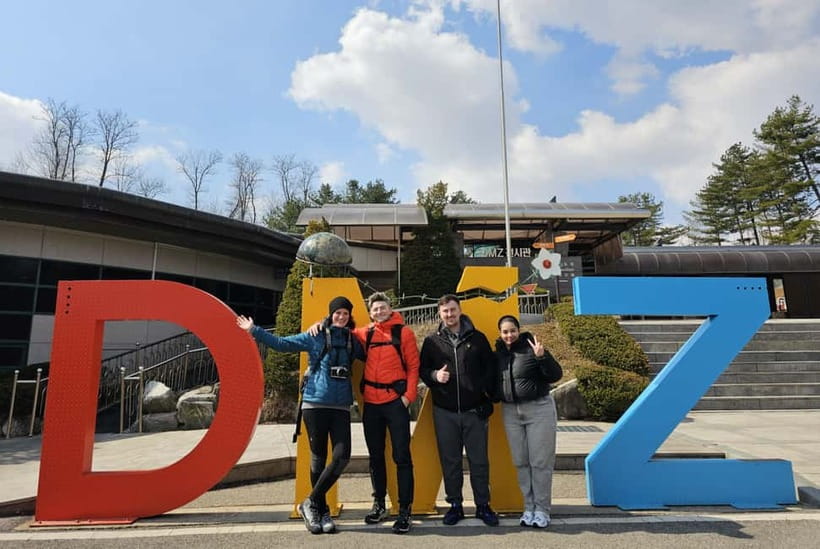
You start with a morning hotel pickup from central Seoul. The meeting point is typically a station-area drop-off zone, and the guide asks you to be ready at the lobby at least 10 minutes before pickup. Then you’re on a coach for transfers between key DMZ locations.
The “private group” format matters more than people think. Even when you’re sharing space with only a handful of people, you can usually spend extra time at stops and ask follow-up questions. Several guides on this circuit are praised for answering questions patiently and keeping the history grounded in everyday context. Names that come up often include John, Jenny, Julie, Jonathan, Cecilia, and Chuck Park—each noted for friendly, thorough explanations and a calm pace.
Plan on a full day with multiple segments. Between driving, photo stops, guided interpretation, and fixed viewing times, you’ll likely spend most of the day outdoors or on transit. Wear shoes that handle walking on uneven ground and keep layers handy for changing weather.
Imjingak Park and the Peace Gondola option over the Imjin River
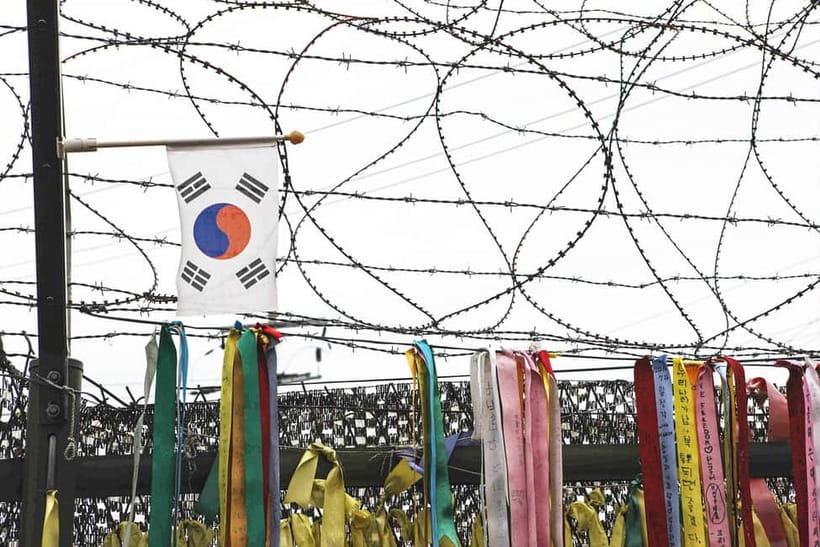
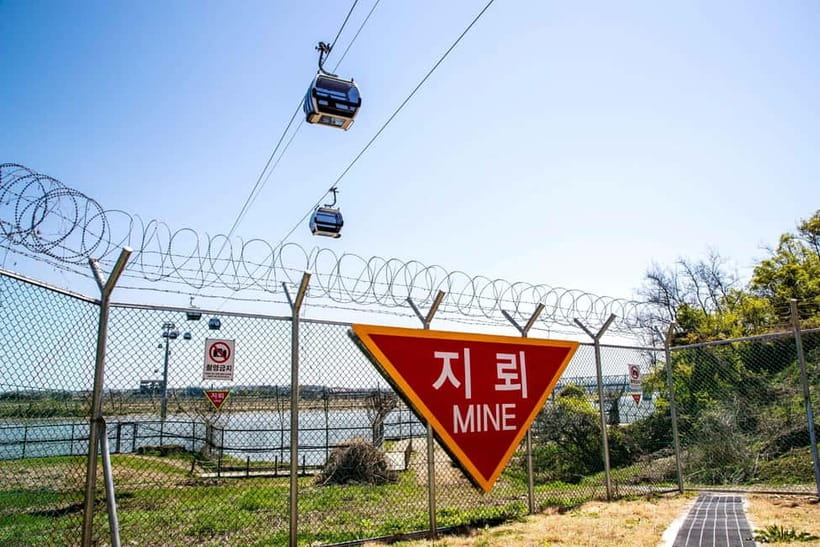
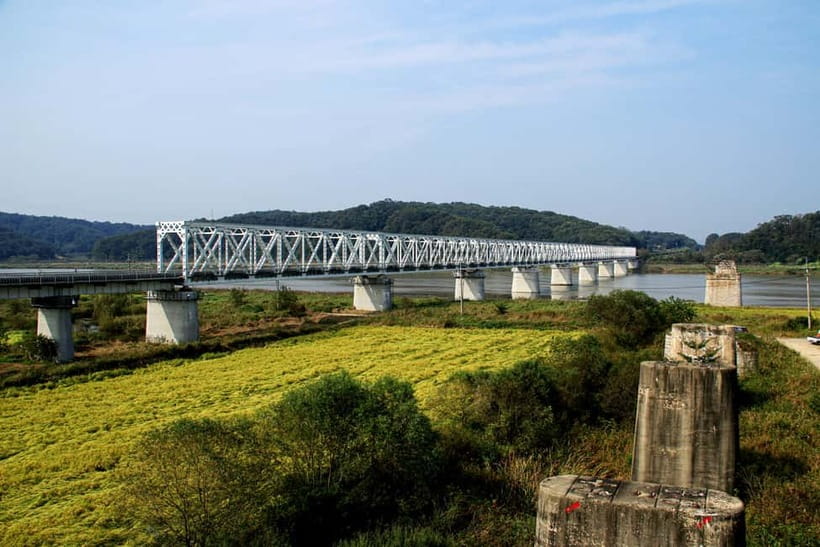
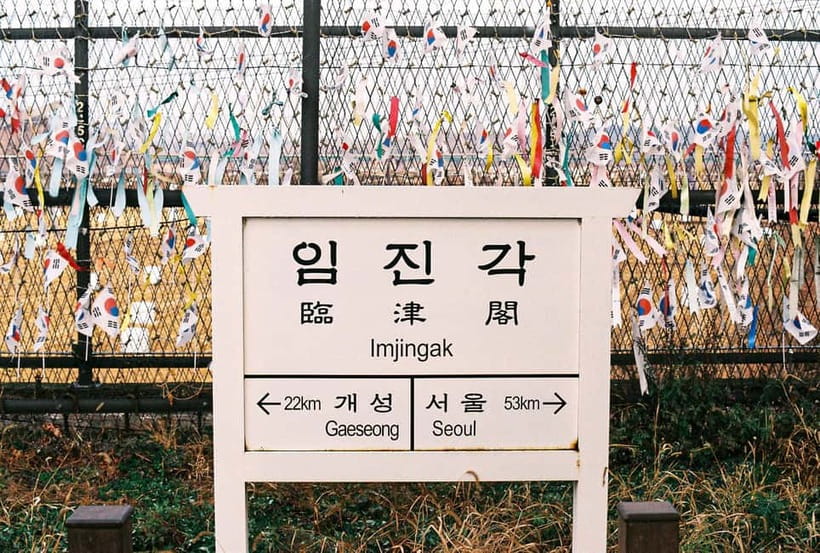
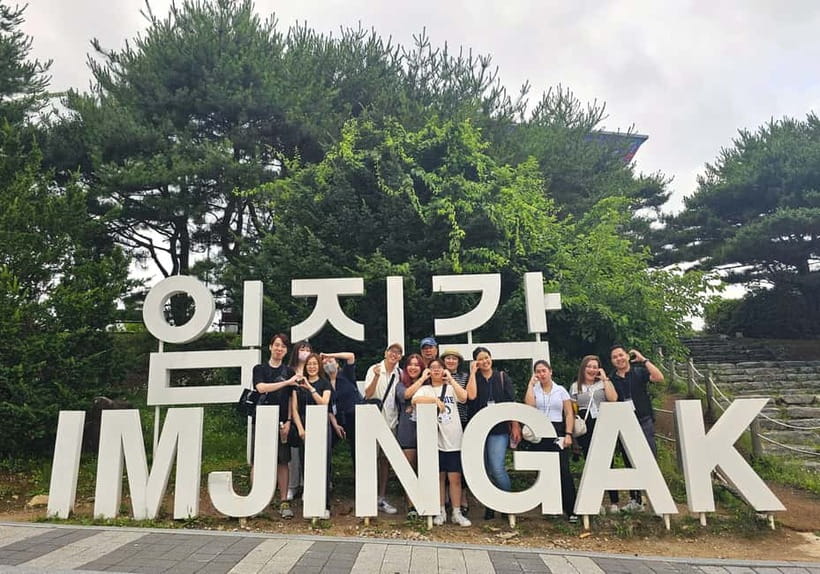
Imjingak Park is your first pause for reflection. It’s designed around Korean War memory and the hope of reunification, and it gives you the “why this matters” feeling before you move into more technical Cold War sites. From here, you can overlook the Imjin River and the border-area scenery.
I like Imjingak as a starting point because it frames the day emotionally and historically. You’re not just looking at military artifacts or tunnel engineering yet. You’re remembering why those things exist, and why this area stays so symbolic.
There’s also an optional add-on: a Peace Gondola ride across the Imjin River. It’s not included in the base price, so you’d pay extra for the ticket. If you’re the type who likes views with context, it can be a nice break from walking and a way to get a different angle on the border landscape.
If it’s foggy or cold, you might not get the clearest views. That’s normal here. Still, the park’s message holds steady no matter what the sky does.
Camp Greaves: former U.S. military base relics turned peace-culture site
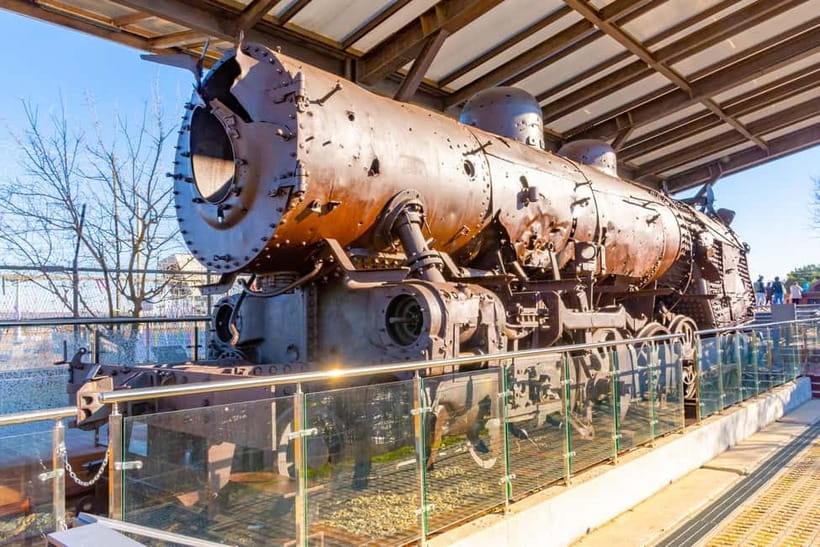
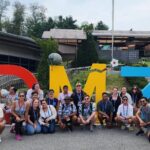
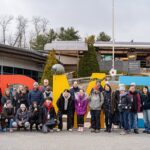
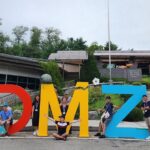
After Imjingak, you head to Camp Greaves, a former U.S. military base. This is where the day shifts from reflection to tangible remnants of the Cold War era: old barracks, military facilities, and other reserved relic areas you can see during your visit.
What makes Camp Greaves more than a photo stop is what’s been built around it now. The site is transformed into a peace-culture experience area with exhibitions and interactive programs. So you don’t just look at decay. You see how the past is being interpreted into a message about peace and consequences.
You’ll typically get time for photos and sightseeing here, and then the route moves onward. If you’re a history person, you’ll probably find this stop satisfying because it answers a question the whole DMZ raises: what did the border look like to soldiers and planners back then?
A practical note: since you’ll be moving between stops on a schedule, take your photos early if there’s a moment with good light. Later, you may be focused on the next major attraction.
Third Infiltration Tunnel: helmets, claustrophobia, and the hard-to-forget walk
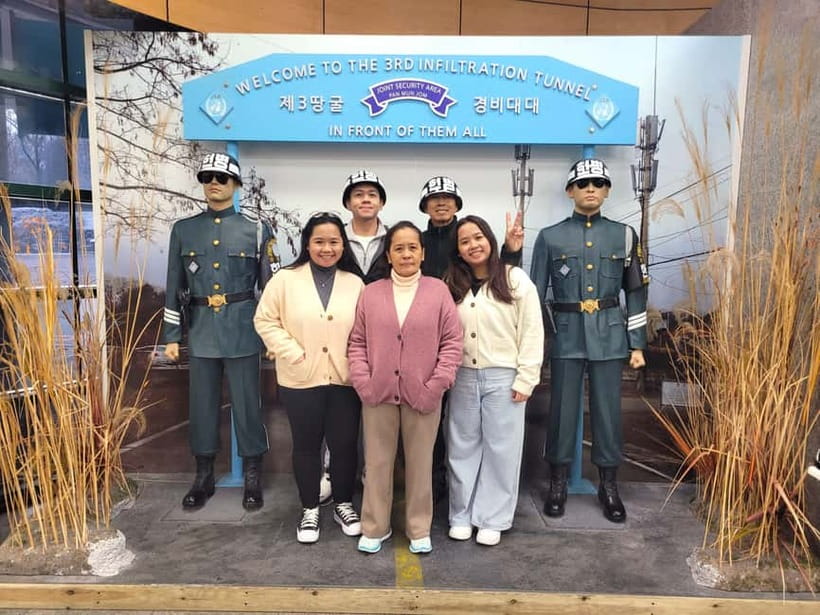
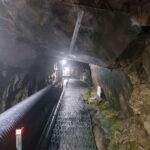
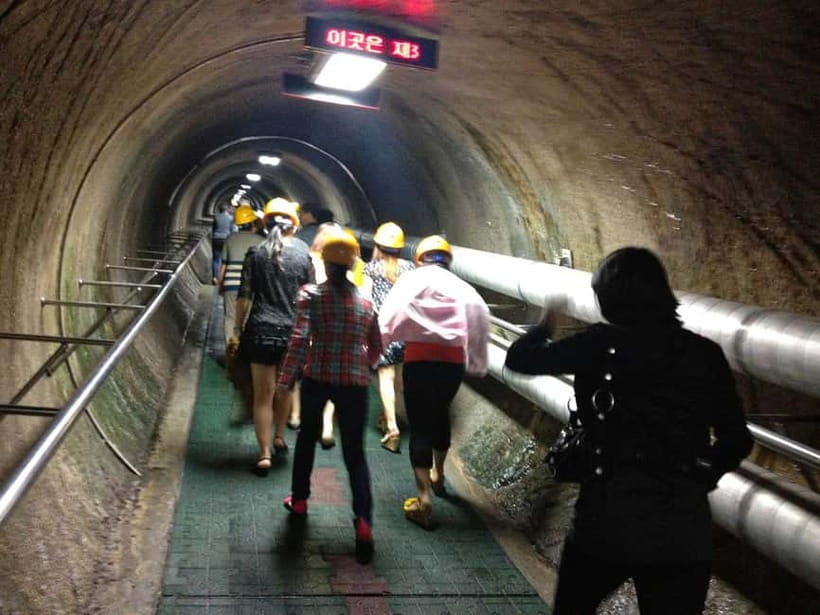
The Third Infiltration Tunnel is the day’s most intense physical experience. It’s a secret passage discovered in the 1970s, dug by North Korea during the Cold War, and it runs more than 1.6 km long.
Before you go in, you put on a safety helmet. Then you descend into the tunnel environment—cramped, dim, and tight enough that you feel the scale differently than you would from outside. This isn’t a “look around easily” kind of attraction. It’s a controlled walk that gives you a firsthand sense of how claustrophobic a forced entry route would be.
I recommend treating this stop like a mini challenge. Go slowly, keep your helmet secured, and focus on how the space compresses your sense of distance. Even if you know the history on paper, the tunnel teaches you with your body.
If you’re sensitive to tight spaces, consider whether the tunnel is right for you. There’s no way to make it comfortable. The value is in experiencing the reality of the passage, not in avoiding it.


Dora Observatory: telescopes aimed north toward places like Kaesong
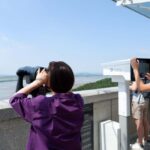
Next comes Dora Observatory, positioned at a high point along the northern line of the DMZ. It’s one of the rare public places where you can peer into North Korea through telescopes.
On clear days, those telescopes can reveal North Korean border-area towns, including Kaesong. Some visitors also mention seeing statues associated with Kim Il-sung from the viewing equipment, which shows why this site is so historically and politically charged.
I like Dora because it turns the border from a concept into a visible target. You’re seeing what’s reachable, what’s visible, and what remains out of reach. It’s also where the day’s emotions often shift: after tunnel darkness and military artifacts, the open-air “look north” moment brings back a sense of scale.
Expect waiting time in the viewing area depending on conditions and the group’s rhythm. If you want the best chance for clear views, keep your eyes open during the earlier stops too—when the weather cooperates, the whole day improves.
What your guide can change: John, Jenny, Julie, and the art of clear explanations
On a DMZ tour, the guide is not a luxury. It’s the difference between collecting landmarks and truly understanding what you’re looking at.
Across this tour style, the most praised guides are the ones who connect the dots without making it feel like a lecture. John is repeatedly described as friendly and information-rich. Jenny and Julie come up as especially thorough, with a style that makes complex history easier to follow. Jonathan is noted for strong knowledge and organization, while Cecilia is praised for kindness and for answering questions not just about the DMZ, but about life in both Koreas.
Even when groups are small, guides still matter because they can pace your time. Some guides are called out for letting the group rest and stay a bit longer at key spots when it’s warranted. That small flexibility helps you avoid the feeling of being rushed through something heavy.
If you want the best experience, go in with curiosity and questions. Ask about what you see at each stop, then ask how it connects to what you saw earlier. Guides like these tend to appreciate that, and you’ll likely get better answers than you could from a guidebook alone.
Price and value at $483 per person: what you get, what you pay separately
At $483 per person for a 10-hour private DMZ day, you’re paying for a tightly managed experience. In practical terms, that price covers hotel pickup and drop-off, round-trip transportation, an English and Chinese speaking guide, DMZ admission fees, and the Camp Greaves experience fee.
That’s not a small thing. DMZ logistics are where budget tours often fall apart. Here, you’re already inside the system with transportation set, fees handled, and a guide coordinating timing so you don’t waste your day waiting around.
What’s not included is important for your final budget:
- Meals (there’s lunch/free time, but you pay)
- Gondola ticket (optional)
- Traveler’s insurance
- Personal expenses
So I think the true “value” depends on your comfort with a full-day structure and your preference for private, guided interpretation. If you want a one-day answer to the DMZ that actually feels coherent, this price can make sense. If you’re trying to stretch every won, you might feel the cost once you add lunch and any optional gondola ride.
Practical prep: passport, IDs, and how to handle the day’s physical moments
DMZ access is paperwork-heavy compared with most sightseeing. You should bring a passport, and the tour guidance also stresses bringing valid ID for all guests on the tour day, including children. Make sure the information matches your passport exactly. If you provide incorrect details, you may be denied entry into the DMZ area.
On the comfort side, this tour is not stroller and wheelchair-accessible. It also includes a tunnel walk, so pack your mindset accordingly. Bring layers for early morning and changing outdoor conditions. If you tend to get cold in enclosed areas, note that the tunnel is dim and enclosed by design.
For meals, don’t assume lunch is included. You’ll have lunch time/free time around the Imjingak area and also later during the day. Plan where you’ll eat or budget for food you purchase on your own.
Finally, remember that the schedule can be affected by traffic and weather. A DMZ day has a way of reminding you that you’re visiting a controlled border area, not an amusement park.
Should you book this Paju DMZ private tour?
Book it if you want one guided day that covers the DMZ’s most iconic stops in a logical order: Imjingak for meaning, Camp Greaves for Cold War relic context, the Third Tunnel for bodily firsthand reality, and Dora Observatory for telescope views into North Korea.
Skip it or think twice if tight spaces make you uncomfortable or if you need stroller/wheelchair access. Also consider whether you’re ready for a long, structured day with potential weather or timing shifts.
If you do book, you’ll get the most from it by going in with questions and a calm pace. This is the kind of tour where the guide’s clear explanations—whether you end up with John, Jenny, Julie, Jonathan, Cecilia, Chuck Park, or another guide on the program—can turn “big sights” into a day you actually understand.
FAQ
How long is the DMZ tour from Seoul?
The tour runs about 10 hours.
Where does the tour start and end?
It includes hotel pickup and drop-off in central Seoul, with multiple possible drop-off locations in Seoul at the end of the day.
What’s included in the ticket price?
The price includes hotel pickup and drop-off, round-trip transportation, an English and Chinese speaking guide, DMZ admission fees, and the Camp Greaves experiences fee.
Are meals included?
No. Meals are not included, though the schedule includes lunch/free time where you can get food on your own.
Do I need a passport?
Yes. You should bring a passport, and you’ll also need valid ID for all guests on the tour day, including children.
Is the Peace Gondola included?
No. The Peace Gondola ticket is not included and would be an optional add-on with an extra fee.