REVIEW · DMZ TOURS
Private DMZ the 3rd Tunnel Tour from Seoul (optional Red Bridge)
Book on Viator →Operated by VIP TRAVEL Co.Ltd · Bookable on Viator
A border you can visit, under strict rules. This private DMZ tour from Seoul packs the big emotional sights into a well-paced day, from Imjingak Peace Park to the Third Tunnel. I love that it’s private for up to 6 people with hotel pickup and a guide who keeps the war-and-border story clear and personal, not like a lecture. I also love the timing of the most visual stops, especially Dora Observatory where you get the closest look at North Korea that visitors are allowed to experience. One drawback: start time and the exact order can shift due to military guidelines, and refunds aren’t available if that happens.
You’ll also spend real time at the memorials and bridges along the Imjin River, not just roll through them. On past tours, guides like Ray, Alice, Lina, Diane and Tom have been praised for fast answers, good explanations, and helping people get the best photos. Just be ready for the paperwork reality: you’ll need your passport, and inside the DMZ you may transfer to a group shuttle bus if your party is under 30.
In This Review
- Key highlights at a glance
- Private DMZ from Seoul: what your 8-hour day is really like
- Pickup, mobile ticket, and the DMZ entry reality
- Imjingak Peace Park and the Imjin River stops that hit hardest
- Bridge of Freedom: the moment freedom is acted out
- Mangbaedan Memorial Altar: honor for families still waiting
- Imjin River Dokgae Bridge: the scars are part of the view
- Jangdan Station’s steam locomotive: war damage turned into an exhibit
- Peace Bell and Unification Bridge: hope in big public objects
- A bus-side look at the Imjin River
- The Third Tunnel of Aggression: one stop that feels physical
- Dora Observatory: your best legal view toward North Korea
- Tongilchon-gil and the optional Gamaksan Chulleong Red Bridge
- Why the guide makes (or breaks) a DMZ day
- Price and value: is $500 per group worth it?
- Who this tour suits best (and who should think twice)
- Should you book this private DMZ tour?
- FAQ
- Is this a private tour?
- How many people is the private group limited to?
- Where does pickup happen in Seoul?
- How long is the tour?
- Do I need a passport?
- What languages are the guides?
- Is lunch included?
- Are admission fees included?
- Is there a dress code for the DMZ?
- Can the tour start time change?
Key highlights at a glance
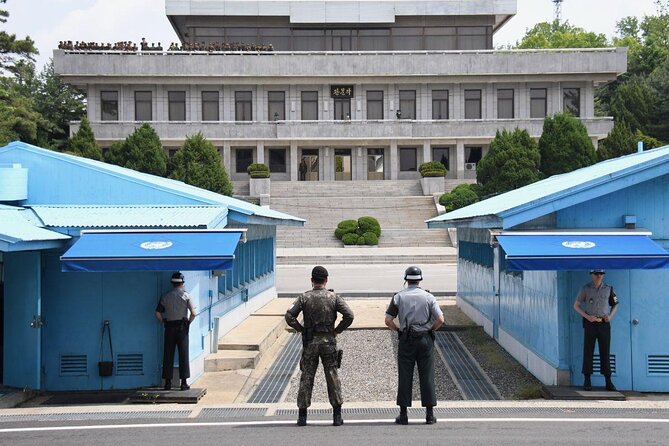
- Hotel pickup in downtown Seoul and a private guide for up to 6 people
- Third Tunnel of Aggression (1,635 m) and the chance to experience a key DMZ relic
- Dora Observatory with time for binocular viewing of North Korean areas
- Imjingak Peace Park landmarks like the Bridge of Freedom, Peace Bell, and Unification Bridge
- Tongilchon-gil walking time inside the DMZ-area civilian zone
- Optional Gamaksan Chulleong Red Suspension Bridge if you want one extra hour and views
Private DMZ from Seoul: what your 8-hour day is really like
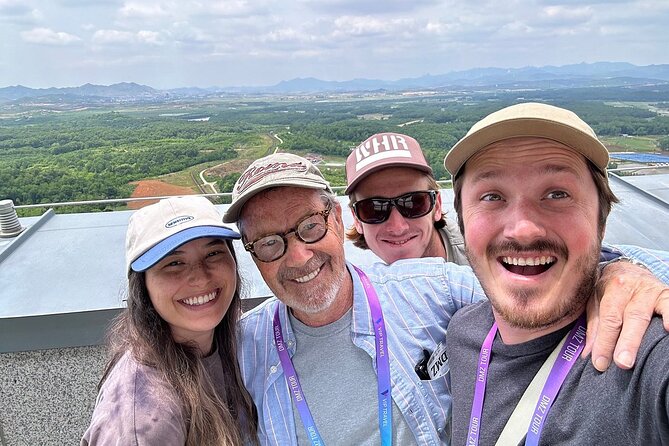
This is built for small groups. Your tour price is $500 per group (up to 6 people), which is why it’s a nice match if you’re traveling as a family, with friends, or want a quieter pace than the big coach days. The total time is about 8 hours, and the day is structured around major DMZ-area stops plus the emotional memorial ground near the Imjin River.
The “private” part matters more than you might expect. You’re not stuck waiting in a giant crowd while someone else figures out where to go. Instead, you can ask questions as you go—especially around the tunnel story and what you can and can’t see from official viewpoints.
The only real patience test is outside the guide’s control: military guidelines can change the start time, and the schedule can shift due to weather or military issues. That’s not something to stress about every hour, but it’s a real reason to build flexibility into your Seoul itinerary.
You can also read our reviews of more private tours in Seoul

Pickup, mobile ticket, and the DMZ entry reality
In Seoul, you get free hotel pickup and drop-off (downtown area). If your hotel is near transit, the operator can meet you at a nearby subway station instead. You also get a mobile ticket, which helps on a day where your time inside the secure zones can be tightly managed.
One logistics point you should know early: you may transfer to a group shuttle bus inside the DMZ if your group is fewer than 30 people. That doesn’t cancel the private tour experience—your guide still leads you—but it does mean you’ll follow the DMZ entry flow that everyone uses.
Another practical must-do: bring your passport on tour day. There’s no special dress code, so don’t overthink clothes, but you should plan for weather since parts of the route involve walking outdoors around memorial grounds and river viewpoints.
Imjingak Peace Park and the Imjin River stops that hit hardest
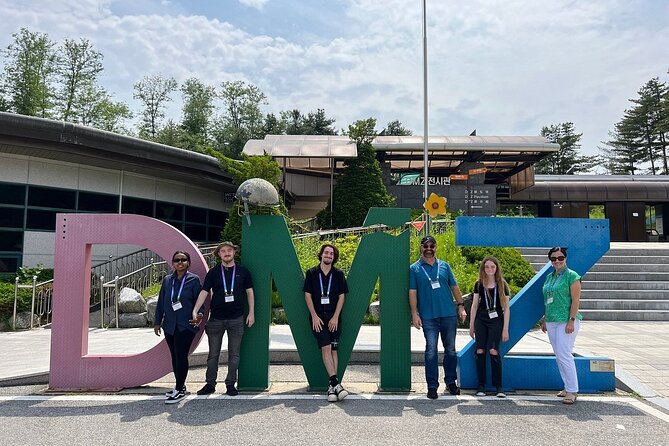
Before you get to the tunnel and observatories, the day sets the emotional tone at Imjingak Pyeonghwa Nuri Park and nearby landmarks. This area is designed for reflection and remembrance, and it’s where you’ll see the DMZ theme repeated through bridges, bells, altars, and old war-era objects.
You’ll start at Imjingak Pyeonghwa Nuri Park with time to stroll. From there, the route moves to a cluster of powerful memorial points.
Here’s how the main river-side stops feel and why they matter:
Bridge of Freedom: the moment freedom is acted out
You’ll visit the Bridge of Freedom, the temporary wooden span used in 1953 to carry prisoners of war back across the Imjin River. The scale is human, not dramatic—more about the symbolism than the architecture. Even if you know the outline of the Korean War, this stop helps you see how the armistice played out in real bodies and real movement.
Mangbaedan Memorial Altar: honor for families still waiting
At Mangbaedan, you’ll see a memorial altar where families gather, especially around holidays like Chuseok, to honor relatives left in North Korea. This is one of those stops where the history doesn’t stay in the past. You’ll likely feel the silence shift from sightseeing to something more personal.




Imjin River Dokgae Bridge: the scars are part of the view
The Dokgae Bridge viewpoint is short, but it’s meaningful. It’s a steel bridge rebuilt after the war’s destruction, and the piers show evidence of earlier damage. It’s a good stop for photos from a steady vantage—think “place where memory is fixed to infrastructure,” not a wow-factor landmark.
Jangdan Station’s steam locomotive: war damage turned into an exhibit
At Jangdan Station on the Gyeongui Line, you’ll see the steam locomotive preserved after being derailed by bombing in 1950. It’s rusted, scarred, and still there—preservation that feels blunt rather than polished. For train lovers, it’s also a great reminder that the Korean War touched everything from transport to daily life.
Peace Bell and Unification Bridge: hope in big public objects
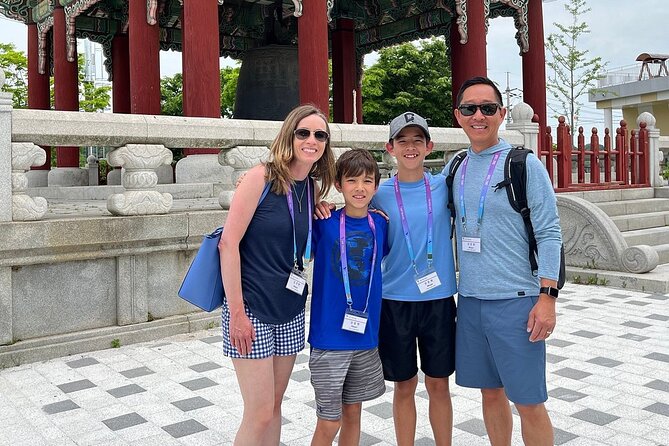
Next comes Pyeonghwauijong Peace Bell, a large bronze bell cast in 2000. It’s meant to call attention to reunification hope. You’ll also walk the Unification Bridge, which opened in 1998 as a link across the Imjin River with military checkpoints along the way. The best part here is the pacing: you get a real moment to stand, look, and absorb the purpose of each structure.
A bus-side look at the Imjin River
You’ll also get a moment to see the Imjin River from the tour bus. You won’t get the same walking access here, but it’s useful for resetting your brain between more intense stops.
The Third Tunnel of Aggression: one stop that feels physical
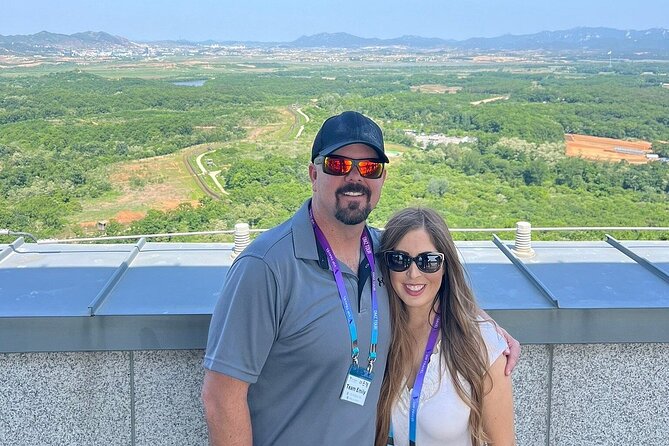
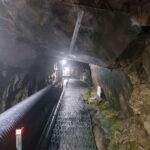
Then you go to the star attraction for many visitors: the Third Tunnel of Aggression, also known as the 3rd Infiltration Tunnel. It was discovered in 1978 and is about 52 km from Seoul. The tunnel is 1,635 meters long, with very tight dimensions (about 2 meters high and wide), which is exactly why this stop lands so strongly.
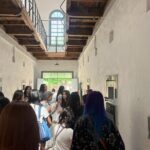
Expect a structured visit with time to descend and take in the tunnel reality. Even if you’ve seen tunnel photos online, being there in person gives you a different sense of scale and confinement. This is the kind of place where history stops being abstract and turns into a physical space with constraints.
Admission is included here, and the visit time is about 30 minutes, which is enough for most people to experience it without feeling rushed.
A helpful note for your comfort: this is not an outdoor stroll. If you don’t like enclosed, echoing spaces, come ready for that. And if you’re traveling with kids, manage expectations: the tunnel is the main show, so bring patience and a calm plan for photos and timing.
Dora Observatory: your best legal view toward North Korea
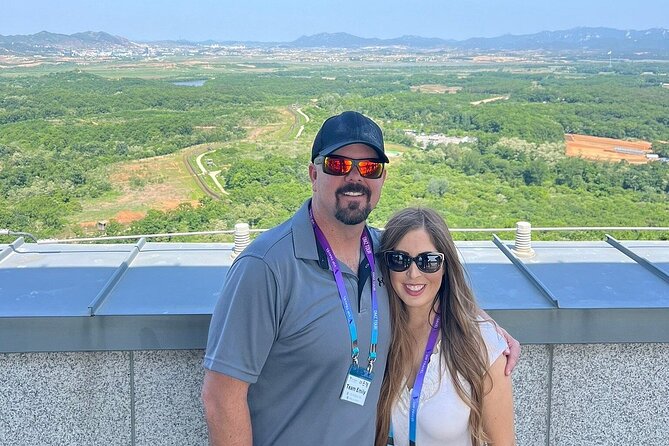
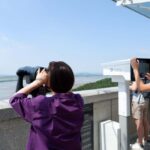
After the tunnel, you’ll head to Dora Observatory atop Dorasan. It was established in 1986 and renovated in 2018, and it’s South Korea’s closest official viewpoint of North Korea that visitors can access. The visit includes about 30 minutes on-site, and you’ll have time to use binoculars.
From here, you’re looking for key locations like Kijong-dong’s propaganda village and Kaesong City (as described for visitors). In practical terms, this stop is a lesson in how “seeing” works under restrictions: you won’t get freedom of movement, but you can get a real sense of proximity and how the border shapes geography.
If you care about photos, spend the time you’re given carefully. Wait for your turn at the best line-of-sight spots, and don’t waste your first minute. I find it helps to ask your guide what they recommend you focus on before you start searching through binoculars.
Tongilchon-gil and the optional Gamaksan Chulleong Red Bridge

Not every DMZ tour gives you walking time beyond the main viewpoints. Here, you get a softer segment at Tongilchon-gil, a road through Tongil village near the civilian control line. You’ll have about 30 minutes to stroll among fields and quiet paths. This is the stop where the day shifts from concrete history to everyday-looking space, and it gives your mind a break.
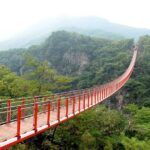
If you add the optional stop, you’ll also go to Gamaksan Chulleong Bridge. It’s a 150-meter-long red suspension bridge built in 2018 in memory of Korean War heroes. The bridge sways up to about 30 meters, and the option adds about 1 hour to the day.
This is a good add-on when you want one lighter moment after intense memorial stops. It’s also the type of place where the weather matters—if it’s extremely windy or rainy, you might find it less fun than it sounds.
Why the guide makes (or breaks) a DMZ day
On a DMZ tour, the “what” is fixed. The “why” changes based on your guide. This tour includes a professional guide speaking English or Chinese, and it shows in how fast they can connect the dots.
Some of the strongest feedback points in the guide department include:
- Ray’s combination of humor and deep explanations of the war and border
- Alice’s ability to keep the day organized and readable even when it’s hot and long
- Lina’s careful coordination and willingness to add ideas along the route
- Diane and Tom’s attentiveness, plus helping people find good photo spots
Even if your guide isn’t one of these names, use the same strategy: ask your first question early, while you’re still fresh. I’d ask about what you’re allowed to see from Dora, or why the tunnel discovery mattered. Guides often have a simple explanation ready, and once it clicks, the rest of the day makes more sense.
Price and value: is $500 per group worth it?
Let’s do the math the practical way. $500 per group up to 6 people means:
- If you fill all 6 seats: about $83 per person
- If you only have 2 people: it becomes $250 per person
So yes, the price can be a great deal if you’re traveling with others and want privacy. It also competes well with larger-group options because you’re paying for a guide you can actually interact with, plus hotel pickup and drop-off, which saves time and hassle in Seoul.
What’s included:
- Hotel pickup and drop-off in Seoul
- Professional guide (English or Chinese)
- Admission tickets for key points (including DMZ entry-related admission, Unification Bridge, Third Tunnel, and Dora Observatory)
What’s not included:
- Lunch
- Optional fees like parking or tolls, depending on the route
My advice: budget for lunch separately, and bring a little extra water and snacks if you’re the type who gets hungry on long days. That keeps you comfortable during the waits that can happen when schedules flex.
Who this tour suits best (and who should think twice)
This is a strong match if you want:
- A private DMZ experience for a small group
- Clear context for the Korean War and border story
- More time at key stops like the tunnel and Dora Observatory, not just quick photo stops
- A guide who can answer questions in plain language
It’s less ideal if you hate schedule uncertainty. Start times can shift due to military guidelines, and refunds aren’t available if the schedule changes. On top of that, you should plan for some walking around memorial sites and river areas, plus time in enclosed space at the tunnel.
Should you book this private DMZ tour?
If you like your history with structure—and your sightseeing with room to ask questions—this private DMZ day is a smart book. The value is strongest when you fill the group size, because the cost per person drops fast and you keep the comfort of pickup plus a private guide.
Book it if you’re especially focused on the Third Tunnel and Dora Observatory, and you’re happy to add the emotional Imjingak memorials as part of the experience. If you need a perfectly predictable schedule down to the minute, plan extra buffer days in Seoul and keep your expectations flexible.
FAQ
Is this a private tour?
Yes. It’s a private tour/activity, with only your group participating.
How many people is the private group limited to?
The private group size is up to 6 people.
Where does pickup happen in Seoul?
There’s free hotel pickup in the downtown area. Alternatively, your guide and driver can meet you at a nearby subway station.
How long is the tour?
The duration is about 8 hours (approximately).
Do I need a passport?
Yes. A passport is needed on the tour day, so bring it with you.
What languages are the guides?
The guide is English or Chinese speaking.
Is lunch included?
No. Lunch is not included.
Are admission fees included?
Admission is included for certain stops, including the DMZ-related entry and major attractions like the Unification Bridge, Third Tunnel, and Dora Observatory. Other stops are listed as free.
Is there a dress code for the DMZ?
No special dress code is mentioned.
Can the tour start time change?
Yes. The tour start time may change due to military guidelines, and the schedule can also change depending on situations like weather or military issues.