REVIEW · DMZ TOURS
DMZ One Day Tour in Gyeonggi-do with English or Spanish
Book on Viator →Bookable on Viator
The DMZ isn’t a checklist. It’s a guided, 9-hour reality lesson right from Seoul. What I like most is the certified English or Spanish guidance, and the way the day mixes big picture stops with hands-on places like the 3rd Infiltration Tunnel.
One thing to consider is that it’s a long day in a group, with a 90-minute transfer to Paju and fixed time blocks at each site. If you hate schedules, this might feel like a full workout, not a casual stroll.
In This Review
- Key Highlights to Know Before You Go
- A 9-Hour DMZ Day Trip: From Seoul to Paju and Back
- Imjingak Pyeonghoa-Nuri Park: Where the Day Begins
- The 3rd Infiltration Tunnel: Tight Spaces and Tight Time
- Dora Observatory on Dorasan: Views Across the DMZ
- Bunker Museum Mentioned in the Program: Why It Helps (When Included)
- Price and Value: What You’re Paying For at $250
- The Real Schedule: How the Day Feels in Practice
- Who This Tour Fits Best (and Who Might Prefer Another Option)
- Should You Book This One-Day DMZ Tour?
- FAQ
- How long is the DMZ one-day tour?
- Do you get an English or Spanish guide?
- Where do you meet the tour group in Seoul?
- How long is the drive to the DMZ area?
- What are the main stops on the tour?
- Do you go into the 3rd Infiltration Tunnel?
- Is admission included in the price?
- Is lunch or dinner included?
- Does the tour offer pickup and a mobile ticket?
- How far in advance is this tour usually booked?
Key Highlights to Know Before You Go

- English or Spanish certified guides keep the story clear and direct
- Imjingak Pyeonghoa-Nuri Park sets the emotional and historical tone
- 3rd Infiltration Tunnel visit includes entry until a limited area
- Dora Observatory sits on the South Korean side of the 38th parallel with cross-DMZ views
- Air-conditioned vehicle + entrance fees included, so you’re not juggling tickets all day
- Mobile ticket and group discounts can make planning smoother
A 9-Hour DMZ Day Trip: From Seoul to Paju and Back
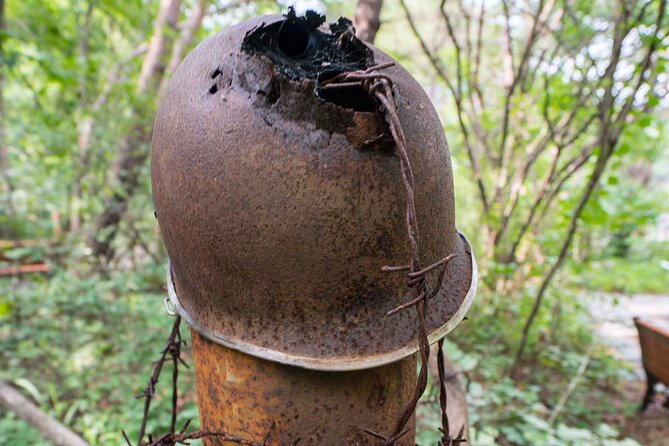
This is a one-day tour that runs about 9 hours, starting with a meeting at City Hall station. From there, you’ll ride out to the DMZ area in an air-conditioned vehicle. The transfer to Paju takes about 90 minutes by car, so build your day around that block of travel time rather than trying to squeeze anything else in beforehand.
The format is structured: you’re not bouncing between sites on your own. You follow the guide’s pacing, which matters on the DMZ. You’ll likely get more useful context when you’re moving from place to place with someone who can explain what you’re seeing and why it matters.
Also, this tour is set up for convenience. You get a mobile ticket, and there are pickup options. Those small logistics help a lot when you’re doing something emotionally intense like this, because you don’t want your focus split between navigation and history.
You can also read our reviews of more tours and experiences in Seoul
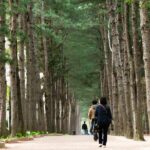
Imjingak Pyeonghoa-Nuri Park: Where the Day Begins
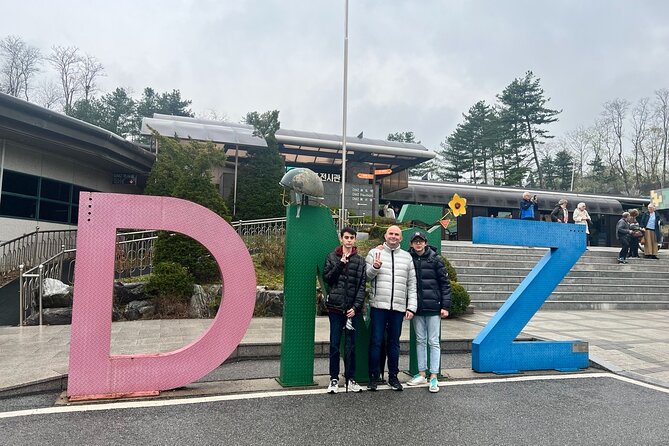
Stop one is Imjingak Pyeonghoa-Nuri Park, and it’s scheduled for about 4 hours. Imjingak is described as the starting point for DMZ tours, so it functions like the day’s foundation. The park was built in 1972 to console people from both sides who can’t return, which sets a serious tone fast.
This is the kind of place where you’ll understand the human side of the division, not just the political map. Even before you reach the tunnel or observatory, you’re already getting the emotional framing: why these sites exist, why they were built, and what visitors are meant to take away.
Practical tip: since you have several hours here, plan to pace yourself. Don’t treat it like a quick photo stop. Give yourself time to read what’s there and let the story sink in before the more concrete, visit-style attractions.
The 3rd Infiltration Tunnel: Tight Spaces and Tight Time
Next comes the DMZ portion and a major stop: the 3rd Infiltration Tunnel. Your time here is about 2 hours 30 minutes, and admission is included. The tunnel is described as being designed for a surprise attack on Seoul from North Korea, and the tour includes a walk into the tunnel until a limited area.
That limited entry is important. You’re not touring the full system end-to-end. Instead, you get enough of the experience to feel the constraints and understand the purpose, without turning it into a long, exhausting expedition.
What I’d watch for is comfort and expectations. Tunnel visits tend to mean dim light, enclosed space, and a slower walking pace. Wear shoes you can trust. And if you’re the type who dislikes enclosed areas, you’ll want to think carefully about whether this is worth it for you. The experience can be memorable for the right reasons, but it’s not designed to be relaxing.
You’ll likely come out with a much more concrete sense of how the DMZ isn’t just a border line. It’s also an engineering story, with real-world consequences.
Dora Observatory on Dorasan: Views Across the DMZ
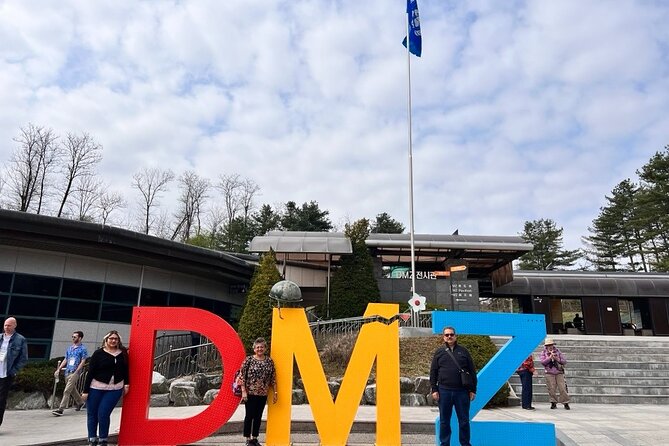
After the tunnel, you move on to Dora Observatory, also about 2 hours 30 minutes. This stop sits on the South Korean side of the 38th parallel, and it’s located on top of Dorasan (Mount Dora) in Paju.
The main draw here is the chance to look across the Demilitarized Zone from an official viewing location. The observatory is set up so visitors can see what’s possible to see from this side, and the guide’s explanations will help you interpret what you’re viewing instead of just taking photos and guessing.
Dora Observatory is especially meaningful when you’ve already spent time at Imjingak and in the tunnel. By this point, you’ve seen the human message, then experienced the physical “how,” and now you’re looking at the “where” from an elevated point.
Timing tip: observatory time can feel different depending on light and conditions. You can’t control weather, but you can control your attitude. Go for patient looking. The views are the payoff, but they take a minute to really register.
Bunker Museum Mentioned in the Program: Why It Helps (When Included)
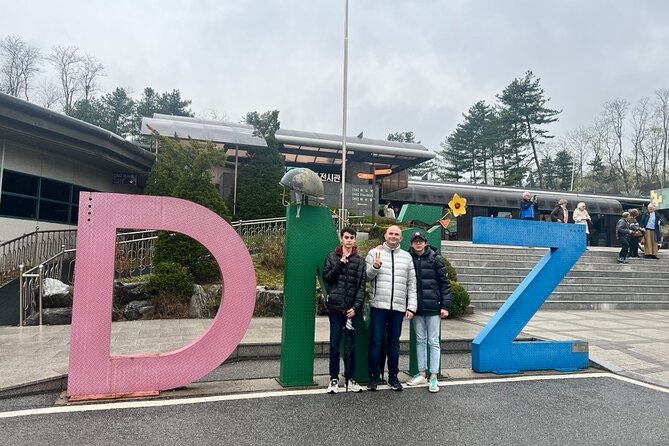
The tour description emphasizes more than exhibition halls and tunnels, and it specifically calls out the Bunker Museum as part of the experience. Since the exact time allotment for the museum isn’t clearly spelled out in the stop list you have here, I treat it as a featured add-on within the day’s routing.
If your day includes the bunker museum stop, it’s valuable because it helps you connect the dots. A tunnel visit gives you a physical impression. A viewing spot gives you a spatial impression. A museum typically fills in the timeline and meaning so the day feels less like separate stops and more like one coherent story.
This is also a good spot to slow down. Museums often give you a break from walking and let you process what you learned without needing to keep moving.




Price and Value: What You’re Paying For at $250
At $250 per person, this isn’t a cheap day trip. The key question is what that price buys you beyond a basic bus ride.
Here’s what the tour data clearly includes:
- Air-conditioned vehicle
- Entrance fees
- Admission tickets included for the main stops
On top of that, you get certified English or Spanish guides, plus conveniences like pickup offered and a mobile ticket. There are also group discounts, which can help if your group size or departure arrangement qualifies.
So is it worth $250? For the right traveler, it can be. If you want the DMZ day done with interpretation, not self-guided uncertainty, a guided, timed program can save time and reduce stress. The DMZ is the kind of outing where context matters, and the cost often reflects that.
If your budget is tight or you prefer total freedom, you may feel the price is steep for a single day. Also, since lunch and dinner aren’t included, you’ll need to plan food costs separately. That doesn’t ruin the value, but it’s part of the real price.
The Real Schedule: How the Day Feels in Practice
Even without a minute-by-minute timetable, the stop durations are clear:
- Imjingak Pyeonghoa-Nuri Park: about 4 hours
- 3rd Infiltration Tunnel: about 2 hours 30 minutes
- Dora Observatory: about 2 hours 30 minutes
With the additional transfer time (about 90 minutes each way, based on the drive to Paju stated), you’re looking at long blocks where you’re standing, walking, and listening.
This tour suits people who can handle a serious tone. It’s not the kind of outing where you can zone out for long periods. The guide-led pacing helps, but you’ll still be present for the whole experience.
If you’re sensitive to long travel days, plan an easy evening afterward in Seoul. Don’t schedule something big right after. Your brain will need time to catch up with what it just learned.
Who This Tour Fits Best (and Who Might Prefer Another Option)

This tour fits best if you:
- Want English or Spanish guidance for a complex, emotional subject
- Prefer a structured, guided route with entrance fees handled
- Are doing the DMZ for the first time and want major stops in one day: Imjingak, the 3rd Infiltration Tunnel, and Dora Observatory
It may be less ideal if you:
- Want a relaxed, flexible day with lots of independent wandering
- Strongly dislike enclosed spaces, given the tunnel entry until a limited area
- Have trouble with long group time blocks and travel
If you’re traveling with someone who needs slower pacing, bring extra patience. This day is designed around the group experience, not solo wandering.
Should You Book This One-Day DMZ Tour?
If you’re aiming for a first DMZ visit that’s guided, timed, and meaning-heavy, I’d book this. The combination of certified English/Spanish guides plus core stops like the tunnel and Dora Observatory gives you a full, coherent day rather than scattered sights.
But do it with your expectations aligned. This is a long day, and the subject matter is intense. If you want comfort, quiet, and total freedom, you might prefer a different style of sightseeing.
One more planning note: the tour is typically booked about 41 days in advance on average. If your dates are fixed, start looking earlier than you think you need to.
FAQ
How long is the DMZ one-day tour?
It runs for about 9 hours.
Do you get an English or Spanish guide?
Yes. The tour is led by certified guides fluent in English or Spanish.
Where do you meet the tour group in Seoul?
You meet your guide at City Hall station.
How long is the drive to the DMZ area?
The transfer from Seoul to Paju takes about 90 minutes by car.
What are the main stops on the tour?
The day includes Imjingak Pyeonghoa-Nuri Park, a visit to the 3rd Infiltration Tunnel, and Dora Observatory.
Do you go into the 3rd Infiltration Tunnel?
Yes, the tour includes entry into the tunnel until a limited area.
Is admission included in the price?
Yes. Entrance fees are included, and admission tickets are included for the listed stops.
Is lunch or dinner included?
No. Lunch and dinner are not included.
Does the tour offer pickup and a mobile ticket?
Yes. Pickup is offered, and you’ll receive a mobile ticket.
How far in advance is this tour usually booked?
On average, it’s booked about 41 days in advance.
If you tell me your travel dates and whether you’re doing the DMZ as your only major day trip, I can help you decide if this one-day format fits your pace.