REVIEW · DMZ TOURS
Private DMZ tour(Tunnel / Observation) with hotel pick up
Book on Viator →Operated by Top Korea Tour · Bookable on Viator
Cross the border line, without crossing it. This DMZ tour pairs private hotel pickup with a rare look at the Third Infiltration Tunnel and Dora Observatory, plus a stop at Imjingak where the unification story is always in the background. Bring your passport and plan for tight, physically demanding moments inside the tunnel—this is not a fit if you’re claustrophobic or struggle with walking.
I also like how the day is paced and guided. In particular, names like Juno Lee show up for a reason: clear English, fast problem-solving, and an easy style that works well for families. You get bottled water, an air-conditioned vehicle, and included tickets, with lunch left up to you.
In This Review
- Key highlights before you go
- DMZ vs JSA: What This Tour Actually Shows
- Price and What You’re Getting for $210
- The 8:00 am Morning: Pickup and Imjingak Pyeonghoa-Nuri Park
- The Military-Zone Day: DMZ Bus, Unification Village, and Stops in Order
- The Third Infiltration Tunnel: Walking History You Can Feel
- Dora Observatory Views: Seeing Division From Afar
- Imjingak Museum Time and Meeting a Defector
- How the Tour Works on the Ground: Timing, Pace, and Real Group Feel
- Practical Packing Tips (Passport, Fitness, and Comfort)
- Should You Book This DMZ Tunnel/Observation Tour?
- FAQ
- Do I need a passport for this tour?
- Is this tour inside the DMZ and JSA?
- How long is the tour in total?
- What time does the tour start?
- What’s included in the price?
- Is lunch included?
- Is it really private?
- Is the tour suitable if I get anxious in enclosed spaces?
- What’s the cancellation rule?
Key highlights before you go
- Hotel pickup that saves time and keeps the morning stress down
- Third Infiltration Tunnel plus Dora Observatory for both up-close and long-distance views
- Imjingak Pyeonghoa-Nuri Park to understand the unification message before the border stops
- Military-zone focus (not JSA), so you’re seeing the conflict story through tunnels and viewpoints
- North Korea museum + chance to meet a defector, adding a personal layer to the day
- Smaller, more engaging feel compared with big bus formats, with expert English guidance
DMZ vs JSA: What This Tour Actually Shows
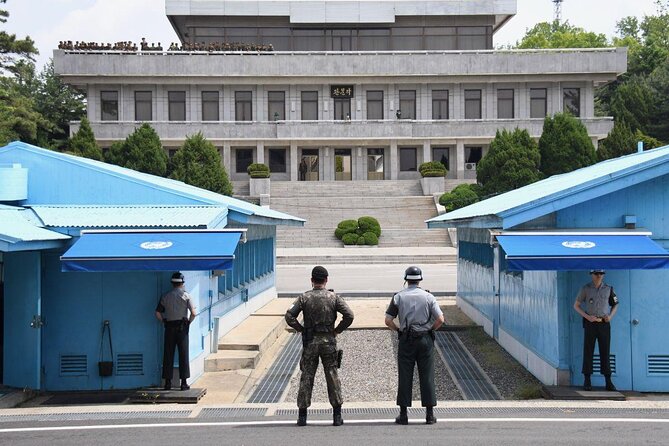
This is a DMZ tour focused on what happened after the armistice, without taking you into the exact armistice site area. The big practical takeaway: this is not a JSA tour. JSA is where the armistice was signed, and it has its own special access rules and a different itinerary.
On this program, you go into the military zone outside the DMZ boundary. That matters for your expectations. You’ll still get the border context through official sights—like the tunnel dug for infiltration and the observatory views from the South side—but you won’t be walking around inside the DMZ itself.
If you want tunnels and observation points more than the symbolic armistice location, this format fits well. It also helps you avoid arriving at the wrong kind of tour in your head, which can happen when people shop DMZ tours that all sound similar.
You can also read our reviews of more private tours in Seoul

Price and What You’re Getting for $210
At $210 per person, you’re paying for a full, guided day with transportation, entry, and time-efficient routing. The value isn’t just the sights—it’s the whole chain: hotel pickup, an air-conditioned ride, expert English guidance, and included tickets for the key border-facing stops.
Included items are straightforward:
- DMZ access tickets for Dora Observatory and the 3rd Infiltration Tunnel
- Bottled water
- Tour information from an expert English guide
- Air-conditioned vehicle
What’s not included is lunch. That’s normal for day tours, but it’s still worth planning so you don’t end up hungry during the later part of the day.
Also, the average booking window is about 36 days ahead. That tells me this tour is popular enough that you’ll have a better selection if you lock it in early, especially if your dates are tight.
The 8:00 am Morning: Pickup and Imjingak Pyeonghoa-Nuri Park
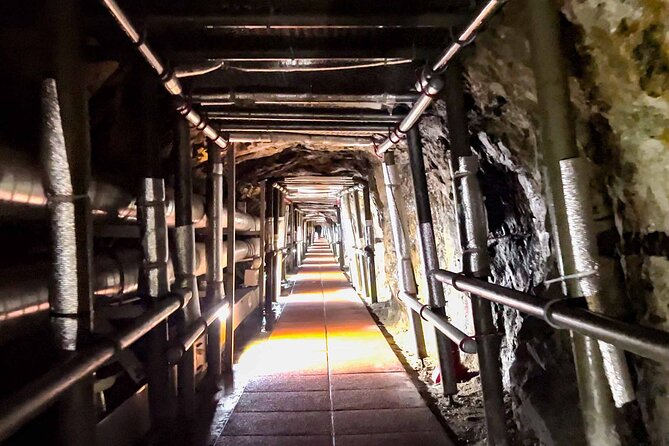
The day starts at 8:00 am, with pickup offered near where you’re staying. You’ll travel about an hour to reach Imjingak from Seoul, then begin with the part that sets the tone.
Imjingak Pyeonghoa-Nuri Park is connected to the 1972 talks between North and South Korea. It’s a place built around longing for unification, so it’s a calmer opener before you head toward the more intense border sites. Even if you’ve read the headlines for years, this stop gives your brain a theme: separation, hope, and the long wait.
The admission ticket here is free, and the pacing works like a warm-up. You’re not rushed, and you’re not suddenly staring at concrete and barbed wire before you’ve got context.
If you like tours that build meaning step-by-step, this beginning is a good match. If you prefer minimal context and maximum time at the most dramatic sites, you might wish the day started slightly later. The upside is you get context you’ll feel more strongly at the tunnel and observatory.
The Military-Zone Day: DMZ Bus, Unification Village, and Stops in Order
Once you reach the DMZ portion, you’ll use the DMZ tour bus to move between the main sights. You’ll see three elements as part of the DMZ segment:
1) the 3rd infiltration tunnel
2) Dora Observatory for a distance view
3) a quick stop at a supermarket area in the Unification Village
The “quick stop” is practical. You can pick up small items and snacks without turning the day into a scavenger hunt. It also gives you a short reset before you go back into sightseeing mode.
One thing to keep straight: the tour description emphasizes that the area is heavily minded and heavily mined. That’s why your passport matters and why comfort and safety requirements are taken seriously. You should treat the itinerary as real operational space, not a theme park.
Your total day runs about 7 to 8 hours. The schedule includes travel time from Seoul and then time back toward the city after the observatory stop.
The Third Infiltration Tunnel: Walking History You Can Feel
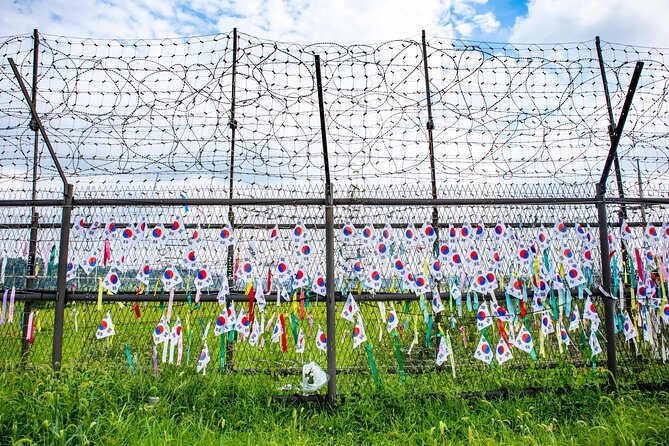
The centerpiece here is the Third Infiltration Tunnel. You’ll have about an hour allocated for the tunnel visit, including the walk inside.
This tunnel was dug by North Korea for infiltration, and the tour content highlights the scale of the plan: 30,000 armed soldiers could pass in an hour if the operation had been completed. Whether you remember that number or not, it helps you understand why this tunnel isn’t just a curiosity. It’s part of a strategy built into the landscape.
The practical reality for your body: the tour is not recommended if you’re claustrophobic. Even without going into physical details that aren’t provided, the simple fact is you’ll be moving through a tunnel environment. So if you have any anxiety around enclosed spaces, this is the one place you should not “push through.”
For the rest of you, it’s a powerful way to understand the Korean War aftermath. You’re not only looking outward at a border line; you’re seeing how conflict planning tried to turn terrain into a route.
If you’re someone who likes your travel with a strong learning component, this is the stop that turns “history” into something you can physically picture.




Dora Observatory Views: Seeing Division From Afar
After the tunnel, you’ll head to Dora Observatory, with about 50 minutes allocated for the visit. This is your distance-view counterpart.
From an observatory, you’re meant to understand the tragedy of the border and the ongoing division between North and South Korea. The view is also paired with explanation about cooperation progress. So it isn’t only doom-and-gloom. It’s more like: this is what separation looks like from here, and this is how cooperation changes the picture over time.
Why I like pairing a tunnel with an observatory: it creates two scales of understanding. The tunnel shows intent and preparation. The observatory shows how that intent sits inside the landscape for decades afterward.
Bring a camera if you use one, but don’t plan on a photo-only visit. The educational part is the whole point, and your time here is better spent absorbing the guide’s framing.
This stop also functions as a “breather” compared with the enclosed tunnel. If you felt tense earlier, Dora can help reset your senses.
Imjingak Museum Time and Meeting a Defector
After the DMZ segment, you’ll return toward Seoul and go to a museum about North Korea. This stop runs about 40 minutes.
Here’s the emotional difference-maker: you have a chance to meet a defector and interview them. That’s not a generic “culture talk.” It’s a personal connection that can change how the rest of the day lands in your mind.
I’d treat this portion with extra patience. Even if you don’t speak much, the experience is about listening and asking thoughtful questions when appropriate. You’ll likely get more meaningful answers than you’d expect from a standard museum audio guide, because the perspective is direct.
One practical note: your stamina matters here. By the time you reach this museum stop, you’ve already spent hours traveling and sightseeing. If you start feeling wiped out, pace yourself and hydrate when you can.
For anyone curious about what life can be like beyond headlines, this stop is the bridge from geopolitical facts to human reality.
How the Tour Works on the Ground: Timing, Pace, and Real Group Feel
The itinerary moves through multiple fixed pieces, but the guide plays a big role in keeping it smooth. The operation includes pickup, an English-speaking guide, transport, tickets, and water, which helps keep transitions simple.
Private tour/activity means it’s set up for just your group. That said, you may still ride the DMZ tour bus for certain segments, since that’s the system used to reach the observation and tunnel areas. Either way, you’re not stuck doing everything with a giant crowd in the same voice.
Reviews show a consistent theme around guide quality: clear English, friendly helpfulness, and flexibility when schedules need a tweak. Names like Juno Lee show up for being timely and actively managing the day, and other guides like Miae and June are described as knowledgeable and easy to work with. That lines up with what you want on a high-stakes itinerary like this.
Family friendliness also comes up. The tour still has physical limits, but the tone can be approachable for mixed ages, as long as everyone can handle the tunnel and walking needs.
Practical Packing Tips (Passport, Fitness, and Comfort)
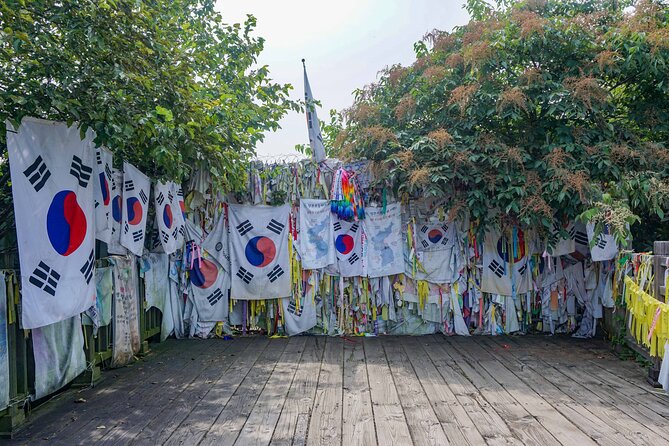
This is one of those tours where preparation is not optional. The tour explicitly requires that you bring your passport because you’re entering a military zone outside the DMZ.
Beyond paperwork, pay attention to the suitability notes:
- Not recommended for claustrophobia
- Not recommended for travelers who have difficulty walking
- Moderate physical fitness level is expected
So pack like you’re doing a long day with a walking tunnel segment. Comfortable shoes matter. Bring layers you can tolerate, since you’ll be in and out of vehicles and outdoor areas.
Also think about your energy. Lunch isn’t included, and the day is long enough that you’ll feel it if you skip a meal. Even if you buy something at the Unification Village supermarket stop, plan ahead so you’re not stuck choosing between hunger and the next viewpoint.
If you take motion and enclosed space seriously, you’ll get the most out of both the tunnel and the observatory.
Should You Book This DMZ Tunnel/Observation Tour?
Book it if you want a single, guided day that covers the major DMZ-adjacent learning points: tunnel access, observatory views, and context stops tied to unification. The combination of Third Infiltration Tunnel + Dora Observatory is the core reason this tour makes sense, especially if you’re not set on JSA.
Skip it (or choose a different itinerary) if you’re claustrophobic or have trouble walking. The tunnel is the part most likely to derail the experience for those concerns, and the tour already flags that.
Also book it if you value smooth logistics: hotel pickup, air-conditioned transport, included tickets, and an English guide help you avoid wasting time figuring things out on your own. At $210, you’re paying for guidance and access, not just transportation.
If you’re torn between DMZ tours, ask yourself one question: do you want the armistice-area story (JSA) or the tunnel-and-observation border story (this one)? This is the latter.
FAQ
Do I need a passport for this tour?
Yes. The tour notes that you should bring your passport because you are going into a military zone.
Is this tour inside the DMZ and JSA?
No. This is described as a DMZ tour that does not go inside the DMZ or enter JSA. It focuses on the military zone outside the DMZ and includes tunnel and observation stops. If you want JSA, you need a JSA-specific tour.
How long is the tour in total?
The duration is listed as about 7 to 8 hours.
What time does the tour start?
The start time is 8:00 am.
What’s included in the price?
Included items are air-conditioned vehicle, English tour information from an expert guide, tickets to DMZ sites (Dora Observation and the Third Tunnel), and bottled water.
Is lunch included?
No. Lunch is not included.
Is it really private?
It’s a private tour/activity, so only your group participates.
Is the tour suitable if I get anxious in enclosed spaces?
No. It’s not recommended for people who are claustrophobic.
What’s the cancellation rule?
You can cancel for a full refund up to 24 hours before the experience starts. If you cancel less than 24 hours in advance, the amount paid is not refunded.