REVIEW · SEOUL
Savoring Authentic Korean Liquor and Cuisine
Book on Viator →Operated by Lodge Magok · Bookable on Viator
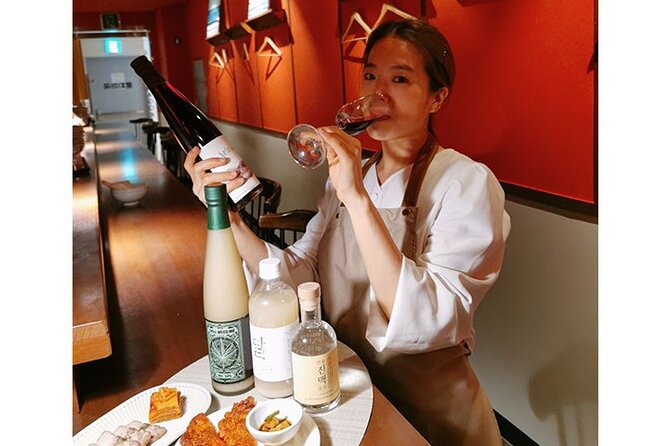
Korean liquor is way more interesting than you think. This 90-minute Seoul tasting, led by Chef Hyesun, focuses on real traditional methods and pairing them with anju so you can actually taste how the flavors work together. I love that you get samples of takju, cheongju, and distilled liquor rather than just one drink, and I love the food pairing approach with anju like veg and meat pancakes and kimchi bibim noodle. One possible drawback: it is alcohol-focused, so if you want a soft, non-drinking food-only experience, this may not fit.
You’ll also hear the story behind Korean traditional liquor, including the idea that it’s made from three core ingredients: Korean rice, mountain mineral water, and naturally fermented yeast. The group stays small (up to 6), and you start and end right at the LodgeMagok area, which keeps the whole thing simple and easy to plan around. Just note that the food selection can depend on ingredient supply and demand.
In This Review
- Key points you’ll care about
- Why Chef Hyesun’s approach hits different in Seoul
- The 90-minute format: what you’ll do and why it works
- Getting oriented at LodgeMagok (and making it easy on yourself)
- The real lesson: three core ingredients and what they imply
- Tasting takju, cheongju, and distilled liquor in one go
- Local brewery selection you can’t just grab at a store
- Anju pairings: the food is part of the tasting, not an afterthought
- What to expect during the history talk (without it getting academic)
- Why this small group (max 6) feels more like a class than a show
- Price and value: is $59 worth 90 minutes of Korean liquor learning?
- Practical tips so the tasting stays fun, not messy
- Who should book this Korean liquor and anju experience
- Should you book this tour?
- FAQ
- What is the duration of the experience?
- How many people are in the group?
- Is it suitable for minors?
- What types of Korean liquor will I taste?
- What food is included?
- Where is the meeting point?
- Do I need to contact the host after booking?
- What’s the cancellation policy?
Key points you’ll care about
- Three liquor styles to taste: takju, cheongju, and distilled liquor, not just one type
- Traditional ingredient story: Korean rice, mountain mineral water, and naturally fermented yeast
- Anju pairings that matter: you’ll eat anju meant to go with the liquor
- Small group feel: max 6 travelers for a more personal pace
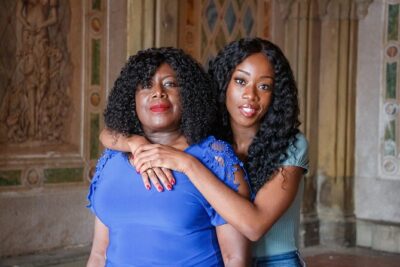
- Chef-led and travel-fluent energy: Chef Hyesun runs a traditional liquor-focused restaurant and shares that passion
Why Chef Hyesun’s approach hits different in Seoul
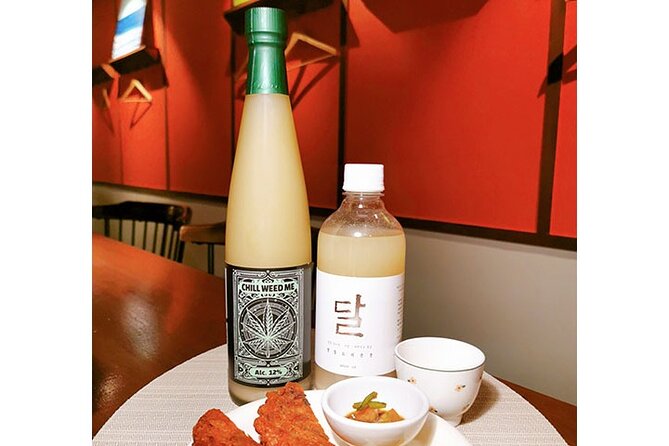
This tasting isn’t a random bar crawl. It’s built around a chef’s point of view, with Chef Hyesun at the center. That matters because traditional Korean liquor can feel confusing if you only see it in bottles with big labels and no context. Here, the experience is framed as learning what the real taste is, then testing it through pairings.
I like the clarity of the premise: you’re not being asked to guess. You learn what Korean traditional liquor is made from, you hear how it’s connected to local brewing culture, and then you taste three types in the same session. That order helps your brain make sense of the flavors instead of treating each drink like an isolated sip.
You can also read our reviews of more tours and experiences in Seoul.

The 90-minute format: what you’ll do and why it works
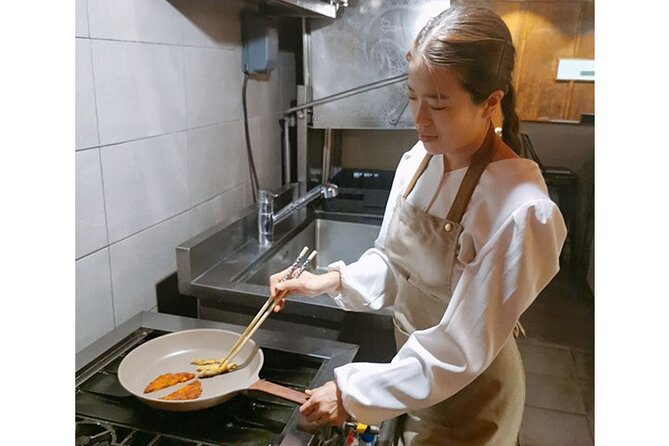
The schedule is compact: about 1 hour 30 minutes. That’s long enough to teach you something useful and short enough that you can still enjoy the rest of your Seoul day without feeling stuck. You’ll start at the meeting point at 로찌마곡 (LodgeMagok) and the activity ends back at the same place.
Because this is a tasting, you should expect a rhythm: listen briefly, taste, then eat your anju pairing, then taste again. The value is in the repeats. You’re training your palate to notice how liquor and food affect each other. If you’ve only tried Korean drinks as a side item, this is the opposite. Here, the anju is part of the lesson.
Also, it’s a mobile ticket setup. That keeps you from digging through printouts when you’re in transit. Just keep your ticket accessible on your phone.
Getting oriented at LodgeMagok (and making it easy on yourself)
Your meeting point is 로찌마곡(LodgeMagok), South Korea, Seoul, Gangseo-gu, Magok-dong, 중앙로 171 나루역프라이빗타워Ⅱ 207호. It’s near public transportation, so you shouldn’t need a taxi for the whole trip. And because the experience loops back to the same place, you’re not solving a navigation puzzle while the drinks are doing their job.
If you’re the type who likes to arrive slightly early, do it here. Even 5 to 10 minutes helps you settle in and avoid the stress of finding the exact unit. One more practical note: bring an ID. Alcohol is served to ages 18 and above, so you’ll want to be ready.
The real lesson: three core ingredients and what they imply
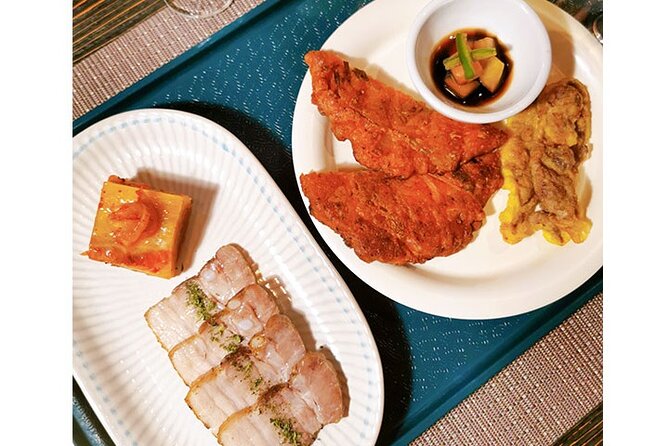
Korean traditional liquor here is described as being made only from three elements: Korean rice, mineral water from a mountain, and naturally fermented yeast. That sounds simple, and it is. But the experience uses that simplicity to help you taste the differences you’d otherwise miss.
Why this matters: when you know what a drink is built from, you can stop thinking it’s all about sweetness or alcohol strength. You start thinking about fermentation, water character, and the role of rice. You may still find the flavors surprising, but at least you’ll have a framework.
The tour also flags a bigger picture: Korea has over 1,400 small traditional liquor breweries. So the point isn’t just that one bottle tastes good. The point is that local variation is baked into the culture. That idea explains why small differences can be so noticeable once you’re actually tasting.
Tasting takju, cheongju, and distilled liquor in one go
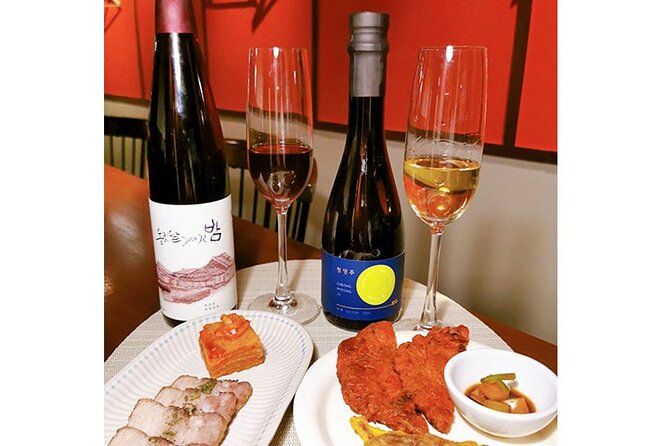
The tasting lineup is built around three traditional categories: Takju, Cheongju, and distilled liquor. Instead of just sampling randomly, you’ll learn the history behind Korean traditional liquor and then taste the drinks from that lineup.
What I like about this approach is that it reduces decision fatigue. When you’re in Korea and trying to order, it’s easy to fall into the tourist trap of choosing what looks familiar. This gives you a reason to branch out. You can walk away knowing what these categories mean in practice, not just in theory.
You’ll also hear comparisons that help you recalibrate. The experience specifically references Korean drinks like makgeolli and soju, but it makes it clear this is not the standard “green bottle” style soju. That matters because traditional liquor often gets lumped into modern convenience categories. Here, the goal is to keep the traditional side in focus.






Local brewery selection you can’t just grab at a store
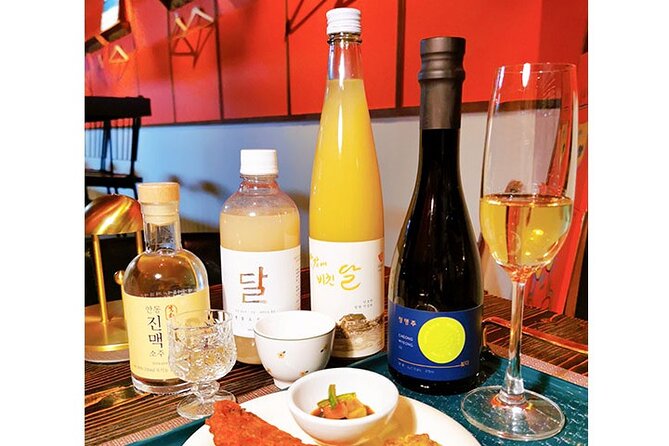
One of the most interesting parts is the idea that the liquor lineup is a special selection pulled from different local breweries around Korea, including varieties you can’t find in a store or restaurant. That turns the tasting into something closer to a guided find: you’re getting access to bottles and styles that are harder to track down on your own.
For you, that’s practical. If you come to Seoul and only try what’s easiest to order, you’ll likely miss the range. A tasting like this lets you compare several expressions without needing to become a liquor hunter overnight.
And based on what people say about the experience, you’re not just tasting. You’re getting a lot of information and samples across the lineup. That combination is the difference between a fun night and a trip memory that actually changes how you order next time.
Anju pairings: the food is part of the tasting, not an afterthought
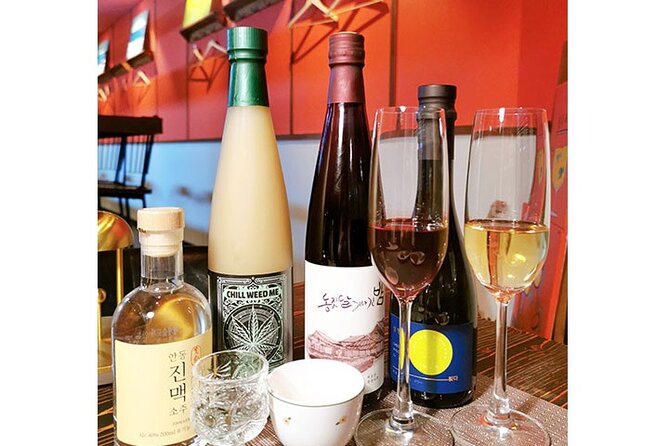
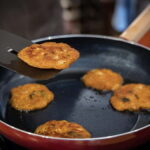
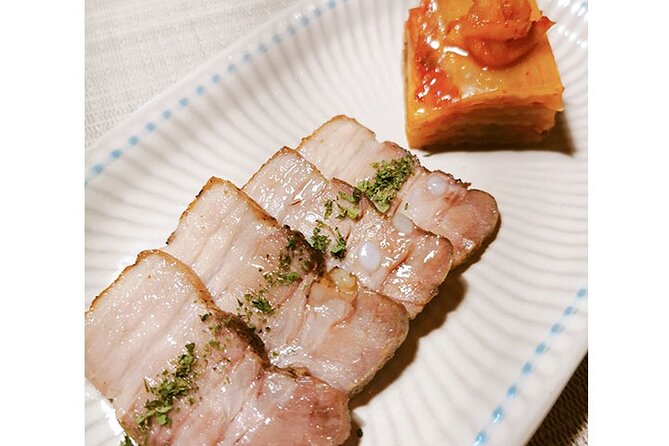
Anju is the Korean eating style designed for drinking. In this experience, the anju is intentionally paired with the liquor, and the food is not generic. You might get items like veg pancake, meat pancake, and kimchi bibim noodle. The specific choices can vary depending on supply and demand of ingredients.
Here’s the value: you’re tasting in context. When the anju is right, it can soften sharp edges, highlight certain aromas, and make the next sip feel smoother. When it’s not, it can taste off. That’s why pairing is such a smart teaching tool. Your palate learns by comparing.
From the way the tastings are described, the pairing is a major reason the experience earns top marks. People highlight that the liquor and anju match well, including across different local variations of flavor. In other words, it’s not random food on the side. It’s designed to make the liquor make sense.
What to expect during the history talk (without it getting academic)
There’s a history component built into the experience. You’ll learn about the background of Korean traditional liquor and the categories you’re tasting. The tone is meant to be friendly and travel-minded, tied to Chef Hyesun being a restaurant owner-chef and world traveler.
You should expect a balance: enough context to understand what you’re drinking, without turning the session into a lecture you’ll forget by the end. The best part is that every bit of information feeds directly into the next sip or bite.
This is especially helpful if you’ve only tried Korean alcoholic drinks casually. The experience frames Korean traditional liquor as something that can taste better than wine or sake, and it gives you the reasons behind that claim through the ingredient and method story.
Why this small group (max 6) feels more like a class than a show
With a maximum of 6 travelers, you’re not swallowed by a crowd. That small size tends to matter for a tasting experience, because questions and pace are easier to manage. If you want clarification about what you’re tasting, you’re more likely to get it here than in a bigger group setting.
It also helps you experience the full lineup without rushing. Traditional liquor is meant to be tasted carefully. A small-group format gives you breathing room to notice how each category shifts when you take a bite of anju.
One more point: service animals are allowed, and that’s a practical comfort detail if you travel with an assistance animal.
Price and value: is $59 worth 90 minutes of Korean liquor learning?
At $59 per person, this isn’t a cheap snack-and-sip. But it also isn’t overpriced for what you’re getting: a guided tasting of three categories of traditional liquor plus anju pairings, in a small group with a chef-led context.
Here’s how I’d judge value for you:
- If you’re the type who wants the tasting experience with real explanation, $59 can be fair because you’re paying for access and guidance, not just the alcohol.
- If you only want to drink casually and you don’t care about the differences between takju, cheongju, and distilled liquor, you might feel the cost more.
- If you plan to order traditional liquor later in Seoul, this gives you a shortcut. You learn what you actually like within one session, so you don’t waste time hunting or gambling on random bottles.
Also, the fact that this tends to be booked about 12 days in advance on average suggests it’s popular. Booking early is smart because you’ll avoid the “it’s full” disappointment and you’ll still have time to slot it into your itinerary.
Practical tips so the tasting stays fun, not messy
This is alcohol-forward, so a little strategy makes a big difference.
- Eat something light beforehand. Even though you’ll have anju, you’ll enjoy the flavors more if you’re not coming in starving.
- Go slow between sips and bites. The whole point is pairing, so treat each round as part of the lesson.
- Stay hydrated. Traditional liquor tasting can sneak up on you if you only focus on taste.
- Bring your patience. This is a history-and-flavor experience, so expect the session to be more thoughtful than rowdy.
- If you have allergies, message in advance. After booking, you’re asked to send a confirmation message through WhatsApp to discuss schedule details and allergies with the team at +82 10 2661 7832.
Who should book this Korean liquor and anju experience
This experience fits you best if you:
- Want to try traditional Korean liquor and not just the common tourist version of soju
- Enjoy learning by tasting, not by reading a menu
- Like food that has a purpose, not food that’s just there to soak alcohol
- Prefer small groups and a chef-led atmosphere
It may be less ideal if you:
- Are under 18, since alcohol is only offered to ages 18+
- Want a purely non-alcohol or museum-style cultural visit without drinking
- Expect a long, multi-stop tour. This is focused and compact, by design
Should you book this tour?
I think you should book it if you want a fast path into authentic Korean liquor culture. For $59, you’re paying for a guided tasting that includes three traditional categories and anju pairings, plus enough explanation to make the experience feel grounded instead of random. The strong feedback is tied to two things: lots of tasting and information, and pairings that actually work.
If you’re already comfortable with Korean alcohol and you like ordering your own drinks, you might still learn something new here thanks to the local brewery selection angle. If you’re newer to traditional liquor, this is a friendly entry point because you get structure and food along the way.
FAQ
What is the duration of the experience?
It runs for about 1 hour 30 minutes.
How many people are in the group?
The tour has a maximum of 6 travelers.
Is it suitable for minors?
No. Alcoholic beverages are only offered to guests aged 18 and above.
What types of Korean liquor will I taste?
You’ll taste three types: Takju, Cheongju, and distilled liquor.
What food is included?
You’ll enjoy Korean anju pairings. Examples include veg pancake, meat pancake, and kimchi bibim noodle, depending on ingredient supply and demand.
Where is the meeting point?
You meet at 로찌마곡 (LodgeMagok), South Korea, Seoul, Gangseo-gu, Magok-dong, 중앙로 171 나루역프라이빗타워Ⅱ 207호. The tour ends back at the meeting point.
Do I need to contact the host after booking?
After booking is automatically confirmed, you’re asked to send a confirmation message through WhatsApp to double-check the schedule, discuss food allergies, and other details at +82 10 2661 7832.
What’s the cancellation policy?
Free cancellation is available. You can cancel up to 24 hours in advance of the experience for a full refund.