REVIEW · DMZ TOURS
DMZ Tour with Pistol Shooting Experience from Seoul
Book on Viator →Operated by I Love Seoul Tour · Bookable on Viator
DMZ days move fast, in a good way. I like the close-up DMZ sights followed by real target practice, and I also like the big, specific details at stops like the Third Infiltration Tunnel. One catch: you need a valid passport, and the DMZ run can change or even cancel because it’s military-controlled.
This is a long day (about 7 hours 30 minutes) with a simple focus: see the key border sites, then do the shooting. I also like that the tour is capped at a maximum of 30 people, so you’re not swallowed by a mega-group.
The main consideration is pacing and time at each stop. Some groups get lots of guide talk and panel-reading time, while other groups can feel rushed—so go in ready to ask questions early and manage your expectations.
In This Review
- Key points to know before you go
- First things first: passport, meeting point, and how to prepare
- Imjingak Pyeonghoa-Nuri Park: a war-era prelude 7 km from the line
- DMZ exhibition hall: your history briefing before the heavy visuals
- The Third Infiltration Tunnel: 1,635 meters of strategy
- Dora Observatory: binocular views and named spots in North Korea
- Dorasan Train Station: the “future rail” contrast stop
- Myeongdong pistol shooting range: a practical 20-minute break
- Price and value: why $35 makes sense for this format
- Tour pacing and guide quality: how to get the best day
- Weather, military control, and what the backup route can look like
- Who should book this DMZ plus shooting tour
- Should you book this tour?
- FAQ
- Do I need a passport for this tour?
- Where do I meet, and where do I get dropped off?
- How long is the DMZ tour?
- Is hotel pickup or drop-off included?
- What is the minimum age for the pistol shooting experience?
- What’s included in the price?
- Is lunch provided during the tour?
Key points to know before you go
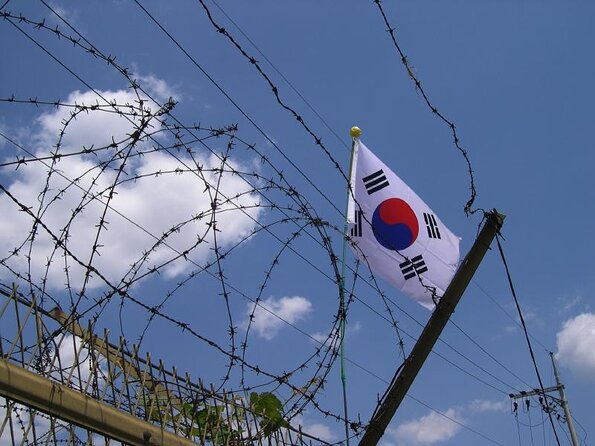
- Passport checks happen inside the DMZ process, not just at booking.
- The Third Tunnel visit comes with hard numbers on size and how it was used.
- Dora Observatory is built for binocular viewing, with named points you can try to spot.
- Dorasan Train Station is the “future rail” stop in the middle of a very present-day conflict zone.
- Pistol target practice is included, with a minimum age of 14.
- No shopping center stops, so plan on your own snack strategy.
First things first: passport, meeting point, and how to prepare
Start at Myeong-dong Station and end there too. There’s no hotel pickup or drop-off service, so you’ll want to be at the station on time and ready to board.
Bring a valid passport on the day of travel. The DMZ portion includes passport checks by soldiers, and without the right document you’ll be stuck. You’ll also need to enter your party details when you book, including full names for everyone.
For the pistol portion, there’s a clear rule: you must be at least 14 years old. The tour also asks for a moderate physical fitness level. That doesn’t mean extreme hiking, but you’ll be doing a full day of transit and standing around at viewpoints.
Finally, this is a lunch-free day. The tour does not include lunch time, food, or drinks, so bring a plan—either eat before you go and top up later, or pack simple snacks you can handle.
You can also read our reviews of more tours and experiences in Seoul.

Imjingak Pyeonghoa-Nuri Park: a war-era prelude 7 km from the line
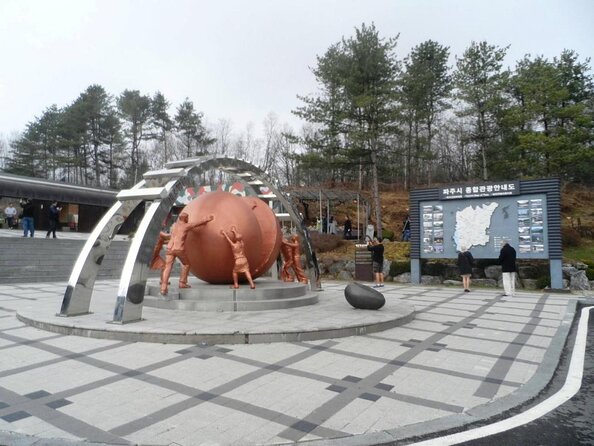
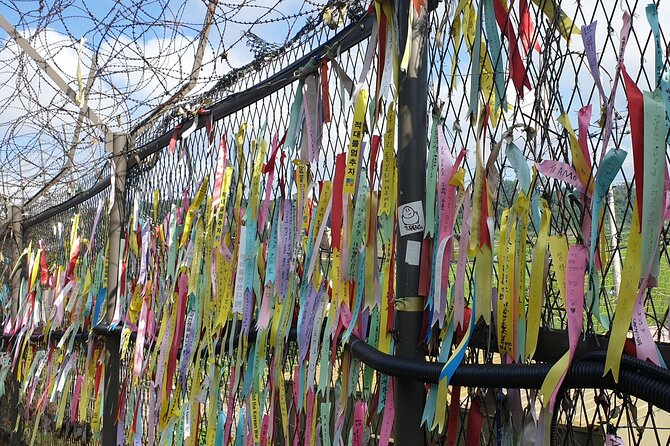
You begin with Imjingak Pyeonghoa-Nuri Park, about 7 km from the Military Demarcation Line. This stop is connected to the Korean War and was built in 1972 with the hope that unification would become possible. It’s not just a random park stop; it sets your headspace for what you’re about to see across the border.
You’ll have around 20 minutes here. That’s enough time to orient yourself and catch the main message, but not enough for deep lingering. If you care about taking in details, treat this as your warm-up and save your deepest reading for the museum and observatory stops later.
DMZ exhibition hall: your history briefing before the heavy visuals
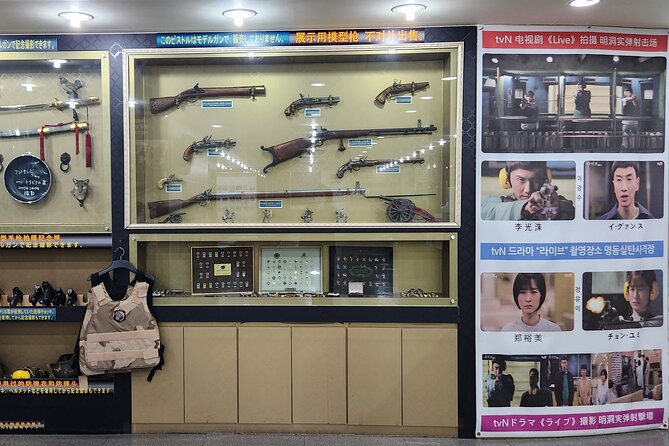
Next you head to the DMZ area, where you’ll do the short passport check process with soldiers. After that, you enter the DMZ Theater and Exhibition Hall experience, which includes a short video and exhibits.
This is one of the best parts of the day to slow down mentally. You’ll be learning how and why the peninsula is divided—before you go into places that hit you with scale and distance, like the tunnels and Dora Observatory. If you jump straight to the biggest sights without absorbing the basics, the day can feel like a list.
Your allotted time here is about 30 minutes. Use it to get oriented to the key themes: division, strategy, and how both sides shaped the DMZ environment.
The Third Infiltration Tunnel: 1,635 meters of strategy
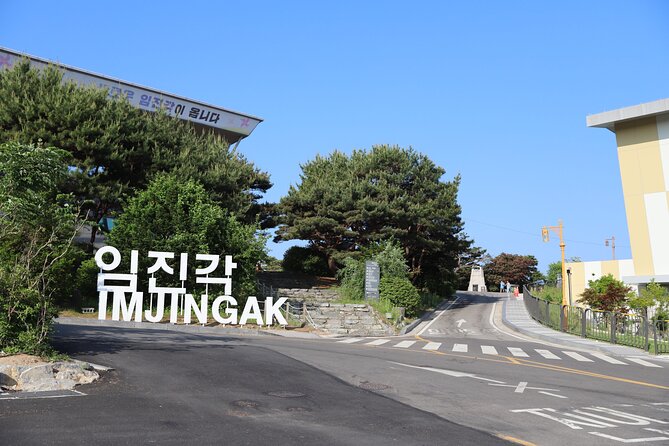
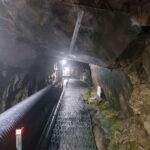
The Third Tunnel stop is where the whole day becomes more concrete. South Korea discovered it in 1978, and the facts they share are specific: it runs 1,635 meters long, is about 2 meters wide, and around 2 meters high.
They also explain the purpose and the capability it represented. The estimate given is that about 30,000 soldiers could move through per hour. Even if you don’t remember every number, this is the kind of information that makes you realize the DMZ isn’t just a line on a map—it’s an engineered system.
Plan for roughly 40 minutes at the tunnel. This is also where you may want to ask your guide what’s still visible and what’s interpretive—because tunnels and fortifications can blur together if you don’t frame what you’re seeing.
Dora Observatory: binocular views and named spots in North Korea
From Dora Observatory, you look toward North Korea through binocular-style viewing, and you get an explanation of what you might spot. The observatory view is tied to clear reference points, including locations you’ll hear named during the visit.
In addition to seeing North Korea’s propaganda village in the DMZ (described as a remnant of earlier expectations), the tour focuses on what distance you can reach from the observatory. You’ll be told you can see as far as Kaesong.
They also list areas you can try to identify: Gaeseong, Songaksan, Kim Il-Sung Statue, and Cooperation Farm (Geumamgol). Each name is a pointer. Without them, the view can feel like a haze; with them, you have something to hunt for.
You’ll have about 30 minutes. Take a slow look first, then use the guide’s cues to narrow in. It’s one of those stops where being attentive pays off more than taking nonstop photos.




Dorasan Train Station: the “future rail” contrast stop
Before heading back to Seoul, the day includes Dorasan Train Station, a station built with future cross-border rail connection in mind. This is a useful contrast stop: you move from tunnels and observatories into a place designed for movement and connection that may never fully arrive on schedule.
Even with limited time, the station helps you understand how the DMZ isn’t only about conflict—it’s also about stalled plans. You’ll see the infrastructure and hear how it’s meant to connect the two countries in the future.
If you enjoy symbols that carry real political weight, this one matters. If you’re impatient for action, it can feel calmer than the tunnel and observatory, but it still anchors the day.
Myeongdong pistol shooting range: a practical 20-minute break
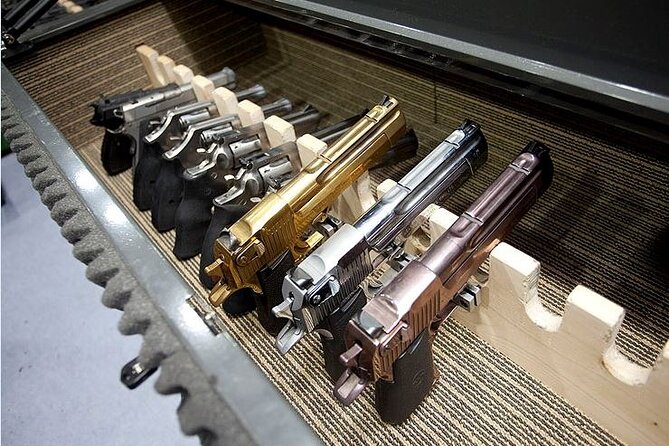
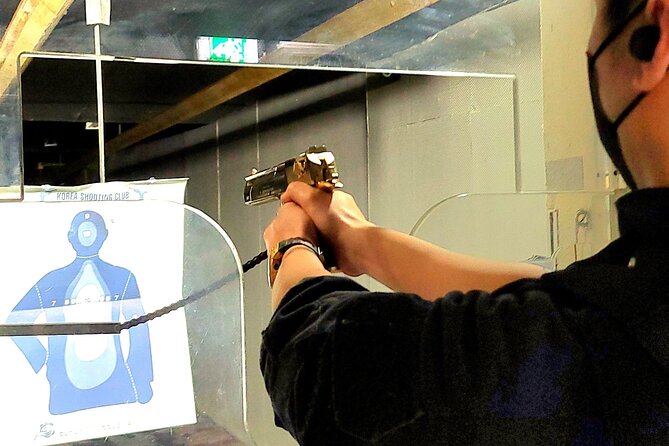
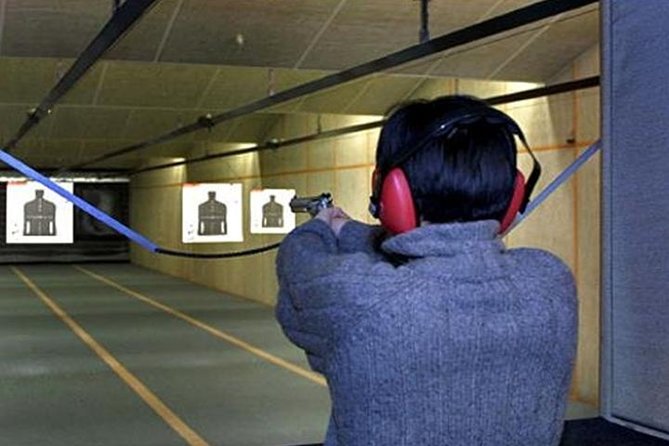
After returning toward Seoul, the tour ends with target practice at the Myeongdong Real Gun Shooting Range. This is the moment the day shifts from intense viewing to something more hands-on.
The shooting is included, and the time you’re given is about 20 minutes. The minimum age requirement is 14 years old, which is your clearest eligibility line for the shooting portion.
This is also why the tour’s price can feel like a bargain compared with separate day tours plus an activity add-on. You’re not just paying for transportation and entrance tickets; you’re paying for a guided day that ends with a real experience you can walk away from having done.
A small piece of advice: approach the shooting part with the same mindset as a class. Pay attention to staff instructions, move carefully, and treat it as safety-first practice, not a thrill ride.
Price and value: why $35 makes sense for this format
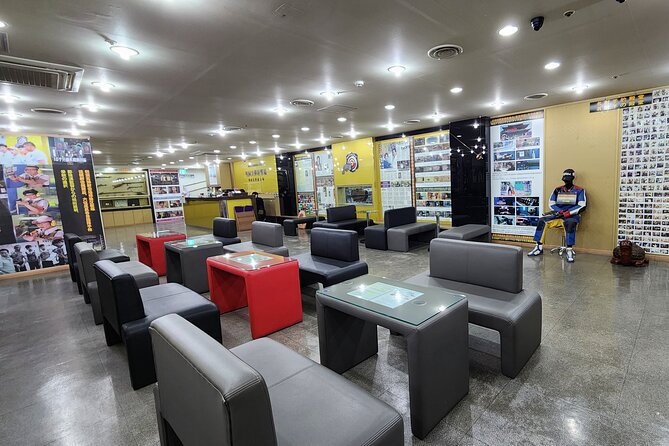
At $35, this tour is aggressively budget-friendly for a DMZ-focused day. What makes it feel like value isn’t just the low headline cost—it’s what’s included: a professional guide, air-conditioned transport, admission tickets for multiple DMZ stops, and the pistol shooting experience.
That combination reduces decision fatigue. You’re not piecing together separate tickets for the border sights and then hunting for a shooting activity afterward. And you’re not spending your whole day in transit between disconnected vendors.
The trade-off is that your time is organized tightly, and lunch isn’t included. So your real budget might be more like $35 plus whatever you eat and drink on your own.
Tour pacing and guide quality: how to get the best day
This kind of border day tour lives or dies by pacing. The good news is you’re promised a professional guide and a guided flow through major checkpoints and viewing spots.
In real-life examples, guides named Julie and Jinny were praised for enthusiasm, knowledge, and helpful English. One highlight was simply how much the guide made the history click, then followed through by making the shooting experience fun too.
But there’s also a caution from experience: if your guide’s English is hard to follow, it becomes harder to ask questions at each stop. One unhappy case described limited understanding and less time to read panels, compared with other tour styles.
So here’s how you protect your day:
- Ask questions early, right after passport checks or at the exhibition hall.
- Use the guide’s cues to focus your attention at Dora Observatory and the tunnel.
- If you care about reading, ask for a couple extra minutes while you’re there—don’t wait until the end.
Weather, military control, and what the backup route can look like
The DMZ is operated by the military, so your day isn’t 100% in your control. The tour states it may be canceled without prior notice, and schedules can shift for road conditions and military reasons.
The company also provides an alternative plan if needed. In that alternative routing, you might see Imjingak Park, then Art Space BEAT 131, Odusan Unification Observatory, the war memorial of Korea, and still make it to Pistol Shooting Experience, with dismissal back in Myeongdong.
That matters because it changes your expectations. If you go in knowing the DMZ stops can be adjusted, you’re less likely to feel let down if you don’t get the exact same sequence.
Who should book this DMZ plus shooting tour
Book this if you want a DMZ highlights day without the complexity of planning multiple bookings yourself. It’s a fit when you:
- Like structured touring with a guide doing the connecting-the-dots work.
- Want a hands-on ending with pistol target practice (age 14+).
- Prefer fewer extras like shopping stops and more time in guided sites.
I’d be cautious if you:
- Want long, unhurried museum reading time at every panel.
- Need very high confidence in English and interactive Q&A style.
- Are sensitive to schedule changes driven by military operations and fog-heavy visibility days.
This tour is also a strong choice for people who want border-area access but are not specifically trying to do a more specialized access format. You still get the major pillars: tunnel, observatory, and the DMZ exhibition briefing.
Should you book this tour?
I think it’s an easy yes if you’re looking for maximum DMZ coverage in one day, plus an included activity that’s actually fun at the end. The price-to-inclusions ratio is hard to beat: guide, transport, multiple admissions, and shooting for $35.
I’d say no (or at least reconsider) if you’re the type who needs deep museum time and very flexible pacing, or if you hate the idea that military scheduling can rearrange your day. If that’s you, plan for the alternative route in your mindset.
If you do book, go in prepared: bring your passport, eat before you run out of hunger, and ask questions early so you get the most out of each stop.
FAQ
Do I need a passport for this tour?
Yes. A current valid passport is required on the day of travel, and you’ll go through passport checks connected to the DMZ area.
Where do I meet, and where do I get dropped off?
You start at Myeong-dong Station in Seoul and end back at the same meeting point for drop-off.
How long is the DMZ tour?
The duration is approximately 7 hours 30 minutes.
Is hotel pickup or drop-off included?
No. The tour does not include hotel pickup and drop-off service.
What is the minimum age for the pistol shooting experience?
The minimum age is 14 years old.
What’s included in the price?
The price includes a professional guide, air-conditioned transportation, and the pistol shooting experience. Admission tickets are included for the DMZ-area stops listed in the schedule.
Is lunch provided during the tour?
No. Lunch time, food, and drinks are not included.