REVIEW · EVENING EXPERIENCES
Seoul Sunrise & Sunset Hike + Temple & K-Food Adventure
Book on GetYourGuide →Operated by Discover Seoul: Local Vibes · Bookable on GetYourGuide
Sunset over Seoul starts with a climb. This Achasan hike mixes big city views, a calming temple stop, and serious Korean comfort food, all in just 3 hours. I especially like the panoramic summit views and the way the meal plan lands on favorites like jeon and makgeolli. The main drawback: it involves stairs and walking on an outdoor trail, so it’s not a fit if you’re mobility-limited or looking for step-free travel.
You’ll begin near Gwangnaru Station, hike up at an easy pace, pause for photos at key viewpoints, then cool down at Gyeongwonjeongsa Temple. After that, it’s straight into K-food mode with street snacks and a traditional restaurant finish—nice for solo travelers and small groups who want Seoul flavor without overplanning.
In This Review
- Key things that make this tour work
- Achasan Mountain: the short hike that feels like a viewpoint ticket
- Getting the historical context while you climb
- Gyeongwonjeongsa Temple: calm after the stairs
- The K-food plan: street snacks plus jeon and makgeolli
- What you may snack on during the street-food portion
- The traditional finish: jeon and makgeolli
- Small-group guidance: why it matters on Achasan
- Timing and photos: sunrise or sunset light, managed
- What to bring (and what to skip)
- Logistics in plain terms: where you start and how long it takes
- Who this tour is best for
- Price and value: $82 for views, history, and a full food run
- Should you book the Seoul Sunrise & Sunset Hike + Temple & K-Food Adventure?
- FAQ
- How long is the tour?
- What is included in the price?
- Where do we meet?
- Is transportation included?
- What kinds of food will I try?
- What should I bring?
- Is the hike suitable for beginners?
- What languages are offered?
- Are there any rules I should know?
Key things that make this tour work
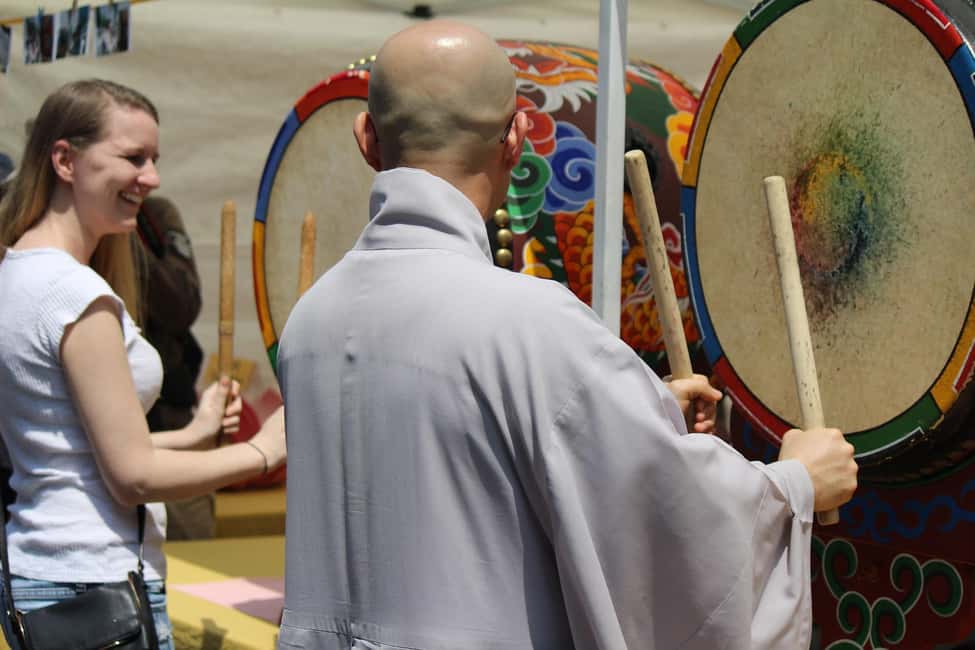
- Achasan summit panoramas with Seoul city sights, including Lotte Tower and the Han River area
- Gyeongwonjeongsa Temple at the mountain’s base for a quiet, reflective break
- Clear history talk on Achasan’s role as a military strategic point around Seoul
- K-food progression: street bites first, then a sit-down pairing of jeon plus makgeolli
- Small-group vibe (up to 8) so you get real guidance, not just background commentary
- Beginner-friendly timing, but with enough stairs to matter—especially in summer
Achasan Mountain: the short hike that feels like a viewpoint ticket
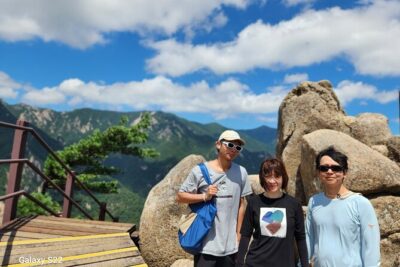
Achasan is the kind of mountain that makes Seoul feel close and reachable. The core hike is about 30 minutes up toward the summit, and the overall tour keeps moving, so you’re not stuck for hours on a trail. Still, it’s not totally “easy-easy.” Expect stairs on the route. If you’re new to hiking, plan your effort in small chunks, take breaks when you need them, and you’ll be fine.
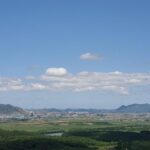
Once you reach the top, the payoff is what you came for. From the summit viewpoints, you get sweeping views across the Seoul cityscape. The tour also points out recognizable landmarks, including Lotte Tower and the Han River area. Even if you’re not a photo person, you’ll understand why people show up for sunrise or sunset light here. The sky and city mix differently depending on the hour, and the guided timing helps you catch the best look without guessing.
One more practical win: because the hike is short, it’s a good “active evening” option. You get movement, air, and views, then you end with food instead of trekking back home starving.
You can also read our reviews of more food & drink experiences in Seoul
Getting the historical context while you climb
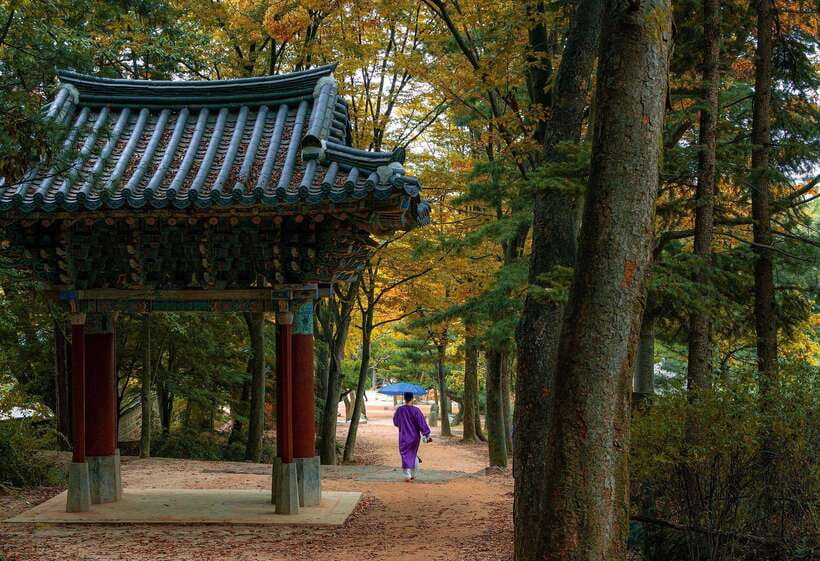
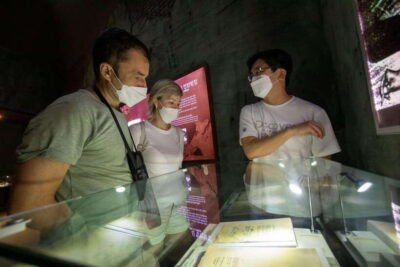
A big part of the tour’s value is what your guide adds while you walk. Achasan isn’t just a pretty hill. It’s described as an important military strategic point in Seoul’s earlier defense history. That means your hike comes with a sense of place—you’re not only looking at the city, you’re learning why this mountain mattered.
You’ll also hear about how the mountain connects to the wider story of defending Seoul. On the trail, that kind of info turns the walk into something more memorable than exercise alone. It’s also a nice way to learn without sitting in a museum. You’re basically pairing local geography with history at walking speed.
Gyeongwonjeongsa Temple: calm after the stairs
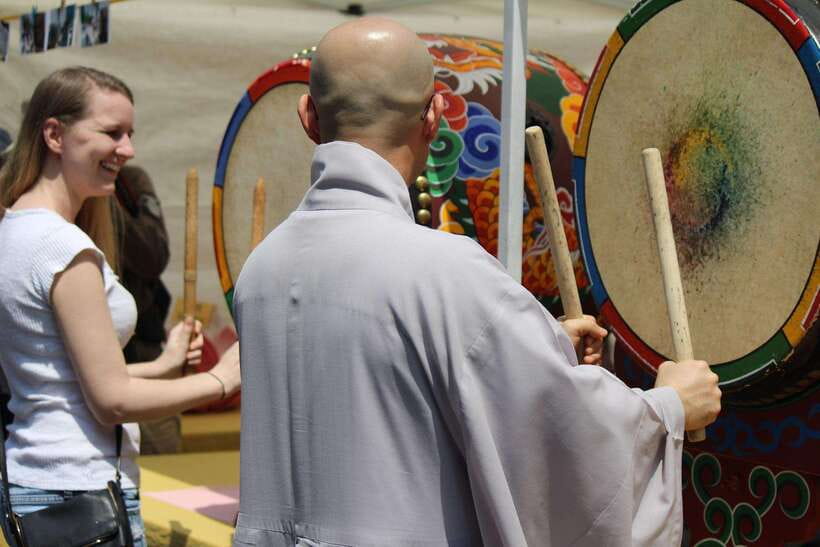
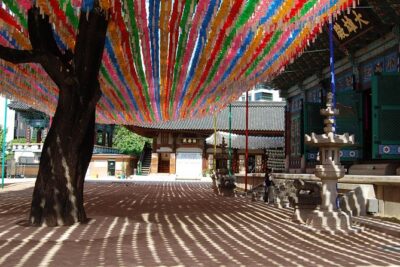
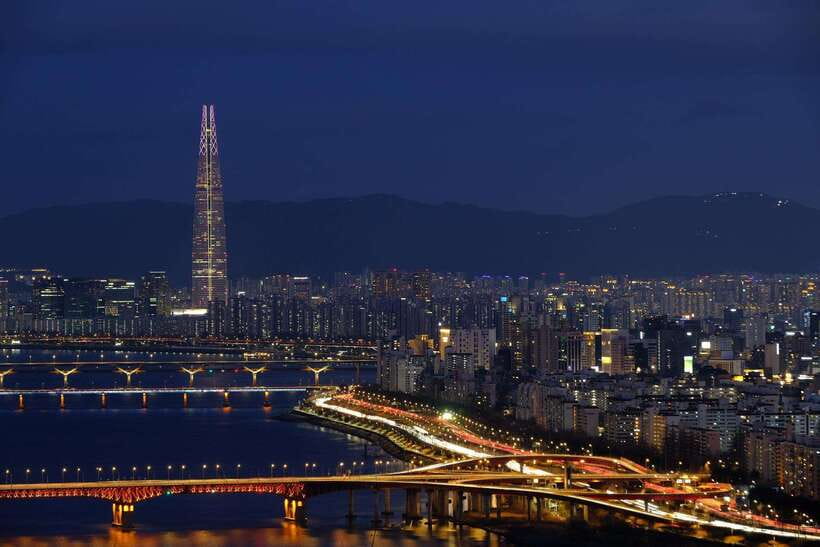
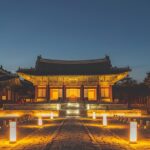
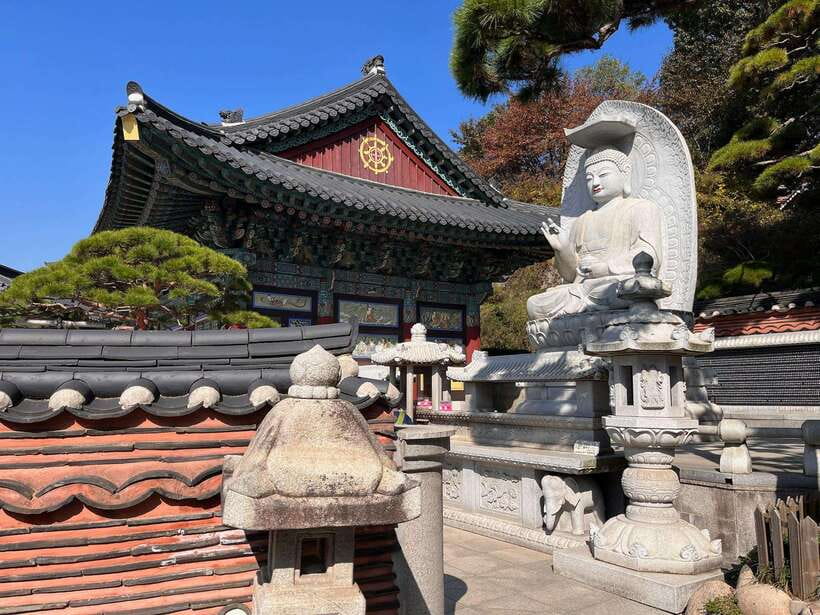
After the summit views, the tour moves to Gyeongwonjeongsa Temple, located at the foot of Achasan. This stop is where the pace softens. The setting is described as peaceful, with an atmosphere that suits reflection and meditation. It’s also a good contrast after the climb, especially if you started in warm weather and your legs want a breather.
You’ll have time to admire old Buddhist statues and preserved architecture. The craftsmanship details are the point here: even if you don’t know the religious background, you can appreciate the careful design and age of the structures. It’s the kind of visit that makes you slow down naturally.
In at least one experience tied to this hike, an extra temple stop like Yeonghwasa Temple showed up near the end as a tranquil add-on. That doesn’t change the main plan, but it suggests your guide may adjust minor stops depending on the day’s flow and timing. If you love quiet places, keep your expectations open for a calmer final stretch.
The K-food plan: street snacks plus jeon and makgeolli
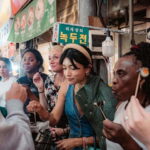
Let’s talk about the part most people really care about: eating. This tour doesn’t dump you at a generic restaurant and call it authentic. It feeds you in stages, starting with Korean street food flavors, then finishing with a traditional sit-down meal.
What you may snack on during the street-food portion
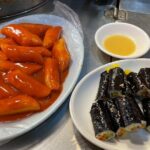
You can expect a variety of Korean favorites such as:
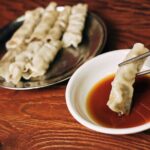
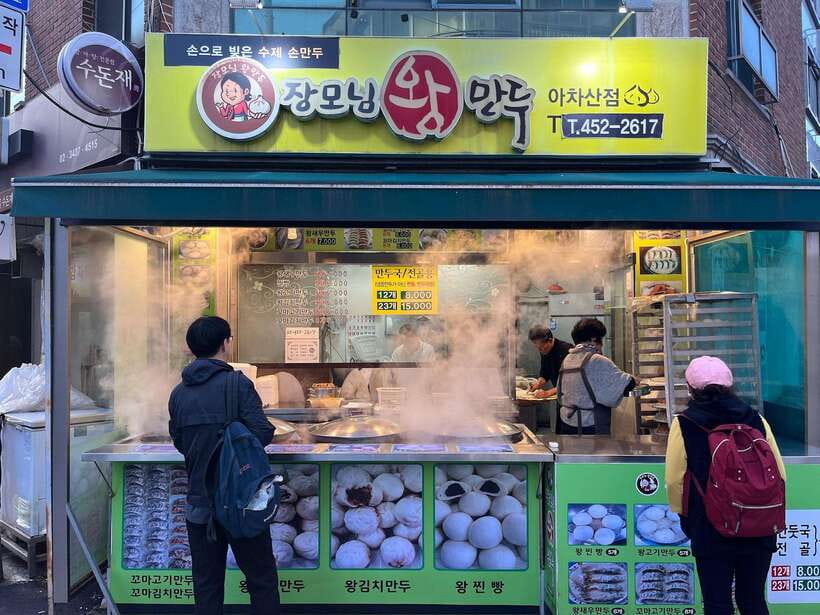
- mandu (dumplings)
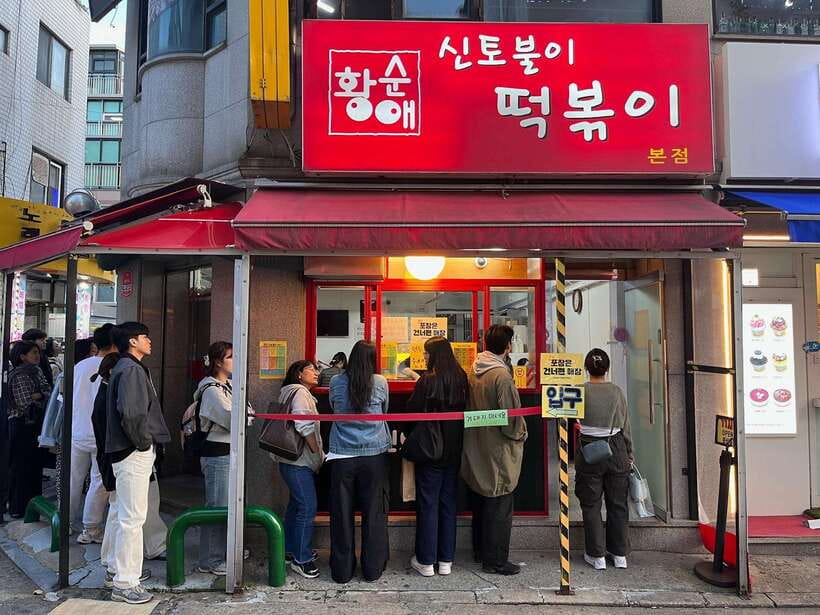
- tteokbokki (spicy rice cakes)
- hotteok (sweet pancakes)
This is a smart order. Street bites keep your energy up while you walk around and explore the final area. They also let you try different textures and spice levels without needing a full meal.
You can also read our reviews of more tours and experiences in Seoul


The traditional finish: jeon and makgeolli
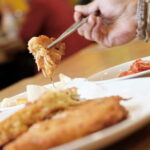
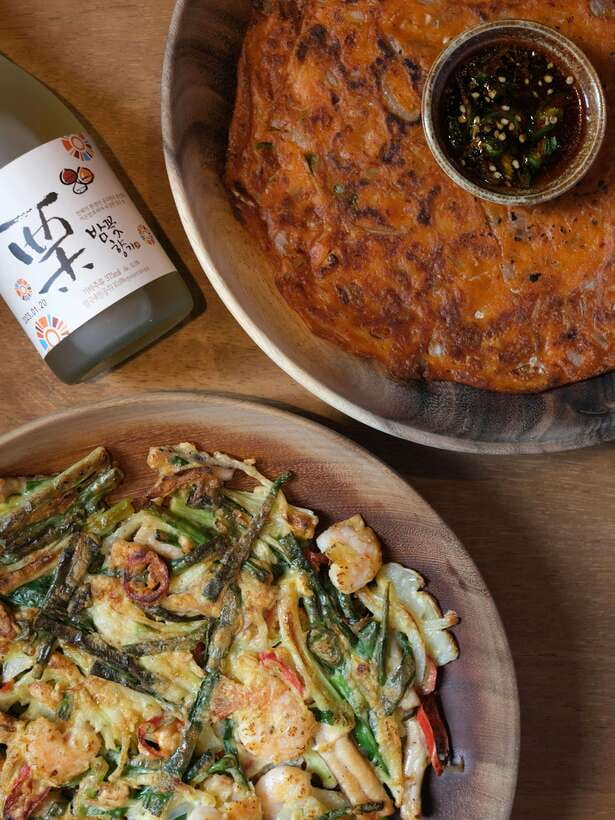
After street food, you’ll head to a traditional Korean restaurant for jeon (Korean pancakes) and a glass of makgeolli, a traditional rice wine. The pairing works because it’s comforting and filling without feeling heavy after a hike.
A helpful detail: the menu can be adjusted based on store opening schedules or your preferences. In one small-group experience, the guide even accommodated a special diet, which is a reassuring sign if you’re careful about food choices. If you have restrictions, it’s worth communicating them ahead of time so the meal fits you.
Pro tip for your taste buds: pace yourself. It’s easy to snack nonstop when everything smells amazing. Save room for the jeon finish, because that’s the meal “anchor” of the tour.
Small-group guidance: why it matters on Achasan
This is a small-group tour limited to 8 participants, and that scale affects everything. On a hike with stairs, you want someone watching the group and adjusting the pace. The tone from guides in this experience is described as patient and friendly, with enough history context to keep things interesting without turning the climb into a lecture.
Guides mentioned in confirmed bookings include David and Sanghoon. One guide is highlighted for patience during a beginner climb and for sharing Seoul history while walking. Another is noted for chatting with travelers and caring about guests, including making meal accommodations when needed.
That’s exactly what you want from a Seoul hiking tour: practical leadership on the trail, plus human conversation that makes the views and the temple feel less like a checklist.
Timing and photos: sunrise or sunset light, managed

This experience is built around sunrise and sunset energy, and the schedule includes a photo stop with time for scenery and sunset viewing on the way. The total duration is 3 hours, so the tour is tightly planned around daylight.
One detail that can make a big difference: your guide will meet you in advance. You’ll meet in front of Exit 1 at Gwangnaru Station (Line 5), and the guide waits there about 10 minutes before the scheduled start. If you want a smooth start, arrive close to that meeting window, not right at the time, so you’re not stressed when the group is about to move.
For photos, the best advice is simple:
- wear layers if the temperature drops at summit time
- use comfortable shoes so you don’t rush your shots
- bring water, because even short climbs add up
What to bring (and what to skip)
The tour’s “bring” list is short and practical:
- comfortable shoes for hiking and stairs
- camera for the summit and viewpoints
- water
Smoking isn’t allowed during the hike, so plan around that if you’re a smoker.
If you’re coming from central Seoul, wear whatever you’d use for a full evening walk, not fashion sneakers with thin grip. Achasan is described as having stairs, and you’ll feel it more if your shoes slip or your soles are worn out.
Logistics in plain terms: where you start and how long it takes
This is designed to be efficient. You’ll spend:
- part of the time hiking up Achasan
- time at summit viewpoints for photos and scenery
- time with the temple visit
- time eating street food and then jeon and makgeolli at a restaurant
Transportation to and from the starting point isn’t included, so you’ll need to handle your own ride or subway connection. The good news is that the meeting point is clear and easy to reach: Gwangnaru Station, Exit 1.
Language options are Korean and English, and it’s a live guide. You also skip a ticket line, which matters when you’d rather spend your limited time on views and food.
Who this tour is best for
This tour fits best if you want:
- an easy-to-moderate hike that won’t swallow your whole day
- guided history without studying from scratch
- a temple visit that slows things down
- a food plan that mixes street snacks and traditional dishes
It’s also a good choice for solo travelers who want company without a big group crowd. The small size makes it feel social, but not chaotic.
It’s not for you if:
- you use a wheelchair or have significant mobility impairments
- you’re looking for step-free walking
- you hate short hikes with stairs (even if the climb is planned as manageable)
Price and value: $82 for views, history, and a full food run
At $82 per person for a 3-hour experience, you’re paying for three things together: guided hike, temple visit, and a serious food portion (street food plus jeon and makgeolli). If you booked those pieces separately, you’d likely spend more time coordinating—and you’d still be doing research on your own.
The value is strongest if you don’t want to plan:
- which mountain viewpoint to target
- how to connect that to a temple stop
- where to eat Korean street food safely and efficiently
- when to do it so you catch the best light for the views
If you already have strong hiking stamina and your own plan for food, you might feel the price is just okay. But if you want a guided evening that delivers Seoul flavor fast, this is priced like a “pay once, relax” activity.
Should you book the Seoul Sunrise & Sunset Hike + Temple & K-Food Adventure?
I think you should book if you want an evening or morning that mixes views + culture + food in one clean route, with a guide who keeps the pace workable. Achasan’s summit views and the temple stop provide the variety, and the food plan gives you a real payoff afterward instead of ending with just snacks.
Skip it if stairs and outdoor walking are deal-breakers for you. Also, if you’re heat-sensitive, go in smarter: bring your water, pace your climb, and don’t treat it like a casual stroll.
For most people who like Seoul but want something more human than indoor-only sights, this is an efficient way to get outside, learn a bit of local context, and eat like you planned the day around it.
FAQ
How long is the tour?
The total duration is 3 hours.
What is included in the price?
You get a guided hike to the Achasan summit, a visit to Gyeongwonjeongsa Temple, and traditional Korean cuisine and street food.
Where do we meet?
You meet in front of Exit 1 at Gwangnaru Station on Line 5. The guide will be there about 10 minutes before the scheduled time.
Is transportation included?
No. Transportation to and from the starting point is not included.
What kinds of food will I try?
The tour includes Korean street food such as mandu, tteokbokki, and hotteok, plus jeon and makgeolli at a traditional restaurant.
What should I bring?
Bring comfortable shoes, a camera, and water.
Is the hike suitable for beginners?
It’s described as an easy hike and relatively short, but there are stairs and you should wear hiking-appropriate shoes and take breaks as needed.
What languages are offered?
The live tour guide speaks Korean and English.
Are there any rules I should know?
Smoking is not allowed during the hike.