REVIEW · GYEONGBOKGUNG PALACE & HANBOK TOURS
Layover tour to Gyeongbokgung-Folk Museum-Bukchon-Insadong
Book on GetYourGuide →Operated by Paul Koo · Bookable on GetYourGuide
Seoul in 6 hours sounds tight, but it’s doable. This private Incheon layover tour strings together the big Korean culture hits: Gyeongbokgung Palace, the Folk Museum, Bukchon Hanok Village, Jogyesa, and Insadong—then you’re walked to Seoul Station to catch your train back to the airport. Two things I really like are how much context you get at each stop and how efficiently the day is handled with trains and timed guidance. One drawback: you’re on a schedule, so there’s no long detour time for extra neighborhoods or a slow food crawl.
I also like that you’re not just dropped at viewpoints. Your English guide (Paul Koo is mentioned often) is local to Seoul, with years of study behind the culture and especially the ideas tied to Joseon-era life, so the palace doesn’t stay a pretty backdrop. That said, this is a culture-and-architecture day first—food isn’t included, so if you’re expecting lunch as part of the package, plan for it.
In This Review
- Key points before you go
- A 6-Hour Layover Plan That Starts at Incheon (and ends at Seoul Station)
- Getting to Seoul Fast: AREX Express vs Normal Train
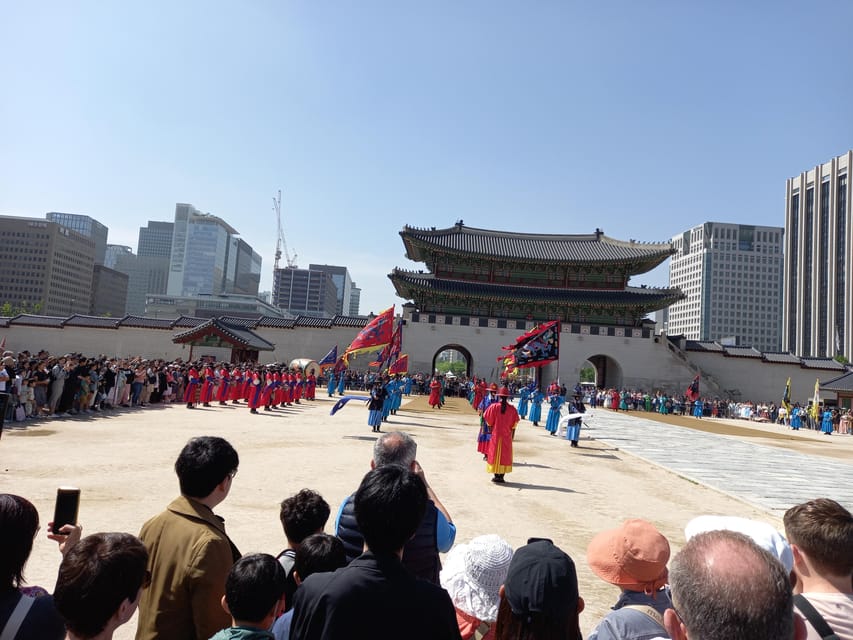
- Gyeongbokgung Palace: Joseon Korea’s Core, Explained
- National Folk Museum of Korea: Daily Life and Rituals, Not Just Artifacts
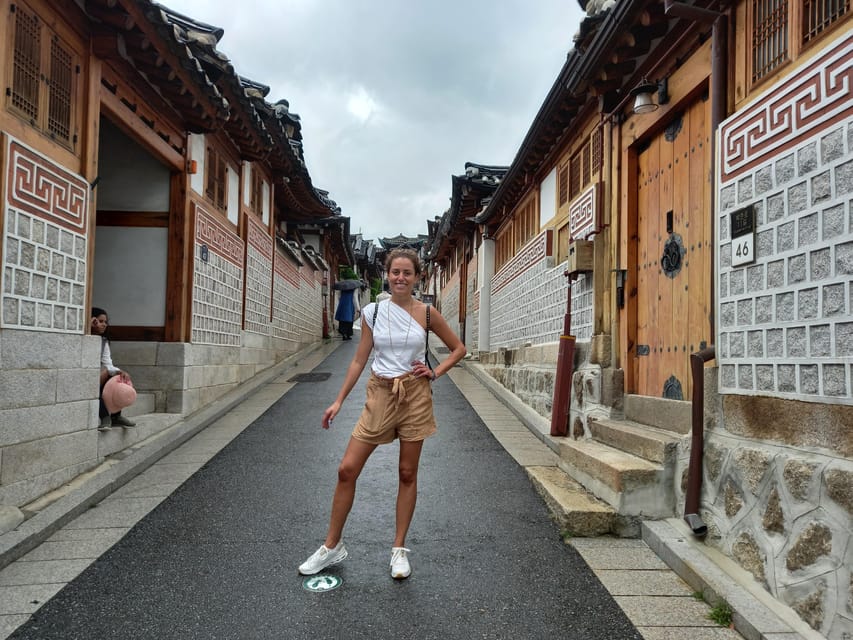
- Bukchon Hanok Village: 1,000 Hanoks With a City Skyline Backdrop
- Jogyesa and Insadong: Temples, Tradition Streets, and Street-Level Seoul
- Trains, Seating, and the Real Layover Math
- Price and Value: What $254 Covers for a Private Culture Sprint
- Best For Whom: Solo travelers who want Joseon culture with structure
- Should You Book This Tour or DIY the Same Stops?
- FAQ
- Where does the tour start and end?
- How long is the layover tour?
- Is this tour private or shared?
- Is there an English guide?
- Which main places are visited?
- What’s included in the price?
- How do you handle the train from Incheon?
- Do express train seats need to be arranged?
- Is food included?
Key points before you go
- Private, English-guided: one group experience, not a cattle-car tour.
- Built for layovers: meets at ICN and ends at Seoul Station with your ride back handled.
- Gyeongbokgung with meaning: you’ll get the Joseon/Confucian ideas that explain why the palace looks the way it does.
- Folk Museum focuses on real people: daily life plus rituals, from birth to aging and death.
- Bukchon’s old-new contrast: traditional hanoks with the city skyline and N Seoul Tower in the frame.
- Train logistics are part of the plan: AREX express when possible, normal train when it’s faster by waiting time.
A 6-Hour Layover Plan That Starts at Incheon (and ends at Seoul Station)
This tour is designed like a practical layover solution, not a full-day city fantasy. You meet at Incheon Airport (ICN), then the day moves outward to Seoul’s classic sights and back to the transport hub you’ll need next: Seoul Station. It’s about 6 hours total, so you’ll want to build your whole layover around that time window.
The biggest win for you is that the hard parts get handled: getting from ICN into the city and setting up your return train. You don’t have to figure out which platform, which ticket type, or how to time the last leg. Your guide meets you at the airport, takes you to the sights, and then escorts you to Seoul Station when the tour ends—so you can catch the train back to Incheon.
One small practical consideration: because the tour ends at Seoul Station, your next step (your airport train) is tied to that finish line. If your onward plan depends on being back in the airport terminal itself right away, double-check the timing so you’re not rushing.
You can also read our reviews of more museum experiences in Seoul

Getting to Seoul Fast: AREX Express vs Normal Train
Timing matters on a layover, and this tour treats it like a real constraint. From ICN to Seoul Station, you’ll take the express train (AREX) when it makes sense. The express route runs almost every one hour, and it uses a designated seat system. In peak season, those seats can be sold out, so buying in advance is part of the plan.
If the express option isn’t available soon enough, you switch to the normal train. The normal trip takes about 1 hour, and the schedule difference between express and normal is around 20 minutes. The guide chooses the method that reduces total waiting—so you’re less likely to lose time sitting around when your day is already tight.
This is the kind of detail that makes a layover tour work. A slower choice isn’t always faster overall, and getting stuck in a wait line can quietly eat your buffer. Here, the plan accounts for that and keeps the day moving.
Gyeongbokgung Palace: Joseon Korea’s Core, Explained
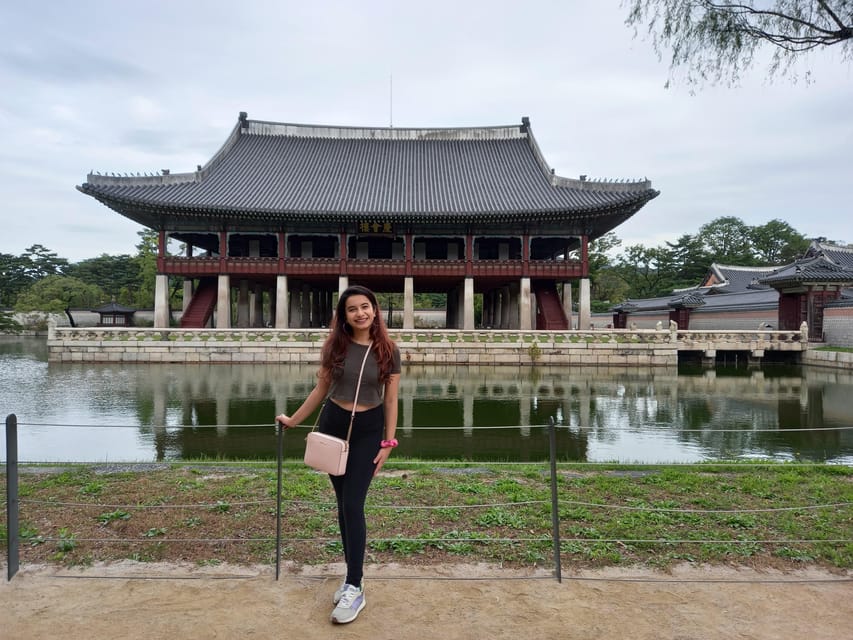
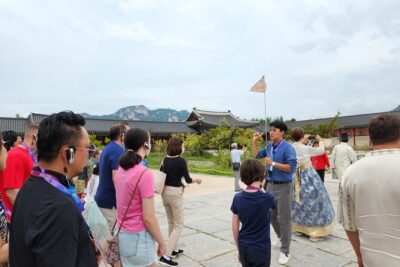
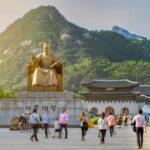
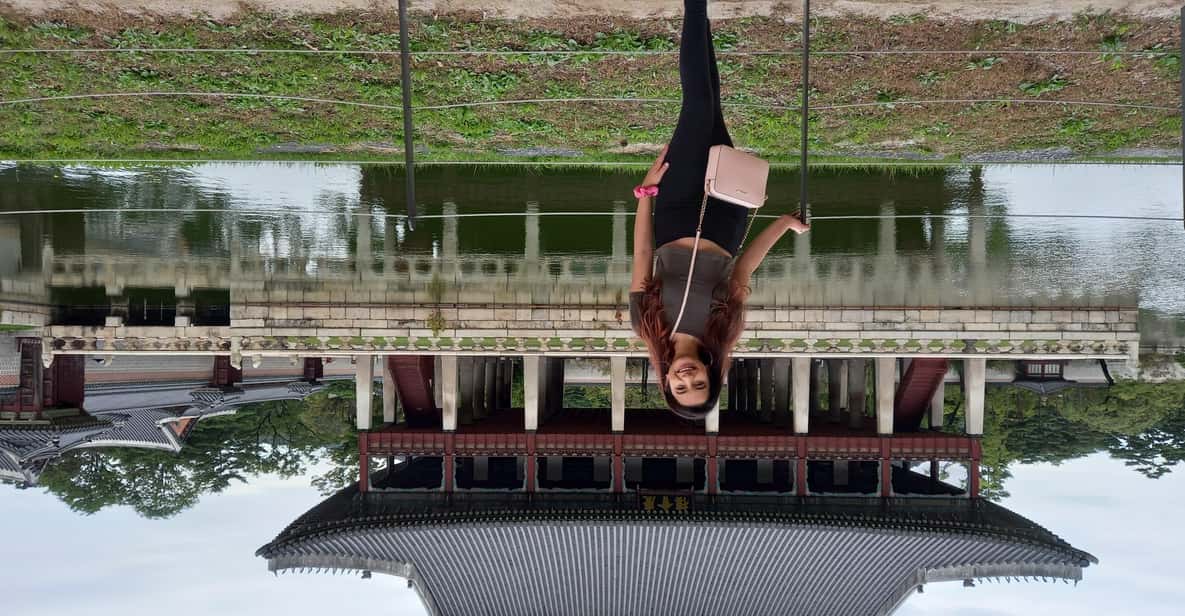
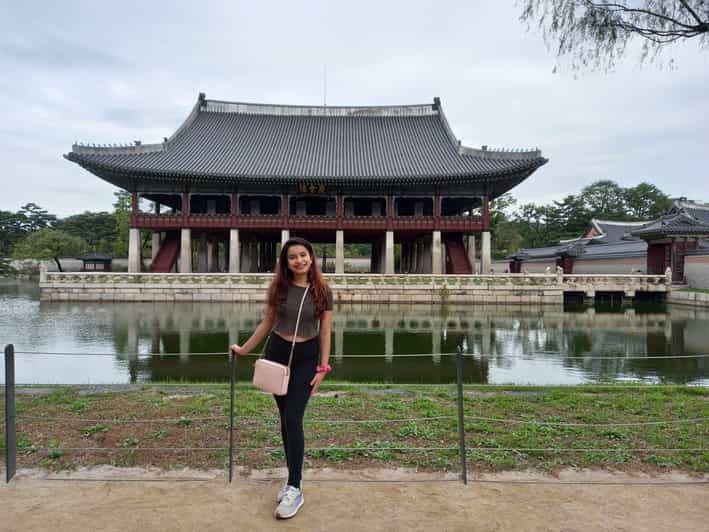
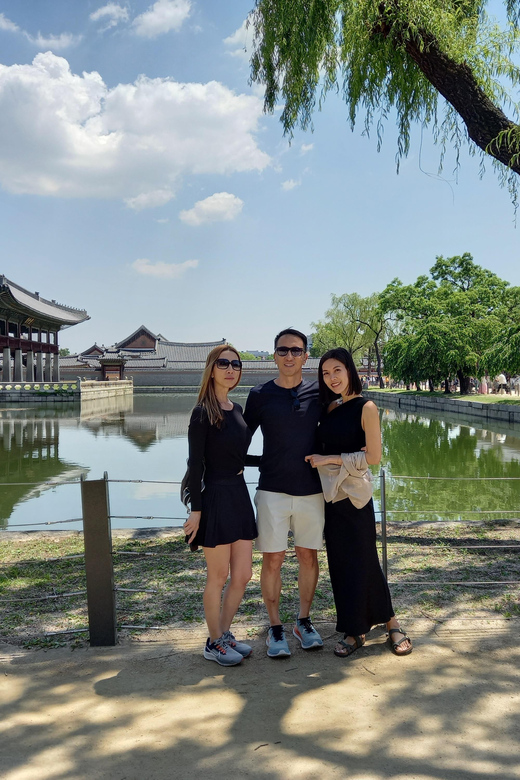
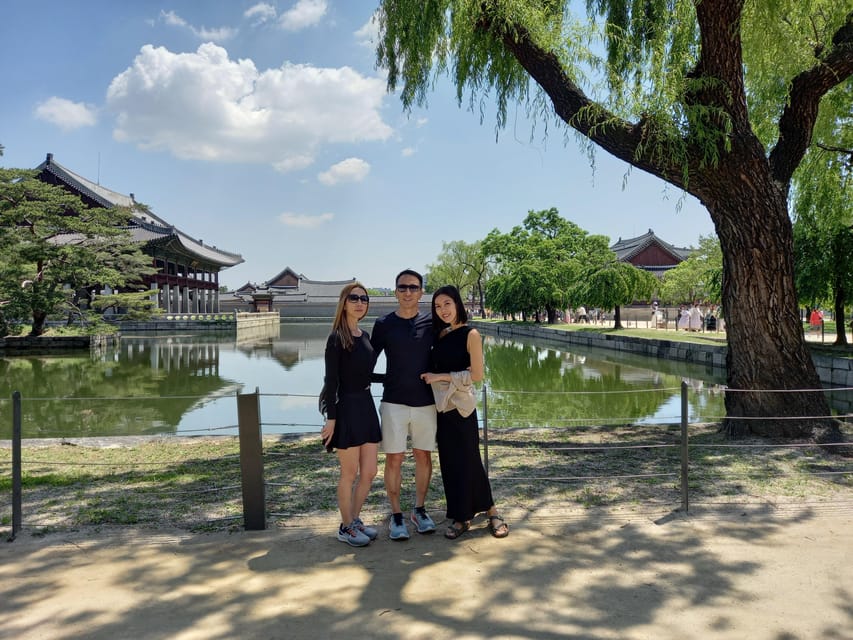
Gyeongbokgung Palace is the centerpiece for a reason. It’s described as the highlight and essence of Korean palace culture, and it’s also one of the most important palaces in the Joseon story. Built as the main palace in 1395, it’s the largest palace and notably the only palace built on flat land using traditional palace architecture.
Here’s what you’ll appreciate most when you have a guide: the palace isn’t just a visual. The architecture is tied to the ideas of the Joseon era and Confucianism—the spirit behind the social order and the way spaces were organized. If you only see the surfaces, it’s easy to think, Nice buildings. If you get the context, you start noticing the logic in the layout and the choices that reflect the times.
Your guide also helps you connect the palace to the broader Korean cultural identity. That matters because palace architecture is not random decoration. It’s a physical expression of how a society thought, ruled, and performed ceremony. This is where the guided portion earns its keep.
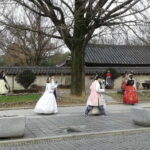
If you’re the type who loves photographs, this is also a strong stop for picture angles. With the right timing and viewpoint, the palace looks different as you move—so walking with a guide who knows where the best photo spots are can save you trial-and-error time.
National Folk Museum of Korea: Daily Life and Rituals, Not Just Artifacts
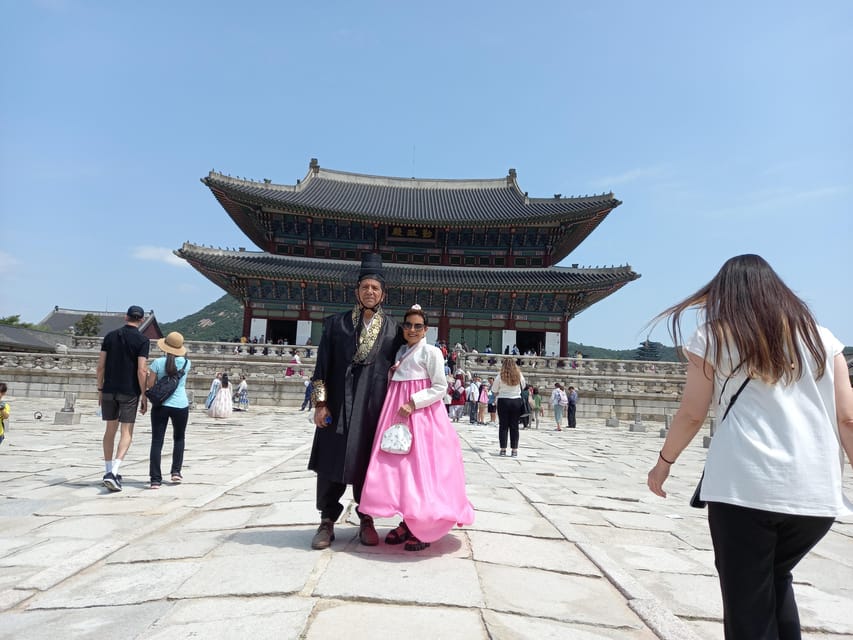
After the palace, the day pivots from royal power to everyday people. The National Folk Museum of Korea is built to show common life and seasonal activities—basically how ordinary people lived across the Joseon era.
What makes this stop feel meaningful is the museum’s focus across a life cycle: birth, growth, marriage, aging, illness and treatment, and then death. You also see ceremonial and commemorative rituals and events, which helps you understand that tradition isn’t only for festivals or formal occasions. It shapes routines, celebrations, and even how people face illness and the end of life.
The guided time here is shorter (about 30 minutes), so you shouldn’t expect to read everything. Instead, think of it as a targeted “what to look for” session. When you walk in knowing what themes to watch for, you come out with a clearer sense of Joseon culture beyond the palace gates.
If you like museums but hate the feeling of being lost, this format can work well: short, focused orientation, then you can enjoy what you see at your own pace inside the time limit.
Bukchon Hanok Village: 1,000 Hanoks With a City Skyline Backdrop
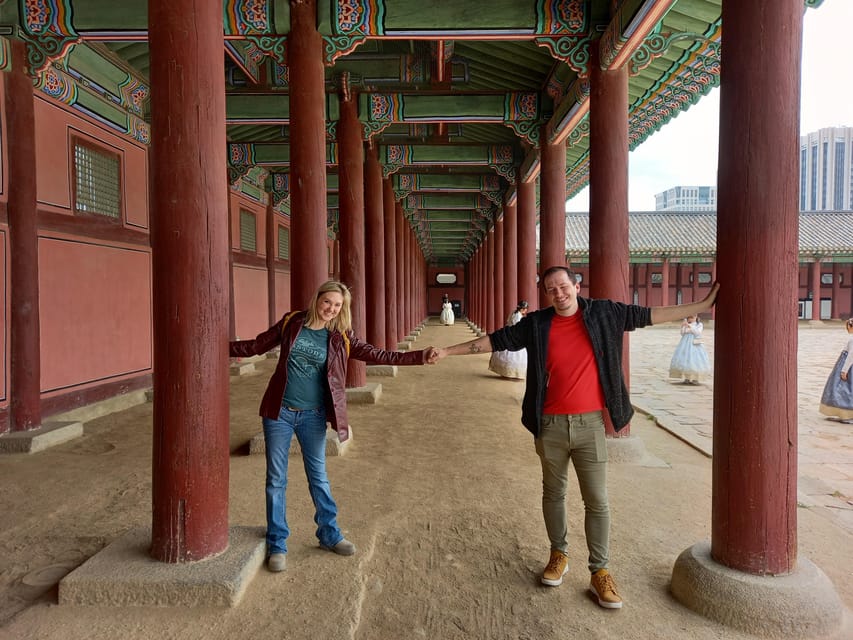
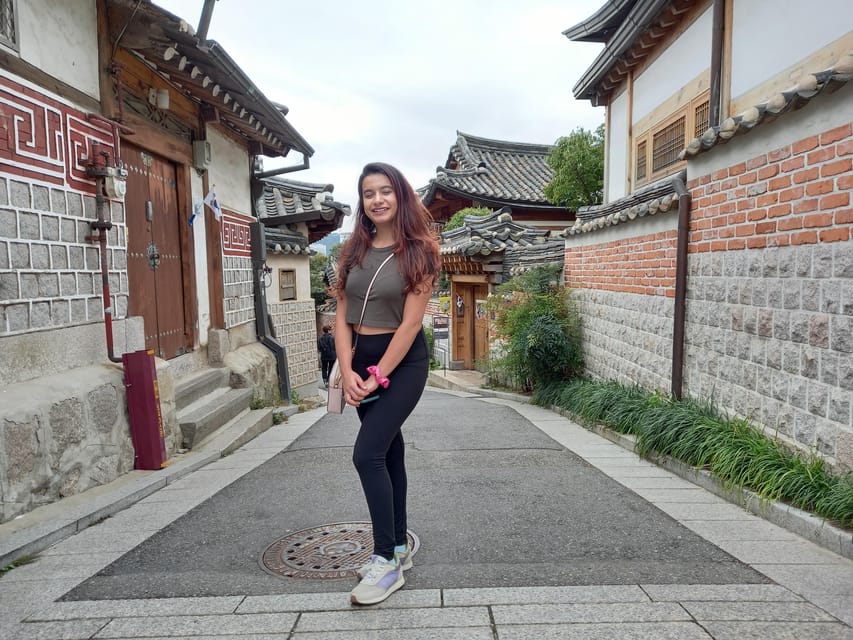
Next up is Bukchon Hanok Village, often called Bukchon Hanok Maeul in local usage. This area is described as the largest cluster of about 1,000 hanoks—traditional Korean houses. And the big visual hook is the contrast: you get the old neighborhood feel, but with modern Seoul rising around it, including the presence of the skyline and N Seoul Tower in the background.
For you, the key value of Bukchon isn’t only the architecture. It’s the way the neighborhood helps you grasp how traditional living patterns sit inside a living modern city. Even on a brief visit, you can see that hanoks aren’t just museum pieces. They’re part of Seoul’s identity, even when the city around them changes.
The tour time here is about 40 minutes, so the experience is more of a guided orientation and slow walking than a deep “every lane, every door” expedition. If you want to go inside more homes or spend extra time on crafts, you’d need more hours than this layover allows—but for a half-day window, this is a strong hit.


Jogyesa and Insadong: Temples, Tradition Streets, and Street-Level Seoul
This tour includes Jogyesa Buddhist Temple, described as the headquarter of Korean Buddhism. It’s also noted as a small temple in physical size but central in importance, built in 1926 and located in/near Insadong—adjacent to the area you’ll explore around the palace and Insadong corridor.
Jogyesa can feel like a reset button after palace formality. Buddhist temples tend to shift your pace from ceremonial “state” mood to a calmer, more human rhythm. Since it’s included alongside Insadong, you also get a good mix of structured tradition and everyday street life.
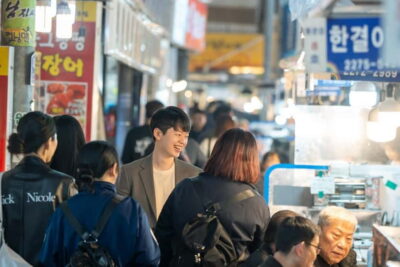
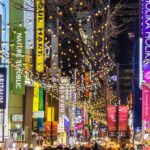
Then you head to Insadong, with about 1 hour there. Insadong is the kind of street neighborhood where traditional culture shows up in shops, small galleries, and the overall vibe. It’s a practical stop too: you can use the time to snack if you want, browse, and grab small souvenirs without needing another transit plan.
One important note: food and beverage aren’t included, so if street snacks are part of your plan, budget for them. The guide’s local knowledge can help you spot good options, and a few minutes of wandering can be enough to feel the neighborhood without turning it into a full afternoon.
Trains, Seating, and the Real Layover Math
The overall schedule runs on one simple rule: don’t spend time guessing. Your guide handles the return trip concept by moving you to Seoul Station and getting you set up for the train departing for Incheon. Express is the first choice when it works, and normal is used when express would cost you more waiting time.
Also remember the express train is designated seats. That’s a big deal on a layover. Standing in a crowd for an hour isn’t how you want to spend your limited time. With designated seating, your energy stays intact for the palace and temple walking.
The day starts at ICN and ends at Seoul Station. If your next flight depends on a specific window, treat this like an organized handoff. If your timing is very aggressive, it can help to keep your carry-on ready and your meeting point easy to access—so the day doesn’t start with avoidable friction.
Price and Value: What $254 Covers for a Private Culture Sprint
At $254 per group (up to 1 person), this isn’t a cheap “walk around town” deal. But it’s also not just a ticket to places. The price is built around the things that cost money and time: a 6-hour English guide, palace entry, and transportation tied to the airport-to-city-to-airport flow.
Specifically, the tour includes:
- Guide fee for about 6 hours with cultural context
- Transportation from Incheon to the tour area and then back toward the airport via the train route (AREX is part of that plan)
- Admission to Gyeongbokgung Palace
- Local transport included as part of the route plan
So where’s the value? In layover reality, it’s the combination of:
- a tight itinerary that actually fits
- guided context that makes your time make sense
- transport handled so you don’t burn time in logistics
If you’re traveling solo (the pricing suggests you likely are), private guiding can be a bargain compared with doing this sequence yourself with timed palace entry and figuring out airport trains and seat availability—especially around peak periods.
Best For Whom: Solo travelers who want Joseon culture with structure
This tour fits best if you want the main Korean culture landmarks without spending your layover doing route math. It’s also a good match for people who care about meaning, not just photos.
You’ll likely enjoy it most if:
- you’re visiting for a short time and want the “big hits”
- you like guided explanations that connect architecture to Confucian Joseon ideas
- you want an efficient plan that ends in a clear next step at Seoul Station
- you’re okay with museum time that’s guided and focused rather than slow and exhaustive
If you’re the type who wants hours of free wandering in each neighborhood, you might feel constrained. This is a well-paced run through culture stops, not a pick-your-own-adventure day.
Should You Book This Tour or DIY the Same Stops?
If you have a true layover and you want your time to feel organized, I’d book it. The structure matters here: you meet at ICN, get transported into Seoul with a plan for express or normal train timing, hit the palace, then shift into Folk Museum, Bukchon, Jogyesa, and Insadong, and finish at Seoul Station with help for the trip back.
The biggest reasons to choose this over DIY are the logistics and the context. Gyeongbokgung especially benefits from having someone explain the Joseon-era spirit behind the architecture. Also, a good guide can save you time finding photo angles and navigating the day without stress. If you end up with Paul Koo as your guide, the local familiarity and strong focus on Confucianism context are highlights that make the stops feel connected instead of random.
Don’t book it if your schedule is too flexible for a fixed 6-hour block, or if you want food included or long unstructured shopping time. Also, if you’re traveling as a larger party, the per-person value may change depending on how you compare alternatives—this one is clearly designed as a private, up-to-one style experience.
In short: if your goal is maximum Korean culture in minimum confusion, this is a smart way to use a layover.
FAQ
Where does the tour start and end?
The tour starts at Incheon Airport (ICN) and ends at Seoul Station (공항철도).
How long is the layover tour?
It’s a 6-hour tour, depending on the starting time you book.
Is this tour private or shared?
It’s a private group tour.
Is there an English guide?
Yes. The tour offers a live English guide.
Which main places are visited?
The tour includes Gyeongbokgung Palace, the National Folk Museum of Korea, Bukchon Hanok Village, Insadong, and it also includes Jogyesa Buddhist Temple as part of the overall route.
What’s included in the price?
Included are the guide fee, transportation between the tour route and the airport using the train plan, and Gyeongbokgung Palace admission.
How do you handle the train from Incheon?
You take the express train (AREX) when possible. If waiting for the express would be too long, you use the normal train instead.
Do express train seats need to be arranged?
Yes. The express train uses a designated seat system, and in peak season seats can sell out, so you need to plan for ticket purchase in advance.
Is food included?
No. food and beverage are not included.