REVIEW · BREWERIES
Makgeolli Brewing Class
Book on Viator →Operated by The Sool Company · Bookable on Viator
Milky Korean rice wine, made step by step. This Seoul makgeolli brewing class teaches the process from washing rice to the final filtering. You also get a real reward at the end: you can take home an ingredient kit or a bottle.
A small heads-up before you book: the class includes alcohol tasting, so if you prefer to avoid alcohol, you’ll want to think it through first.
In This Review
- Key things to know before you go
- Seoul’s Hyehwa makgeolli class: why this format works
- Meeting point and timing: fitting 2.5 hours into your day
- Inside the brewery: washing rice to filtering, the real work
- Learning the brewing fundamentals
- Different kinds of sool and fermentation techniques
- Hands-on steps: from rice washing onward
- Practical making time, not just watching
- History, tasting, and the human touch: Omar, Inji, and N
- Your take-home choice: ingredient kit vs a bottle of makgeolli
- Option 1: Take home an ingredient kit
- Option 2: Take home a bottle
- The shop stop after class: curated drinks across Korea
- Price and value: is $75 fair for 2.5 hours in Seoul?
- Who this class is for (and who may not love it)
- The booking basics that matter on the day
- Should you book the Makgeolli Brewing Class?
- FAQ
- Where does the class meet in Seoul?
- What time does the Makgeolli Brewing Class start?
- How long is the experience?
- Is there a maximum group size?
- Is a mobile ticket used?
- Does the class include alcohol tasting?
- Do I take anything home?
- Is there a shop stop after the brewing class?
- What is the price per person?
- What is the cancellation policy?
Key things to know before you go
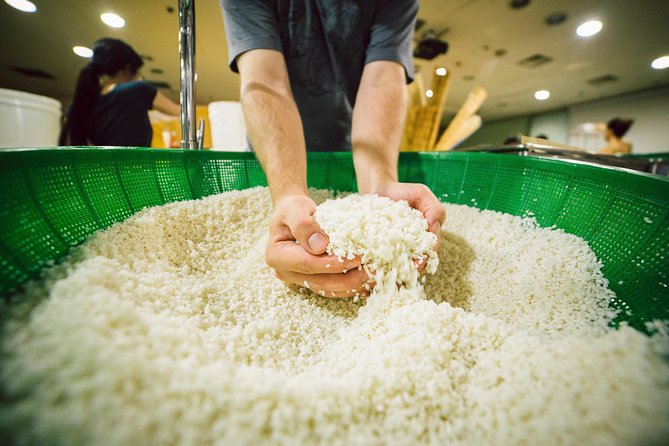
- Hyehwa brewery setting with a fully functional brewing setup
- Hands-on process from washing rice all the way to filtering
- Tasting + history included, not just instructions
- Small group size with a maximum of 20 people
- Take-home options: kit for brewing later or a bottle to enjoy now
- Shop visit after class with alcoholic drinks curated from across South Korea
Seoul’s Hyehwa makgeolli class: why this format works
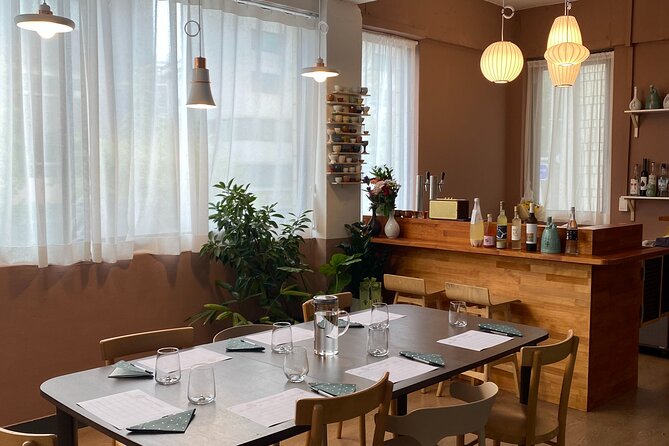
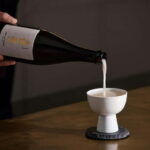
I like workshops that don’t just hand you information. This one teaches you in the exact order brewing actually happens. The core idea is simple: you learn the fundamentals of making makgeolli, then you get time to sample what the brewery produces, then you follow practical steps yourself so you can recreate it later.
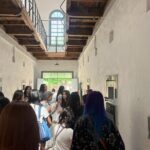
It’s also set up in a way that feels practical for a real Seoul trip. You’re not hunting for a “korean alcohol” spot and hoping you guessed right. You show up at the start point, get guided through the process at the brewery, taste along the way, and then the program wraps up back where you started.
And the location matters. The class is tied to the Hyehwa area of Seoul, which is a good base if you want neighborhood energy. You can pair this with other sightseeing before or after, without needing a long commute.
You can also read our reviews of more tours and experiences in Seoul
Meeting point and timing: fitting 2.5 hours into your day
The workshop starts at 1:00 pm at 2nd floor, 229 Changgyeonggung-ro, Jongno District, Seoul. It ends back at the meeting point.
That timing helps. It’s late enough to handle a slow morning (coffee, a stroll, maybe a museum), but early enough that you’re still free later for dinner. The total duration is about 2 hours 30 minutes, so you’re not losing most of your day to one ticket.
Two small practical notes that help planning:
- The experience uses a mobile ticket.
- The start location is near public transportation, which is the best kind of logistics in a city like Seoul.
Inside the brewery: washing rice to filtering, the real work
This is the part that makes the class worth your time. The teaching follows the actual brewing flow, so the steps aren’t just “do this, then wait.” You learn why each stage matters for the final texture and flavor of Korean rice wine—the kind that ends up milky.
Here’s what you can expect in the workshop flow:
Learning the brewing fundamentals
You’ll go through the fundamentals of brewing makgeolli with hands-on instruction from local specialists with years of experience in the Korean alcohol industry. The instruction doesn’t stay abstract. It ties the process to what you’ll eventually taste.
Different kinds of sool and fermentation techniques
Before you start the practical sequence, the class explains types of sool and fermentation techniques that make Korean alcohol distinct. Even if you’ve never brewed anything, you’ll get the basic framework so the next step—doing it yourself—doesn’t feel like random kitchen cosplay.
You can also read our reviews of more tours and experiences in Seoul

Hands-on steps: from rice washing onward
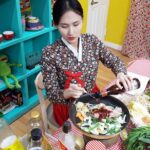
You’re guided through the beginning stage: washing rice. Then you move through the rest of the process up to the final filtering process.
That “from washing to filtering” progression is important. Filtering is often the step people don’t understand until they try it. Learning it here means you leave with a clearer idea of how texture and clarity happen in the finished product.
Practical making time, not just watching
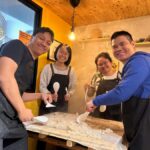
You’re not only an observer. The format includes the chance to make your own makgeolli as part of the practical portion. If you learn best by doing, this structure fits you.
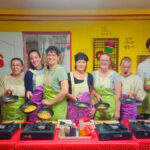
Possible drawback to consider: the class moves through multiple steps in one session. If you’re the kind of person who wants to pause every five minutes, tell your instructor early. The room is small, so you should be able to ask questions without feeling rushed.
History, tasting, and the human touch: Omar, Inji, and N
One of the strongest parts of this class is the teaching style. The program includes history and alcohol tasting alongside instructions, and the instructors slow down where it counts.
In particular, Omar stands out for taking time to answer questions and explain the importance of makgeolli in Korean culture. That matters because fermentation isn’t just chemistry on a timer; it’s also a living tradition people care about.
The reviews also highlight Inji for detailed explanations and N for lots of “testing,” which in practice translates to active tasting and hands-on evaluation during the session. That’s exactly what you want. You’re learning to make something, so you need feedback from taste, not only from a recipe sheet.
Even if you’ve got basic food skills, you’ll still get value from the tasting piece. It anchors the process: you see how the steps you’re learning relate to what ends up in the glass.
Your take-home choice: ingredient kit vs a bottle of makgeolli
At the end of the class, you get options. This is a smart design because it fits two different travel styles:
Option 1: Take home an ingredient kit
If you want the satisfaction of making your own makgeolli later, you can take home an ingredient kit with the basic ingredients you need to recreate your brew.
This option is best if:
- you enjoy home projects,
- you like following a process over time,
- you’d rather treat the class as a skill you can use again.
Option 2: Take home a bottle
If you’d rather enjoy right away and skip the at-home prep, you can take away a bottle of makgeolli instead.
This option is best if:
- you’re short on time after your trip,
- you want the payoff without storing ingredients or managing brewing steps at home,
- you’re more of a consumer than a maker.
Either way, the take-home element boosts the value of the ticket. You aren’t just paying for a 2.5-hour activity; you’re leaving with something tangible.
The shop stop after class: curated drinks across Korea
After the workshop, there’s a shop visit where you can pick from alcoholic drinks curated from across South Korea.
This is more useful than it sounds, because “Korean alcohol” can be a big universe. The curated angle helps you avoid wasting time asking for recommendations that turn into random guesses. Instead, you get a guided taste experience that still lets you choose what you like.
This stop also turns the class into a mini food-and-drink outing rather than a standalone lesson. You can think of it as: learn the base product (makgeolli), then expand your palate with other options from the same world.
One note: this part is alcohol-focused. If you’re not drinking, you might still enjoy the learning vibe, but it won’t hit the same way.
Price and value: is $75 fair for 2.5 hours in Seoul?
The price is $75.00 per person. For a Seoul experience, that’s not a “cheap snack” cost, but it also isn’t out of line when you account for what’s included.
Here’s what you’re paying for, in practical terms:
- a guided, hands-on brewing workshop at a functioning brewery in Hyehwa,
- structured instruction from washing rice to filtering,
- alcohol tasting and historical context during the session,
- a shop visit after class with curated drinks,
- and either an ingredient kit or a bottle as a take-home option.
If you select the kit option, the value feels especially strong because you’re effectively paying once for both the instruction and the ingredients starter. If you choose the bottle, you’re buying a learning experience plus a product to take away.
The big question for your personal math: do you want to brew at home, or do you want a drink right now? The program gives you the flexibility to match your preference. That flexibility alone is a big part of why the ticket feels fair.
Who this class is for (and who may not love it)
I’d put this workshop high on the list if you:
- want a hands-on Seoul food-and-drink activity,
- like learning a traditional process step-by-step,
- enjoy tastings and want context, not just instructions,
- want the chance to take something home (kit or bottle),
- prefer smaller groups (it’s capped at 20 travelers).
It may be less ideal if you:
- do not want alcohol tasting at all,
- dislike multi-step processes where you might have to move through stages on a schedule,
- need a fully quiet, lecture-only experience.
Also consider your post-class plans. Because the class is followed by a shop stop, it works best when you’ll be comfortable browsing and tasting afterward.
The booking basics that matter on the day
You’ll start at the meeting point at 2nd floor, 229 Changgyeonggung-ro and return there when the activity ends. The ticket is mobile, and you’ll get confirmation after booking.
If you’re comparing options, also note this program is capped at a maximum of 20 people. A smaller group usually means more time for questions and less “watch from the back” energy.
Should you book the Makgeolli Brewing Class?
If you want an experience that turns Korean rice wine from a mystery into a process you understand, I think you should book it. The strongest reasons are the hands-on nature of the steps (especially learning the sequence up to filtering) and the fact that you leave with something concrete: either a kit to brew again later or a bottle to take away.
Book it if you’re the type who enjoys tasting, asking questions, and learning food culture through doing. Skip or reconsider if alcohol tasting is a hard no for you, or if you’d rather spend your limited time in Seoul on sightseeing with fewer “hands and steps” moments.
FAQ
Where does the class meet in Seoul?
It starts at 2nd floor, 229 Changgyeonggung-ro, Jongno District, Seoul, South Korea.
What time does the Makgeolli Brewing Class start?
The start time is 1:00 pm.
How long is the experience?
It lasts about 2 hours 30 minutes.
Is there a maximum group size?
Yes. The class has a maximum of 20 travelers.
Is a mobile ticket used?
Yes. The experience includes a mobile ticket.
Does the class include alcohol tasting?
Yes. You’ll have the chance to sample home-brewed makgeolli before making your own, and there’s also a shop stop after class.
Do I take anything home?
Yes. At the end, you can choose to take home an ingredient kit or take away a bottle of makgeolli.
Is there a shop stop after the brewing class?
Yes. After the workshop, you visit the shop for alcoholic drinks curated from across South Korea.
What is the price per person?
The price is $75.00 per person.
What is the cancellation policy?
You can cancel for a full refund if you cancel at least 24 hours before the experience’s start time. If you cancel less than 24 hours before, the amount paid isn’t refunded.