REVIEW · MUSEUMS
Seoul: National Museum of Korea Guided Tour
Book on GetYourGuide →Operated by Korea Guide Tour · Bookable on GetYourGuide
Buddhism and ceramics make Korea click fast in this 2-hour guided visit. I like that the tour goes beyond the entrance hall, focusing on the objects most people miss, and I also like the small-group pace with an English guide who can answer follow-up questions clearly. One thing to consider: the tour may not be confirmed on weekends and holidays, so plan for a weekday if you can.
You’ll start at the Great Hall, 1st Floor Lobby of the Exhibition Hall, and you’ll leave with a better sense of how Korean culture isn’t just costumes and headlines—it’s ideas, daily habits, and crafted objects. The big themes are Buddhism and ceramics, tied to Korea’s history and to the refined beauty you see in relics and artifacts.
In This Review
- Key Takeaways Before You Go
- Entering the National Museum: Why This Tour Starts in the Right Place
- The Hand Axe and Comb-Pattern Pottery: Learning Korea’s Long Start
- Buddhism Through Relics: Turning Ideas Into Something You Can Picture
- Ceramics and Korean Taste: Why Craft Is Cultural History
- Guide Power in a Small Group: Why Names Matter
- Timing and Value: Is $38 Worth 2 Hours?
- Who This Tour Suits Best (And Who Might Feel Limited)
- How to Make the Most of Your Visit
- Should You Book This Seoul National Museum Tour?
- FAQ
- How long is the National Museum of Korea guided tour?
- Where do I meet for the tour?
- What language is the live tour guide?
- What is included in the $38 price?
- Can I cancel for a full refund?
- What happens if there aren’t enough participants?
Key Takeaways Before You Go
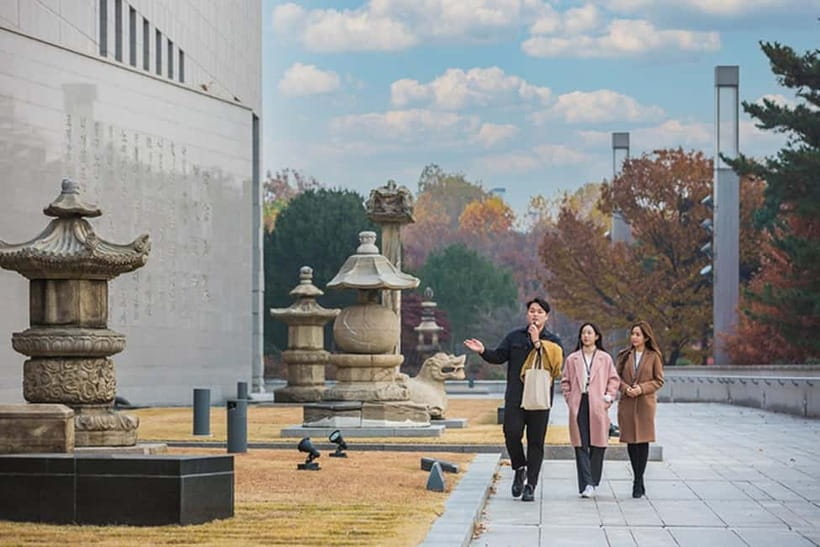
- A 2-hour guided route that looks past the “obvious” entrance views
- Stories anchored by standout objects like the hand axe and comb-pattern pottery
- How Buddhism shaped Korean life, explained through museum relics
- Ceramics as a window into Korean taste, skill, and everyday use
- Small group cap (10 participants) keeps the guide’s attention on you
- English live guiding plus museum admission included in the price
Entering the National Museum: Why This Tour Starts in the Right Place
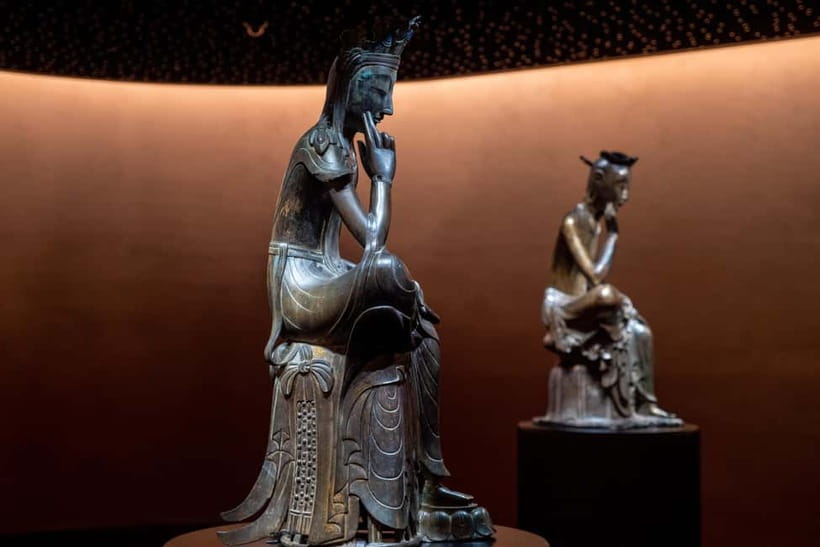
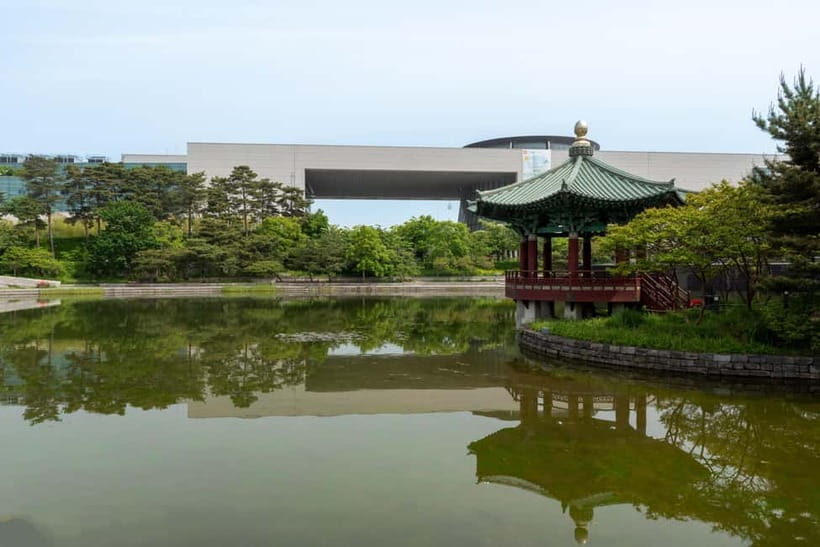
The meeting point is simple: the Great Hall, 1st Floor Lobby of the Exhibition Hall. From there, the tour’s main value is direction. Many museum visits in Korea (and anywhere) become a quick loop of what catches your eye. This one pushes you to slow down and notice the stories behind the objects, especially the early and cultural pieces that can feel less obvious at first glance.
What makes it work is focus. The tour is structured around two themes—Buddhism and ceramics—and it keeps translating those themes into human terms. Instead of treating artifacts like trophies behind glass, you get the why: how religious ideas moved, how artisans made, and how crafted things shaped daily life.
Also, you’re not dealing with a giant crowd. This tour is limited to 10 participants, which matters because you’ll likely have questions. With more space and fewer people, you can ask about objects, materials, symbolism, and context without the guide having to rush past you.
You can also read our reviews of more guided tours in Seoul


The Hand Axe and Comb-Pattern Pottery: Learning Korea’s Long Start
One of the most interesting details behind this tour is how it counters the “I only remember the entrance” problem. A 2017 survey by the National Museum of Korea found that many people remember specific early exhibits—especially the hand axe and comb-pattern pottery—but a lot of visitors still only take away what they saw right at the start.
This tour uses that reality to your advantage. You’ll be guided toward the kind of objects that set the foundation for understanding what comes later. The hand axe isn’t there just because it’s old and impressive. In a good guided context, it becomes a starting line for talking about early toolmaking needs—how people lived, hunted, built, and solved practical problems with the resources they had.
The comb-pattern pottery is similar, but in a different way. Pottery can look decorative from afar, but patterns and methods often reflect cultural habits and shared techniques. When your guide connects this to later themes (like Buddhism and ceramics as cultural carry-ons), you start to see continuity: the same impulse to shape materials into meaning shows up again and again.
If you like museums where the guide tells you what to look for, this is a strong fit. You’ll walk in expecting “ancient stuff” and leave with a clearer sense of how daily life and cultural expression were built step by step.
Buddhism Through Relics: Turning Ideas Into Something You Can Picture
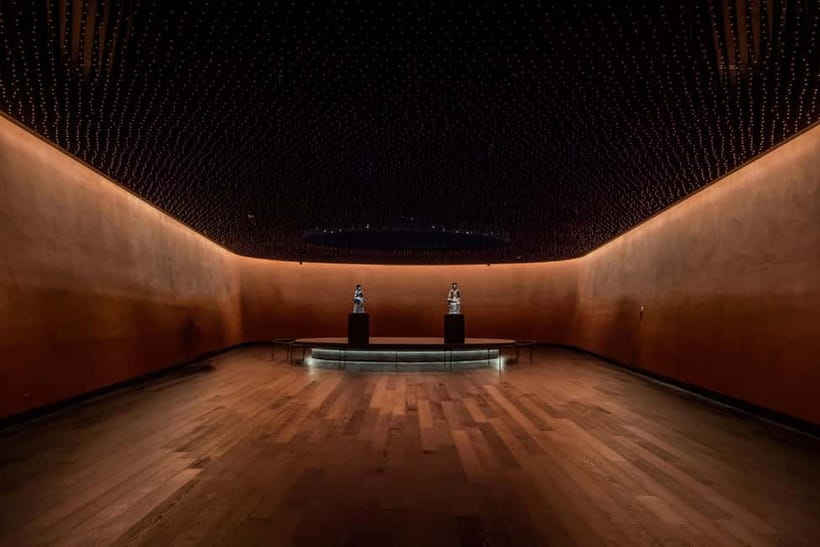
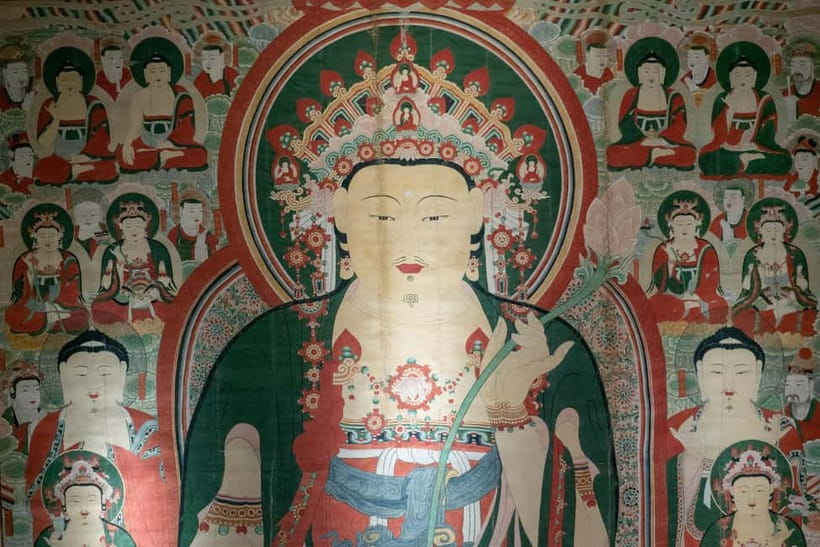
The tour’s second big theme is Buddhism, and the purpose is practical. Buddhism can sound abstract if you’re just reading a timeline. Here, you’re guided through museum relics and told how Buddhism influenced Korean culture and everyday life.
Relics can be difficult to interpret on your own. Without context, you might admire craftsmanship and stop there. With a guide, you get the missing layer: what these objects meant in their time, what kinds of values they represented, and how belief systems show up in material culture.
This is where the tour’s 2-hour length actually helps. Instead of trying to cover every dynasty, it narrows the story so you can grasp connections. You’re learning through a theme: Buddhism as a force that reshaped ideas, community life, and the ways people expressed devotion and identity.
You’ll likely appreciate this most if you’re the kind of traveler who wants to understand what an object stands for, not just where it came from. If you’ve ever felt overwhelmed by museum labels, this is designed to make the labels make sense.
Ceramics and Korean Taste: Why Craft Is Cultural History
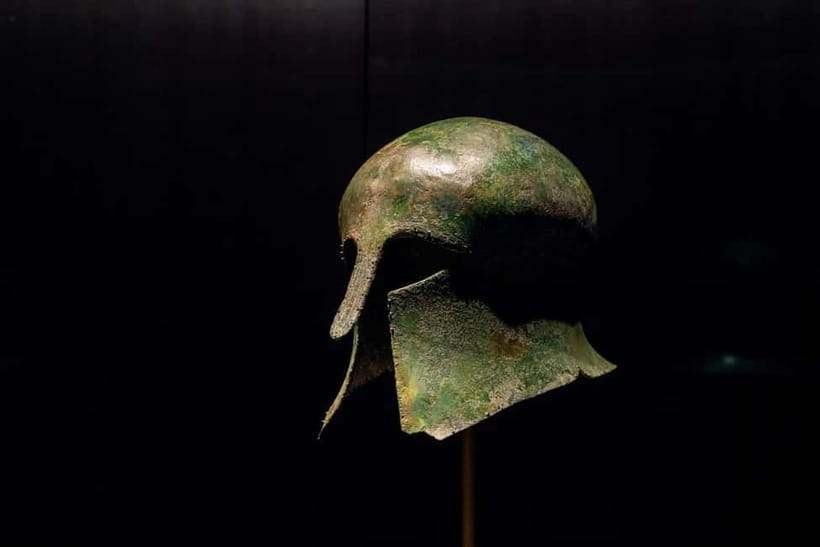
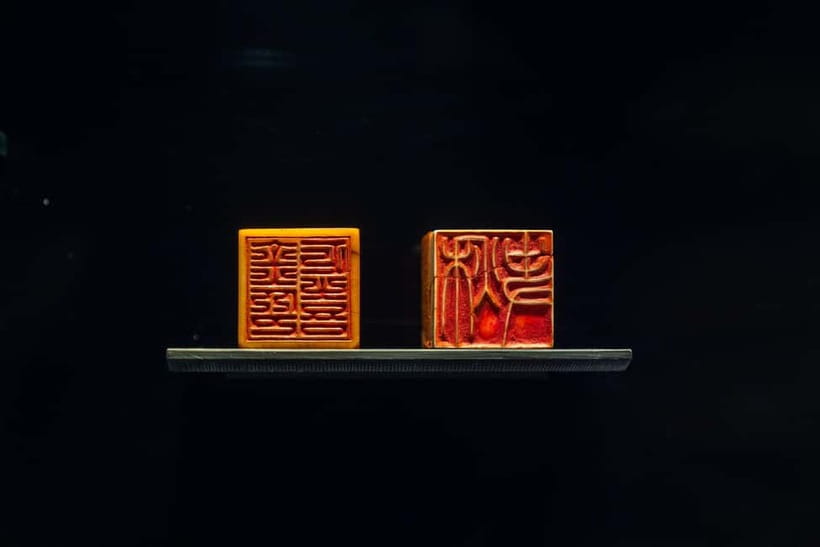
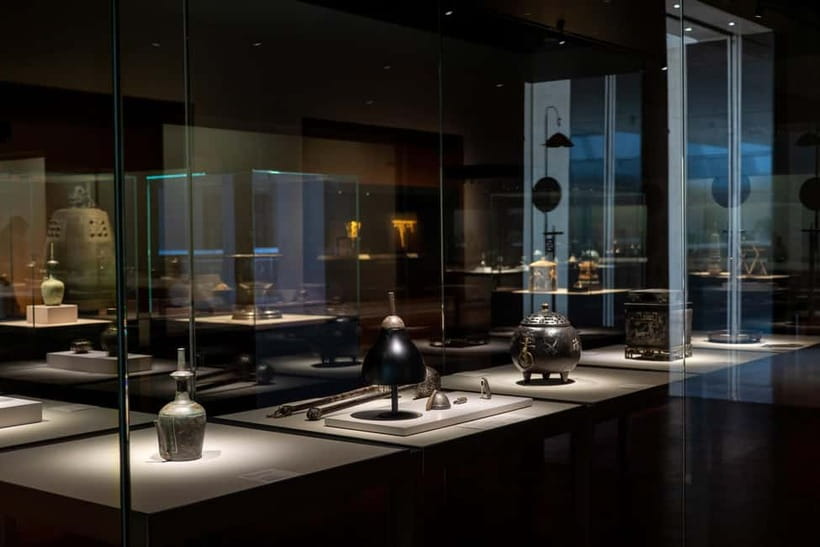
The other theme—ceramics—ties the whole experience together. Ceramics aren’t only about archaeology. They connect to art, daily use, and the idea that beauty can be functional.
In the tour framing, ceramics influence Korean life and culture, and that matters because it’s a kind of history you can almost touch. Pottery isn’t hidden in myths—it’s part of how people ate, stored, cooked, and made objects for everyday needs. When you connect that with visual design and craftsmanship, you start to see how cultural aesthetics are learned and repeated over generations.
This is also where you’ll feel the tour’s promise of timeless beauty. The “beauty” isn’t treated as decoration alone. It’s treated as skill plus intention: how forms and surfaces communicate taste, identity, and refinement.
I especially like that the tour pairs ceramics with Buddhism rather than keeping them separate lanes. That pairing helps you avoid a common museum trap: memorizing random facts about different sections. Instead, you’re building a single mental model for why Korean history looks the way it does—how belief and craft traveled together and shaped what people valued.
Guide Power in a Small Group: Why Names Matter
The most consistent praise you’ll see with this tour isn’t about flashy pacing. It’s about clarity, patience, and answering questions without shutting you down when you’re curious.
Guides are named in past tours, and that’s a good sign: Sue, Sally, Minju, and MJ. Each of them is described as taking time to explain things clearly and keeping the stories engaging—so you understand both the object and the cultural context around it. That combination is what transforms a museum visit from “I saw it” into “I got it.”
Minju gets called out for making stories interesting without dragging. MJ is praised for respect toward history and for explaining in detail, plus she brings a unique cultural vantage point shaped by Filipino, Chinese, Korean, and American backgrounds. That kind of perspective often helps you connect the dots faster, especially if you’re coming from a different cultural reference point and want explanations that don’t assume you already know the background.
Even if you’re not an encyclopedia-type visitor, the practical takeaway is simple: a strong guide means you can ask questions and get answers that change how you interpret what you’re seeing.
You can also read our reviews of more museum experiences in Seoul



Timing and Value: Is $38 Worth 2 Hours?
At $38 per person for a 2-hour guided visit, the value calculation is mostly about two things: what’s included, and what you get for your time.
What’s included is a local guide plus admission to the National Museum of Korea. That means you’re not paying extra for entry on top of the tour fee. For a short trip, that’s a real win. You’re buying a guided experience that turns museum space into an understandable story, and you’re not losing time figuring out what matters most.
The second value factor is time. Two hours is long enough to cover the key themes—Buddhism and ceramics—and to react to what you’re seeing, not just skim. It’s also short enough that you’re not trapped in a schedule if you want to pair it with other Seoul plans the same day.
If you enjoy museums but hate wandering with no plan, this price point becomes easier to justify. The guide work is doing the heavy lifting: choosing what to focus on, explaining what to look for, and keeping the visit moving with context.
Who This Tour Suits Best (And Who Might Feel Limited)
This guided tour is a great fit if you:
- want a structured museum experience with English live guiding
- prefer a small group capped at 10 participants
- care about the cultural “why” behind objects, especially Buddhism and ceramics
- like having time to ask questions and get straight answers
It might feel limiting if you want a museum tour that covers absolutely everything, or if you’re looking for an extended, stop-by-stop survey of many different periods. This is themed and time-bound. You’ll leave with strong understanding of the themes you went after, not a full map of every section.
Also, if you’re booking for a busy travel week, keep in mind that reservations can be tricky on weekends and holidays. And if the group doesn’t reach a minimum of 4 participants, the tour can be canceled with a notice by WhatsApp. That doesn’t mean it’s bad—it just means you should plan flexibility.
How to Make the Most of Your Visit
To get your money’s worth from this kind of themed guided tour, show up ready to look with questions in mind. Since the focus is Buddhism and ceramics, it helps to keep two question types ready:
- What does this object suggest about belief, daily practice, or cultural identity?
- What detail in the design or material helps explain its role?
Because the group is small, you can get more out of the guide if you’re willing to ask. Even one good question can change how you see the next display.
If you’re sensitive to materials or have allergies, tell the organizer in advance. The tour notes ask for that upfront, which is a small step that can make the day smoother for you.
Should You Book This Seoul National Museum Tour?
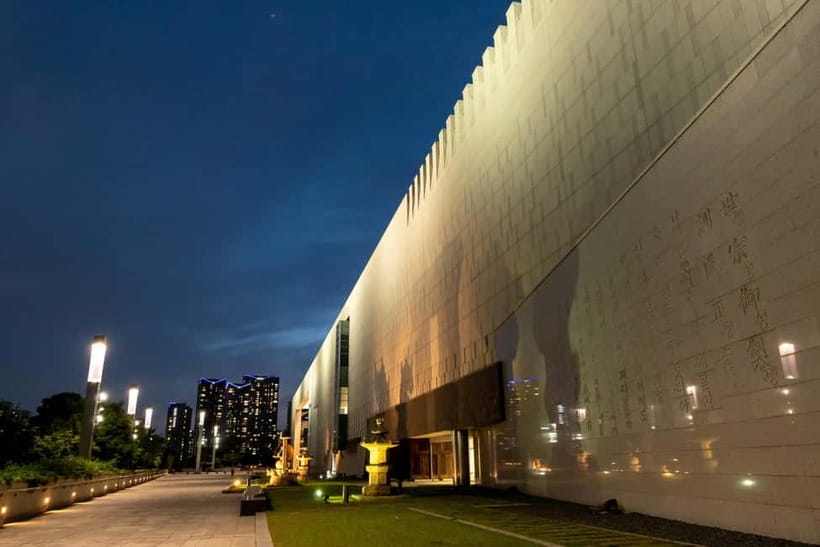
If you’re visiting Seoul and want a fast, story-driven museum experience that goes past the obvious entrance views, I’d book this tour. The price is reasonable for what’s included—admission plus a live English guide—and the themes are strong: Buddhism and ceramics linked to how Korean culture shows up in real objects and real life.
I’d especially recommend it if you:
- want clear explanations and patience from the guide
- prefer small groups so you don’t feel lost in the crowd
- like learning through a couple of well-chosen anchors like the hand axe and comb-pattern pottery
The only real reason to hesitate is schedule certainty. If you can travel on weekdays, you’ll avoid the confirmation issues that can come up on weekends and holidays, and you’ll reduce the chance of a small-group cancellation.
FAQ
How long is the National Museum of Korea guided tour?
The tour lasts 2 hours.
Where do I meet for the tour?
Meet at the Great Hall, 1st Floor Lobby of the Exhibition Hall, National Museum of Korea.
What language is the live tour guide?
The tour guide provides the tour in English.
What is included in the $38 price?
The price includes a local tour guide and admission to the National Museum of Korea.
Can I cancel for a full refund?
Yes. You can cancel up to 24 hours in advance for a full refund.
What happens if there aren’t enough participants?
If the number of participants is under 4, the tour will be canceled. You’ll be informed by WhatsApp.